
Yes, bleach can be a home remedy for toenail fungus. This simple solution works because it has strong antifungal properties that can help clear up the infection. However, it is important to note that using bleach directly can harm your skin and nails, so it must be diluted before use. With just one part of bleach mixed into ten parts of water, this safe concentration can be a go-to solution for your toenail troubles. So, shall we get started with the process?
What Causes Toenail Fungus?
Toenail fungus is typically caused by fungal organisms such as dermatophytes, yeasts, or molds. The environment plays a significant role in the development of fungal infections. Moisture, such as that from sweaty feet or wearing damp socks and shoes, can create an ideal environment for fungi to thrive. Poor hygiene, injury to the toenail, and pre-existing health conditions can also contribute to the onset of toenail infections.
Common Treatments for Toenail Fungus
- Over-the-counter medications and Prescriptions: Various treatments are available for toenail fungus, including antifungal drugs and topical treatments. Doctors often prescribe antifungal pills or topical solutions that must be applied directly to the affected area. These medications aim to eliminate the infection and prevent it from recurring.
- Home Remedies and Natural Solutions: For those seeking alternative treatments, home remedies such as vinegar, hydrogen peroxide, and tea tree oil are popular options. Some also consider bleach baths a method to combat toenail fungus. These treatments are believed to have antifungal properties that can help alleviate the symptoms of toenail infections.
Using Bleach for Toenail Fungus: Process and Instructions
Using Bleach for Toenail Fungus
- How Bleach Affects Toenail Fungus: Bleach, a common household disinfectant, is sometimes used in diluted form as a home remedy for toenail fungus. Its chemical properties can kill fungi and bacteria on contact. However, using bleach properly is essential to avoid potential side effects such as skin irritation or damage.
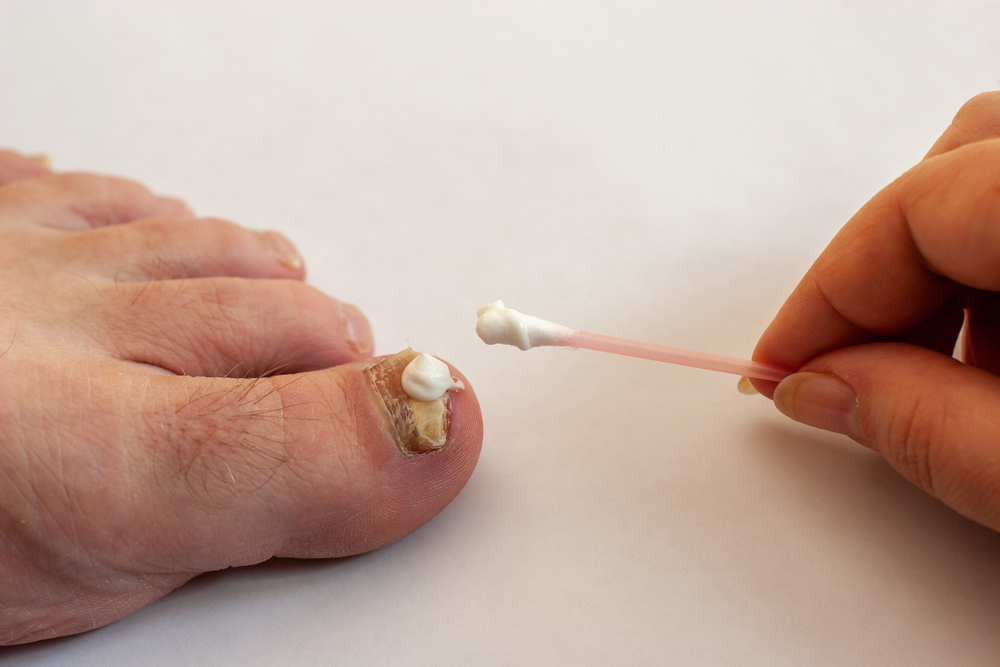
- How to Use Bleach Safely: To use bleach for toenail fungus, mix a small amount of bleach with water to create a diluted solution. Soak the affected toenail in this solution for a few minutes. After soaking, clean the area thoroughly and dry it completely to prevent further moisture buildup. If you prefer a more targeted approach, apply a cotton ball soaked in the bleach solution to the affected toenail. Repeat this process regularly for the best results.
Potential Risks and Side Effects
While bleach can be an effective treatment for toenail fungus, there are potential risks and side effects. Overuse or improper application can lead to skin damage, including irritation and discoloration. It is crucial to monitor the condition of your skin and toenails and consult a doctor if you experience any adverse effects.
If you’ve decided to use bleach as a potential remedy for toenail fungus, it’s crucial to comprehend the proper steps involved in this process. Handling bleach carefully and ensuring its safe application is essential to avoid any adverse effects on your skin and nails.
Step 1 – Prepare the Solution
The first step is to prepare a dilute bleach solution by mixing one bleach with ten parts water. This careful dilution ensures a safe concentration that effectively targets the fungus without harming the surrounding skin and nails. Handling the bleach solution is essential to avoid accidental spills or skin irritation.
Step 2 – Soak the Affected Area
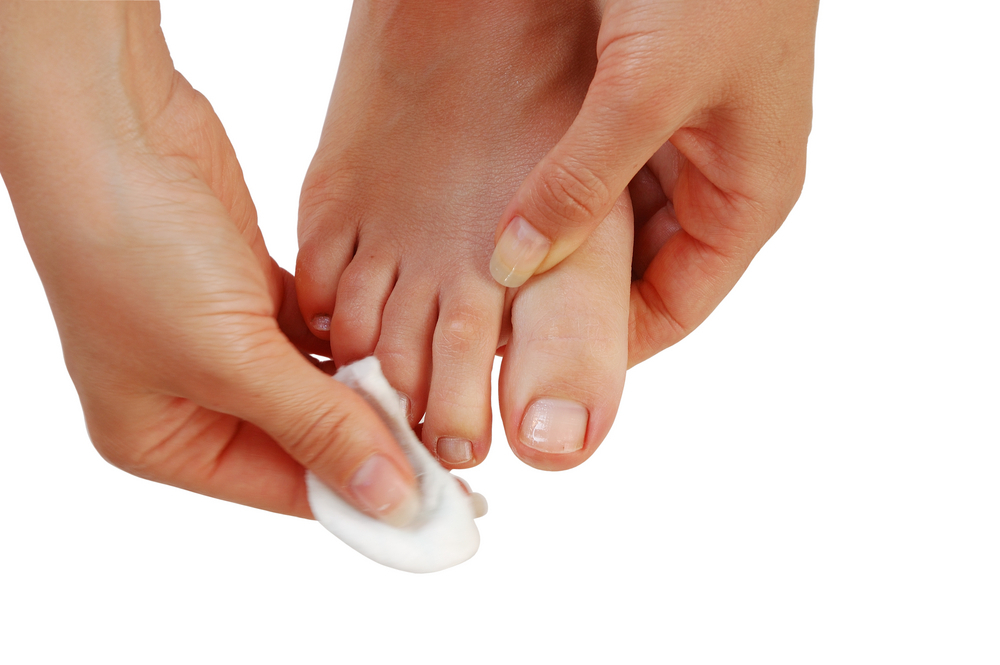
After preparing the bleach solution, soak a cotton ball or pad in the diluted mixture and gently apply it to the affected toenail. It’s crucial to be precise and cautious during this step, ensuring that the bleach solution only comes into contact with the infected nail and doesn’t spill onto the surrounding healthy skin. Allowing it to sit for a few minutes allows the bleach to target the fungus while minimizing exposure to the skin.
Step 3 – Rinse and Dry
Following the soaking period, thoroughly rinse the treated toenail with clean water to remove any residual bleach solution. Once rinsed, ensure that the area is completely dry. Moisture can exacerbate fungal growth, so drying the foot and nails thoroughly is essential to prevent any potential regrowth of the fungus.
So there you have it – a simple yet precise guide to using bleach for toenail fungus. Remember, cautious application, proper dilution, and thorough drying are key elements in safely implementing this method.
In navigating various approaches for managing toenail fungus, it’s equally vital to understand the potential risks of using home remedies such as bleach. Let’s now focus on exploring these precautions and risks in more detail.
Precautions and Risks of Using Bleach for Toenail Fungus
Before using any treatment, it’s important to be aware of potential risks and necessary precautions, especially when using bleach for toenail fungus.
Precautions
- Dilution is Key: Bleach is a concentrated chemical that can cause skin irritation or burns if undiluted. When treating toenail fungus, always dilute it. A 0.5% to 1% solution of bleach is considered safe.
- Protecting the Skin: It’s crucial to avoid direct contact between bleach and the skin. Always wear protective gloves when handling bleach to prevent skin irritation or damage.
Risks
Aside from skin irritation, other risks are associated with using bleach for toenail fungus.
- Nail Drying and Brittleness: Bleach has the potential to dry out and weaken the nails, causing them to become brittle over time. In some cases, prolonged exposure to bleach may even lead to discomfort in the surrounding skin.
- Potential for Skin Damage: The surrounding skin is sensitive, and prolonged exposure to bleach may cause damage such as dryness, redness, or irritation.
It’s important to remember that while some individuals may successfully use bleach to treat toenail fungus, others may experience adverse effects. Therefore, before beginning any new treatment regimen, consider consulting a healthcare professional to assess the best course of action based on your needs and medical history. Always patch-test any new treatment method on a small skin area before applying it more extensively.
While it’s necessary to consider these risks and precautions associated with using bleach for toenail fungus, various alternative treatments may be more suitable for different individuals. Consulting with a healthcare professional or podiatrist can help determine the best course of action, considering medical history, existing conditions, and potential sensitivities or allergies.
It’s important to emphasize that while anecdotal evidence suggests some success with using bleach for toenail fungus, the overall effectiveness of this method has not been extensively studied in scientific research. Therefore, it’s essential to approach this treatment cautiously and remain vigilant about any changes or adverse effects.
Understanding these precautions and risks associated with using bleach to treat toenail fungus can help individuals make informed decisions about their healthcare and treatment options. Prioritizing safety and seeking professional advice is crucial when exploring new treatments.
Effectiveness of Bleach Against Toenail Fungus
The use of bleach as a treatment for toenail fungus has sparked interest and debate within the medical community and among individuals seeking remedies for this condition. While anecdotal reports suggest its efficacy, critically examining the scientific evidence is necessary to understand its effectiveness.
Research Findings
Several studies have examined the effects of diluted bleach solutions on toenail fungus, producing nuanced and not universally conclusive results.
Journal of the American Academy of Dermatology (2013)
In a 2013 study published in the Journal of the American Academy of Dermatology, researchers found that a diluted bleach solution effectively treats toenail fungus in 56% of the participants after 3 months of daily treatment. However, individual responses varied, emphasizing the heterogeneous nature of treatment outcomes.
Journal of the European Academy of Dermatology and Venereology (2019)
Similarly, a 2019 study in the Journal of the European Academy of Dermatology and Venereology reported a success rate of 60% in treating toenail fungus with a diluted bleach solution after 6 months of daily treatment. Once again, individual responses showcased variability in effectiveness among different participants.
British Journal of Dermatology (2017)
A clinical trial published in the British Journal of Dermatology in 2017 revealed that a diluted bleach solution effectively treats toenail fungus in 52% of the participants after 3 months of daily treatment. These findings illustrate that while bleach may show promise in addressing toenail fungus for some individuals, it is not a universal solution.
| Study | Success Rate |
| Journal of American Academy of Dermatology (2013) | 56% |
| Journal of European Academy of Dermatology and Venereology (2019) | 60% |
| British Journal of Dermatology (2017) | 52% |
Review and Meta-analysis
Furthermore, a review and meta-analysis of multiple studies on bleach treatment for toenail fungus found an average success rate of 55% across various research papers and clinical trials. This indicates that while some evidence supports the effectiveness of diluted bleach solutions for toenail fungus, it may not be consistently successful for all individuals.
Bleach use should be approached cautiously, and a healthcare professional should be consulted before incorporating it into a treatment regimen. While anecdotal reports suggest positive outcomes for some, the scientific evidence underscores the need for individualized evaluation and guidance to address toenail fungus effectively.
As we explore the myriad options available to combat toenail fungus, let’s focus on alternative treatments that have shown promising results.
Alternative Treatments for Toenail Fungus
While bleach has shown potential in treating toenail fungus, other methods are worth considering.
Antifungal Medicines
Prescription antifungal medications, like terbinafine and itraconazole, are widely recommended by healthcare professionals for their effectiveness in addressing stubborn cases and promoting healthy nail growth.
Laser Therapy
In addition to prescription medications, laser therapy provides an intriguing non-topical solution. This treatment method uses laser energy to eliminate the fungus in the nail bed without damaging the surrounding tissues. It’s a noninvasive approach known for promoting clear nail growth over time.
Natural Remedies
For individuals who prefer natural remedies, options such as tea tree oil, lavender oil, or oregano oil are easily accessible and may present a viable alternative. These essential oils have been reported to possess antifungal properties and are favored by those looking for more holistic approaches to addressing toenail fungus.
These alternative treatments cater to various preferences and needs, offering unique benefits and considerations.
By exploring these alternative treatments, individuals can make informed decisions about the most suitable course of action based on their needs and preferences. Each method brings advantages and considerations worth evaluating when effectively tackling toenail fungus.
As we delve into proactive measures to prevent toenail fungus, we must consider how these strategies can integrate with alternative treatments for a comprehensive approach to foot health.
Proactive Measures to Prevent Toenail Fungus
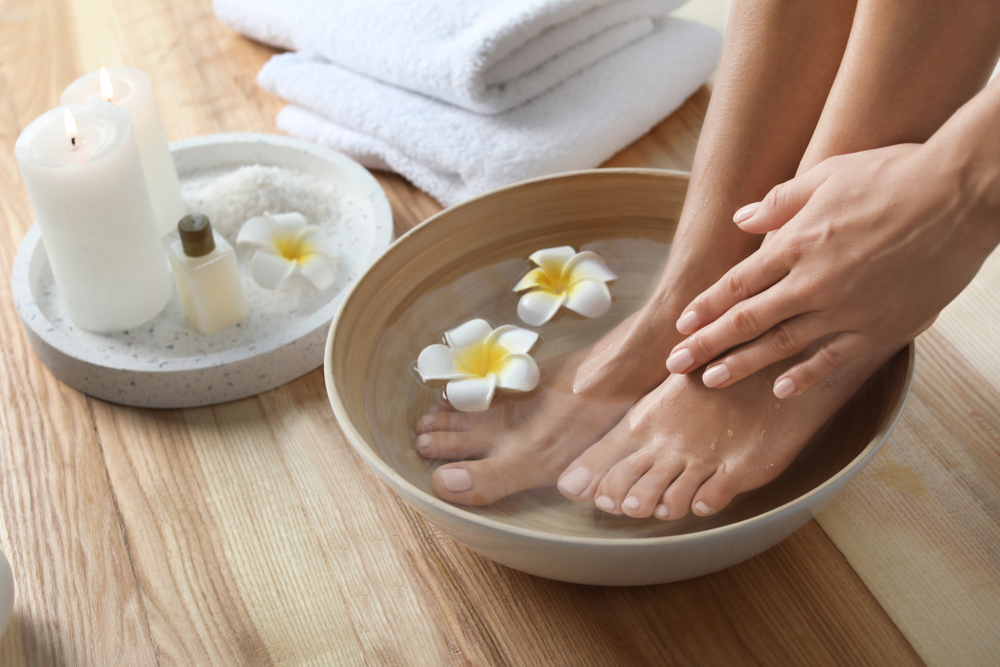
Maintaining proper foot hygiene is essential in preventing toenail fungus. Just like washing your hands to prevent germs from spreading, taking care of your feet can also help stave off pesky fungal infections. Clean and dry the nooks and crannies between your toes post-shower to remove trapped moisture, reducing the chance of fungus finding a foothold.
Fungi thrive in warm and moist environments, and clothing that doesn’t breathe well can create such a habitat. Therefore, wearing breathable footwear is vital, especially if you live in a warm climate or have a job that keeps you on your feet all day. Moisture-wicking socks and shoes made from natural fabrics like leather or canvas allow better air circulation, keeping your feet dry and minimizing the risk of fungal infections.
Another proactive step to prevent toenail fungus is to avoid sharing footwear. Swapping shoes with a friend or family member might seem harmless, but it’s a common way for fungal infections to spread. Refraining from sharing footwear reduces the risk of contact with fungi in other people’s shoes. Stick to your boots—your feet will thank you for it!
- Quick Tip: Always ensure your footwear is dry before wearing them again. This applies to socks, too. Damp conditions favor fungal growth, so keeping things dry helps minimize the risk of infection.
When at home, consider walking around barefoot or in sandals occasionally. This allows your feet to breathe and reduces moisture buildup compared to consistently wearing closed shoes.
So remember, keep those toes clean and dry, choose breathable footwear, and avoid sharing shoes to keep those pesky fungi at bay!
In nail health, proactive prevention plays a significant role in fending off nail ailments. Let’s now delve into a deep understanding of toenail fungus: its causes and symptoms.
Understanding Toenail Fungus: Causes and Symptoms
Toenail fungus, also known as onychomycosis, can be quite a persistent nuisance. It is primarily caused by dermatophyte fungi that thrive in warm, moist environments, particularly underneath our toenails. Warmth and moisture create an ideal setting for them to flourish.
The warm and often sweaty environment within our shoes provides the ideal breeding ground for these fungi. When we encase our feet in tight-fitting shoes or walk barefoot in public areas like swimming pools, locker rooms, or communal showers, we inadvertently invite these opportunistic organisms to reside within our toenails.
This vulnerability to fungal invasion underscores the importance of proactive measures to prevent toenail fungus. Ensuring one’s footwear offers ample breathing space and avoiding prolonged exposure to damp public areas—especially without protective footwear—are crucial steps to impeding the onset of toenail fungus.
Consider this situation akin to tending to a garden. As delicate flowers wouldn’t bloom in a dark, damp corner choked with weeds, we shouldn’t expect our toenails to remain untouched by fungus in similar conditions.
Now, let’s turn our attention to the telltale signs that your nails may have fallen prey to these unwelcome invaders.
Symptoms of Toenail Fungus
As with any health condition, understanding the indicators or symptoms is key. The common symptoms of toenail fungus are not only unsightly. Still, they can also be quite discomforting: thickened nails, yellow or brown discoloration, nail brittleness, distorted nail shape, and, in some cases, discomfort or pain. These symptoms compromise the aesthetic appeal of your nails and can interfere with daily activities due to discomfort.
Thickened nails can make trimming them properly difficult, while brittleness and distorted shape may lead to nail breakage and difficulty walking comfortably. Moreover, the discolored appearance can cause embarrassment or self-consciousness when wearing open-toed shoes or sandals during warm weather.
Understanding these causes and symptoms is crucial for recognizing toenail fungus early, addressing it promptly, and taking proactive measures against further infection.
Conclusion
In conclusion, toenail fungus presents a persistent challenge, and while home remedies like bleach may offer potential solutions for some, they should be approached cautiously. Consulting healthcare professionals for proper diagnosis and exploring alternative treatments are essential steps in addressing this condition effectively. Proactive measures, including appropriate foot hygiene and wearing breathable footwear, are crucial in preventing fungal infections. By understanding the causes, symptoms, and treatment options for toenail fungus, individuals can take proactive steps towards maintaining healthy nails and feet, ensuring long-term foot health and well-being.
If you or someone you know is experiencing symptoms of toenail fungus, it is important to seek proper treatment. For more information on toenail problems and their solutions, visit Nail Problems at Glow Nail Bar. Remember, early intervention is key to effectively tackling toenail fungus.

