
Pay attention to the subtle hints your body provides when evaluating nail regrowth. A smooth texture and consistent color indicate strong health, while a rosy hue suggests good circulation. But what about those small ridges or marks that occasionally appear? These might be telling you more than you realize. Also, the white crescent near your cuticle isn’t just ornamental; it holds significance for nail health. Have you ever wondered why nails grow at a specific rate or why hydration is essential for your cuticles? Stick around to uncover the mysteries behind these signs.
Key Takeaways
- A smooth surface and uniform texture characterize healthy nail regrowth.
- Pink on nails indicates healthy blood circulation and proper regrowth.
- Nails growing at approximately 3 millimeters per month reflect healthy regrowth.
- The presence of a white half-moon near the cuticle signifies good nail health.
- The absence of redness, swelling, or discharge around the nail bed indicates no infection.
Characteristics of New Nail Growth
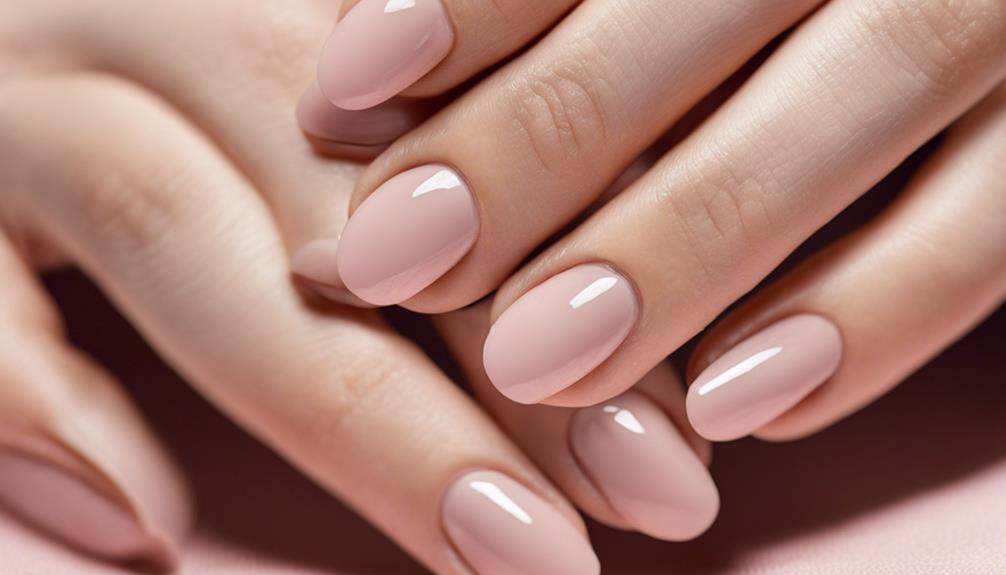
New nail growth starts at the nail matrix, right beneath the cuticle. This is where the magic of nail growth happens. The matrix produces new cells, gradually pushing older ones forward and forming the nail plate. It is important to recognize the traits of healthy nail growth, which include a smooth texture and a uniform color.
Healthy nails should be free from any ridges, spots, or abnormalities, guaranteeing a flawless appearance as they extend outward.
Typically, nails grow at a rate of about 1 millimeter per month. If you’re monitoring your nail growth, observe the consistency and color throughout this process. A healthy nail will maintain a smooth surface as it grows, without interruptions like ridges or discoloration. These features are vital for determining the overall health of your nails.
Keep an eye on any changes in your nail’s appearance. If you notice anything unusual, such as bumps or alterations in texture, it might indicate a problem. Maintaining healthy nail regrowth involves regularly checking these characteristics to ensure they align with what’s considered normal and healthy.
Importance of Nail Color
When observing nail regrowth, the natural pinkish appearance is a key indicator of healthy nails. This color suggests good blood circulation and proper nutrition, both essential for nail health.
On the other hand, any shift from this shade, like yellow or blue tones, can signal underlying health conditions that might need your attention.
Natural Pinkish Appearance
A natural pinkish tint in your nails is an important indicator of their health and vigor. It signifies effective nail regrowth and reflects good blood circulation to the nail matrix. When your nails have this pink appearance, the underlying blood vessels beneath the nail plate function well. They ensure that new nail cells receive the proper nourishment and oxygen supply they need to thrive.
Monitoring this pink color is significant as it can tell you a lot about the health and strength of your nails. A consistent pinkish tint from the nail bed to the tip is a positive sign. It shows that your nails are growing strong and healthy thanks to an adequate blood supply and nutrients.
Here’s a quick guide to understanding the importance of nail color:
| Aspect | Significance |
|---|---|
| Pink Nails | Indicate healthy blood circulation |
| Nail Regrowth | Shows vitality and health |
| Blood Vessels Beneath | Responsible for the pink appearance |
| Consistent Pinkish Hue | Sign of proper nourishment |
Observing the pink color of your nails can help you maintain their health and detect potential issues early.
Indicators of Health Conditions
Observing the natural pinkish tint of your nails is just one part of understanding nail health, but changes in nail color can reveal a lot more about your overall well-being. If you’ve noticed yellow nails, it might be a sign of a fungal infection but don’t stop there. They can also indicate underlying health conditions like thyroid disease, lung issues, diabetes, or psoriasis. It’s vital to pay attention to such changes.
White nails can also be a concern, especially with darker rims. This pattern might be a warning sign of liver problems, including hepatitis.
On the other hand, if your nails have a bluish tint, it could mean your body’s not getting enough oxygen, possibly because of lung or heart complications.
Rippled nails may not be a color change, but they’re worth mentioning as they can be early signs of psoriasis or inflammatory arthritis. Keeping an eye on these variations helps you catch underlying health conditions early. Don’t ignore what your nails are telling you. They can be a window into your body’s health, so consider consulting a healthcare professional if you notice any concerning changes.
Surface Texture and Health
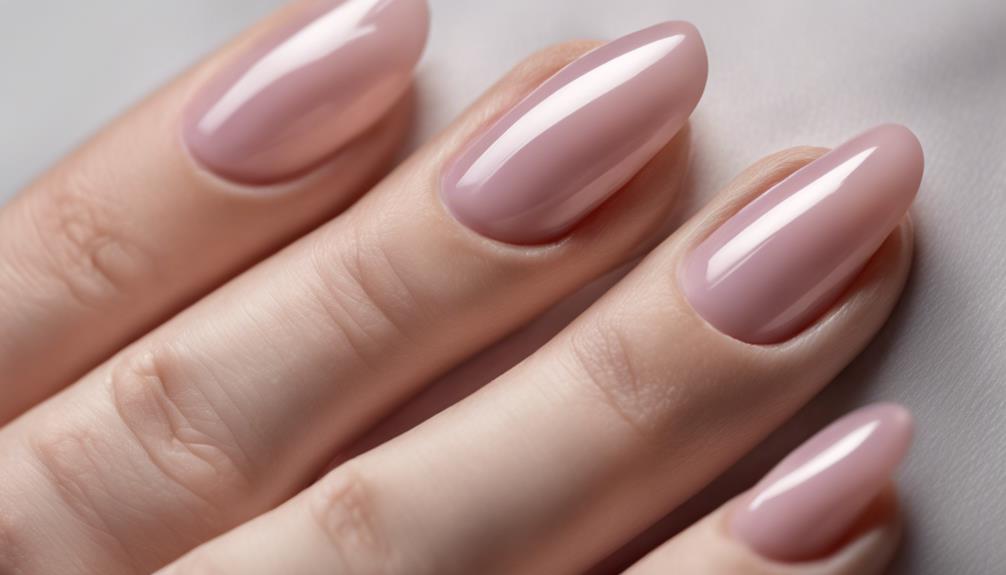
When checking for healthy nail regrowth, pay attention to the smoothness of your nails, as this indicates proper nail health. If you notice ridges, they might be a natural sign of aging, but they could also signal underlying concerns.
Texture changes, such as pits or indentations, warn you about potential health issues that might need attention.
Smoothness Indicates Nail Health
Smooth nail surfaces are a hallmark of nail health, indicating that your nails are growing properly without any underlying issues. When your nails are soft, they reflect their overall health, ensuring they’re free from ridges, grooves, or pits that can signal problems. Smooth nails aren’t only visually appealing but also suggest that your body’s nutritional needs are being met, supporting proper nail growth and development.
To better understand the importance of smoothness in your nails, consider these key indicators:
- Consistent Texture: Healthy nails should have an even surface without bumps or rough patches.
- Shine and Luster: Smooth nails naturally shine, suggesting they’re well-nourished and hydrated.
- Uniform Growth: The absence of irregularities indicates that your nails are growing steadily and healthily.
- Lack of Discoloration: Smooth nails often appear uniformly colored, without unusual spots or streaks.
Maintaining this smoothness involves proper nail care and a balanced diet of essential nutrients. Pay attention to nail changes and incorporate vitamins like biotin and minerals like zinc into your routine. By doing so, you’re actively supporting your nails and overall health, ensuring your nails remain smooth and strong.
Ridges and Aging Signs
As you age, vertical ridges on your nails might become more noticeable, representing a natural part of the aging process. These vertical ridges are common and often harmless, signifying nothing more than the passage of time. They might become more pronounced but don’t usually indicate any underlying health problems. Instead, they can be viewed as one of the aging signs that you’re likely to experience.
Healthy nail regrowth should ideally present a smooth, uniform texture. When your nails grow back without irregularities, it shows they’re in good condition. However, the presence of vertical ridges shouldn’t necessarily concern you. They’re simply a cosmetic change that often accompanies getting older. It’s important to differentiate these from horizontal ridges or Beau’s lines, which could indicate stress or health issues.
Please pay attention to the overall texture of your nails while considering their health. Even with some vertical ridges, consistency in nail appearance indicates healthy nail regrowth. Keeping an eye on these changes can help you understand your nails better and ensure any variations align with typical aging signs rather than more serious concerns. Always consult a healthcare professional if you notice unusual changes.
Texture Changes Warning Signs
Regularly monitoring the texture of your nails can reveal important health insights. During nail regrowth, it’s vital to pay close attention to how smooth or rough the surface of your nails feels. Healthy regrowth is typically soft, without pits, grooves, or ridges.
When your nails exhibit a consistent and even texture, it’s a positive sign of proper nail growth and overall health. However, texture changes can be a warning sign of potential health concerns.
Here’s what to look for:
- Smoothness: Nails should feel smooth to the touch, without any bumps or indentations. This indicates healthy regrowth.
- Consistency: A uniform texture across the entire nail surface suggests your nails grow healthily.
- Roughness: If you notice any rough patches or uneven areas, it might be time to consult a healthcare professional, as these can signal underlying issues.
- Indentations or Bumps: These may indicate nutritional deficiencies or other health concerns that need attention.
Growth Rate Indicators
Recognizing healthy nail regrowth involves understanding the growth rate indicators that signal robust nail health. One key indicator is how fast your nails grow. Ideally, nails should regrow at about 3 millimeters per month. This consistent growth rate shows that your body’s blood circulation and nutrient intake are adequate.
Look for a white half-moon shape near the cuticle, known as the lunula. This white area can be a positive sign of healthy nail growth, suggesting that the nail matrix functions properly.
When examining your nails, check for a smooth, uniform texture. Healthy nails typically have minimal ridges and no discoloration. Ridges can sometimes indicate underlying health issues or deficiencies, so minimal ridges are preferable.
If your nails grow consistently without becoming brittle or breaking easily, this is another good indicator of overall nail health. It means the nails are strong and receive the nutrients necessary to maintain their integrity.
Paying attention to these growth rate indicators can help you assess the health of your nails and make informed decisions about your nail care routine, ensuring they remain strong and healthy.
The Role of the Cuticle

Understanding healthy nail regrowth goes beyond just observing growth rates; it’s also about appreciating the role of the cuticle. The cuticle acts as a protective barrier at the base of your nail, sealing the matrix where new nail cells form. This tiny but mighty part of your nail anatomy ensures the environment remains ideal for new cell production.
The cuticle naturally pushes back as your nails grow, allowing the new nail to extend smoothly beyond your fingertip. Maintaining a healthy cuticle actively supports the natural growth process, resulting in strong, smooth, and aesthetically pleasing nails.
To ensure your cuticle is doing its job effectively, consider these tips:
- Gentle Pushing Back: Regularly and gently push back your cuticles to allow space for nail regrowth without damaging the delicate skin.
- Moisturize: Use cuticle oil or cream to keep the area hydrated, ensuring flexibility and preventing cracking.
- Avoid Trimming: Avoid harsh trimming or cutting, which can damage the nail and hinder healthy nail regrowth.
- Protective Barrier: Remember, a well-maintained cuticle protects against external threats, keeping your nails strong and healthy.
Monitoring for Infections
Watching your nails for signs of infection is necessary for maintaining their health during regrowth. You’ll want to be watchful about any redness, swelling, or pus around the nail bed. These symptoms can indicate an infection, disrupting the regrowth process. Healthy nails should regrow without pain, tenderness, or unusual warmth in the surrounding area. If you notice any of these symptoms, addressing them promptly is important.
Another key sign to watch is a foul odor or discharge from under the nail. Such symptoms can point to an underlying infection that needs immediate attention. Additionally, ensure the nail remains properly attached to the bed without any signs of lifting or separation. A healthy attachment indicates that the regrowth process is proceeding smoothly.
If you spot any signs of infection, don’t hesitate to seek medical attention. Addressing these issues early on can prevent complications and promote healthy nail regrowth. By monitoring your nails closely, you’ll guarantee they stay healthy and strong as they regenerate. Remember, timely intervention can make all the difference in maintaining your nail health.
Conclusion
Please pay close attention to their texture, color, and growth rate to guarantee your nails are regrowing healthily. Look for smoothness and a pink hue, which indicates good circulation. A steady growth rate of about 3 millimeters per month is ideal. Make certain the cuticles are well-hydrated, and watch for the white half-moon near the cuticle as a positive sign. Stay vigilant for signs of infection, like pain or discoloration, to maintain strong, healthy nails.
FAQs
1. What Are the Signs of Good Nail Growth?
You’ll notice good nail growth by observing a smooth texture, a consistent pinkish nail color with white ends, and strong nails that don’t break easily. Confirm there’s no discoloration or brittleness, indicating healthy regrowth.
2. How Do I Know if My Nail Will Grow Back?
You can tell if your nail will grow back by observing nail bed appearance and nail growth indicators. Healthy regrowth usually follows a monthly timeline of about 1/8 inch, appearing smooth and pinkish at the base.
3. What Does a Healthy Nail Bed Look Like?
When checking your nail bed appearance, make sure it’s pink and smooth. Notice nail texture; it should be even without ridges. The nail color should be consistent, indicating proper health. These signs show your nails are healthy and well-nourished.
4. How Long Does It Take to Regrow Healthy Nails?
Understanding the nail growth timeline is important for regrowing healthy nails: fingernails take about six months, while toenails need up to 18 months. Factors affecting regrowth include age and health. Maintaining best practices for healing can boost regrowth.

