
Are you tired of dealing with nail problems that prevent you from flaunting your perfectly manicured hands? If so, you’ve come to the right place. This introductory article will delve into common nail problems and provide effective solutions to overcome them.
Our nails are cosmetic features and indicators of our overall health. From brittle nails that break easily to unsightly fungal infections, there are a plethora of issues that can plague our nails. But fret not, for there are solutions to every problem.
One of the most common nail problems is brittleness and breakage. Many factors, such as excessive use of harsh chemicals or a lack of proper nail care, can contribute to this issue. We will explore the underlying causes and offer practical tips to strengthen and nourish your nails, ensuring they become more resilient and less prone to breakage.
Another prevalent concern is the occurrence of fungal infections. These pesky infections can cause discoloration, thickening, and nail crumble. We will discuss the causes of fungal infections and share effective remedies to eliminate them, allowing your nails to regain their natural beauty.
Furthermore, we will address issues such as ridges, ingrown nails, and dry cuticles, providing expert advice on tackling these problems head-on. Additionally, we will explore the importance of proper nail hygiene and its role in preventing various nail issues.
Join us on this journey as we unravel the mysteries of common nail problems and equip you with the knowledge and tools to maintain healthy and beautiful nails. We will delve deeper into each situation in the upcoming articles, offering detailed explanations and step-by-step solutions.
Common Nail Problems and Solutions
Nail problems can be quite common and range from minor to more serious conditions. It is important to address these problems promptly to prevent further damage and discomfort. This article will discuss some common nail problems and their solutions.
One common problem that many people face is brittle nails. Various factors, including frequent exposure to water, harsh chemicals, and certain medical conditions, can cause brittle nails. To address this issue, it is important to moisturize your nails by regularly applying a nail oil or moisturizer. Additionally, avoid using harsh chemicals on your nails and wear gloves when doing household chores or working with chemicals.
Another common nail problem is nail fungus. Nail fungus is a fungal infection that can cause discoloration, thickening, and crumbling of the nails. To treat nail fungus, keeping your nails clean and dry is important. You can also try using over-the-counter antifungal creams or ointments. In more severe cases, oral antifungal medications may be necessary.
Ingrown nails are also a common problem that can be quite painful. Ingrown nails occur when the edge of the nail grows into the surrounding skin. To prevent ingrown nails, it is important to trim your nails straight across and avoid cutting them too short. If you already have an ingrown nail, soaking your foot in warm water can help reduce the pain and swelling. Sometimes, a doctor may need to remove part or all of the ingrown nails.
In conclusion, nail problems are common and range from minor to more serious conditions. You can maintain healthy and beautiful nails by addressing these problems promptly and following the appropriate solutions. Remember to consult a healthcare professional if you have any concerns or if your nail problems persist.
How to treat brittle nails
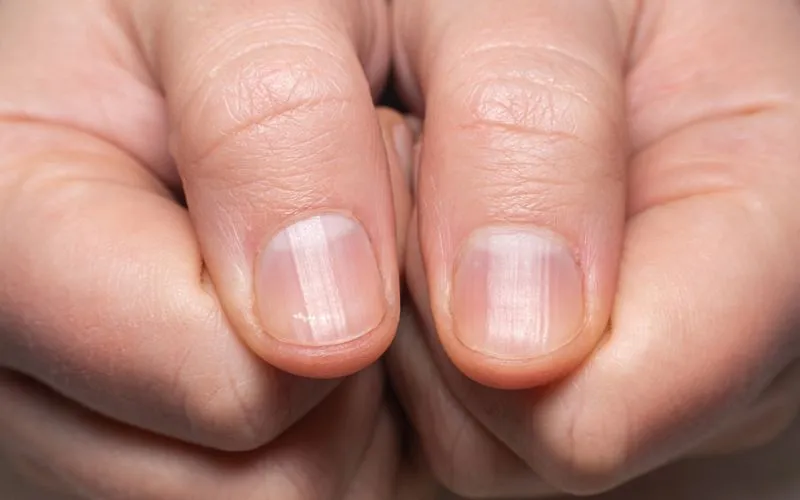
Brittle nails can be a frustrating problem to deal with. They can easily break, peel, and become weak, causing discomfort and making it difficult to maintain a well-groomed appearance. However, you can take several effective treatments and preventive measures to improve your nails’ health and strength.
One common cause of brittle nails is dehydration. It’s important to keep your nails, and cuticles moisturized to combat this. Applying a nourishing oil, such as coconut or olive oil, to your nails and cuticles daily can help restore moisture and prevent them from becoming dry and brittle.
Another important aspect of treating brittle nails is maintaining a healthy diet. A diet rich in vitamins and minerals, particularly biotin, calcium, and iron, can promote nail health. Foods like eggs, nuts, spinach, and salmon are excellent sources of these nutrients and should be incorporated into your daily meals.
Regularly trimming and keeping your nails at a moderate length can also help prevent brittleness. Long nails are more prone to breakage, so keeping them short and well-shaped is best. Additionally, please avoid using your nails as tools for opening cans or scratching surfaces, as this can weaken them and make them more susceptible to damage.
Lastly, it’s important to avoid harsh chemicals and excessive exposure to water, as these can weaken your nails. Wear gloves when washing dishes or cleaning to protect your nails from prolonged contact with water and harsh detergents.
By following these tips and incorporating them into your daily routine, you can effectively treat and prevent brittle nails. Remember to be patient, as seeing noticeable improvements may take some time. With proper care and attention, you can achieve strong and healthy nails.
How to prevent nail breakage
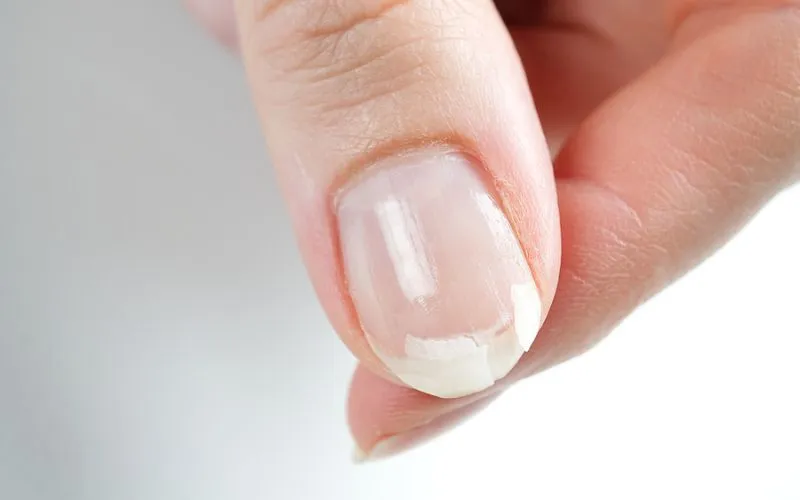
Nail breakage is a common problem that many people face. It can be frustrating and even painful when your nails break, especially if you have spent time and effort keeping them healthy and strong. However, there are several steps you can take to prevent nail breakage and keep your nails looking their best.
First and foremost, it is important to keep your nails properly moisturized. Dry nails are more prone to breakage, so regularly apply nourishing cuticle oil or cream to keep them hydrated. Additionally, avoid using harsh chemicals or acetone-based nail polish removers, as these can strip your nails of their natural oils and make them more brittle.
Another key factor in preventing nail breakage is maintaining a healthy diet. Like the rest of your body, your nails require essential nutrients to grow strong and healthy. Incorporate foods rich in vitamins and minerals, such as leafy greens, nuts, and fish, into your diet to promote nail strength.
In addition to moisturizing and a healthy diet, it is important to handle your nails with care. Avoid using your nails as tools to open packages or scrape off labels, as this can weaken them and increase the chances of breakage. Instead, use appropriate tools for these tasks.
Furthermore, regularly trimming and shaping your nails can help prevent breakage. Keep them manageable for your lifestyle, and file them gently to smooth rough edges. This will reduce the risk of snagging and breaking.
By following these simple tips, you can significantly reduce the chances of nail breakage and maintain strong, healthy nails. Remember to take care of your nails from the inside out by moisturizing and nourishing them, and handle them carefully to avoid unnecessary damage. With these preventive measures, you can enjoy beautiful, break-free nails.
What causes nail discoloration
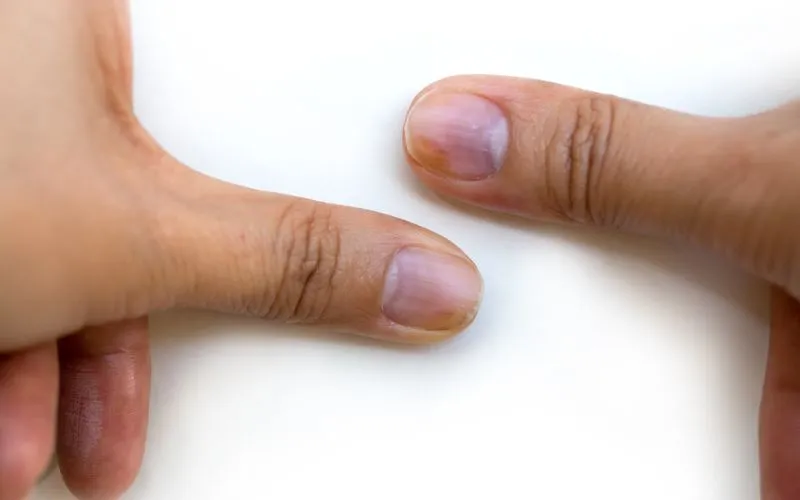
Nail discoloration is a common problem that many people experience. It can be caused by various factors, ranging from minor issues to more serious underlying conditions. Understanding the causes of nail discoloration is important to find the appropriate solutions.
One of the most common causes of nail discoloration is fungal infection. Fungi thrive in warm and moist environments, making the nails an ideal breeding ground. When a fungal infection occurs, the pins may turn yellow, brown, or green. Other symptoms may include thickening of the nails and brittleness.
Another cause of nail discoloration is trauma to the nail bed. If you accidentally hit your nail or drop something heavy, the blood vessels underneath can rupture, leading to a bruise. This can cause the nail to turn black or purple. In some cases, the discoloration may take several weeks to fade.
Certain medical conditions can also cause nail discoloration. For example, psoriasis, a chronic skin condition, can affect the nails and cause them to become pitted and discolored. Yellow nails can also be a sign of thyroid disease or diabetes.
In some cases, nail discoloration may be a side effect of medication. Certain antibiotics, antifungal drugs, and chemotherapy medications can cause changes in the color of the nails. If you suspect that your medication is causing nail discoloration, it is important to consult with your doctor.
In conclusion, nail discoloration can be caused by various factors, including fungal infections, trauma, medical conditions, and medication. If you notice any changes in the color or appearance of your nails, it is important to seek medical attention to determine the underlying cause and find the appropriate treatment.
How to strengthen weak nails
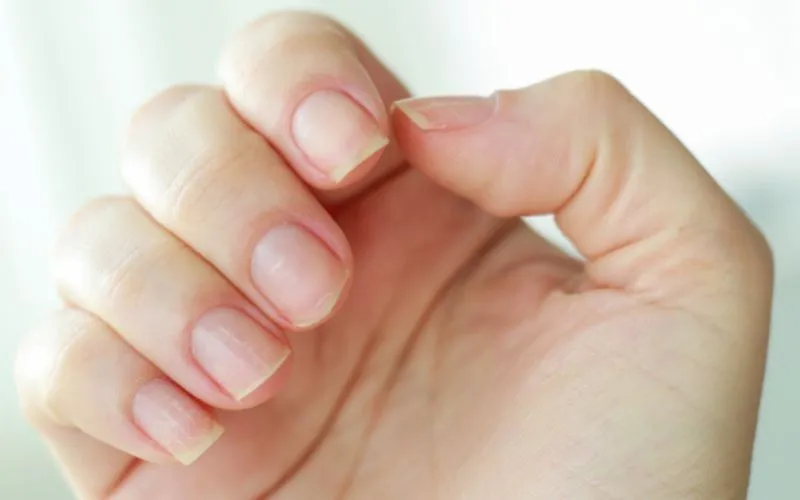
Are you tired of dealing with weak and brittle nails? If so, you’re not alone. Many people struggle with this common nail problem. Fragile nails can be frustrating and make it difficult to maintain a beautiful manicure. However, there are solutions to strengthen your nails and improve their health. This article will explore some effective ways to strengthen weak nails.
One of the first steps in strengthening weak nails is to ensure that you provide proper care. This includes keeping your nails clean and dry, avoiding harsh chemicals and detergents, and using a gentle nail file to shape them. It’s also important to avoid using your nails as tools, as this can cause them to become weak and prone to breakage.
Another key factor in strengthening weak nails is maintaining a healthy diet. Like the rest of your body, your nails require essential nutrients to grow strong and healthy. Ensure you include foods rich in biotin, vitamin E, and iron. Additionally, drinking plenty of water can help keep your nails hydrated and prevent them from becoming brittle.
In addition to proper care and a healthy diet, several nail-strengthening products are available on the market. These products often contain ingredients like keratin and calcium, which can help improve the strength and resilience of your nails. Consider incorporating a strengthening nail polish or a nail treatment into your routine to provide your nails with an extra boost.
By following these tips and incorporating them into your nail care routine, you can strengthen your weak nails and enjoy healthier, more beautiful nails. Remember to be patient, as it may take time to see results. With consistent care and attention, you’ll soon have nails that are strong and resilient.
How to treat nail fungus
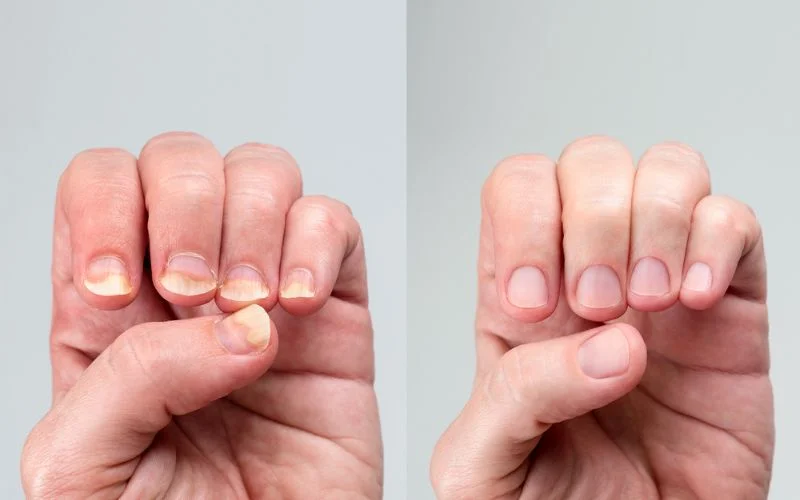
Nail fungus is a common problem that affects many people. It can be unsightly and embarrassing, causing the nails to become discolored, thickened, and brittle. If left untreated, nail fungus can spread and cause further complications. However, there are several effective treatments available that can help eliminate nail fungus and restore the health of your nails.
One of the most common treatments for nail fungus is antifungal medications. These medications can be applied topically or taken orally, depending on the severity of the infection. Topical antifungal creams and ointments are applied to the affected nail and surrounding skin. On the other hand, oral medications are taken by mouth and work from within to eliminate the fungus.
In addition to medications, there are also natural remedies that can be used to treat nail fungus. Tea tree oil, for example, is a popular natural antifungal agent that can be applied directly to the affected nail. Vinegar and hydrogen peroxide are also commonly used to treat nail fungus. These natural remedies can be effective, but it’s important to note that they may take longer to show results than medications.
Proper nail care is also essential in treating and preventing nail fungus. Keeping your nails clean and dry is important, as fungus thrives in warm and moist environments. Trim your nails regularly and avoid cutting them too short, as this can create small openings where fungus can enter. Wearing breathable shoes and changing your socks frequently can also help prevent fungus growth.
If you suspect you have nail fungus, it’s important to seek treatment as soon as possible. Early intervention can help prevent the infection from spreading and causing further damage to your nails. Whether you use medications or natural remedies, be consistent with your treatment and follow the instructions carefully.
How to prevent ingrown toenails

Ingrown toenails can be painful and uncomfortable, but you can take steps to prevent them from occurring. By following these tips, you can keep your toenails healthy and avoid the pain and inconvenience of ingrown nails.
One of the most important things you can do to prevent ingrown toenails is to trim your nails properly. Trim them straight across and avoid rounding the edges, encouraging the pin to grow into the skin. Use a sharp, clean nail clipper, and be careful not to cut them too short.
Wearing proper footwear is also crucial in preventing ingrown toenails. Make sure your shoes fit well and provide enough room for your toes to move freely. Tight shoes can pressure your toenails and cause them to grow into the skin. Opt for shoes with a wide toe box and avoid high heels or shoes with narrow, pointed toes.
Maintaining good foot hygiene is another key factor in preventing ingrown toenails. Keep your feet clean and dry, and avoid damp socks or shoes. Moisture can soften the skin around the nails, making it easier for them to grow into the skin. Regularly moisturize your feet to keep the skin healthy and prevent dryness.
If you tend to develop ingrown toenails, consider using toe protectors or orthotic devices. These can help relieve pressure on the nails and prevent them from growing into the skin. Consult a podiatrist for recommendations on the best options for your specific needs.
Following these preventive measures can significantly reduce the risk of ingrown toenails and keep your feet healthy and pain-free. Always take care when trimming your nails, wear proper footwear, maintain good foot hygiene, and seek professional advice if needed.
What causes ridges in nails
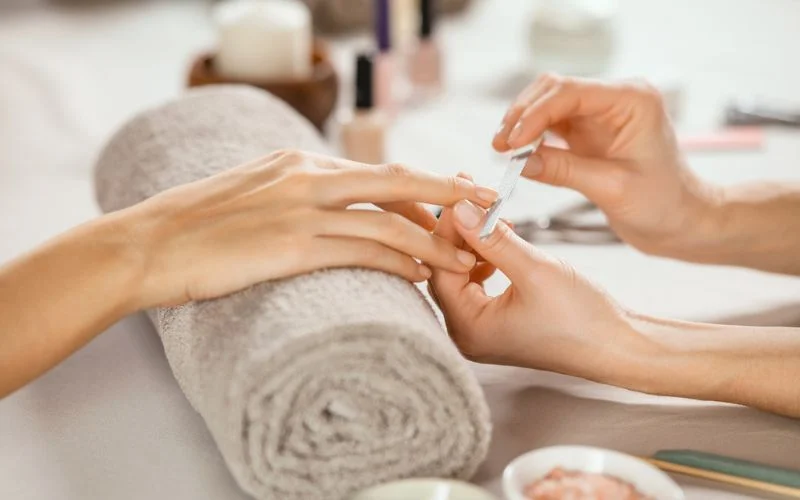
Ridges in nails can be a common and frustrating problem for many people. These ridges can appear as vertical lines or horizontal bumps on the surface of the nails. While they may seem minor cosmetic issues, they can indicate underlying health problems or nutritional deficiencies.
One of the main causes of ridges in nails is aging. Our nails become more brittle and prone to developing piles as we age. This is because the production of collagen and keratin, which are essential for nail health, decreases with age. Additionally, the natural process of cell turnover slows down, leading to a buildup of dead cells on the nail bed, resulting in ridges.
Another common cause of ridges in nails is trauma or injury. If you frequently use your nails as tools or habitually bite your nails, you may be more prone to developing banks. Repeated trauma to the nail bed can disrupt the growth of new cells, forming piles.
Certain medical conditions can also cause ridges in nails. Conditions such as psoriasis, eczema, and thyroid disorders can affect the nails’ health and result in ridges’ development. Additionally, nutritional deficiencies, particularly in vitamins A, C, and B, can contribute to the formation of piles.
In conclusion, ridges in nails can have various causes, including aging, trauma, medical conditions, and nutritional deficiencies. If you notice ridges in your nails, paying attention to your overall health and considering any potential underlying issues is important. Consulting with a dermatologist or healthcare professional can help determine the cause of the ridges and provide appropriate treatment options.
How to moisturize dry cuticles
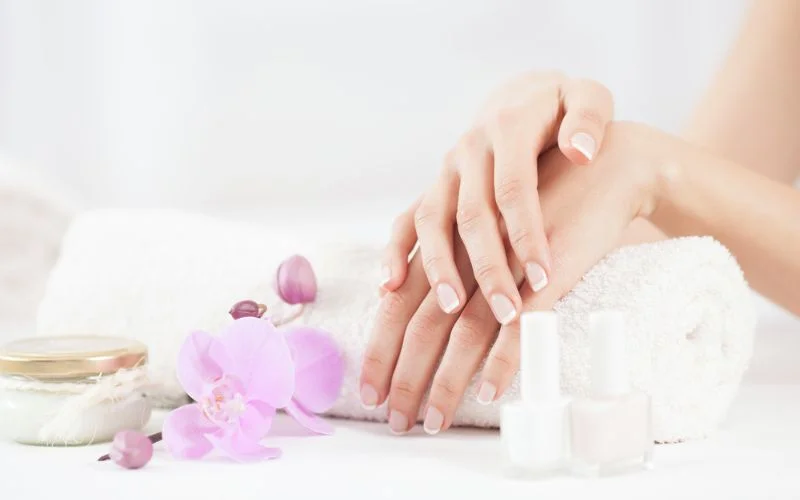
Dry cuticles can be a common problem for many people, causing discomfort and making your nails look less attractive. Luckily, there are several simple and effective ways to moisturize your cuticles and keep them healthy. By following these tips, you can say goodbye to dry cuticles and hello to beautiful, well-nourished nails.
Natural oils are one of the easiest ways to moisturize dry cuticles. Olive oil, coconut oil, and argan oil are all great options. Simply warm up a small amount of oil and massage it into your cuticles. This will help to hydrate and nourish the skin, leaving your cuticles soft and supple.
Another effective method is to use a cuticle cream or balm. These products are specially formulated to provide intense hydration to the cuticles. Look for ingredients like shea butter, vitamin E, and jojoba oil, as these are known for their moisturizing properties. Apply the cream or balm to your cuticles and massage it gently. For best results, use it daily before bedtime.
Regularly exfoliating your cuticles can also help to moisturize them. Use a gentle exfoliating scrub or a soft toothbrush to gently remove dead skin cells and stimulate blood circulation. This will promote healthy nail growth and prevent dryness.
In addition to these methods, it’s important to keep your hands and nails well-hydrated throughout the day. Drink plenty of water and use hand cream regularly to keep your skin moisturized from the inside out.
Following these simple tips, you can effectively moisturize your dry cuticles and achieve healthier, more beautiful nails. Remember to be consistent with your routine, and you’ll soon notice a significant improvement in the condition of your cuticles.
Conclusion
The importance of understanding and addressing common nail problems cannot be overstated. Our nails are not only a reflection of our overall health but also an important aspect of our appearance. Following the tips and solutions in this post can achieve healthier, stronger, and more beautiful nails.
To treat brittle nails, keeping them hydrated and avoiding harsh chemicals is essential. Regularly moisturizing your nails and cuticles with nourishing oils or creams can help prevent breakage and brittleness. Similarly, protecting your nails from excessive moisture and trauma can help prevent nail breakage.
Weak nails can be strengthened by incorporating a balanced diet rich in vitamins and minerals, such as biotin, iron, and zinc. Regularly moisturizing your nails and avoiding excessive filing or buffing can help improve their strength and resilience.
Nail fungus is a common problem that can be treated with over-the-counter or prescription medications. Keeping your nails clean and dry and avoiding sharing personal items to prevent spreading fungal infections is important.
Preventing ingrown toenails involves proper nail-trimming techniques, wearing comfortable shoes, and maintaining good foot hygiene. If you experience persistent or severe ingrown toenails, it is advisable to seek professional help.
Aging, nutritional deficiencies, or certain medical conditions can cause nail ridges. Ensuring a balanced diet and addressing any underlying health issues can help improve the appearance of bumps.
Thank you for taking the time to read this post. We hope the information provided has helped address your common nail problems. Please feel free to leave any comments or feedback; we value your input.

