

Have you ever wondered about the intricate process of toenail regrowth? The stages of toenail growing back are a fascinating journey many overlook. Each step plays a crucial role in the regeneration process, from the initial trauma or damage to the gradual renewal of the nail.
As the body’s natural response to injury, toenail regrowth follows a series of distinct stages. It begins with forming new tissue at the base of the nail bed, signaling the start of the renewal process. Over time, the nail plate develops, gradually pushing out the damaged or detached nail.
During this period, it is essential to provide proper care and attention to the growing nail. Maintaining good hygiene, wearing comfortable footwear, and avoiding further trauma are key factors in ensuring a healthy and successful regrowth process. By understanding the stages of toenail growing back, you can better appreciate the body’s remarkable ability to heal and regenerate.
In the following sections, we will delve deeper into each stage of toenail regrowth, exploring the intricacies of nail anatomy, the role of nutrition in nail health, and practical tips for promoting optimal regrowth. Join us on this enlightening journey through the stages of toenail growing back and discover the beauty of natural renewal.
How Long Does it Take for a Toenail to Grow Back?
Regarding the stages of toenail growing back, it’s important to understand that the process can vary from person to person. On average, a toenail can take 6 months to a year to fully grow. This timeline can be influenced by factors such as age, overall health, and the extent of the injury or damage to the nail.
The first stage of toenail growth begins with the nail bed repairing itself after the trauma or injury that caused the nail to fall off. During this time, the nail bed may appear red or swollen as it regenerates new tissue. As the new nail grows, it may initially be thin and fragile.
In the following months, the nail will grow, gradually thickening and strengthening. Good nail care during this time promotes healthy growth and prevents potential infections. Keeping the nail clean and trimmed can help aid in the regrowth process.
As the nail reaches its full length, it should appear normal and healthy. However, patience is essential throughout the process, as toenail growth can be slow and gradual. Remember to consult a healthcare professional if you have concerns about your toenail regrowth.
What are the Stages of Toenail Growing Back?
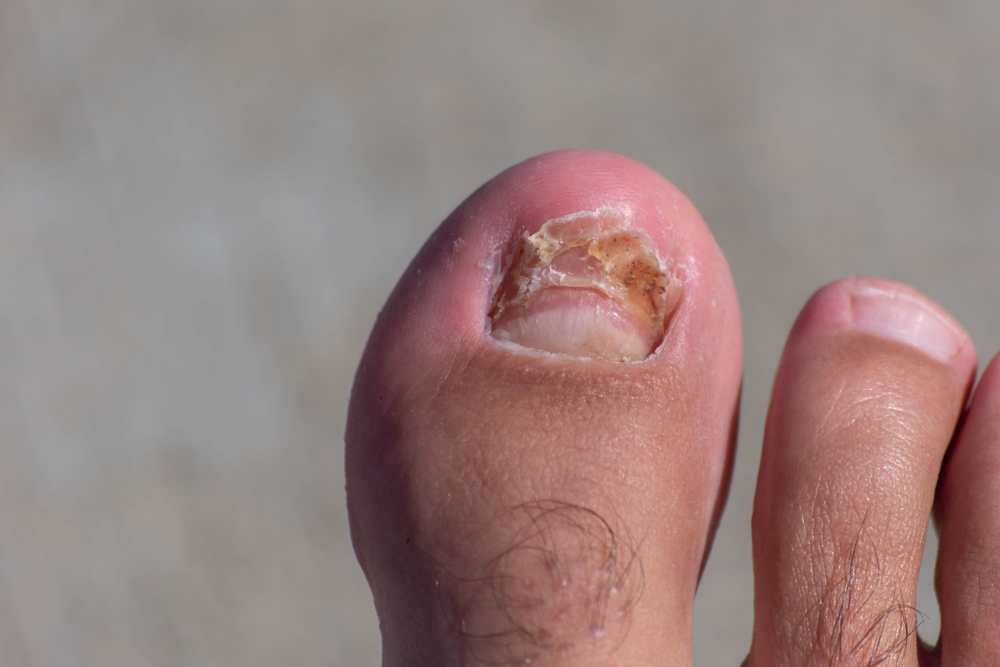
Toenail growth is a fascinating process that occurs in several distinct stages. Understanding these stages can help you better care for your toenails and ensure they grow back healthy and strong.
The first stage of toenail growth is the initial formation of the nail plate. This process begins at the base of the nail bed, where new cells rapidly multiply and harden to form the hard surface of the nail. As the nail plate grows, it pushes the older nail cells forward, eventually causing the nail to extend beyond the toe tip.
Once the nail plate has fully formed, the next stage of toenail growth begins. The nail plate thickens and strengthens during this stage, becoming more resilient to damage. The nail may also appear slightly translucent as it continues to grow.
The final stage of toenail growth is when the nail plate reaches its maximum length and thickness. At this point, the nail may appear opaque and fully developed. It is essential to continue proper nail care during this stage to maintain the health and appearance of your toenails.
By understanding the stages of toenail growth, you can better appreciate the intricate process your nails undergo to grow back after damage or injury. Remember to practice good nail hygiene and care to keep your toenails healthy and strong.
How to Care for a Growing Toenail?
Proper care is essential for healthy and strong nails in the stages of toenail growing back. As a toenail begins to grow back after an injury or infection, keeping it clean and protected is important to prevent further damage.
Keeping the nail bed clean and dry during the initial stages of toenail growth is crucial. This helps prevent potential infections and promotes healthy nail growth. Regularly washing the feet with mild soap and water can help keep bacteria at bay.
As the toenail grows, it is important to trim it regularly to prevent ingrown nails. Trim the nail straight across and avoid cutting the corners too short. This can help to prevent painful ingrown nails and promote proper nail growth.
Moisturizing the feet and nails is also important during the stages of toenail growth. Applying a moisturizer to the nails and surrounding skin can help to keep them hydrated and prevent dryness and cracking.
In addition to proper hygiene and nail care, wearing comfortable and properly fitting shoes can also aid in the growth of healthy toenails. Avoid tight shoes that pressure the toes and nails, leading to discomfort and potential nail damage.
Following these tips and properly caring for your growing toenails can promote healthy nail growth and prevent potential issues.
Can Toenails Grow Back Thicker or Thinner?
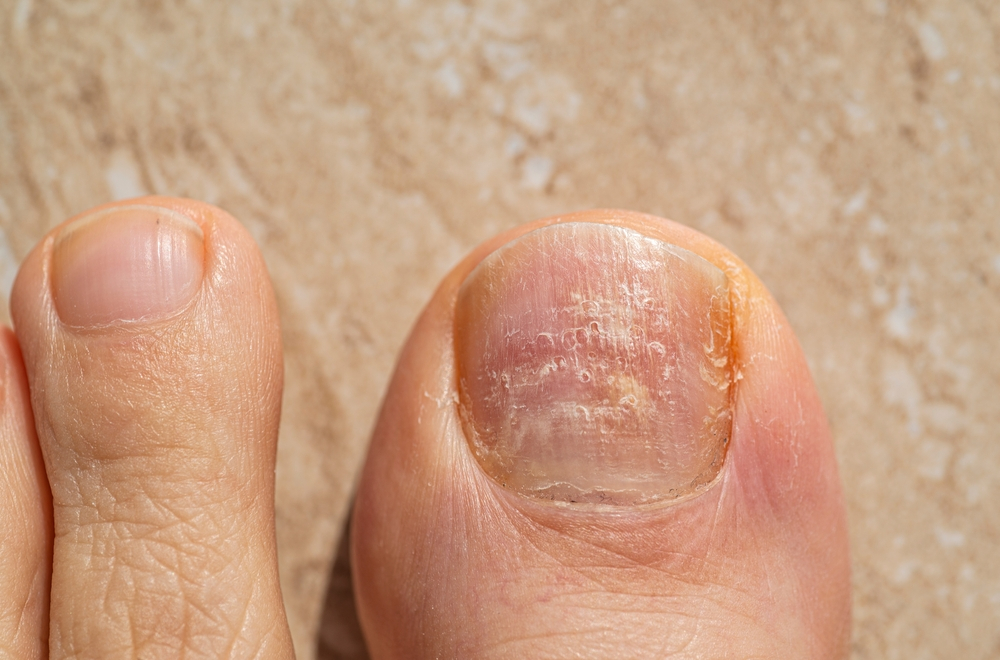
Toenails are a fascinating part of our bodies that serve functional and aesthetic purposes. When a toenail is damaged or falls off, many people wonder whether it will grow back thicker or thinner than before. The truth is that the thickness of a toenail typically remains consistent throughout its growth cycle.
During the initial stages of toenail regrowth, the new nail may appear thinner than the original nail. This is because the nail matrix, which produces new nail cells, needs time to regenerate and thicken the nail fully. As the nail grows, it will gradually increase in thickness until it reaches its normal size.
On the other hand, some individuals may experience thicker toenail growth due to various factors such as genetics, age, or underlying health conditions. In these cases, the toenail may appear thicker than usual during regrowth. However, this thickness is usually temporary and will eventually normalize as the nail matures.
It’s important to note that the thickness of a toenail is largely determined by genetics and individual differences. While some people may notice slight variations in thickness during the regrowth process, the overall thickness of the nail should remain relatively consistent. If you have concerns about the thickness of your toenails, it’s always best to consult a healthcare professional for personalized advice and guidance.
Why Does a Toenail Sometimes Grow Back Irregularly?
When a toenail is lost or damaged, regrowth can sometimes result in an irregular appearance. This can be due to various factors impacting the stages of toenail growing back.
One common reason for irregular toenail growth is trauma to the nail bed. When the nail bed is injured, it can disrupt the normal growth pattern of the nail, leading to abnormalities in shape and texture. Sometimes, the nail may grow thicker or thinner than before or develop ridges or bumps.
Another factor that can affect the regrowth of a toenail is fungal infection. Fungal infections can cause the nail to become discolored, brittle, and thickened. In severe cases, the nail may even detach from the nail bed, leading to irregular growth as it regenerates.
Additionally, certain medical conditions, such as psoriasis or thyroid disorders, can impact the health of the nail and result in irregular growth patterns. Poor circulation or nutritional deficiencies can also affect the appearance of the toenail as it grows back.
Understanding the stages of toenail regrowth and the potential factors influencing it can help individuals better manage any irregularities they may experience. Addressing underlying issues and practicing good nail care can promote healthy and uniform toenail growth.
Is it Normal for a Toenail to Grow Back Discolored?
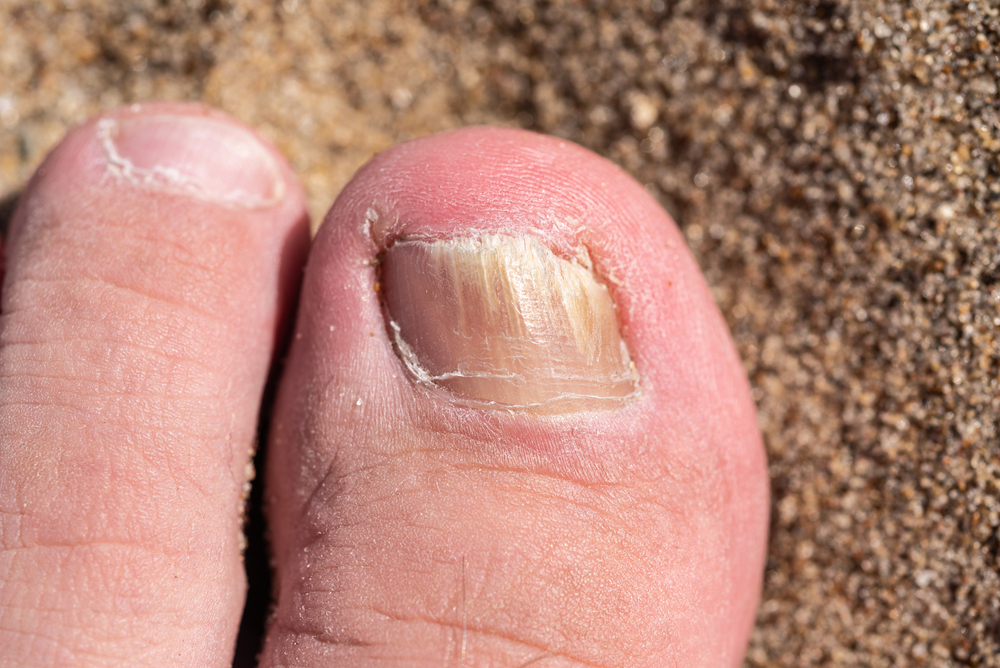
When it comes to the stages of toenail growth, one common concern many individuals have is whether it is normal for a toenail to grow back discolored. While discoloration of a newly growing toenail can cause alarm for some, it is quite common and usually nothing to worry about.
During the initial stages of toenail regrowth, the nail bed may appear red or pink as new tissue forms underneath. This can give the illusion of discoloration, but it is a natural part of the healing process. As the toenail grows, it may also appear yellow or white, attributed to various factors such as trauma, fungal infections, or genetics.
It is important to remember that toenail regrowth is a gradual process, and the nail’s appearance can change over time. As the nail grows out, any discoloration or abnormalities should gradually improve. However, if you notice any significant changes in the nail’s color, texture, or thickness, it is always best to consult a healthcare professional for further evaluation.
While it is normal for a toenail to grow back discolored, it is important to monitor any changes and seek medical advice if necessary. Understanding the stages of toenail regrowth and knowing what to expect can ensure your nail health is on track.
Can Toenails Grow Back After Being Completely Removed?
Toenails are crucial to our body, protecting the sensitive nail bed underneath. But what happens when a toenail is completely removed? Many people wonder if toenails can grow back after such trauma. The good news is that toenails can regrow, even after being completely removed.
The process of toenail regrowth can vary from person to person, but it generally follows a similar pattern. After a toenail is removed, the nail bed starts to heal and produce a new nail plate. This new nail plate typically grows within a few weeks to a few months, depending on the individual’s healing process.
As the new nail plate grows, it may appear slightly different in texture or color compared to the original nail. This is normal and should not cause concern. Over time, the new nail will continue growing and eventually replace the old one completely.
It’s important to note that proper care and maintenance of the nail bed during the regrowth process is essential. Keeping the area clean and protected can help promote healthy nail growth and prevent complications.
While it may take some time, toenails can grow back after being completely removed. So, if you lose a toenail, rest assured that with patience and proper care, a new nail will eventually take its place.
When Should I See a Doctor about Toenail Growth?

As your toenail starts to grow back after an injury or infection, it is important to monitor its progress closely. While most cases of toenail regrowth follow a natural and healthy process, certain signs indicate that you should seek medical attention.
One of the first stages of toenail regrowth is forming a new nail bed underneath the existing nail. Depending on the individual’s healing process, this can take several weeks to months. During this time, it’s normal to experience some discomfort or sensitivity in the affected area.
As the new nail begins to emerge, you may notice changes in color or texture. While minor irregularities are common, significant discoloration, thickening, or deformities could be signs of an underlying issue that requires medical intervention.
If you experience persistent pain, swelling, redness, or discharge around the toenail, it’s crucial to consult a healthcare professional. These symptoms could indicate an infection or other complications that must be addressed promptly.
Additionally, if your toenail fails to grow back within a reasonable timeframe or has a history of recurring nail problems, it’s advisable to seek guidance from a podiatrist or dermatologist. They can assess the situation, provide treatment recommendations, and ensure the proper care of your toenail during its regrowth process.
Conclusion
In conclusion, the stages of toenail growing back are a natural process that can vary in length and appearance. Understanding the key points covered in this post, from the time it takes for a toenail to grow back to the potential irregularities and discoloration that may occur, is essential for proper care and maintenance.
It is important to care for a growing toenail by keeping it clean and trimmed, avoiding injury, and wearing proper footwear. Additionally, being aware of any changes in thickness, texture, or color can help identify potential issues early on. If a toenail grows back irregularly or discolored, it may indicate an underlying problem requiring medical attention.
While toenails can grow back after being completely removed, proper care instructions are crucial to ensure healthy regrowth. Future advancements in medical technology and treatments may offer new solutions for toenail growth issues.
Thank you for reading this post. Your feedback and comments are valuable, so please feel free to share your thoughts or ask any questions. Remember to prioritize your foot health and seek professional help if needed.
Supporting Article
Nail Care During the Regrowth Process

