
You might have heard that bleach can help treat toenail fungus, but is this a safe and effective option? While some people swear by using diluted bleach solutions, healthcare professionals often advise against it due to potential skin irritation and the limited antifungal properties of bleach. So, what makes bleach such a controversial choice? Before you consider reaching for that bottle, it’s important to weigh the risks and benefits. Other proven treatments are available, and understanding them could make a significant difference in your approach to tackling toenail fungus.
Key Takeaways
- Bleach has limited antifungal properties and is not a primary treatment for toenail fungus.
- Healthcare professionals do not recommend using bleach for toenail fungus due to potential skin irritation and damage.
- Diluted bleach solutions may offer mild effects but are not guaranteed to cure toenail fungus.
- Over-the-counter antifungal creams and prescription medications are safer and more effective alternatives.
- Consult a healthcare provider for a proper diagnosis and treatment plan for toenail fungus.
Understanding Toenail Fungus
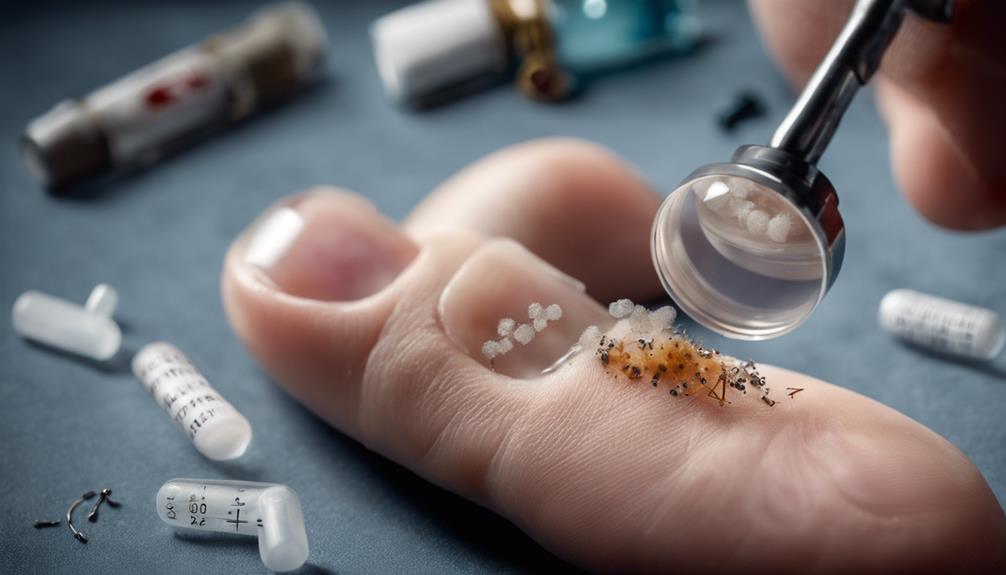
Toenail fungus is a common condition that causes nails to become discolored, thick, and brittle. This fungal nail infection can be quite stubborn and challenging to treat. It often requires a professional medical approach to effectively manage and eradicate it. While several treatments are available, it’s crucial to understand which ones are truly effective.
For instance, the treatment of fungal nail infections may involve options such as antifungal medications, either oral or topical. Some people consider using home remedies like diluted bleach, but it’s worth mentioning that bleach isn’t a recommended treatment for toenail fungus. Its efficacy is limited, and it could potentially damage your skin and nails.
In contrast, medical treatments like nail fungus laser therapy have shown promise. This method uses focused light to penetrate the nail and destroy the fungus without harming the surrounding tissue. It’s an effective toenail treatment option for those seeking professional help.
To achieve the best results, consult a healthcare provider for a proper diagnosis and treatment plan. This way, you can be certain that you’re using safe and effective methods to combat your fungal nail infection.
How Bleach Works
Bleach works by oxidizing and breaking down the cell walls of pathogens, effectively disinfecting surfaces. This powerful chemical reaction can kill various bacteria, viruses, and fungi. However, bleach’s antifungal properties are limited to toenail fungus. While it might seem like a quick fix, its effectiveness is questionable.
When you use bleach on your skin, there’s a significant risk it could irritate, especially if it’s not properly diluted. Bleach is a strong chemical; applying it directly to your toenail or surrounding skin can lead to burning, redness, and even more serious skin damage. This is why healthcare professionals don’t recommend bleach as a primary treatment for toenail fungus.
If you’re considering using bleach, you must dilute it properly to reduce the risk of irritation. But even with dilution, its antifungal properties mightn’t be insufficient to treat the toenail fungus fully. The Peoples Pharmacy advises caution and suggests seeking medical guidance before using bleach for this purpose.
Bleach and Antifungal Properties
Understanding bleach’s antifungal properties can help you evaluate its potential use in treating toenail fungus. Bleach is a common household disinfectant for killing various microorganisms, including fungi.
When it comes to nail fungus, some people turn to diluted bleach solutions as a home remedy. The idea is that bleach’s antifungal properties might help eliminate the fungus causing your nail issues.
However, while bleach can effectively kill fungus on surfaces, it’s important to know that nails are much harder for the solution to penetrate. This means that even though bleach can potentially kill the fungus, it may not reach deep enough into the nail to be entirely effective.
In addition, using bleach on your toenails can lead to skin irritation. The strong chemical can cause damage to the surrounding skin if not used appropriately.
Hence, exercise caution if you use dilute bleach as a home remedy for nail fungus. Ensure the solution is properly diluted and avoid prolonged exposure to prevent skin irritation. While bleach has benefits, weighing its effectiveness against potential drawbacks is essential.
Risks of Using Bleach
Using bleach to treat toenail fungus can pose several significant risks. While bleach is common, applying it to your skin, especially in sensitive areas like your toenails, can lead to serious problems. One of the main risks is skin irritation. Bleach is a harsh chemical, and direct contact can cause redness, itching, and a burning sensation. If you experience these symptoms, rinse the affected area with water for at least 10 minutes and seek medical advice if the irritation persists.
Another risk is potential damage to your skin and nails. Incorrect use of bleach can worsen your condition, leading to further complications. The People’s Pharmacy advises against using bleach for toenail fungus without a prescription from a healthcare provider. Nurses sometimes use diluted bleach solutions for wound care, but even these can irritate sensitive individuals.
Additionally, bleach should never be neutralized at home if it contacts your skin. Attempting to do so might exacerbate the problem. Instead, focus on thorough rinsing and getting medical attention if necessary.
Always weigh the potential risks before considering bleach as a treatment for toenail fungus.
Effectiveness of Bleach
When considering bleach for toenail fungus, you’ll find its effectiveness is quite limited. Despite its strong disinfecting properties, bleach isn’t a reliable at-home treatment for this condition. The main issue is that bleach struggles to penetrate the nail and effectively reach the fungal infection even when diluted. This limitation greatly reduces its overall effectiveness in treating toenail fungus.
In addition, bleach can cause skin and nail damage if not used correctly. Concentrated bleach is particularly harmful, potentially leading to irritation or burns. Even diluted bleach baths, some might recommend, offer only mild effects at best and don’t guarantee a cure. Here’s a quick comparison to highlight the pros and cons:
| Pros of Using Bleach | Cons of Using Bleach |
|---|---|
| Easily accessible | Limited effectiveness |
| Inexpensive | Can cause skin irritation |
| Strong disinfectant | It may not penetrate the nail |
| Simple to use | Potential for nail damage |
| Quick preparation | Not recommended by healthcare providers |
Given these factors, bleach’s effectiveness as a treatment for toenail fungus is questionable. It’s always best to consult a healthcare provider for more effective and safer treatment options.
Alternative Home Remedies
While bleach might fail to treat toenail fungus, several alternative home remedies could offer more promising results. These natural treatments have varying degrees of effectiveness, and it’s essential to consult with a healthcare provider before starting any new regimen.
Here are a few popular options that you might find helpful:
- Vicks VapoRub: This common household ointment can be applied daily to the affected nail. Thanks to its active ingredients like camphor and eucalyptus oil, some users report significant improvement over time.
- Tea Tree Oil: Known for its antifungal properties, tea tree oil can be applied twice daily to the infected area. However, be cautious, as it may cause skin irritation in some individuals. Diluting it with a carrier oil like coconut oil can help reduce this risk.
- Vinegar Soak: A simple vinegar soak involves submerging your feet in one part vinegar and two parts warm water for up to 20 minutes daily. This remedy can help create an acidic environment that hinders fungal growth.
Other options include olive leaf extract, which can be taken in capsule form one to three times daily. Remember, while these home remedies might provide relief, professional medical treatment is often necessary for more severe cases.
Medical Treatments
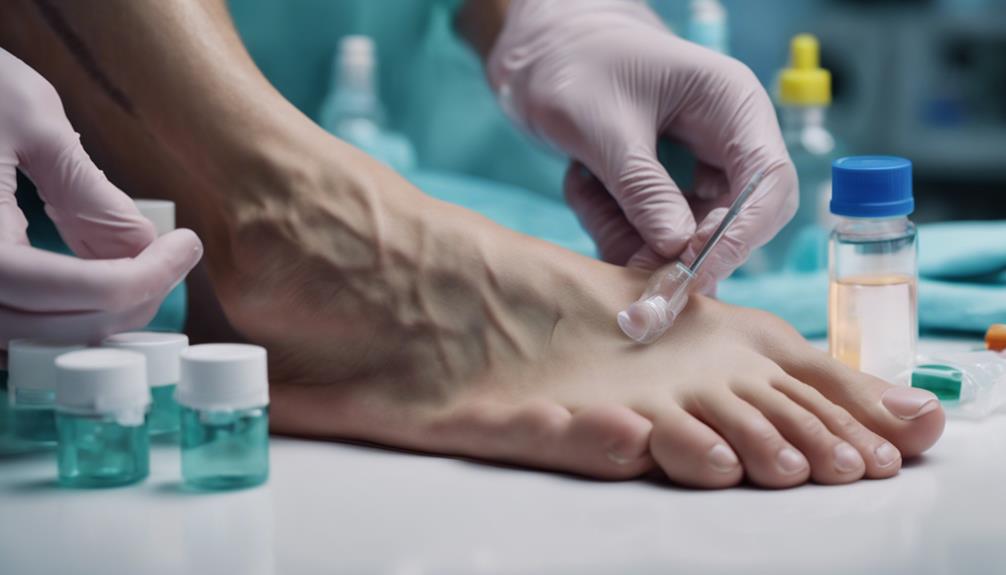
You’ll find various options when considering medical treatments for toenail fungus. Prescription antifungal medications and over-the-counter medicines are commonly used. Oral pills and topical creams are typical choices, but they have associated challenges and potential side effects.
Laser treatment is an option for a more advanced and efficient solution. This method provides a painless and effective alternative to traditional treatments, with noticeable improvements often visible within a few months.
Prescription Antifungal Medications
Prescription antifungal medications, whether oral or topical, are the primary treatment for toenail fungus. While some might consider using bleach as a home remedy, medical treatments are generally more effective and safer. Prescription antifungal medications target the fungal infection directly, offering a more reliable path to recovery.
Here’s what you need to know:
- Oral Antifungal Pills: These are highly effective but can have side effects. For instance, they may cause liver damage, so you’ll need regular blood tests to monitor your liver function.
- Topical Treatments are applied directly to the infected nail. They typically have fewer side effects than oral medications but may take longer to show results.
- Combination Therapy: Sometimes, doctors recommend oral and topical treatments to increase the likelihood of clearing the infection.
Unlike bleach, which can be harsh and potentially damaging, these prescription antifungal medications are specifically designed to treat toenail fungus. However, always consult your healthcare provider to discuss the best treatment option, as each case can be unique. Side effects are important to consider, so professional guidance is essential.
Over-the-Counter Options
Over-the-counter options like antifungal creams and ointments are readily available if you’re looking for less intensive treatments than prescription medications. These topical treatments can be a vital first step in addressing toenail fungus. Popular choices include Lotrimin and Lamisil, which are well-known antifungal products. They come in various forms, such as creams, ointments, and solutions, making them easy to apply directly to the affected area.
While bleach is sometimes suggested as a home remedy, it’s not recommended due to potential skin irritation and lack of efficacy. Instead, over-the-counter antifungal treatments are a safer and more effective alternative. However, it’s important to remember that these treatments may take longer to show results compared to prescription medications, and consistency is key.
Before starting any over-the-counter treatment, please consult a healthcare provider to ensure it suits your condition. It is particularly critical if the toenail fungus is severe or persistent. In such cases, you might need stronger, prescription-strength antifungal medications to eradicate the infection effectively.
Laser Treatment Efficacy
Laser treatment for toenail fungus frequently offers a promising solution. This approach uses FDA-approved pulsed light waves to target the infection, penetrate the nail, and destroy the fungus without damaging the surrounding tissue.
However, the efficacy of laser treatment hinges greatly on the expertise of the podiatrist and technician performing the procedure.
When considering laser treatment for your toenail fungus, keep in mind the following points:
- Expertise Matters: The success of the treatment largely depends on the podiatrist’s and technician’s knowledge and skill. A well-trained professional can ensure that the laser effectively targets the fungus.
- Patience is Key: After laser treatment, it takes 6-12 months for the infected nail to grow out completely and be replaced by a healthy one.
- Follow-Up Care: Consistent follow-up appointments with your podiatrist are essential to monitor progress and prevent reinfection.
While laser treatment shows promise, it isn’t a quick fix. Its efficacy can vary, so patience is essential as your nail gradually heals.
Always consult a qualified podiatrist to discuss if this treatment is right for you and to secure the best possible outcome.
Preventing Toenail Fungus
Proper foot hygiene is essential for preventing toenail fungus. Fungal infections thrive in moist, warm environments, so keeping your feet clean and dry is important.
To prevent toenail fungus, start by washing your feet daily with soap and water, and don’t forget to dry them thoroughly, especially between the toes. Avoid walking barefoot in public places like communal showers or locker rooms, as these areas can be hotspots for fungal infections.
Changing your socks regularly is another effective way to prevent moisture buildup. Opt for breathable materials like cotton or moisture-wicking fabrics. Additionally, cleaning your personal showers and shower mats with bleach can help eliminate potential sources of fungal contamination.
Wearing properly fitted shoes that allow for good air circulation is also key. Tight, non-breathable footwear can create a damp environment where toenail fungus thrives. Make sure your shoes fit well, and consider rotating between pairs to allow them to dry out completely between uses.
Consulting a Healthcare Professional

Consulting a healthcare professional is crucial before using bleach to treat toenail fungus. While bleach might seem like a quick fix, it can cause severe skin irritation and other complications if not used correctly. Talking to a professional guarantees safe treatment options and helps prevent potential harm.
When you consult a healthcare professional, you can expect:
- Personalized Medical Guidance: They’ll evaluate your condition and recommend the best course of action tailored to your needs.
- Safe Treatment Options: Professionals can suggest more effective and safer alternatives to bleach, reducing the risk of skin irritation.
- Monitoring and Follow-Up: Ongoing medical supervision ensures that any treatment you undertake works effectively and allows for adjustments if necessary.
Using bleach without professional advice can lead to more harm than good. Dermatologists and podiatrists have the expertise to guide you through safe treatment options, minimizing risks and enhancing the chances of a full recovery. Always seek medical guidance before trying home remedies like bleach for fungal infections. This approach safeguards your health and ensures you’re on the right path to treating toenail fungus effectively.
Conclusion
To summarize, bleach is not recommended for treating toenail fungus due to its limited effectiveness and potential risks.
You’re better off exploring proven treatments like antifungal medications or laser therapy.
Always consult a healthcare professional for a proper diagnosis and guidance on the best treatment options.
Remember, taking preventive measures and seeking medical advice can safeguard you from complications and ensure a healthier approach to treating toenail fungus.
FAQs
1. Can I Put Bleach on My Toenail Fungus?
It would be best not to put bleach on your toenail fungus. Bleach application has safety concerns and limited effectiveness. Even with bleach dilution, potential risks include skin and nail damage. Consult a healthcare provider for proper treatment options instead.
2. What Kills Nail Fungus the Fastest?
Consider oral medications, antifungal creams, or laser treatments if you want to kill nail fungus quickly. Essential oils and some home remedies can also help, but they are slower. Always consult a doctor for the best treatment plan.
3. How to Get Rid of Toenail Fungus Permanently?
To permanently eliminate toenail fungus, combined oral medications, topical treatments, and laser therapy. Essential oils can also help. Remember lifestyle changes like good foot hygiene and avoiding shared nail tools.
4. Will Hydrogen Peroxide Cure Toenail Fungus?
Hydrogen peroxide has limited antifungal properties for toenail fungus. It’s not the safest option due to potential side effects like skin irritation. Proper application methods and treatment duration are unclear, so consult a podiatrist for effective treatment.

