

Have you ever noticed the color of your nail beds and wondered what it might reveal about your health? The intriguing phenomenon of purple nail beds has long been a topic of interest for medical professionals and curious individuals alike. From subtle shades of lavender to deep hues of violet, the color of your nail beds can provide valuable insights into your overall well-being.
Purple nail beds, also known as cyanosis, occur when there is a lack of oxygen in the blood or poor circulation in the body. This discoloration can signify various underlying health issues, including respiratory and heart conditions. Understanding the potential causes of purple nail beds is crucial for early detection and treatment of possible health concerns.
As we delve deeper into the world of purple nail beds, we will explore the intricate connection between nail health and overall wellness. By examining the different factors contributing to this unique phenomenon, we can better understand how our bodies function and the importance of noticing subtle changes in our appearance.
Join us on this fascinating journey as we uncover the mysteries of purple nail beds and discover the valuable insights they can provide into our health. Stay tuned for more in-depth discussions on related topics and practical tips for maintaining healthy nails and overall well-being.
Causes of Purple Nail Beds
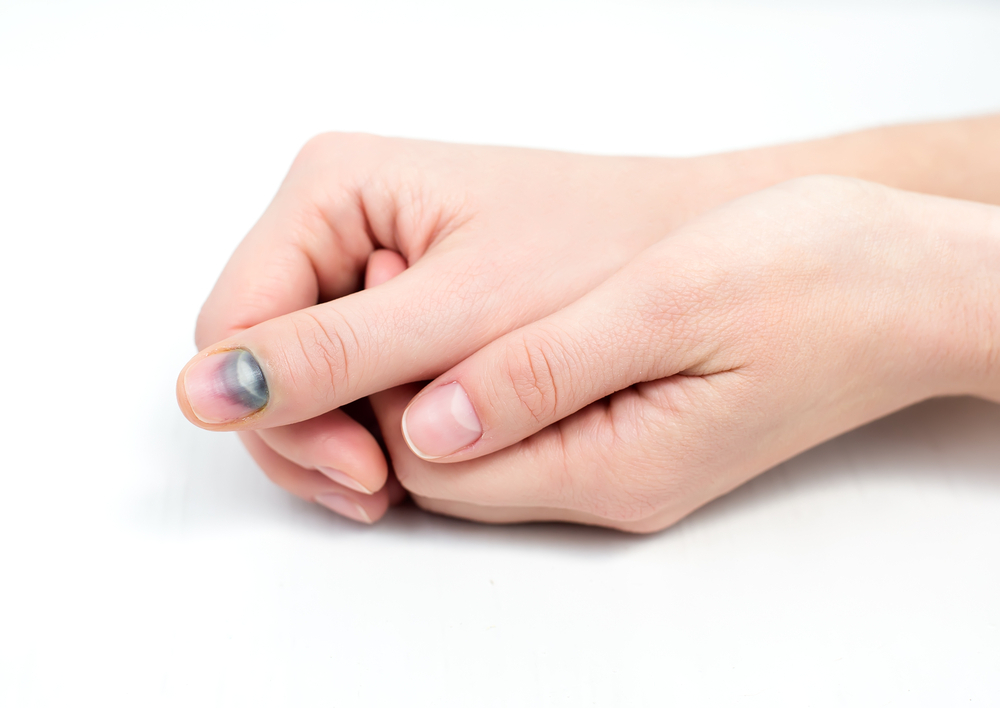
Purple nail beds, also known as cyanosis, can be a concerning symptom that may indicate an underlying health issue. There are several potential causes, ranging from minor to more serious conditions.
One common cause of purple nail beds is poor circulation. When blood flow to the fingers is restricted, the nails may take on a purple hue. This can be due to cold temperatures, smoking, or underlying health conditions such as peripheral artery disease.
Purple nail beds may sometimes indicate a lack of oxygen in the blood. Conditions such as asthma, emphysema, or heart failure can lead to decreased oxygen levels, resulting in cyanosis of the nails.
Another possible cause of purple nails is Raynaud’s disease, a condition that causes the blood vessels in the fingers and toes to constrict in response to cold or stress. This can lead to a bluish or purple discoloration of the nails.
In rare cases, purple nail beds may be a symptom of a more serious medical condition, such as lung disease, heart disease, or blood disorders. If you notice any persistent discoloration of the nails, it is important to consult a healthcare provider.
Purple nail beds can signify various health issues, ranging from minor to severe. It is essential to pay attention to any changes in nail color and seek medical advice if necessary.
Symptoms of Purple Nail Bed
Purple nail beds, also known as cyanosis, can be a concerning symptom that may indicate an underlying health issue. If your nail beds have turned purple, paying attention to any accompanying symptoms is essential.
One common cause of purple nail beds is poor circulation. When blood flow to the fingers is restricted, the nail beds may appear purple or blue. This can indicate conditions such as Raynaud’s or peripheral artery disease.
Sometimes, purple nail beds may be a symptom of a more serious medical condition, such as heart or lung disease. If you experience shortness of breath, chest pain, or dizziness along with purple nail beds, it is crucial to seek medical attention immediately.
Other possible causes of purple nail beds include low oxygen levels in the blood, exposure to cold temperatures, or certain medications. It is important to consult a healthcare provider to determine the underlying cause and receive appropriate treatment.
If you notice that your nail beds have turned purple, it is essential to monitor any accompanying symptoms and seek medical advice if necessary. By addressing the underlying cause of purple nail beds, you can ensure optimal health and well-being.
Treatment for Purple Nail Bed
Purple nail beds, also known as cyanosis, can be a concerning symptom that may indicate an underlying health issue. While it is essential to consult with a healthcare professional for an accurate diagnosis and treatment plan, some general strategies can help improve the appearance of purple nail beds.
Poor circulation is one common cause of purple nail beds. Staying active and maintaining a healthy weight is essential to improving circulation to the fingers and toes. Regular exercise, such as walking or swimming, can help promote blood flow to the extremities and reduce the risk of cyanosis.
Purple nail beds may sometimes indicate anemia, characterized by a lack of red blood cells or hemoglobin. An iron-rich diet, such as leafy greens, lean meats, and beans, can help increase iron levels and improve overall blood circulation.
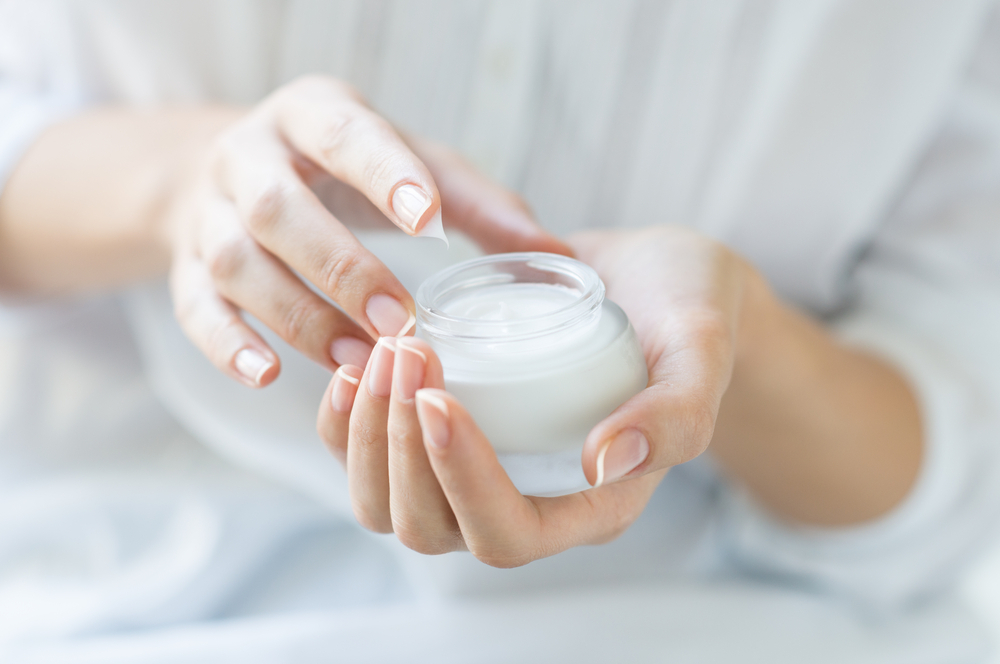
Keeping the nails and cuticles well-moisturized can also help prevent dryness and nails from cracking, contributing to the purple nail beds’ appearance. Using a gentle moisturizer regularly and avoiding harsh chemicals can help maintain healthy nails and reduce discoloration.
While these strategies can help improve the appearance of purple nail beds, it is crucial to address any underlying health issues that may be causing the symptoms. Consulting with a healthcare professional is the best way to determine the appropriate treatment plan for individual cases of cyanosis.
Prevention of Purple Nail Bed
Purple nail beds can indicate poor circulation, lack of oxygen, or underlying health issues. To prevent purple nail beds, it is essential to maintain good overall health and take proactive steps to improve circulation.
One way to prevent purple nail beds is to ensure you are staying active and getting regular exercise. Physical activity helps to improve blood flow and circulation, which can help avoid bed nail discoloration.
Additionally, it is crucial to maintain a healthy diet rich in nutrients that support circulation, such as foods high in antioxidants and vitamins. Berries, leafy greens, and citrus fruits can help improve blood flow and prevent purple nail beds.
Avoiding smoking and limiting alcohol consumption can also help prevent purple nail beds. Both smoking and excessive alcohol can hurt circulation, leading to discoloration of the nail beds.
Keeping your hands and feet warm in cold weather can also help prevent purple nail beds. Freezing temperatures can constrict blood vessels, leading to poor circulation and discoloration of the nails.
If you notice persistent discoloration of your nail beds, consult with a healthcare professional to rule out any underlying health issues. Taking proactive steps to improve circulation and maintain good overall health can help prevent purple nail beds and keep your nails looking healthy and vibrant.
Risk Factors for Purple Nail Bed

Purple nail beds can be a concerning symptom that may indicate underlying health issues. While there can be various causes for this discoloration, certain risk factors may increase the likelihood of developing purple nail beds.
One common risk factor is poor circulation. When blood flow to the fingers is restricted, it can result in a bluish or purple hue to the nail beds. This can be due to conditions like Raynaud’s or peripheral artery disease.
Another risk factor is trauma to the nail bed. Injuries such as crushing or slamming a finger can rupture blood vessels, leading to discoloration. Additionally, repetitive trauma from typing or playing sports can contribute.
Certain medical conditions can also increase the risk of developing purple nail beds. Conditions like lupus, scleroderma, or diabetes can affect blood flow and cause discoloration in the nail beds. Liver or kidney disease can also impact nail health and color.
Furthermore, exposure to harsh chemicals or toxins can be a risk factor. Chemicals in nail polish, cleaning products, or even medications can cause nail discoloration.
Understanding the risk factors for purple nail beds can help individuals identify potential underlying issues and seek appropriate medical attention. If you notice any changes in the color or appearance of your nail beds, it’s essential to consult with a healthcare professional.
Complications of Purple Nail Bed
It can indicate various underlying health issues that should not be ignored. One common complication associated with purple nail beds is poor circulation. When blood flow to the fingers is restricted, the nail beds may appear purple due to lack of oxygen. This can be caused by conditions such as Raynaud’s or peripheral artery disease.
Another complication of purple nail beds is cyanosis, characterized by bluish skin and mucous membrane discoloration. Cyanosis can signal oxygen deprivation in the blood caused by respiratory or cardiovascular problems. In severe cases, cyanosis can indicate a medical emergency and requires immediate attention.
Sometimes, purple nail beds may also be a symptom of an underlying infection. Bacterial or fungal infections can cause discoloration of the nail beds, leading to a purple hue. These infections can be painful and require medical treatment to prevent further complications.
Pay attention to changes in the color of your nail beds and seek medical advice if you notice persistent purple discoloration. While purple nail beds can sometimes be harmless, they can also be a warning sign of more serious health issues that require prompt intervention.
When should you see a doctor for a purple nail bed?
Purple nail beds can be a concerning symptom indicating an underlying health issue. While some cases may be harmless, it is important to know when to seek medical attention.
If you notice persistent discoloration, especially if the purple hue does not fade over time, it is recommended that you consult a healthcare professional. This could be a sign of poor circulation, a fungal infection, or even a more serious condition such as Raynaud’s disease or lupus.
In addition to the color of your nail beds, pay attention to any accompanying symptoms. If you experience pain, swelling, or changes in the texture of your nails, it is advisable to see a doctor promptly. These symptoms could indicate an infection or a more severe underlying issue.
Furthermore, if you have a history of heart disease, diabetes, or autoimmune disorders, you must be vigilant about changes in your nail beds. These conditions can increase the risk of complications related to nail health, making regular check-ups with a healthcare provider essential.
Early detection and treatment of potential health concerns can lead to better outcomes. Do not hesitate to seek medical advice if you have any doubts or concerns about the color or condition of your nail beds.
Home Remedies
It can indicate underlying health issues, such as poor circulation, lack of oxygen, or even nail trauma. While it is essential to consult a healthcare professional for a proper diagnosis and treatment, some home remedies can help alleviate the discoloration of your nail beds.
One common home remedy to soak your hands or feet in warm water with Epsom salts. Epsom salts can help improve blood circulation and reduce inflammation, which may help with discoloration. Another option is to apply a mixture of lemon juice and olive oil to your nail beds. Lemon juice is known for its natural bleaching properties, while olive oil can help moisturize and nourish the nails.
Massaging your nail beds with essential oils, such as lavender or tea tree oil, can help improve circulation and promote nail health. To support overall nail health, you can also try incorporating more foods rich in vitamins and minerals into your diet, such as leafy greens, nuts, and seeds.
Remember, these home remedies are not a substitute for professional medical advice. If you notice persistent discoloration of your nail beds, seeking guidance from a healthcare provider is essential. By taking care of your nails and addressing any underlying health issues, you can help improve the appearance of your purple nail beds.
Conclusion
In conclusion, understanding the causes, symptoms, treatment, prevention, risk factors, complications, when to see a doctor, and home remedies for purple nail beds is crucial for maintaining overall nail health. It can be a sign of underlying health issues, so it is important to pay attention to any changes in nail color.
To address this, it is essential to consult a healthcare professional for proper diagnosis and treatment. Home remedies such as keeping nails clean and moisturized can help prevent further discoloration. Additionally, avoiding trauma to the nails and maintaining a healthy diet rich in vitamins and minerals can promote nail health.
Advancements in healthcare and technology may lead to more effective treatments. It is important to stay informed and seek medical advice if you notice any concerning changes in nail color or texture.
Thank you for taking the time to read this post. Your nail health is important, so be proactive in caring for your nails and seek medical attention. We welcome any comments or feedback you may have on this topic.

