

When dealing with stubborn fungal infections, you might wonder how something as common as bleach can help. Bleach, specifically its active ingredient sodium hypochlorite, releases hypochlorous acid, which attacks fungal cell walls and membranes, leading to cell death. This process is surprisingly similar to your body’s natural defense mechanisms. However, it’s not just about pouring bleach on the infection—proper dilution and application are key to ensuring effectiveness and safety. Curious about the specifics of how to do this right and what precautions to take? There’s more to uncover about using bleach as an antifungal agent.
Key Takeaways
- Bleach releases hypochlorous acid (HOCl), disrupting fungal cell walls and membranes.
- Sodium hypochlorite in bleach mimics the body’s natural defense mechanism.
- Proper dilution of bleach ensures its potent antifungal properties are effective against infections.
- Bleach baths help reduce skin colonization and provide relief from symptoms.
- Regular diluted bleach can prevent the spread and recurrence of fungal infections.
Sodium Hypochlorite’s Role
Sodium hypochlorite, bleach’s active ingredient, disrupts fungal cell membranes, causing cell death. This makes it highly effective against various fungal pathogens, including Candida albicans. If you’re dealing with skin infections caused by fungi, sodium hypochlorite can be a powerful ally in your fight.
Breaking down these pathogens’ cell membranes, the fungi can’t survive or spread.
When using bleach to treat skin infections, it’s essential to follow the proper dilution guidelines. High levels of sodium hypochlorite can be harmful to your skin, so always follow recommended concentrations. Typically, a diluted solution is used to ensure it’s safe for application while still retaining its antifungal properties.
Regular and correct use of diluted bleach solutions can help prevent the spread and recurrence of these pesky infections. It’s not just about treating your current infection; it’s about creating an environment where fungi can’t thrive.
Mechanism of Action
Ever wonder how bleach destroys fungal infections at a microscopic level? When you apply household bleach to a fungal infection, the active compound, sodium hypochlorite, plays an important role. It releases hypochlorous acid (HOCl), a powerful antimicrobial agent. HOCl disrupts the structural integrity of fungal cell walls and membranes, destroying the fungal cells.
This process is similar to how your body’s immune system combats infections. Neutrophils, a type of white blood cell, produce HOCl to fight off fungal pathogens. Using household bleach mimics this natural defense mechanism on your skin or other surfaces where fungal infections might occur.
Proper dilution and application of bleach are essential for it to be effective. Too strong a solution can harm your skin or other materials, while too weak may not kill the fungi. When used correctly, bleach’s potent antifungal properties can help you combat those pesky infections, ensuring that fungal invaders don’t stand a chance.
Understanding this mechanism of action highlights why household bleach remains a popular choice for effectively and efficiently tackling fungal issues.
Types of Fungal Infections
You might encounter common fungal infections, such as athlete’s foot, ringworm, and yeast infections. These infections often show symptoms such as redness and itching.
Diagnosing these infections typically involves a quick examination from a healthcare provider. Treatment can range from over-the-counter creams to prescribed oral medications.
Common Fungal Infections
Fungal infections, such as athlete’s foot, ringworm, and yeast infections, commonly affect the skin, nails, and mucous membranes. These skin infections are not only irritating but also quite persistent if not treated properly.
An athlete’s foot, for example, typically targets the skin between your toes, causing itching, redness, and peeling. Despite its name, ringworm is a fungal infection that creates ring-shaped rashes on your skin, making it easy to identify. Yeast infections, often caused by the Candida species, can affect various parts of your body, including the mouth and genital areas.
Make sure you understand that different types of fungi cause these fungal infections. Dermatophytes, for instance, are mainly responsible for diseases like athlete’s foot and ringworm, while Candida species tend to cause yeast infections.
These infections can be quite bothersome, manifesting in symptoms of itching, redness, and sometimes even a burning sensation. Knowing the types of fungal infections you’re dealing with can help you seek the right treatment and manage the symptoms effectively.
Proper diagnosis and treatment are essential for getting rid of these infections and preventing them from recurring.
Symptoms and Diagnosis
Symptoms of fungal infections often include itching, redness, and swelling, making early diagnosis essential for effective treatment. Depending on the type, these infections can manifest as skin rashes, nail discoloration, or even respiratory issues. Common fungal infections, such as athlete’s foot, ringworm, and yeast infections, each present unique symptoms that should be identified swiftly to avoid complications.
Diagnosis involves laboratory tests like skin scrapings, blood tests, or imaging studies. These tests help pinpoint the specific type of fungal infection and its stage, ensuring you receive the most appropriate treatment options. Knowing the stage of the disease is critical for an accurate prognosis and can influence the effectiveness of the chosen treatment.
Understanding risk factors is important in both diagnosing and preventing fungal infections. A weakened immune system, poor hygiene, and certain medical conditions can increase susceptibility. Recognizing these risk factors allows for better prevention strategies, reducing the likelihood of recurrence.
Untreated fungal infections can cause severe complications, leading to chronic conditions or secondary infections. Early and accurate diagnosis not only aids in effective treatment but also improves your overall prognosis, helping you manage and overcome the infection promptly.
Treatment Options Available
Effective treatment options for fungal infections hinge on accurately identifying the type of fungus involved and selecting the most appropriate antifungal therapy. Depending on the type and severity of your infection, you have various treatment options to explore.
Home remedies and natural alternatives can be effective for mild infections. These might include:
- Tea tree oil: Known for its antifungal properties.
- Apple cider vinegar helps balance skin pH and fight fungi.
- Coconut oil: Contains caprylic acid, which disrupts fungal cells.
- Garlic: Has natural antifungal and antimicrobial qualities.
If you’re dealing with more persistent or severe infections, you might need to explore medical interventions. Over-the-counter antifungal creams and ointments can often tackle skin infections like athlete’s foot or jock itch. Oral antifungal medications prescribed by a healthcare provider may be necessary for more invasive fungal infections.
In cases where recurrent skin infections are problematic, incorporating practices like bleach baths can be beneficial. These help reduce skin colonization by pathogenic bacteria and provide temporary relief from inflammation and itching, especially in conditions like eczema.
Always consult a healthcare professional to determine the best course of action tailored to your needs.
Proper Dilution Methods
To guarantee bleach works effectively against fungal infections, you must meticulously follow the recommended dilution ratio of bleach to water. Dilution accuracy is essential; an incorrect mix can weaken the solution, making it ineffective or too strong, causing skin irritation or other adverse effects. Typically, an effective concentration involves mixing one part bleach with ten parts water. This ratio ensures that the bleach retains its antifungal properties while being safe for use on various surfaces.
Always prioritize safety measures when handling bleach. Wear gloves and ensure proper ventilation to minimize inhalation of fumes. Using too strong a solution risks damaging surfaces and poses health risks. Conversely, a solution that’s too weak won’t effectively combat fungal infections.
Measure your bleach and water precisely to maintain the desired concentration. Use a dedicated measuring cup and mix in a well-ventilated area. By adhering to these guidelines, you can maximize bleach’s antifungal properties while minimizing any risks. Remember, the proper dilution method is your first line of defense in treating fungal infections effectively and safely.
Application Techniques
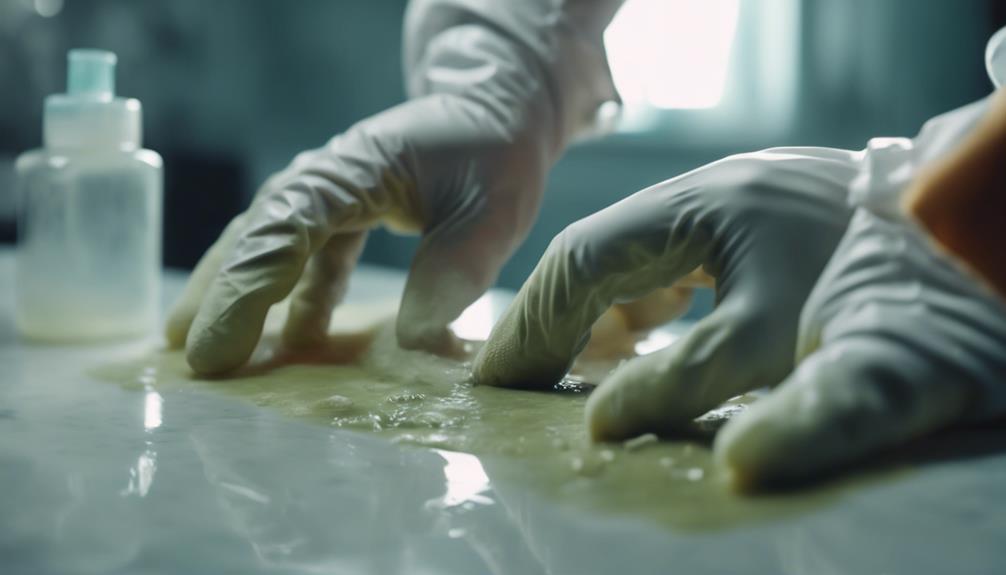
When applying diluted bleach for fungal infections, following specific techniques is crucial to guarantee effective treatment and safety. Start by preparing a bleach bath with the correct dilution. Generally, you mix about ½ cups of household bleach in a full-water bathtub.
Frequency recommendations suggest that bleach baths be taken 2-3 times per week, based on effectiveness studies showing that this frequency helps reduce fungal colonization.
Duration guidelines indicate you should soak for approximately 10-15 minutes. However, consider skin sensitivity considerations; if you experience any irritation, you might need to shorten the duration.
Consistency is key: Regularity in your treatment ensures better results.
Monitor your skin: Any signs of adverse reactions should prompt you to adjust the treatment.
Stay informed: Knowledge about potential risks can prevent complications.
Be patient: Fungal infections can be stubborn and require sustained effort.
Always remember the potential risks involved and the precautions to take. For instance, never use undiluted bleach directly on the skin, and avoid contact with eyes and mucous membranes. Adhering to these techniques enhances the likelihood of a successful outcome while minimizing harm.
Safety Precautions
When using bleach, ensure you’re in a well-ventilated area to avoid inhaling harmful fumes.
Always wear gloves and goggles to prevent skin and eye contact.
Following these precautions guarantees you can use bleach safely and effectively.
Proper Ventilation Importance
Proper ventilation is vital to prevent harmful bleach fumes from causing respiratory issues. The benefits of good ventilation can’t be overstated, especially when dealing with bleach. Without it, you’re exposing yourself to significant health risks. Adequate airflow is essential for dispersing fumes and ensuring respiratory protection.
When you use bleach to tackle fungal infections, safety precautions should include maximizing airflow in your workspace. This isn’t just about comfort; it’s about your health. Proper ventilation helps disperse toxic fumes, minimizing the risk of respiratory irritation or more severe lung issues.
Here are some steps you can take to guarantee proper ventilation:
- Open Windows: Allow fresh air to flow and dilute the bleach fumes.
- Use Fans: Position them to push air out of the room, enhancing fume dispersal.
- Ventilation Systems: Utilize built-in systems in enclosed spaces to maintain continuous airflow.
- Limit Exposure: Take breaks by stepping outside to breathe fresh air, reducing exposure time.
Protective Gear Necessity
Wearing protective gear like gloves, goggles, and masks is essential to safeguard your skin and eyes from bleach’s harsh chemicals. When dealing with bleach, using the proper equipment isn’t just a recommendation—it’s a necessity. The chemicals in bleach can cause severe skin irritation and eye damage if they come into direct contact with the skin.
To make sure you’re fully protected, here’s a quick reference guide:
| Protective Gear | Purpose |
|---|---|
| Gloves | Shield skin from irritation |
| Goggles | Prevent eye contact |
| Masks | Avoid inhaling fumes |
| Long sleeves | Protect arms from splashes |
| Ventilated area | Reduce fume inhalation |
Handling precautions are just as important. Always work in a well-ventilated area to minimize the health risks of bleach fumes, which can harm your respiratory system. Additionally, never mix bleach with other cleaning products, especially those containing ammonia, since it creates toxic fumes that can be deadly.
Potential Side Effects
Using bleach to treat fungal infections can lead to severe skin reactions for some people. If you have skin sensitivities or are prone to allergic reactions, using bleach mightn’t be the best option. The strong chemical nature of bleach can cause irritation or even chemical burns, especially if it’s not diluted properly. Safety concerns are significant, and precautions are needed to minimize risks.
You might experience:
- Painful chemical burns
- Intense skin irritation
- Unpredictable allergic reactions
- Significant skin damage
These potential side effects make it important to weigh the risks before opting for bleach as a treatment.
Always dilute the bleach solution appropriately and test it on a small patch of skin first. Wearing protective gloves and ensuring proper ventilation can also help mitigate some of the risks. However, individual reactions vary; what works for one person mightn’t work for you.
Consulting with a healthcare provider is highly recommended before you proceed with this treatment.
Alternative Treatments
When dealing with fungal infections, you have several alternative treatments to contemplate beyond bleach.
Over-the-counter antifungal creams can be effective and are easily accessible. These topical solutions often provide relief without the harsh side effects associated with bleach.
Herbal remedies are another option. Ingredients like tea tree oil, known for its antifungal properties, can be applied directly to the affected area. Essential oils, such as lavender and eucalyptus, also offer antifungal benefits and can be used in various forms, such as diluted in carrier oils or added to foot soaks.
Natural alternatives like vinegar and Epsom salt soaks can also help manage fungal infections. Vinegar’s acidic nature creates an environment hostile to fungi, while Epsom salts help soothe the skin and reduce inflammation. These methods can be particularly useful for individuals with sensitivities or allergies to bleach.
Remember that bleach has a short shelf life once opened, which can diminish its effectiveness. Exploring these alternative treatments provides you with more stable options and reduces the risk of severe skin reactions.
Conclusion
You’ve learned how bleach combats fungal infections by releasing hypochlorous acid, which disrupts fungal cell walls. When properly diluted and applied, it’s effective against athlete’s foot, ringworm, and yeast infections.
Remember, safety precautions are important to avoid side effects. While bleach is a powerful ally, don’t forget alternative treatments are available.
By following the right guidelines, you can effectively use bleach to promote skin health and prevent the recurrence of fungal infections.
FAQs
1. Does Bleach Kill Fungal Infections?
Yes, bleach kills fungal infections on surfaces. Household cleaners containing bleach are effective, but you must follow usage instructions to avoid bleach toxicity. If concerned, consider alternative treatments for a safer option.
2. Does Soaking Your Feet in Bleach Water Kill Toenail Fungus?
Yes, soaking your feet in bleach water can kill toenail fungus. Make sure the bleach concentration is properly diluted. Clean your feet first, and soak them for the recommended duration for effective results.
3. Can You Use Bleach as a Fungicide?
Yes, you can use bleach as a fungicide. Properly diluting bleach guarantees its safety. Effective application methods include wiping or spraying surfaces. Regular use can help prevent fungal resistance in household settings.
4. Does Bleach in Bath Water Help Fungal Infection?
Yes, bleach in bath water can help with fungal infections if you use the correct dilution ratio. Make sure you follow safety precautions to prevent skin irritation. Regular, properly diluted bleach baths can effectively reduce fungal colonization.

