
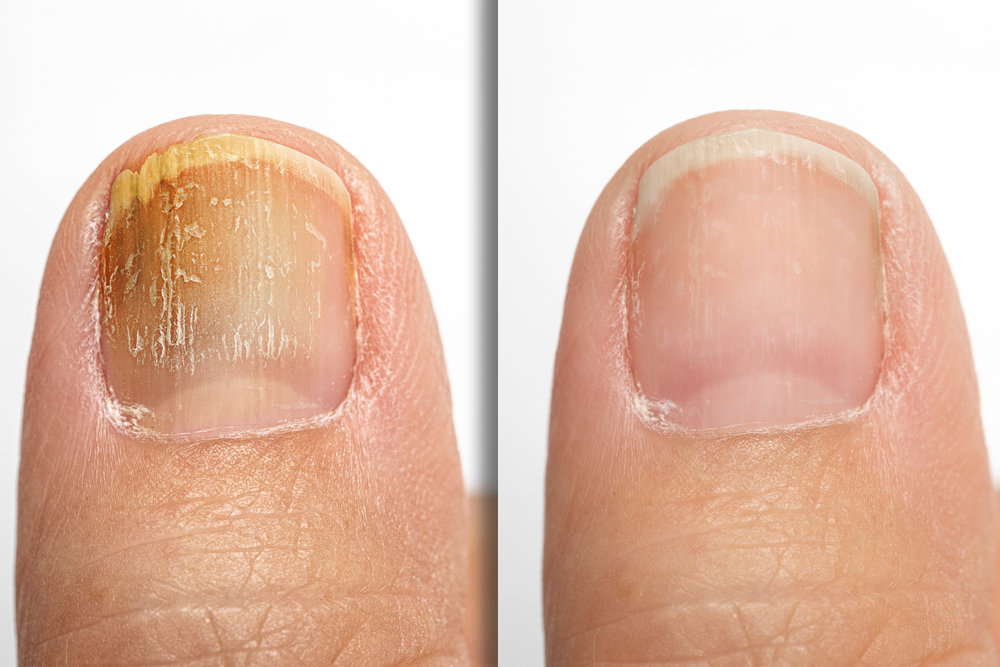
Indeed, applying acrylic nails can result in fingernail fungus formation. The reason behind this lies mainly in the confinement of moisture between the natural nail and the artificial overlay; any breaches in their seal may promote fungi thriving. Surprisingly, keeping acrylic nails for extended periods, particularly beyond three months, enhances this likelihood due to increased opportunity for moisture trapping. Watch out for unsightly changes on your nails – a symptom signaling fungal invasion. After trading usual manicures for acrylics, being keen on such changes becomes pivotal.
Acrylic nails can create a moist environment under the nail, which may promote the growth of fungi. This can lead to nail fungus, which causes discomfort and an unsightly appearance. To reduce the risk of fungal infections, it is essential to ensure the proper application of acrylic nails and practice good nail hygiene. If nail fungus occurs, seeking professional help for treatment options, such as over-the-counter fungicides or professional care, is advised.
How Do Acrylic Nails Cause Fingernail Fungus?

Acrylic nails have become a popular cosmetic choice, providing the illusion of longer, more durable nails.
Moisture Trapping
The adhesion of these artificial nails to the natural nail creates an environment conducive to fungal growth. Moisture can become trapped in the gap between the two types of nails, creating an ideal breeding ground for fungi and significantly raising the risk of developing a fungal nail infection.
Prolonged Wear
The prolonged wear of acrylic nails exacerbates this risk, especially when worn for 3 months or longer. Over time, the accumulation of moisture and debris compromises the integrity of the natural nail and increases the likelihood of fungal growth.
Warm and Moist Environment
The warm and moist environment under acrylic nails allows various fungi to thrive and multiply.
Improper Application and Maintenance
Improper application or infrequent maintenance of acrylic nails can further contribute to the risk of fungal infection. If the seal between the acrylic and natural nail is not well-maintained or compromised, it creates a gateway for moisture and fungal spores to penetrate and flourish. Consequently, individuals who fail to adhere to appropriate nail care practices are at an increased risk of developing fingernail fungus.
Consider this scenario: A person has acrylic nails applied and, due to hectic schedules, neglects regular cleaning or maintenance. Over time, unseen moisture becomes trapped within the space between their natural nail and the acrylic overlay, eventually leading to undesirable fungal growth.
Understanding these mechanisms by which acrylic nails can cause fingernail fungus emphasizes the importance of proper application and maintenance practices for those who opt for this cosmetic enhancement. Individuals need to be aware of these risks and take proactive measures to mitigate them so they can enjoy beautiful nails without compromising their health.
This insight into how acrylic nails foster nail fungus underscores the need for diligence in maintaining nail health. Moving forward, let’s explore symptoms that indicate the presence of fingernail fungus caused by acrylic nails.
Symptoms of Fingernail Fungus From Acrylic Nails
The onset of fingernail fungus from acrylic nails can manifest in several distinct ways, each signaling a departure from the usual healthy nail conditions, underscoring the importance of recognizing these early warning signs.
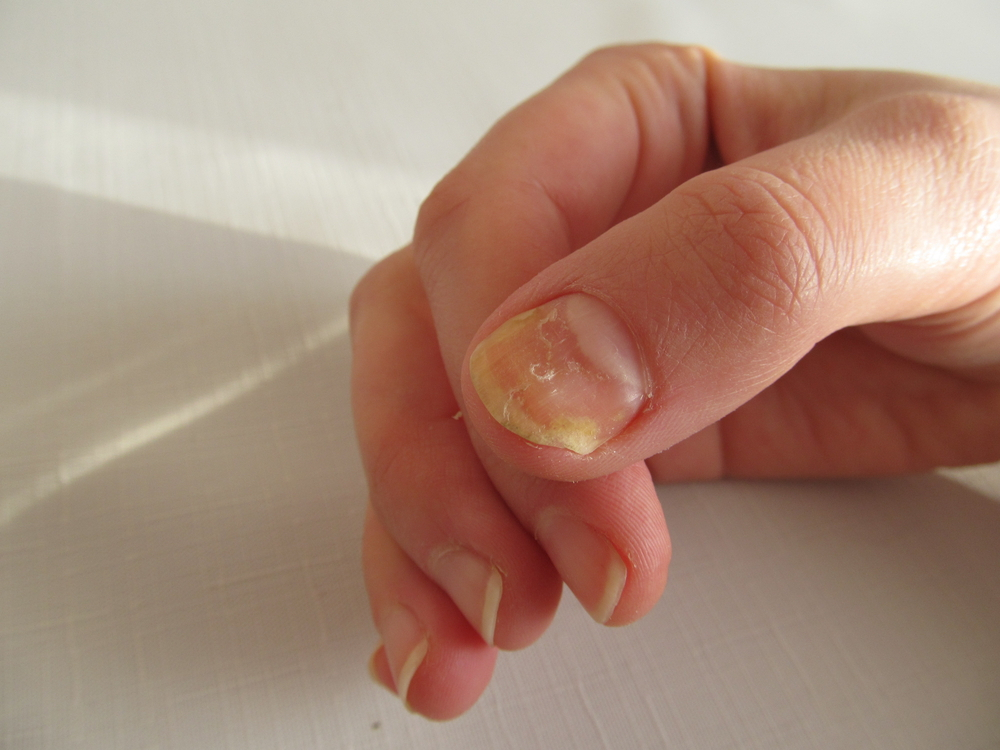
The discoloration is often among the earliest and most pronounced indicators of fingernail fungus. The natural nail bed might acquire a yellowish or greenish hue, signaling an underlying issue that demands attention.
In addition to discoloration, another prevalent symptom of fingernail fungus from acrylic nails is thickening. The affected nails may undergo significant thickening, altering their appearance and texture, bringing discomfort, and significantly impacting their overall health and appearance.
Furthermore, individuals might notice a significant shift in the texture of their nails, resulting in a brittle and crumbly quality. This transformation occurs as the fungal infection affects the structure of the nails, leaving them vulnerable to damage and breakage — posing challenges for daily activities and affecting self-confidence.
Another potential indication of fingernail fungus from acrylic nails is a foul odor emanating from the affected nails. A persistent and unpleasant smell signifies an underlying issue requiring attention, impacting social interactions and self-esteem.
Each symptom is an insightful marker of the presence and progression of fingernail fungus resulting from acrylic nail use. Recognizing these signs early empowers individuals to seek prompt treatment and prevent further discomfort or complications.
Understanding these manifestations offers crucial insights for identifying potential issues with fungal infections stemming from acrylic nail usage, prompting individuals to seek timely intervention to address these concerns.
Preventing Fingernail Fungus with Acrylic Nails

Preventing fingernail fungus from acrylic nails involves a combination of proper care and practicing good hygiene. Here are some essential tips to minimize the risk of developing a fungal infection when wearing acrylic nails.
Proper Cleaning and Drying
Before applying acrylic nails, it’s crucial to ensure that your natural nails and the surrounding skin are meticulously cleaned and thoroughly dried. This reduces the chances of moisture getting trapped, creating an ideal environment for fungal growth. Maintaining a clean and dry surface can significantly lower the risk of fungal infections.
To ensure thorough cleaning, consider using an alcohol-based solution or nail dehydrator to remove any oils or residue from the nail surface, creating an optimal base for the acrylic application. Paying attention to the cleanliness of the salon or technician’s workspace is also essential to prevent exposure to bacteria or mold spores during the application process.
Professional Application
Choosing a reputable salon or certified nail technician to apply acrylic nails is crucial to minimizing the risk of fungal development. A professional with experience and expertise in nail care will follow proper sanitation practices and use high-quality products, reducing the likelihood of contamination and infection.
Furthermore, seeking professional application ensures that the acrylic nails are affixed correctly, preventing unnecessary damage to the natural nails. In addition, a qualified technician will be able to recognize any signs of infection or allergic reaction, providing appropriate guidance on preventive measures and early intervention if needed.
Regular Maintenance
Avoid leaving acrylic nails on for extended periods, as this can lead to fungal infections and damage to natural nails. To maintain healthy nails while wearing acrylics, regularly remove and replace them, allowing your natural nails to breathe and recover.
Giving your natural nails a break for at least a month between wearing acrylic nails can help them recover from any potential damage or stress caused by prolonged use. This recovery period also allows for close monitoring of nail health, enabling early detection of any signs of fungal infection or adverse reactions.
By following these preventive measures through proper cleaning, professional application, and regular maintenance, individuals can significantly reduce the risk of developing fingernail fungus from wearing acrylic nails while maintaining the health and integrity of their natural nails. These proactive steps contribute to the aesthetic appeal and promote nail health and well-being.
As we’ve explored strategies for preventing fingernail fungus caused by acrylic nails, it’s equally important to delve into effective treatment options if you suspect a fungal infection. Let’s pivot now to uncover actionable steps for addressing this concern.
Treatment Options for Fungus-Infected Nails
Discovering that your nails are infected with fungus can be alarming, but several treatment options are available to combat this condition. Let’s explore some effective ways to address nail fungus and regain the health and appearance of your nails.
Over-the-counter (OTC) Antifungal Treatments
When dealing with mild cases of fingernail fungus, over-the-counter antifungal treatments like medicated nail polish, creams, or ointments can be a good starting point. Look for products containing active ingredients such as tolnaftate or clotrimazole, which have been shown to combat fungal infections effectively. These products can be applied directly to the affected area, usually after carefully filing off as many infected nails as possible.
Note: Consistency is key here. To see noticeable results, apply these treatments daily and for an adequate period, as specified on the product label.
While OTC treatments can be effective for mild cases, they may not be sufficient for more severe or persistent infections. In such cases, seeking professional medical advice for a more targeted and aggressive approach is crucial.
Prescription Medications
For severe cases of nail fungus infection, especially if the infection has spread extensively or has become particularly stubborn, oral antifungal medications prescribed by a dermatologist may be necessary. Unlike OTC treatments, prescription medications work from within the body to attack the root of the fungal infection. Terbinafine and itraconazole are prescription antifungal medications commonly used to treat severe nail fungus infections.
It’s important to note that these medications are not without potential side effects, and a healthcare professional should closely monitor their use. Additionally, they may require a longer treatment period and regular check-ups to ensure their effectiveness and well-being.
Removal of Artificial Nails
If you suspect an infection in your nails due to wearing acrylic nails, it is crucial to remove them promptly and seek professional medical advice. Artificial nails can exacerbate fungal infections because the moisture retained beneath them creates an environment conducive to fungal growth.
Removing acrylic nails allows better access to the infected area and prevents further complications associated with prolonged exposure to the acrylic material. Furthermore, it is essential to adopt preventive measures post-treatment to minimize the risk of future fungal infections or other adverse nail conditions.
Understanding and implementing these treatment options effectively makes it possible to comprehensively address fungal infections in the nails, restoring their health and vitality while minimizing the risk of recurrence. Seeking professional medical advice ensures a tailored treatment plan based on your nail infection’s severity and specific characteristics.
Understanding how to tackle fungal infections in the nails is crucial for maintaining healthy nails. Let’s explore the risks of getting fingernail fungus at nail salons.
Risks of Getting Fingernail Fungus at Nail Salons
Acrylic nails are undoubtedly a fantastic option if you want to enhance the appearance of your nails. Still, they can come with significant risks, especially if proper care and hygiene protocols are not followed at the nail salon.
Factors Contributing to Risks
The risks of acquiring fingernail fungus at nail salons stem from various factors, chiefly inadequate hygiene practices, improper tool disinfection, or low-quality products. These factors create an environment conducive to the growth and spread of fungal infections, potentially putting clients at risk.
Hygiene Standards at Nail Salons
Nail salons must adhere to strict cleanliness and sterilization procedures to ensure the safety and well-being of their clients. However, not all salons maintain the same standard of hygiene. Some may overlook regular cleaning and disinfection of tools, while others might prioritize speed over thoroughness when attending to clients, increasing the risk of cross-contamination.
Statistics on Hygiene Practices
Studies have indicated that a worrying percentage of nail salons have improper sanitation practices, with approximately 30% failing to meet adequate hygiene standards. This statistic is concerning, especially considering the associated health risks.
Cross-Contamination Risks
For instance, if tools such as nail files, clippers, or cuticle pushers are not properly disinfected between clients or reused without sterilization, it significantly elevates the chances of spreading fungal infections from one customer to another. The same applies to foot baths; improper cleaning and sanitization can turn them into breeding grounds for harmful bacteria and fungi.
Mitigating Risks
To mitigate these risks and safeguard your nail health, you must be selective about the nail salon you choose. Prioritize establishments that uphold stringent hygiene and sterilization protocols. Look for salons that use autoclave sterilization for metal tools and regularly sanitize all non-metal equipment. It’s perfectly acceptable to inquire about their cleaning methods—it’s your health on the line, after all.
Choosing a Reputable Salon
Selecting a reputable salon that values cleanliness and client safety can significantly reduce the likelihood of encountering fungal infections from your nail treatments. It’s about making an informed choice to protect your well-being while still enjoying the beauty and confidence a well-maintained set of acrylic nails can bring.
Understanding preventive measures becomes a valuable asset when making informed decisions about nail health at salons. Now, let’s navigate through a comprehensive fingernail fungus prevention and care guide.
Comprehensive Guide on Fingernail Fungus Prevention and Care
Understanding the important steps for preventing fingernail fungus is crucial in maintaining healthy and beautiful nails. Whether you regularly wear acrylic nails or are new to nail care, practicing good hygiene and following preventive measures can significantly reduce the risk of developing nail fungus.
Professional Nail Care
One of the most effective preventive measures is to ensure professional nail care. This involves getting acrylic nails done by experienced technicians who maintain high hygiene standards. Professional nail technicians are trained to apply and remove acrylic nails properly, reducing the risk of damage to natural nails and potential fungal infections. Additionally, using reputable nail salons with stringent sanitation practices can further minimize the risk of nail infections.
Maintaining Regular Hygiene
In addition to professional care, maintaining regular hygiene is critical in preventing fingernail fungus. It’s essential to keep the nails clean and dry, especially after exposure to moisture. Quality nail products designed for nail health can also contribute to preventing fungal infections. Quality nail products help maintain the natural strength and integrity of the nails, reducing the likelihood of damage that can lead to fungal growth.
Using Protective Nail Products
Taking proactive measures to prevent fingernail fungus from acrylic nails fosters a healthy and resilient foundation for beautiful nails. The next step is understanding how to effectively care for the nails to mitigate potential risks.
In conclusion, proper nail care is vital for their health and appearance. For more information on addressing common nail problems, visit this link. Remember, healthy nails are beautiful nails!

