
Have you ever wondered why your cuticles seem perpetually dry, no matter what you do? It’s not just about forgetting to moisturize; several factors could be at play here. Everyday habits like frequent hand washing and exposure to harsh cleaning agents can strip your skin of essential oils. Environmental conditions such as cold and dry weather don’t help either. You might even be dealing with an underlying medical condition like eczema. So, what’s the best way to tackle this issue and keep your cuticles healthy? Let’s explore the most effective solutions and preventive measures to guarantee your cuticles stay hydrated and protected.
Key Takeaways
- Frequent hand washing and lack of moisturization can dry out your cuticles.
- Exposure to harsh cleaning products and hand sanitisers with alcohol dries out cuticles.
- Cold, dry weather and dry indoor environments lead to dehydrated cuticles.
- Medical conditions like eczema can cause dryness in cuticles.
- Nail-biting habits can damage and dry out cuticles.
Common Causes
Dry cuticles often stem from a lack of moisturization, frequent hand washing, and exposure to harsh products. When you don’t hydrate your cuticles, they can become dry and start to peel. Washing your hands frequently strips your skin and nails of natural oils, leading to dryness. Harsh products like certain soaps and nail polish removers further exacerbate this issue by removing essential moisture from your cuticles and skin.
Nail-biting or cuticle-biting habits can also worsen dryness. Constantly biting your nails or cuticles can lead to cracked and peeling skin around your nails. This makes your cuticles more susceptible to dryness and opens the door to potential infections.
Medical conditions such as eczema and malnutrition can also contribute to dry cuticles. If your body isn’t getting the nutrients it needs, your skin and nails will reflect that lack, often appearing dry and brittle. Certain medications can also cause similar issues, leading to dryness and peeling.
Physical trauma to your hands can damage your cuticles, making them more prone to dryness. Dehydration plays a role, too; if you’re not drinking enough water, your skin, including your cuticles, will suffer.
Environmental Factors
Beyond personal habits and medical conditions, environmental factors also play a significant role in causing dry cuticles. Your skin, nails, and cuticles are highly sensitive to changes in your surroundings, and several external conditions can strip moisture away, leaving them dry and brittle.
Here are some key environmental factors to take into account:
- Cold, dry weather: When temperatures drop, the air loses moisture, leading to dry skin and cuticles. This can cause them to crack and become painful.
- Harsh cleaning products: Frequent exposure to cleaning chemicals can irritate the skin on your hands and dry out your cuticles. Wearing gloves can provide a protective barrier.
- Hand sanitisers: While they’re great for keeping your hands germ-free, hand sanitisers often contain alcohol, which can dehydrate your skin, including your cuticles.
- Dry indoor environments: Heated indoor spaces lack humidity, leading to dry skin and cuticles. Using a humidifier can help maintain moisture levels.
Always use a nourishing hand cream rich in vitamin E to combat these factors and keep your cuticles hydrated and healthy. Regular application can create a barrier against environmental stressors.
Lifestyle Habits

Your lifestyle habits greatly influence the health of your cuticles, often more than you might realize. Frequent hand washing without proper moisturization can strip your skin of natural oils, leading to dry cuticles. While keeping your hands clean is essential, failing to follow up with a good moisturizer can cause your cuticles to crack and become increasingly dry.
Exposure to harsh weather conditions, like cold winds or hot sun, also takes a toll. These elements can dehydrate your skin, leaving your cuticles parched. Similarly, hand sanitisers containing alcohol are another culprit. They’re important, but they strip away the oils that keep your cuticles hydrated.
Nail-biting or picking at your cuticles exacerbates the problem. This habit worsens dryness and can lead to cracking cuticles, making them more susceptible to infections.
Dehydration plays a significant role as well. Not drinking enough water or living in a dry environment impacts your skin’s moisture levels. To combat this, staying hydrated is critical.
Treatment Options
To effectively tackle dry cuticles, start by incorporating a cuticle cream rich in vitamins and natural oils into your daily routine. This helps nourish and moisturize your cuticles, making them less prone to cracking and peeling.
Here are some treatment options you can consider to treat dry cuticles:
- Best Cuticle Oils: Regular application of cuticle oil, such as those containing argan oil or coconut oil, can provide quick absorption and deep conditioning. These oils help to protect your nails and prevent bacteria from settling in.
- Hand Serum: Using a hand serum with hydrating ingredients can benefit your overall hand health. A good hand serum will also support the cuticle area, making it softer and more resilient.
- Cuticle Serum: A specialized cuticle serum can directly target cracked and peeling cuticles. These serums often contain nourishing elements designed to repair and hydrate damaged cuticles.
- At-home Treatments: Coconut oil is a cost-effective and natural remedy to hydrate dry cuticles. Massage a small amount into your cuticles daily to see improvement.
Prevention Tips
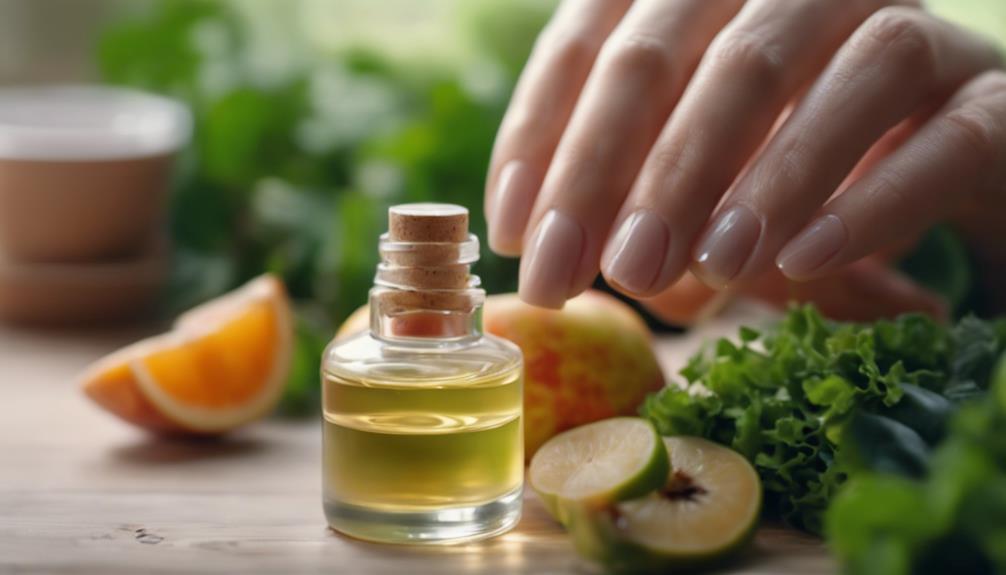
Maintaining healthy cuticles requires regular hydration and protection from environmental stressors. To prevent dryness, make it a habit to hydrate your cuticles with cuticle oil or cream. This keeps them from becoming dry and cracked. Drinking enough water also helps keep your skin healthy and cuticles moisturized.
Wear gloves to protect your cuticles from harsh weather, especially in cold or windy conditions. Gloves act as a barrier, shielding your cuticles and nail beds from environmental damage. Additionally, avoid overexposing your hands to water and harsh chemicals. These can strip away natural oils, making your cuticles more prone to dryness.
Using a humidifier in dry indoor environments can also help maintain moisture levels, preventing your cuticles from drying out. Regularly check your cuticles for signs of infection, such as redness, swelling, or pain. Peeling cuticles may allow bacteria to enter, leading to infections.
Conclusion
To keep your cuticles healthy, you must hydrate them regularly and protect them from harsh conditions. Dry cuticles often result from frequent hand washing, exposure to harsh products, and environmental conditions.
Applying cuticle oil or cream, drinking enough water, and being mindful of your habits can effectively prevent and treat dry cuticles. Take these steps, and your cuticles will thank you!
FAQs
1. Why Are My Cuticles so Dry Even When I Moisturize?
Your cuticles might still be dry due to weather changes, hydration levels, frequent hand washing, harsh soaps, nail polish, skin conditions, diet habits, stress impact, ageing, or using hot water. Try addressing these factors for improvement.
2. What Vitamin Deficiency Causes Cracked Cuticles?
You’re dealing with dry, cracked cuticles likely due to deficiencies in biotin, vitamin C, vitamin D, vitamin A, folic acid, vitamin B12, iron, zinc, magnesium, or omega 3s. Ensuring a balanced diet can help.
3. How Do You Get Rid of Dry Skin Around Your Nails?
Use cuticle creams, natural oils, and hand masks to eliminate dry skin around your nails. Incorporate gentle exfoliation, warm soaks, and an overnight treatment. Maintain a hydration routine, avoid acetone, wear protective gloves, and eat a healthy diet.
4. Is Vaseline Good for Dry Cuticles?
Yes, Vaseline benefits dry cuticles by providing a hydration boost and barrier protection. Petroleum jelly locks in moisture, aiding skin healing and cuticle repair. Use it as an overnight treatment or for daily application as a simple remedy.

