
You’ve probably noticed that some people have naturally short nail beds while others don’t. It’s not just a matter of aesthetics; multiple factors contribute to this phenomenon. Genetics play a big role, but they’re not the only reason. Consider the impact of daily habits, past injuries, or nutritional deficiencies. Have you ever wondered if a fungal infection could be affecting nail growth? And let’s not ignore underlying medical conditions that might be at play. Surprisingly, these elements intertwine; understanding them could be the key to healthier nails. But what exactly links these factors together?
Key Takeaways
- Genetic predisposition influences nail bed size and can lead to shorter nail beds.
- Trauma or injury to the nail matrix may disrupt growth and shorten nail beds.
- Fungal infections like onychomycosis damage the nail matrix, leading to shorter nail beds.
- Nutritional deficiencies in biotin, zinc, and iron can negatively impact nail bed length.
- Habits like nail biting or cutting nails too short can damage the matrix and shorten nail beds.
Genetic Influences

Genetics plays a big role when it comes to the size and shape of your nail beds. You might notice that your nail beds are shorter or stubbier, often due to inherited traits. These traits are passed down through your family history, influencing your nail beds’ overall structure and appearance. If your parents or grandparents had short nail beds, there’s a good chance you might’ve them too. This genetic predisposition can contribute to both short and long nail beds, depending on what runs in your family.
It’s fascinating how genes can dictate such specific features. Beyond just the length, they also determine the width and curvature of your nail beds. In some cases, variations can even lead to what’s known as nail bed syndrome, where the nails appear unusually shaped. Understanding this genetic influence can help you appreciate why your nails look like they do.
You can’t change your genetics, but knowing your family history can offer insights into your nail health. While you might wish for longer nail beds, embracing the uniqueness of your inherited traits can help you cultivate a positive perspective on your natural attributes.
Trauma and Injury
Frequent trauma or injury to the nail matrix can significantly shorten your nail beds. When the nail matrix, the area responsible for producing new nail cells, suffers damage, it can disrupt normal nail growth. Accidents or habits like nail biting often cause such trauma, leading to shorter nail beds.
The nail bed can also change, affecting the nail plate’s appearance and health.
Severe trauma or repeated injuries can have lasting effects on your nails. If the matrix gets damaged, it may permanently alter the nail bed, resulting in shorter nail beds that are difficult to reverse. As the matrix is vital for healthy nail growth, any injury here can lead to long-term consequences, impacting the length and overall appearance of your nails.
It is important to seek prompt medical attention for any nail injuries to prevent lasting damage. Acting quickly can help minimize the impact on the nail matrix and promote healthier nail growth. By taking care of any trauma early on, you can protect your nails from permanent changes and maintain healthier, longer nail beds over time.
Fungal Infections
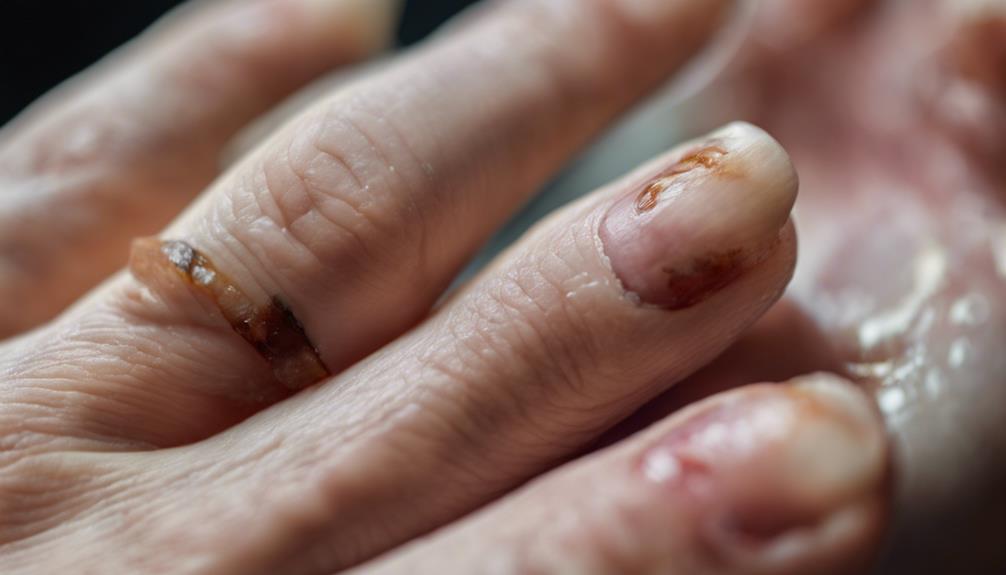
Fungal infections like onychomycosis can shorten nail beds by damaging the nail matrix and causing the nail plate to detach.
You might notice symptoms such as discoloration, thickening, or crumbling of the nails.
Addressing these infections promptly and maintaining good foot hygiene is crucial to prevent further damage.
Onychomycosis Impact on Nails
Onychomycosis, a common and troublesome fungal infection, can wreak havoc on your nails, leading to shortened nail beds. This fungal infection specifically targets the nail matrix, the part of your nail responsible for proper nail growth. The damage to the nail matrix caused by onychomycosis can severely impact how your nails grow, often resulting in shortened and unhealthy nail beds. When the nail matrix is compromised, it reduces the ability of your nails to grow smoothly and correctly.
Onychomycosis doesn’t stop at damaging the nail matrix; it can also cause the nail plate to separate from the nail bed. This separation further affects nail health, making them more vulnerable to additional problems. If left untreated, onychomycosis can lead to yellowing, thickening, and brittleness, further impacting the appearance and health of your nails. These changes can make everyday tasks more challenging and affect your confidence in showing your nails.
Seeking prompt treatment for onychomycosis is essential to prevent severe damage and maintain healthier nails. Early intervention can help protect the nail matrix and preserve the integrity of your nail beds, ensuring better nail growth and appearance.
Fungal Infection Symptoms
When your nails show signs of yellowing or white discoloration, it might be more than just a cosmetic issue; these changes can indicate a fungal infection. Fungal infection symptoms vary, but one of the first signs you might notice is discoloration. As the disease progresses, your nails could become thickened or brittle, making them more susceptible to breaking or cracking.
Another noticeable symptom is a foul odor or debris accumulating under the nails. This can be particularly unpleasant and is often a telltale sign that something isn’t quite right.
You might also observe nail lifting, known as onycholysis, where the nail starts to separate from the nail bed. This lifting can lead to discomfort and make everyday tasks challenging.
Besides these visible signs, fungal infections can cause itching, pain, or a burning sensation around the affected nails. These symptoms can disrupt your routine, making it hard to ignore the issue.
If you suspect a fungal infection, paying attention to these symptoms and understanding that they might contribute to conditions like short nail beds is essential. Identifying these signs early can help in addressing the problem effectively.
Treatment and Prevention Strategies
Addressing the symptoms of a fungal infection promptly can significantly impact nail health. If left untreated, fungal infections like onychomycosis can harm the nail matrix, causing the nail plate to separate from the nail bed and resulting in shortened nail beds. To prevent this, it’s essential to explore treatment options and maintain proper foot hygiene.
Here’s how you can manage and prevent fungal infections to guarantee healthy nails:
- Consult a healthcare provider: Early intervention with antifungal treatments under professional guidance can safeguard the nail bed and prevent further damage. Your provider can recommend topical or oral antifungal medications tailored to your condition.
- Practice proper foot hygiene: Keeping your feet clean and dry reduces the risk of fungal infections. Wash your feet daily, dry them thoroughly, and change socks regularly.
- Choose breathable footwear: Shoes that allow air circulation help maintain a dry environment, discouraging fungal growth and supporting nail health.
- Monitor nail changes: Regularly inspect your nails for discoloration or thickness changes. Early detection of fungal infections allows swift treatment, minimizing nail plate damage.
Nutritional Deficiencies
You mightn’t realize it, but nutritional deficiencies can greatly impact your nail beds. Lacking essential nutrients like biotin, zinc, and iron could lead to shortened nail beds and brittle nails. To maintain healthy nails, ensure your diet is balanced with sufficient protein, vitamins, and minerals, and consider consulting a healthcare provider for guidance.
Essential Nutrients for Nails
Several key nutrients are essential in maintaining healthy nails, and deficiencies in these can lead to shortened nail beds. Nutritional deficiencies in crucial elements like biotin, zinc, and iron can significantly impact your nails. Without these, your nail beds may not achieve their full potential length.
Biotin, also known as vitamin B7, is vital for healthy nail growth as it supports keratin production, the main protein in nails. Zinc contributes to nail strength and repair, while iron is crucial for oxygenating your nail beds, promoting their health and length.
To optimize your nails and get what they need, consider including the following nutrient-rich foods in your diet:
- Eggs: Packed with biotin, they support keratin production.
- Nuts and Seeds: Rich in zinc and biotin, they help strengthen and repair nails.
- Leafy Greens: High in iron, these greens enhance nail oxygenation.
- Fish: Provides omega-3 fatty acids, which contribute to overall nail health.
Consulting with a healthcare provider can help identify deficiencies and tailor your diet to support optimal nail health. Addressing these nutritional gaps can promote longer and healthier nail beds.
Impact of Poor Diet
A poor diet’s impact on nail health can’t be overstated, as it often leads to nutritional deficiencies that result in short nail beds. Your nail structure can weaken when you don’t get enough essential nutrients like biotin, zinc, and iron. This isn’t just about aesthetics; it’s a sign your body lacks what it needs to function at its best.
Biotin, a B vitamin, is crucial in producing keratin, essential for strong nails. If you’re low on biotin, your nails may become brittle and more prone to breaking.
Similarly, zinc is necessary for cell growth and division. You might notice that your nails aren’t growing as they should without sufficient zinc.
Iron is another key player; it helps transport oxygen to your cells. An iron deficiency can lead to thin, fragile nails and contribute to the development of short nail beds.
Improving your nail health starts with a balanced diet of protein, vitamins, and minerals. If you’re struggling with nutritional deficiencies, consider dietary changes or supplements to boost your intake of these vital nutrients. By addressing these deficiencies, you can support healthier, longer nail beds.
Medical Conditions
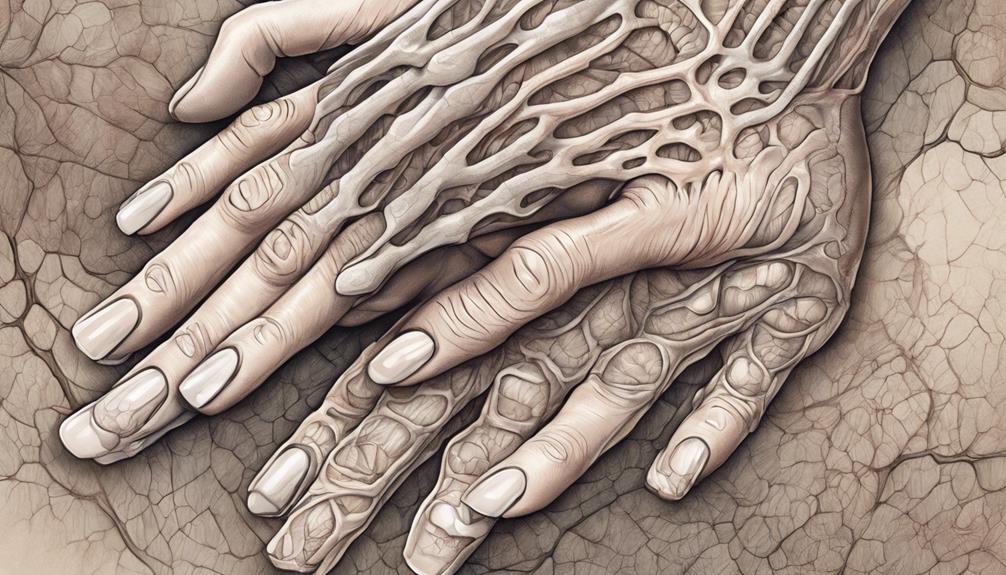
Many medical conditions can influence the structure of nail beds, leading to their shorter length. For example, skin disorders such as psoriasis and eczema can affect nail bed structure by causing inflammation or separation from the nail plate, which can result in shortened nail beds.
Additionally, fungal infections like onychomycosis can damage the nail bed, causing it to shrink. Autoimmune disorders, including lupus and alopecia areata, may also lead to changes in nail health, potentially contributing to shorter nail beds.
Here’s a closer look at how these conditions might affect your nail beds:
- Psoriasis and Eczema: These skin conditions can cause inflammation around your nails, impacting the nail bed’s integrity.
- Onychomycosis: This fungal infection can cause the nail to become brittle and separate from the nail bed, making it appear shorter.
- Autoimmune Disorders: Disorders like lupus can alter your body’s ability to maintain healthy nails, affecting their length.
- Chronic Illnesses: Conditions that interfere with circulation or nutrient absorption can hinder nail growth, leading to shorter nail beds.
Understanding these conditions can help you identify underlying issues affecting your nail health and seek appropriate treatment.
Impact of Habits
When it comes to the appearance of your nail beds, habits play an important role. Nail biting and cutting nails too short are two common practices that can lead to the appearance of short nail beds. These habits don’t just affect the surface; they can damage the nail matrix, the part responsible for nail growth.
When the nail matrix is damaged, you might experience stunted nail growth, making it difficult for your nails to reach their full potential length.
It’s vital to avoid these habits to maintain the natural length and shape of your nail beds. Consistent nail care practices can make a big difference. Simple changes, like not picking at your nails or trimming them too closely, can promote healthier nail growth over time.
By breaking these habits, you’re allowing your nails to recover and improve their appearance.
Consistent nail care practices can support healthier growth and enhance the aesthetics of your nails. While the change mightn’t be immediate, with patience and care, you can potentially see a notable improvement in the appearance of your nail beds, encouraging a more confident and healthy nail presentation.
Conclusion
Understanding the causes of short nail beds empowers you to address any underlying issues. Genetic factors might set the stage, but trauma, fungal infections, and nutritional deficiencies can all play a significant role. Medical conditions like psoriasis and eczema may also affect nail growth. You can take proactive steps to improve nail health by identifying these contributing factors. Don’t forget to consider your habits, as they, too, can impact the appearance and health of your nail beds.
FAQs
1. What Does It Mean if You Have Short Nail Beds?
If you have short nail beds, it might indicate issues with nail health or a genetic factor. Focus on nail care to encourage nail growth and maintain proper nail shape. Prioritize health to improve your nail condition potentially.
2. What Causes Nail Beds to Get Smaller?
You might notice your nail bed shrinking due to genetics or aging. Poor nail care or trauma to nails can exacerbate this. Additionally, medical conditions may contribute, highlighting the importance of maintaining healthy habits for prevention.
3. What Vitamin Deficiency Causes Nail Bed?
You’re wondering about nail bed health. Nutrient deficiencies, like biotin, zinc, iron, and vitamin C, can affect nail growth. Ensuring proper nutrition and good fingernail care helps maintain healthy nails. Don’t neglect these essential nutrients for strong nails.
4. Why Is My Nail Bed Not Growing?
Your nail bed might not be growing due to your nail care routine, genetic factors, or insufficient nail health. To support overall improvement, focus on nail growth by improving your nail treatment and adopting a healthier regimen.

