
Your nails can tell you a lot about your health. Color, texture, or form changes—such as discoloration, unusual thickness, or indentations—could signal nail abnormalities like beau lines, pitting, or onycholysis. It’s not just about the aesthetics of how your nails look; these abnormalities might be paired with pain or tenderness. But don’t panic; it’s essential not to jump to conclusions. Observing your nails closely and seeking professional advice if changes persist is the smart move to ensure your nail’s health. Now, let’s help you spot those abnormalities.
Nail abnormalities can be caused by various factors, including injury, infections (fungal or bacterial), diseases, poisons, medications, and normal aging. It’s crucial to seek medical advice if you notice significant changes in your nails’ color, shape, texture, or thickness.
Identifying Nail Abnormalities
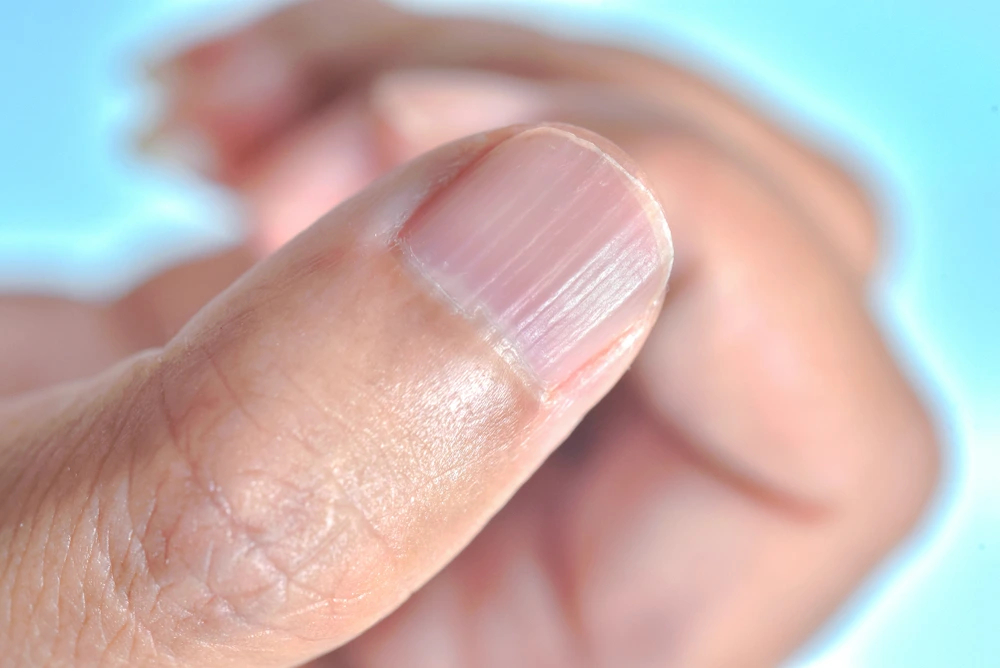
Nail abnormalities can be challenging to recognize initially, but noticing changes in your nails’ color, texture, or shape is crucial for catching them early. It’s akin to understanding when something is amiss with your car—if a light comes on, you don’t disregard it. You investigate what might be causing it and address it before escalating. Similarly, keep an eye out for anything unusual with your nails.
Some abnormalities are more conspicuous than others:
- Beau lines: Deep grooved lines running horizontally across the nail, often occurring after illness or injury.
- Pitting: Small depressions or dents in the nail, commonly associated with psoriasis.
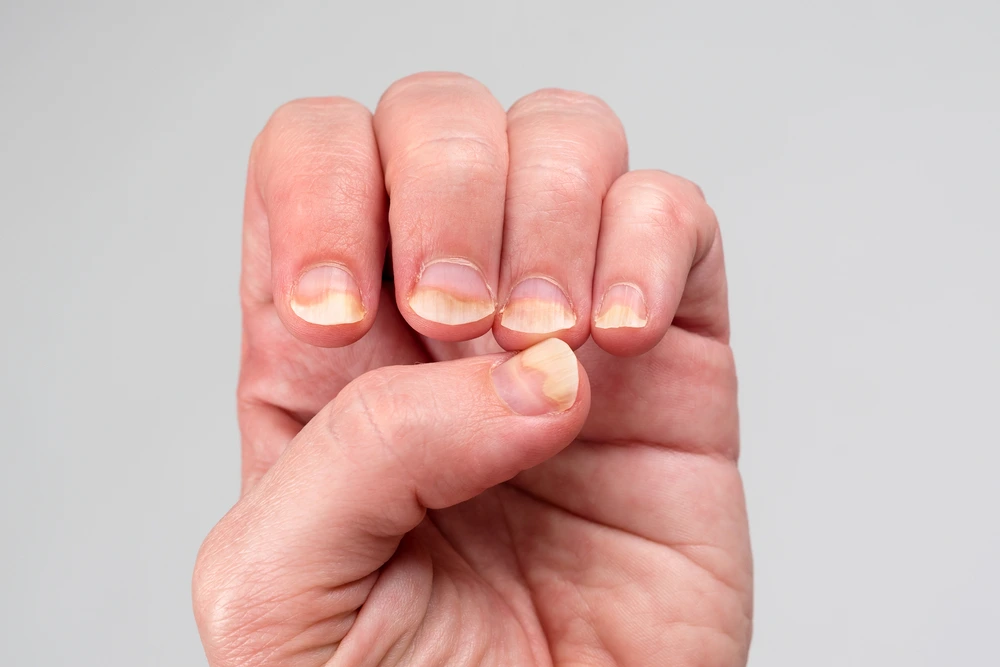
- Onycholysis: The separation of the nail from the nail bed, potentially indicating an underlying health condition or trauma from excessive tapping or manicuring.
Observing your nails warrants attention to specific characteristics such as discoloration, indentations, or unusual thickness. These details could hint at larger health issues, making thorough observation essential.
Understanding Nail Color Changes
Nail color changes serve as crucial indicators of your health status:
- Yellow nails: A potential sign of a fungal infection.
- White lines or spots: This may indicate a lack of zinc or an injury.
- Blue nails: These could result from poor circulation or point to issues with your lungs or heart.
Not dismissing these color variations is imperative as they hold important clues about potential health concerns.
Recognizing these abnormalities early allows for prompt action and possible treatment if there is an underlying health concern. Aside from noticing visual changes in our nails, it’s equally important to remember any associated discomfort or pain. Your body often signals—disguised as subtle shifts—that something might require attention.
Remember, identifying these abnormalities sets us on a proactive path toward maintaining good nail health and overall well-being.
As we continue our journey toward understanding and addressing nail abnormalities, let’s delve into the specific symptoms associated with these variations in nail health.
Symptoms Associated with Nail Abnormalities
When you observe your nails, what do you notice? Your nails convey a lot about your health. Their color, shape, or texture changes can indicate an underlying issue. For example, if your nails are painful, tender to the touch, or exhibit an unusual texture, it could be a sign of a nail abnormality.
Common signs or symptoms that might accompany nail abnormalities include:
Pain and Tenderness
If you experience pain or tenderness around your nails, especially when pressure is applied, it could indicate an underlying issue. It might be due to an infection or other problems affecting the nail bed or surrounding skin.
Changes in Texture
Alterations in the texture of the nail, such as brittleness, roughness, or unusual thickness, can raise a red flag for a possible nail abnormality. These changes could signal various conditions that require attention and care.
Discoloration
Nail discoloration can manifest in yellowing, black lines or spots under the nails, white patches, or a bluish tint. While some discoloration may be minor and temporary, persistent discoloration may signal an underlying health concern.
Separation from Nail Bed
When a nail separates from its bed (onycholysis), it can be uncomfortable and unsightly. This separation can occur for various reasons, such as trauma, infection, or skin conditions. If left unaddressed, it may lead to further complications.
These symptoms should not be ignored. They can indicate internal health concerns or infections that need medical attention. Seeking advice from a healthcare professional can clarify what might be going on and the steps for proper treatment. It’s always better to address any concerning symptoms early rather than letting potential problems worsen over time.
It’s important to remember that changes in one’s nails are not just cosmetic but may indicate one’s overall health. Keeping an eye out for these signs and promptly seeking professional guidance is crucial for maintaining overall well-being.
Awareness of these symptoms gives you a better chance of identifying potential issues early on and seeking appropriate care.
Determining Causes of Nail Disorders
Nail disorders can be quite bothersome, but understanding their underlying causes is essential for effective management and treatment. When identifying the factors contributing to nail abnormalities, it’s important to explore various possibilities that could lead to such conditions.
One of the primary causes of nail abnormalities is trauma. This can include injuries or accidents directly impacting the nails, leading to color, shape, or texture changes. Additionally, infections play a significant role in developing nail disorders, whether fungal or bacterial. Environmental factors such as exposure to chemicals, frequent water contact, or trauma from repetitive movements can also contribute to the onset of nail abnormalities.
Furthermore, underlying health conditions must be considered when investigating the causes of nail disorders. Systemic diseases, including heart problems, lung diseases, kidney disease, and liver disease, can manifest through changes in nail appearance. Moreover, genetic predispositions can make individuals more prone to certain nail irregularities.
For instance, ridges in the nails may be attributed to aging or nutritional deficiencies, emphasizing the intricate relationship between internal health and external manifestations. Meanwhile, fungal infections are notorious for causing discoloration and deformities in the nails. These diverse examples underscore the multifaceted nature of nail abnormalities and their underlying causes.
Understanding these varied factors enables individuals to adopt a proactive approach toward managing their nail health. It allows for early detection of potential issues and empowers individuals to make informed lifestyle choices, seek appropriate medical care, and take preventive measures against specific risk factors.
By comprehensively dissecting the root causes of nail disorders, we gain deeper insight into how these conditions manifest and why addressing them effectively in early intervention and ongoing management is crucial.
Now that we have a deeper understanding of the root causes behind nail disorders and their multifaceted nature let’s focus on exploring effective treatments to help manage and alleviate these concerns.
Effective Treatments for Nail Abnormalities
When it comes to treating nail abnormalities, there’s no one-size-fits-all solution. Different conditions demand different approaches, but the good news is that various options depend on the specific issue. Let’s take a closer look at some of these effective treatments and how they can help restore the health and appearance of your nails.
- Topical Antifungal Medications: If you’re dealing with a fungal infection such as onychomycosis, topical antifungal medications can be prescribed to target the fungus directly. These medications come in creams, ointments, or nail lacquers, and they work by inhibiting the growth of the fungus. They are often used for milder cases and must be applied consistently as directed by a healthcare professional.
- Oral Antifungal Medications: Oral antifungal medications may be recommended for more severe cases of fungal nail infections. These medications circulate throughout the body, reaching the affected nail through the bloodstream. They are generally prescribed longer and require regular monitoring for potential side effects.
It’s essential to follow your healthcare provider’s advice regarding antifungal treatment duration and lifestyle adjustments to optimize the effectiveness of the medication.
- Nail Removal or Suturing: In cases of traumatic injuries leading to severe damage to the nail plate or nail bed, the primary focus may be supporting proper healing. In certain instances, nail removal or suturing may be necessary procedures performed under medical supervision. These interventions aim to facilitate unimpeded regrowth and minimize the risk of infection.
It is crucial to seek prompt, professional evaluation when encountering traumatic nail injuries to determine the most appropriate course of action tailored to your specific need.
We gain insight into the diverse strategies for addressing nail abnormalities by exploring these targeted treatments. Each method offers distinct advantages depending on the nature and severity of the condition, reinforcing the importance of seeking personalized care from a qualified healthcare practitioner.
In considering these effective treatment options, it becomes evident that an individualized approach is vital in managing and overcoming nail abnormalities, accentuating the significance of preventative measures in maintaining optimal nail health.
Strategies for Preventing Nail Abnormalities

Preventing nail abnormalities isn’t just about avoiding known danger – it’s also about maintaining daily care to encourage healthy and strong nails. Here are some practical strategies to keep your nails in top shape.
Maintaining Good Nail Hygiene
- Prepare Tools: When caring for your nails, use clean and well-maintained tools. Clippers and nail files should be kept clean and sharp to prevent jagged edges or uneven trims that can lead to nail problems. It’s like cutting paper with a good pair of scissors versus a dull one – the cleaner the cut, the better it is for your nails.
- Gentle Cleaning: While vigorously scrubbing the dirt under your nails may be tempting, it’s important to remember that gentle cleaning is more effective and safer. A soft brush and mild soap will remove any embedded dirt or bacteria without causing unnecessary trauma to the nail bed.
Protective Measures During Activities
Wearing protective gloves can make a significant difference if you’re engaging in activities that expose your nails to harsh chemicals or physical trauma, such as gardening or household chores involving cleaning agents. Like wearing a helmet while riding a bike or gloves while lifting heavy boxes, protecting your nails during tough tasks is a smart safety measure.
Proper Nail Trimming and Regular Maintenance
Using high-quality clippers or scissors to trim nails straight across and round the tips in a gentle curve can help prevent ingrown nails and reduce the risk of snags or tears. Avoiding cutting too close to the skin is key, as this can lead to painful ingrown nails and potential infections.
Regularly moisturizing your nails prevents brittleness, dryness, and breakage. Applying a nourishing moisturizer or cuticle oil replenishes natural oils in the nail bed, keeping your nails flexible and less prone to splitting or cracking.
A Nutrient-Rich Diet and Hydration
Imagine your nails as a garden that needs good soil and water to grow strong and healthy plants – similar care should ensure they receive the right nutrients, too. Foods rich in biotin, iron, omega-3 fatty acids, and zinc can contribute to stronger, healthier nails. Like drinking lots of water keeps our bodies hydrated and healthy; proper hydration is essential for maintaining healthy nails.
By embracing these preventive practices as part of your regular nail care routine, you’ll reduce the risk of encountering nail abnormalities and reinforce your hands’ overall health and well-being.
As you foster healthy habits for your nails, understanding the restoration process becomes vital. Let’s explore healing options for abnormal nails, leading us toward complete nail rejuvenation.
Restoration: Healing Abnormal Nails
Dealing with abnormal nails can be a frustrating experience, but several strategies can help restore them to a healthier state. Whether your nails are damaged due to external factors or an underlying health condition, seeking proper restoration is essential for improving their appearance and strength. Let’s explore some effective methods for healing abnormal nails.
Professional Treatments
Consulting a healthcare professional for personalized advice and treatment is paramount if you face persistent nail abnormalities. They may recommend medicated nail lacquers, oral medications, or laser therapy for more severe cases. These treatments target the root cause of the abnormality and may aid in rejuvenating and strengthening the nails from within.
Lifestyle Measures
Besides professional treatments, integrating certain lifestyle measures can significantly contribute to restoration. Incorporating biotin supplements, known for promoting nail growth and strength, can be beneficial. A balanced diet rich in vitamins and minerals can also nourish the nails from the inside out. Furthermore, using specialized nail-strengthening products can provide external support in enhancing the resilience of your nails.

