
Ingrown fingernail, marked by pain, swelling, and sometimes infection, can be tended to properly. Incorrect nail clipping and undue pressure from tight gloves or shoes are common culprits behind this issue. Yet, the dispute doesn’t stop there; certain injuries and even your genetic blueprint can play a role in this discomfort outside your control. Before we get to how you could stop that nail from curling right back into your skin, let’s delve into the signs that say you might have an ingrown nail.
Treating an ingrown fingernail involves soaking the affected finger in warm water, gently lifting the edge of the nail, and keeping the area clean and dry. However, it’s important to consult a healthcare professional if signs of infection or self-help measures don’t work.
Symptoms of Ingrown Fingernail
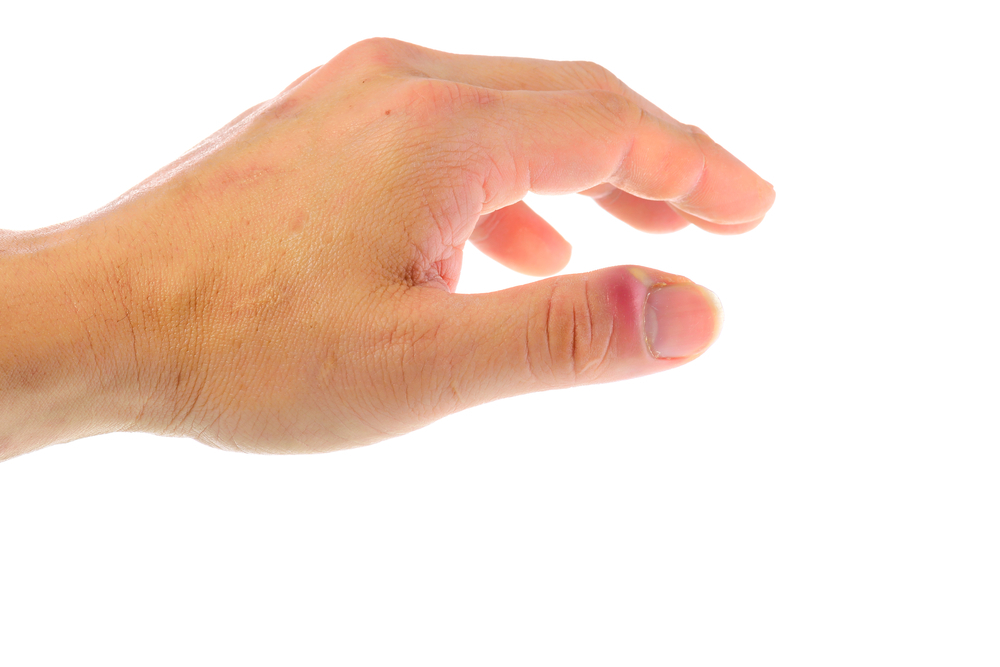
Ingrown fingernails can cause several uncomfortable and sometimes painful symptoms. The first signs you may notice are pain and tenderness along the side of the nail. This area might also become red and swollen, making it sensitive to the touch.
As the condition progresses, an infection may develop, leading to pus drainage. Infections can cause additional discomfort and may exhibit visible signs of oozing or crusting around the affected area.
Due to the pain and sensitivity, individuals will experience difficulty using or touching the affected finger. This discomfort can interfere with daily activities and may be exacerbated when pressure is applied.
For instance, something as simple as buttoning up a shirt or typing on a keyboard could lead to pain and difficulty.
Furthermore, when the nail grows into the surrounding skin, it can create a curled or visible nail spike that digs into the flesh. This formation can be visually off-putting and physically irritating, especially if left unaddressed over time.
If you’re experiencing any of these symptoms, it’s important to seek professional medical advice rather than attempting to correct the issue yourself. Delaying treatment can exacerbate symptoms and lead to more severe complications.
It’s essential to remain vigilant about your finger health and seek assistance when needed. Addressing symptoms promptly can help prevent further discomfort and potential long-term consequences of untreated ingrown fingernails.
Understanding the symptoms of ingrown fingernails is crucial for identifying underlying causes, which we’ll explore in the following section.
Causes Behind Ingrown Fingernail
There’s a key necessity to recognize certain habits or conditions that significantly contribute to developing recurring ingrown fingernails. Improper nail trimming stands out as a common culprit. Rounding off the edges during nail care can inadvertently foster the growth of the nail into the skin rather than over it, resulting in an ingrown nail.
Another contributing factor is the pressure exerted on the nails from ill-fitting footwear or gloves. This continuous pressure can lead to irregular nail growth patterns, increasing the likelihood of them becoming ingrown.
Furthermore, trauma or injury to the finger can lead to nail deformities, making it easier for an ingrown nail to develop.
Additionally, genetic predisposition plays a significant role. Those with a genetic tendency towards irregular or curved nail growth are more susceptible to experiencing ingrown nails. If parents or grandparents had issues with ingrown nails, their offspring are more likely to encounter similar problems, given that these traits can be inherited.
In grasping these causes, it becomes evident that specific preventive measures and adjustments in nail care routines need to be incorporated to help prevent and manage ingrown fingernails effectively.
Understanding the root causes of ingrown fingernails equips us with valuable insight into practical measures to counter and alleviate this discomfort. Let’s now focus on exploring effective home remedies for ingrown fingernails.
Effective Home Remedies for Ingrown Fingernails
Dealing with an ingrown fingernail can be uncomfortable and frustrating. Here are some effective home remedies to help alleviate the pain and encourage proper nail growth.
Soaking the Affected Finger
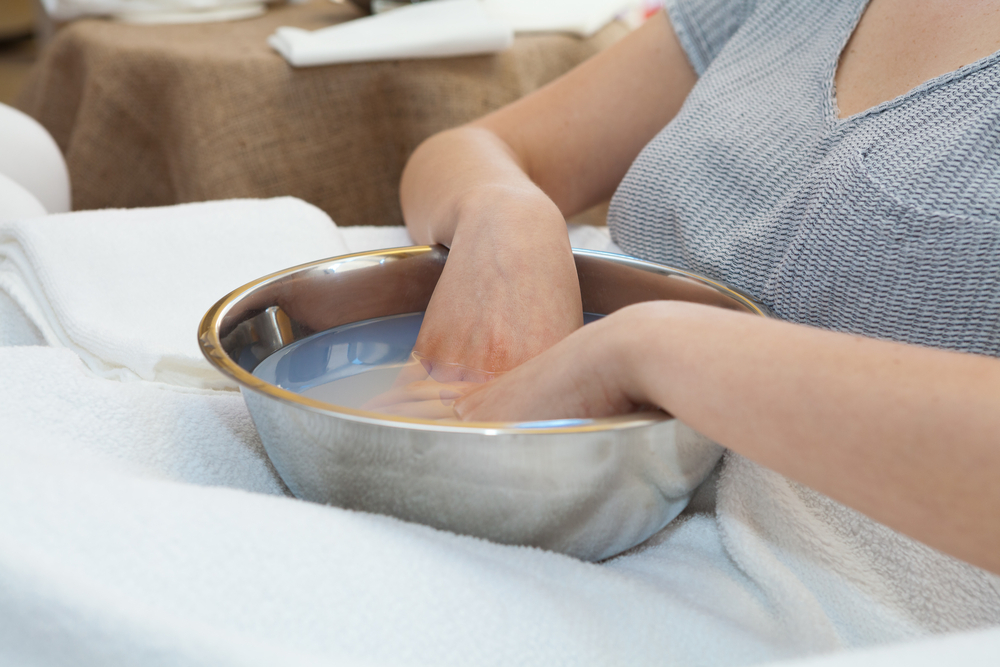
Soaking the affected finger in warm, soapy water is a simple yet effective way to alleviate discomfort caused by an ingrown nail. The warmth and soap soften the nail and skin, making it easier to manipulate the nail out of the skin. This process helps reduce swelling and tenderness around the affected area. Additionally, the warmth from the water increases blood flow to the area, aiding in the healing process.
For best results, ensure the water is comfortably warm but not too hot, which could further aggravate the sensitive area. Soaking for about 15-20 minutes at a time, 2-3 times daily, can help relieve relief. Soaking softens the nail and helps cleanse and disinfect the affected area, reducing the risk of infection.
Using Dental Floss
Another method for relieving an ingrown nail is using dental floss. Gently inserting a piece of dental floss under the ingrown edge of the nail can help lift it from the skin. The goal is to gently separate the nail from the skin, alleviating pressure and discomfort.
This method can be highly effective in gradually repositioning the nail as it grows, preventing it from digging further into the skin. Changing the dental floss daily is essential to prevent infection and maintain cleanliness.
Remember: It’s crucial to perform this task gently and without force. If you experience increased pain or signs of infection during this process, it’s advisable to seek medical attention promptly.
Applying Antibiotic Ointment
After thoroughly cleaning the affected area, applying an over-the-counter antibiotic ointment can significantly reduce the risk of infection. This ointment creates a protective barrier over the affected area, safeguarding it against harmful bacteria that may lead to infection. Doing so promotes faster healing and prevents complications associated with an ingrown fingernail.
Consistency is key when applying antibiotic ointment; regularly applying a small amount over clean skin will protect against potential infections from an ingrown fingernail.
By incorporating these simple yet effective home remedies into your routine, you can work towards easing discomfort and promoting healthy nail growth, giving your finger a chance to heal properly.
As we embark on this journey through understanding ingrown fingernails and how to manage them effectively at home, let’s focus on another crucial aspect—emphasizing the importance of proper nail trimming.
Importance of Proper Nail Trimming
Proper nail trimming is crucial in preventing ingrown fingernails. When nails are cut too short or unevenly, the risk of developing ingrown nails significantly increases. Many overlook this simple practice without realizing its potential impact on nail health.
The nails should be trimmed straight across, avoiding rounded corners or cutting them at an angle. This technique substantially prevents nails from digging into the surrounding skin, causing discomfort or infection. By leaving a slight white edge after trimming, the nail retains some protective structure that helps prevent it from growing into the surrounding skin. Properly trimmed nails also contribute to overall hand hygiene, reducing the risk of contaminating surfaces and minimizing the accumulation of dirt and bacteria under the nails. It not only aids in preventing ingrown nails but also maintains general nail health.
For instance, cutting your nails properly is like laying down a solid foundation for a building. If the foundation is strong and well-laid, the building stands firm. Similarly, when your nails are trimmed correctly, they are less likely to cause issues like ingrown toenails or infections.
Guidelines for Proper Nail Trimming
It’s essential to establish consistent trimming habits to maintain optimal nail health:
- Frequency: Trim your fingernails every 1-2 weeks to prevent overgrowth and reduce the chance of them catching on something and tearing.
- Length: The recommended length for trimmed fingernails to prevent ingrown nails is around 1/16 to 1/8 inch.
- Technique: Cut nails straight across to ensure even growth and minimize the possibility of ingrown nails.
- Tools: Choose high-quality nail clippers that are sharp and easy to handle to avoid irregular or jagged edges.
By following these simple guidelines, you can easily maintain proper nail care and significantly reduce the risk of developing painful ingrown fingernails in the future.
Understanding how essential proper nail trimming is highlights the value of consistent nail care practices in preventing discomfort and complications associated with ingrown fingernails.
Role of Fingernail Soaking in Treatment
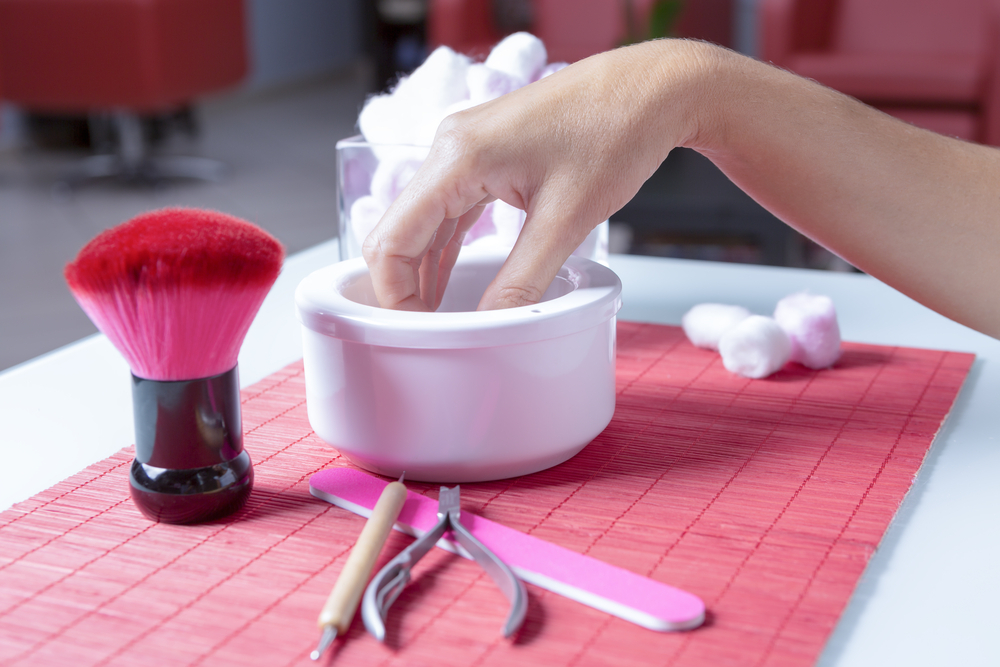
Fingernail soaking is an essential part of at-home treatment for ingrown nails. It serves multiple purposes, all contributing to relieving pain and preventing infection. Soaking the affected finger in warm water is soothing, reducing tenderness and pain associated with the ingrown nail. This is particularly helpful because it softens the nail and the skin around it, making it easier to manipulate and prevent the nail from growing into the skin.
The warm water works wonders by easing discomfort and making the skin more pliable. This makes gently prying the nail upward less stressful on the skin, which can become very sensitive during an ingrown toenail episode. Softening the nail also helps promote upward growth, leading to respite and recovery from the ingrown nail condition.
The Science Behind Soaking
Soaking the affected finger is not just folk wisdom; there is actual science behind it. Warm water helps dilate blood vessels, improving blood flow to the affected area and reducing swelling and inflammation. It’s like giving your finger a spa day! Moreover, warm water soothes sore areas and relaxes muscles, promoting healing while relieving discomfort.
| Best Practices For Fingernail Soaking |
| Duration: The average duration for fingernail soaking to soften the nail is 10-15 minutes. |
| Frequency: It is recommended to soak your finger in warm water 2-3 times per day. |
| Efficacy Rate: Studies have shown that fingernail soaking can reduce pain and inflammation by up to 80%. |
| Temperature: The best temperature for fingernail soaking is around 32-35°C (90-95°F). |
| Solution: Warm water with Epsom salt or mild soap can be an effective soaking solution. |
Remember that while fingernail soaking brings relief and softens the nail, it’s not a standalone treatment for severe cases of an ingrown toenail. If symptoms persist or worsen, seeking professional medical advice is crucial.
Fingernail soaking might seem like a simple remedy, but its effectiveness is backed by anecdotal evidence and scientific reasoning. Understanding why and how it works enhances our approach to managing these uncomfortable and often painful ingrown nails.
Right Time for Medical Intervention
Dealing with an ingrown fingernail can be bothersome, and while home remedies can work wonders in early-stage cases, there comes a point where seeking medical intervention is essential. If you find that home remedies don’t alleviate the discomfort or if the pain becomes severe enough to interfere with your daily activities, it’s time to consider professional help.
Impact on Daily Life
Severe ingrown fingernails are more than just a nuisance; they can impact your overall quality of life. Persistent pain while performing everyday tasks such as typing, writing, or even just gripping objects can signify that the ingrown nail has progressed beyond what home remedies can handle. It’s important not to ignore this level of discomfort and consult a healthcare professional promptly.
Imagine trying to use your phone or computer with excruciating pain in your fingertip. Learning to navigate your daily routine while experiencing this kind of persistent pain can be extremely challenging and negatively impact your mental well-being as well.
Signs of Infection
Signs of infection are also crucial red flags that signify the need for medical attention. If you notice increasing redness, swelling, or pus drainage around the affected area, it’s important not to delay seeking help. Infection in an ingrown fingernail can exacerbate the situation and lead to serious consequences if left untreated.
Recurring Issues
It’s also noteworthy if the ingrown nail is a recurring issue for you. Recurrent cases might indicate an underlying condition that requires professional evaluation and treatment to prevent the problem from persisting.
Importance of Timely Professional Intervention
Seeking professional help at the right time is crucial for immediate relief and long-term management of the issue. Medical experts have the tools and expertise to effectively address advanced stages of ingrown nails, preventing further complications.
So, if you find yourself experiencing severe pain, signs of infection, or recurrent bouts of an ingrown fingernail, don’t hesitate to reach out to a healthcare professional who can provide the appropriate care and guidance.
Remember that caring for your hands and nails is important for your health and well-being. Visit our website for a range of nail care products designed to promote healthy, well-groomed nails.
Prompt attention to severe ingrown fingernails is vital for immediate relief and long-term management. If home remedies no longer suffice, don’t hesitate to seek professional care.

