
Nail glue can be effectively dissolved using safe household items you likely have on hand. Acetone, found in many nail polish removers, is specially formulated to break down tough adhesives such as nail glue, making removal a breeze. Even a simple combination of soap and water can lift stubborn glue. Just don’t forget that the skin may feel dry after coming into contact with acetone, so rejuvenating it with a moisturizing lotion is an essential follow-up. Now, let’s dive into specifics about using acetone for this purpose.
You can use an acetone-based nail polish remover to remove nail glue from the skin effectively. Dip a cotton swab into the remover and press it onto the affected area, then gently rub away dissolved glue residue with a clean toothbrush. Be sure to wash the skin thoroughly afterward and apply hand lotion for moisturization.
How to Get Nail Glue off Skin: Safe and Effective Removal Methods
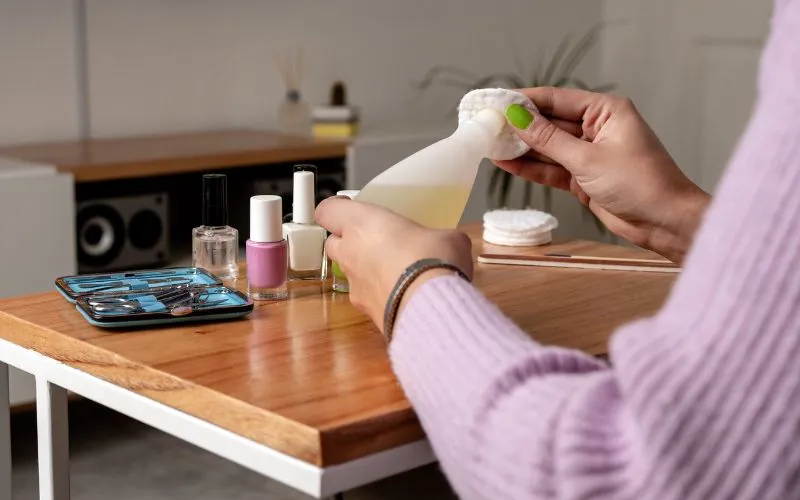
Accidents happen, and we’ve all been there—finding stray bits of nail glue on our skin after a DIY manicure session. But fret not, as several reliable methods exist to get that pesky, dried nail glue off without causing harm. Choosing a method that suits your skin type and personal preferences is essential.
Acetone Remover
One of the most common and effective ways to remove nail glue from the skin is using an acetone-based nail polish remover. This powerful solvent effectively dissolves the adhesive properties of the nail glue, allowing it to be gently wiped away. To use this method, soak a cotton swab in acetone remover and press it onto the affected area for a few minutes. The dissolved adhesive can then be gently rubbed away using a clean toothbrush. Always wash the area thoroughly with soap and water afterward to remove any leftover residue.
Rubbing Alcohol
Another alternative is rubbing alcohol, which can help dissolve and remove dried nail glue from the skin. Apply a small amount of rubbing alcohol to a cotton ball or pad and gently dab the affected area. Be cautious with this method, as rubbing alcohol can cause minor skin drying for some individuals.
Natural Remedies
For those who prefer natural remedies, olive oil or warm water can effectively remove nail glue from the skin. While these methods may take longer than traditional solvents, they can still provide excellent results without causing excessive dryness or irritation.
Olive Oil
Olive oil is known for its moisturizing and gentle qualities. Applying olive oil to the affected area and allowing it to sit for several minutes can help loosen the nail glue, making it easier to peel away gently.
Warm, Soapy Water
Another safe method involves soaking the affected area in lukewarm water mixed with soap for 20-30 minutes. This helps soften the nail glue, making it easier to peel off without harsh scrubbing.
Lastly, if you prefer a simple approach, basic soap and water can also effectively remove dried nail glue from the skin. Gently lathering the affected area with soap before rinsing it clean can help dislodge any remaining residue.
By understanding these safe and effective removal methods, you’ll be equipped with the knowledge to tackle unexpected spills and dried nail glue confidently, ensuring that your nails remain healthy and free from unwanted adhesives.
Armed with knowledge about safe nail glue removal methods, let’s now explore a powerful ally in this battle—the incredible acetone.
Acetone: Your Nail Glue Remover
Acetone is a potent solvent commonly found in nail polish removers. It is renowned for its ability to effectively dissolve nail glue. When using acetone to remove nail glue from the skin, it’s crucial to exercise caution and follow the right steps.
To start, saturate a cotton ball or pad with acetone-based nail polish remover, ensuring that it is sufficiently damp but not dripping. Press the soaked cotton onto the affected area and hold it there for a few minutes. This allows the acetone to penetrate and begin breaking down the adhesive properties of the nail glue.
As the nail glue begins to dissolve, you can use a clean toothbrush or a soft-bristled brush to rub away the residue delicately. Remember, patience is key here. Avoid applying excessive force to prevent any potential irritation to the skin.
In rare cases, extended exposure to acetone may cause some dryness or irritation on the skin. Therefore, following up with a moisturizing lotion or cream after successfully removing the nail glue is important. This helps replenish any lost moisture and protect the skin from potential dryness.
Consider exploring our website’s selection of acetone-based nail polish removers for improved results. With a range of trusted products designed for safe and efficient use, you can find solutions that suit your unique needs and preferences.
Understanding how to use acetone safely is essential for achieving optimal results without compromising skin health—whether dissolving nail glue or ensuring proper skincare post-removal.
An Alternative Approach: Rubbing Alcohol
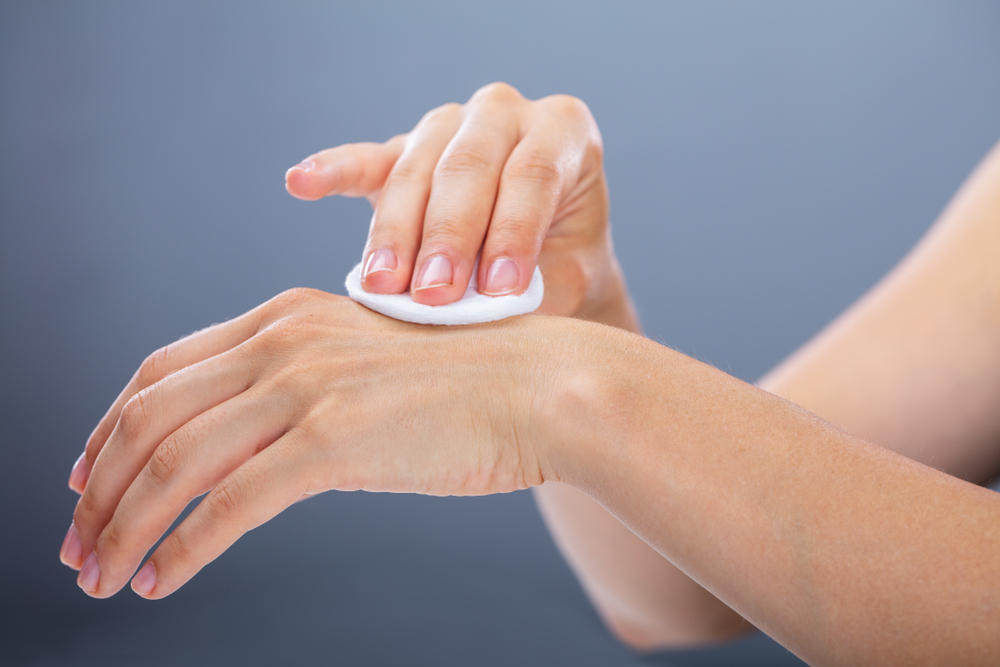
If you’re out of acetone or looking for a gentler option for your skin, rubbing alcohol can help. It might not be as powerful as acetone, but it’s less harsh on the skin.
Here’s how you can use rubbing alcohol to remove nail glue effectively:
- Start by soaking a cotton ball in rubbing alcohol.
- Gently dab the soaked cotton ball onto the affected skin. Allow the rubbing alcohol to sit and soften the glue for approximately 1-2 minutes.
Effectiveness and Application
Rubbing alcohol with a concentration of 70% isopropyl effectively removes approximately 85% of nail glue from the skin after just 1-2 minutes of application. This makes it a viable alternative to acetone, particularly for individuals with sensitive skin.
Irritation Potential
Moreover, rubbing alcohol has a lower potential for irritating skin than acetone. This is an important consideration for those who have experienced skin irritation from acetone-based products.
When using rubbing alcohol to remove nail glue from the skin, being gentle and patient is essential. Remember that its effectiveness may vary depending on the amount and type of nail glue on the skin. Additionally, ensure adequate ventilation is available during usage due to its strong odor.
Rubbing alcohol works by breaking down the adhesive properties of the nail glue, allowing it to soften and become easier to remove. Once the glue has softened, use a clean toothbrush to rub away the dissolved residue from the skin gently.
For individuals with particularly stubborn nail glue, consider repeating the process after allowing a brief interval for the rubbing alcohol to continue dissolving the glue.
So, if you prefer a milder approach or don’t have acetone, consider rubbing alcohol as an effective and skin-friendly alternative for removing nail glue from your skin.
Now, let’s explore another natural method for safely removing nail glue, using items commonly found at home.
Going Natural: Paper and Oil Method
When removing nail glue from your skin, using natural and gentle solutions is always prudent, especially if you have sensitive skin. One of the simplest ways to do this is by employing common household items such as paper towels and oil, like olive or coconut oil. This method is not only effective but also safe for your skin.
Absorbency and Viscosity
The absorbency rate of different paper types and the viscosity of various oils can play an intriguing role in loosening and removing nail glue from the skin. For instance, the absorbency rate of tissue paper versus paper towels could impact how effectively they remove the glue. At the same time, the lubricating properties of oils can influence how easily the glue is dislodged from the skin.
Substances like olive oil and coconut oil possess high viscosity and lubricating properties that make them effective in weakening the bond between the glue and the skin. Their ability to break down adhesive materials while being gentle on the skin makes them ideal choices for this method.
Imagine this: When you get sticky glue on your hands, washing them with water doesn’t help much, but adding some oil makes it much easier to rub off. The same concept applies here – the oil helps weaken the nail glue’s bond to your skin, making it easier to remove.
Application Technique
To apply this method, put a small amount of oil onto a cotton ball or pad and gently dab it onto the affected area. Let it sit for a few minutes, allowing the oil to penetrate and weaken the bond. Then, take a soft paper towel and use gentle circular motions to rub the affected area until the glue begins to loosen and come off.
Research shows that this method is suitable for sensitive skin as it is effective in removing nail glue residue and is less likely to cause irritation or damage.
Remember that patience is key; you may need to repeat this process a few times for stubborn glue residue.
This natural approach effectively removes nail glue from your skin and ensures that harsh chemicals do not harm it.
With an established understanding of natural methods for removing nail glue from skin, let’s now explore a tried-and-true basic approach that utilizes everyday household items – an approach rooted in simplicity but proven effective in countless nail care routines.
Trusty Basic: Soap and Water
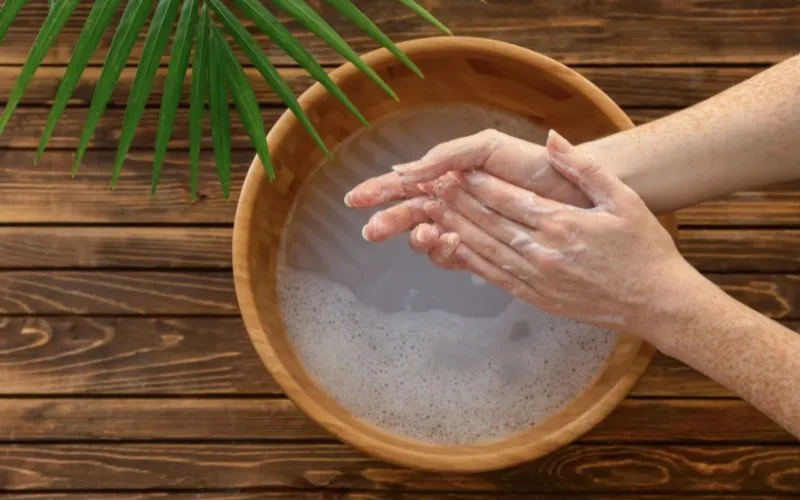
For everyday cleaning, soap and water are often the go-to for tackling stubborn spots. The same applies to removing nail glue from the skin. This method may seem simple, but it is remarkably effective in breaking down and loosening the adhesive, making removing it easier.
Here’s how you can effectively use this method:
- Step 1: Use Mild Soap and Warm Water – Select a mild soap and fill a bowl with lukewarm water.
- Step 2: Gentle Rubbing – Gently rub the affected area with soap and water for 1-2 minutes, allowing the soapy water to work under the glue.
- Step 3: Rinse Thoroughly – Rinse the area thoroughly with clean water to wash away any dissolved glue particles.
- Step 4: Pat Dry – Pat the skin dry with a clean towel, ensuring all traces of the glue have been removed.
It’s crucial to exercise patience and gentleness when using this method. Nail glue can be stubborn, but with gentle persistence, it will eventually dissolve and become easier to remove.
After using the soap and water method, you may want to follow up with some hand cream or lotion to ensure your skin remains moisturized. This can help alleviate any minor irritation caused by the nail glue and keep your skin feeling soft and supple after removal.
Imagine soaking your hands in warm, soapy water as a mini-spa treatment after a DIY nail session. Not only does it help remove any residual nail glue, but it also offers a soothing experience that leaves your skin feeling refreshed.
Incorporating these careful steps into your routine ensures that you can effortlessly bid farewell to any lingering nail glue on your skin without causing added discomfort.
Extra Precautions for Nail Glue Removal
Removing nail glue from the skin can sometimes be a delicate process, especially if the glue has adhered firmly. Once you have successfully removed the glue, it’s important to maintain the skin’s health and prevent any further irritation or complications. Aftercare is essential to keep your skin in good condition.
Hydration for Skin Recovery
To avoid any unnecessary tugging or picking at the skin after removing the nail glue, it’s crucial to apply a soothing cream or lotion. This will restore moisture to the affected area and aid in preventing any potential dryness or irritation. The nail glue removal process can strip the skin of natural oils, making it more susceptible to dryness and discomfort. A gentle, fragrance-free moisturizer should be applied generously to soothe the skin and promote healing.
Gentle Removal Methods and Professional Guidance
However, it’s equally important to refrain from pulling or picking at the skin, as this could lead to irritation or an increased chance of infection. It’s best to adopt a gentle approach instead of resorting to harsh methods of removing any remaining residue. Any persistent skin irritation should prompt a visit to a dermatologist for professional advice on how to proceed.
Monitoring for Skin Reactions and Allergies
It’s pivotal to be mindful of any signs of skin irritation or allergic reactions post-nail glue removal. Although uncommon, certain individuals with sensitive skin may experience adverse reactions. If such reactions occur, immediate medical attention is necessary to address potential complications effectively.
By following these extra precautions and giving your skin the care it needs post-nail glue removal, you can ensure that it remains healthy and undisturbed. Prevention is always better than cure, and taking these steps will help minimize any chances of discomfort or irritation after the removal process.
If you encounter difficulty with nail glue removal or have concerns about your nail health, feel free to explore more information at Glow Nail Bar. Remember, taking care of your nails is an essential part of self-care!

