

Dive into the world of nail care, where every layer matters! Have you ever wondered about the specific roles of top coats and base coats in your at-home manicure routine? Or perhaps you’ve pondered if these two products are interchangeable. In this blog post, we’re going to uncover the science behind these vital bottles, unmask their unique characteristics, and finally answer the burning question: Can a top coat really be used as a base coat? Buckle up for a trip down Nail Polish Lane that promises to change your manicure game forever.
While it is technically possible to use a top coat as a base coat, it is not recommended. Base coats are specifically formulated to provide better adhesion and protection for the nails, creating a smooth surface for nail polish application. Using a top coat as a base coat may not yield the same level of performance, such as preventing chipping or enhancing the longevity of your manicure. It’s best to utilize products specifically designed for their intended purpose for optimal results.
Understanding Base Coats and Their Benefits
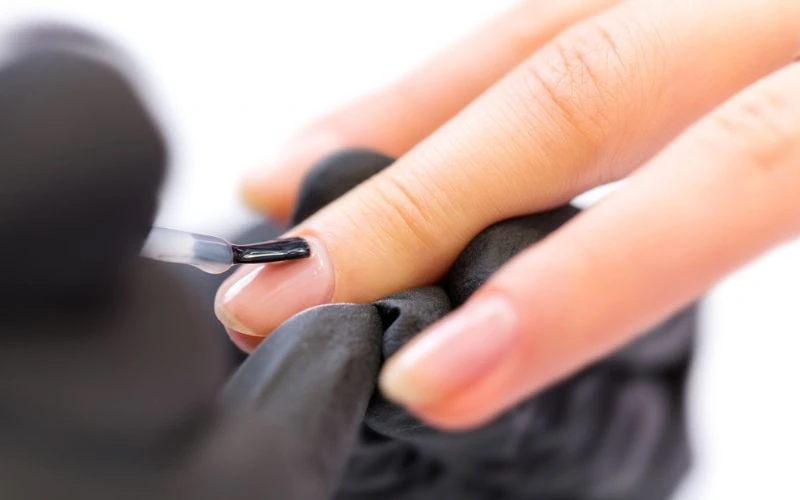
Before diving into the differences between base coats and top coats, it’s essential to understand the purpose and benefits of using a base coat. A base coat is the initial layer applied to the nails before applying the colored nail polish. It serves as a foundation that provides several advantages to enhance your nail polish application and overall nail health.
Function and Role of a Base Coat
The primary function of a base coat is to prepare the nails for the subsequent layers of nail polish. It creates a smooth surface by filling in ridges and imperfections, allowing for better adhesion of the color polish.
Just like how primer is used before painting a wall to create an even canvas for the paint, a base coat acts as a primer on your nails. It holds the color better, prevents chipping, and extends the longevity of your manicure. Without a base coat, you may experience issues such as stained nails from pigmented polishes or peeling and lifting of the nail polish.
Additionally, base coats can provide nourishment and protection to your natural nails. Some base coats contain keratin, vitamins, or proteins that help strengthen and fortify your nails. They create a protective barrier between your nail bed and color polish, reducing the risk of damage or staining.
Now that you have a clear understanding of what base coats are and their benefits, let’s explore the world of top coats and uncover their unique advantages.
Shedding Light on Top Coats and Their Advantages
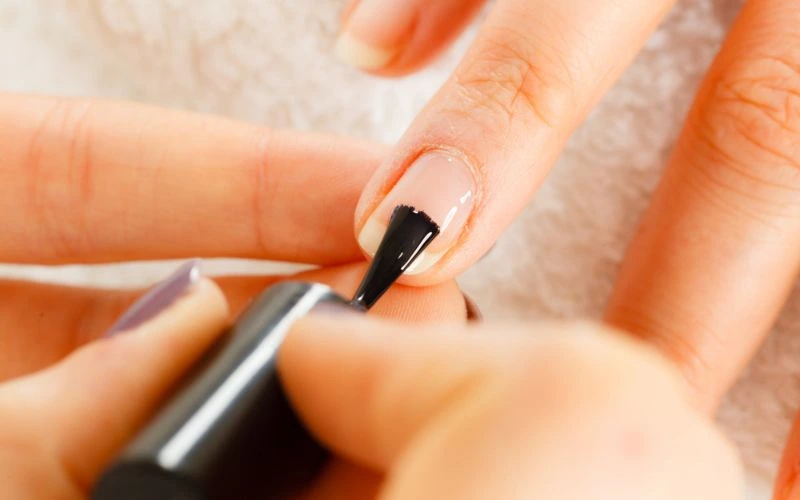
When it comes to achieving a flawless and long-lasting manicure, understanding the importance of top coats is key. A top coat is a protective layer applied over your nail polish to provide a range of advantages that enhance your manicure’s overall appearance and durability.
One of the primary advantages of using a top coat is that it helps prevent chipping and extends the lifespan of your nail polish. It forms a sturdy shield that adds an extra layer of protection, safeguarding your manicure from everyday wear and tear. Additionally, a top coat can provide additional shine, giving your nails a glossy finish that catches the eye.
For instance, imagine you’ve spent time meticulously painting your nails with a vibrant shade only to have it chip within a day or two. By applying a top coat, you can significantly prolong the life of your manicure, keeping it intact for longer periods.
Another benefit of using a top coat is that it can speed up drying time. Some top coats are formulated to provide quick-dry properties, reducing the wait time between applying polish layers or completing your entire manicure. This is especially beneficial when you’re short on time or want to avoid accidental smudges or imprints.
Now that we’ve shed some light on the advantages offered by top coats, let’s dive into exploring the different types available and their effects.
Understanding the importance of using a top coat in your manicure routine can greatly enhance the appearance and durability of your nails. A top coat provides a range of advantages such as preventing chipping and extending the lifespan of your nail polish. It acts as a protective layer, shielding your manicure from everyday wear and tear. Additionally, a top coat can add shine and give your nails a glossy finish. Some top coats even have quick-dry properties, saving you time and minimizing the risk of smudging or imprints. By incorporating a top coat into your manicure routine, you can enjoy flawless and long-lasting results.
Varied Types of Top Coats and Their Effects
Just like there are different finishes available for furniture varnishes – matte, satin, and glossy – so too are there varied types of top coats for our precious nails. Each type offers unique effects that can elevate your manicure further.
Glossy top coats are classics in the nail care world and are known for their high shine and wet-look finish. They add a reflective sheen to your nail polish, giving it that freshly painted appearance. If you’re aiming for a polished and professional look, a glossy top coat is an ideal choice.
On the other hand, matte top coats offer a contemporary twist to your manicure. These top coats dry down to a velvety, non-shiny finish that creates a chic and understated look. They work particularly well when combined with vibrant or glittery nail polish shades, creating a contrast that’s modern and trendy.
In recent years, gel-like top coats, also known as gel-effect top coats, have gained popularity. These top coats provide a high gloss shine reminiscent of gel manicures without the need for UV or LED lamps. They create a durable and long-lasting finish, perfect for those seeking chip-resistant nails.
With the myriad of options available, you can now experiment with various types of top coats to achieve the desired effect for your manicure.
Exploring the Interchangeability of Top and Base Coats
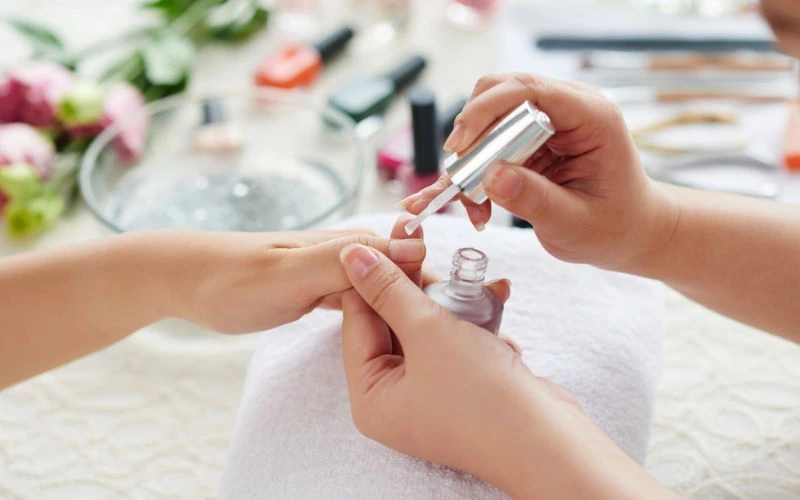
When it comes to nail polish application, understanding the purpose and function of top coats and base coats is essential. While they may seem similar at first glance, top and base coats serve distinct purposes in achieving long-lasting and flawless manicures.
Base coats act as a foundation for your nail polish application, providing a smooth surface for the color to adhere to. They also help prevent staining on natural nails, especially with darker or highly pigmented polishes. On the other hand, top coats seal in the color, adding shine and protection while minimizing chipping and extending the life of your manicure.
It’s worth noting that base coats are formulated to be slightly thicker and tackier compared to top coats. This texture allows them to adhere better to the nail bed, ensuring a sturdy bond between the natural nail and the color varnish. In contrast, top coats are designed to be thinner so that they can create a durable layer over the colored polish without weighing it down.
Given these differences in formulation and purpose, it’s important to consider whether top and base coats can be interchanged. While it is technically possible to use a base coat as a top coat or vice versa, it’s crucial to recognize that the performance might not be optimal.
The Consequences of Using a Top Coat as a Base Coat
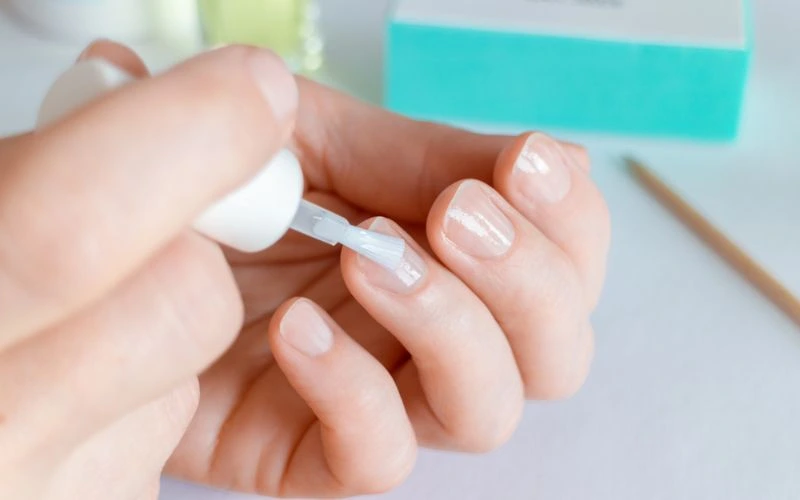
Using a top coat as a substitute for a base coat might seem tempting due to its shiny finish and quick-dry properties. However, doing so can have unfavorable consequences for your manicure.
When you apply nail polish directly onto bare nails or skip using a proper base coat, you risk experiencing issues such as poor adhesion, increased chipping, or premature peeling. Base coats provide an important bonding layer that helps the color polish adhere better to the nail surface. Without this foundation, your manicure may not last as long or look as flawless.
Additionally, top coats are designed to bond with the color polish and create a protective barrier that helps prevent smudging, fading, and chipping. They may not have the same adhesive properties as base coats, making them less effective at creating a durable surface for the color polish.
Furthermore, certain top coats contain specific ingredients or formulas that prioritize quick drying over ensuring a strong bond to the nail. While these top coats might be excellent for sealing in the color and providing shine, they may not offer the same level of adhesion and protection as a dedicated base coat.
Case Studies and User Experiences
To gain further insights into the difference between top coat and base coat, as well as whether they can be interchanged, let’s look at some case studies and user experiences.
Sarah, a nail technician with years of experience, has successfully used top coats as base coats on occasion when she couldn’t find her base coat bottle. While it worked reasonably well for her, she noticed that the polish didn’t adhere as strongly to the nails, and the wear time was slightly reduced compared to when using a proper base coat. This highlights the importance of using the right products for the intended purpose.
Another case study involves Maria, an avid nail polish enthusiast who decided to try using a base coat as a top coat due to its similar clear appearance. However, she found that the base coat didn’t provide the same level of shine and protection as a dedicated top coat. The result was a less glossy finish and increased chipping and peeling over time.
User experiences vary, with some individuals reporting success in interchanging top coats and base coats to some extent. For instance, Jennifer shared her experience of using a high-quality top coat instead of her regular base coat during a vacation. She noticed that although it wasn’t ideal, her nail polish lasted longer than expected without significant chipping.
However, it’s important to note that these experiences might not be consistent across all individuals and nail types. Factors such as natural nail condition, the type of polish used, and individual body chemistry can influence how well interchanging these products work.
While there are instances where people have experimented with using top coats as base coats or vice versa, it’s crucial to recognize that these alternative uses may not provide the same level of performance and longevity as when using dedicated products.

