
When achieving a flawless manicure, two essential players often go unnoticed – the base coat and the top coat. These seemingly simple products can transform your nails from lackluster to show-stopping. But what exactly are they, and why are they so important?
A base coat is the foundation of any great manicure. Applied before the colored polish, its primary purpose is to create a smooth surface for the polish to adhere to. Not only does it prevent staining and discoloration, but it also helps to extend the life of your manicure by providing a protective barrier between your nails and the polish.
Additionally, a good base coat can even out the ridges and imperfections on your nails, creating a flawless canvas for the color to shine.
On the other hand, a top coat is the finishing touch that takes your manicure to the next level. Applied over the colored polish, its main role is to seal in the color and add a glossy shine. But its benefits don’t stop there.
A high-quality top coat can also protect your nails from chipping, smudging, and fading, ensuring your manicure stays fresh and vibrant for days. It can even help speed up the drying process, saving precious time and preventing accidental mishaps.
While the base coat and top coat serve different purposes, they work hand in hand to create a long-lasting and flawless manicure. Together, they form a dynamic duo that enhances the appearance of your nails and protects them from damage.
In the following articles, we will delve deeper into the world of base coats and top coats, exploring their different types, application techniques, and the best products on the market. So, whether you’re a nail enthusiast looking to up your manicure game or a beginner seeking guidance, join us as we unlock the secrets to achieving perfectly polished nails.
Base Coat vs. Top Coat
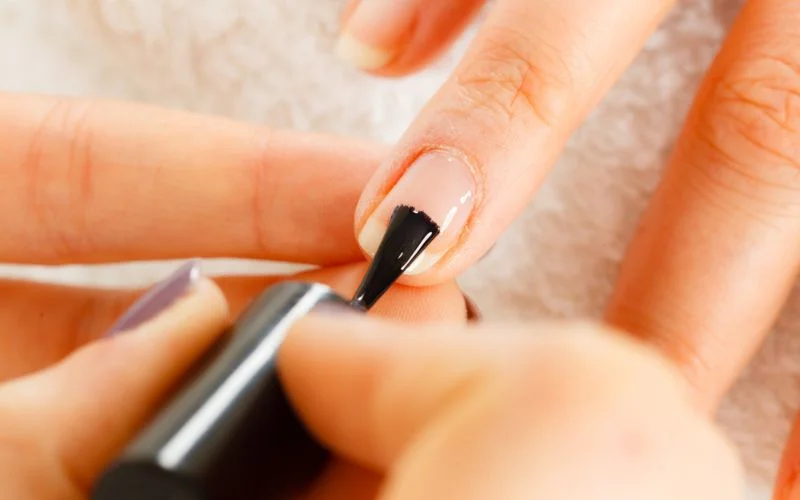
When it comes to nail polish, the base coat and top coat are two essential components that can significantly affect your manicure’s overall look and longevity. While both serve different purposes, they work together to create a flawless and long-lasting finish.
The base coat is the foundation of any manicure. It is applied before the colored polish and acts as a primer for your nails. The primary function of a base coat is to create a smooth surface for the polish to adhere to, preventing chipping and peeling.
It also helps to protect your natural nails from staining caused by pigmented polishes. The base coat helps maintain your nails’ health and strength by providing a barrier between your nails and the class.
On the other hand, the top coat is the final layer that seals and protects your manicure. It adds shine and gloss to the nails, giving them a salon-like finish. The top coat also acts as a shield, preventing the color from fading and chipping. It helps to extend the life of your manicure and keeps it looking fresh for longer.
While the base coat and top coat have different functions, they work together to enhance the overall performance of your manicure. Using both ensures that your polish lasts longer, resists chipping, and maintains its shine.
In conclusion, the base and top coats are essential to a successful manicure. While the base coat provides a smooth surface and protects your nails, the top coat adds shine and prolongs the life of your polish.
You can achieve a lasting, professional-looking manicure by incorporating both into your nail care routine. So, next time you reach for your favorite nail polish, don’t forget to apply both the base coat and top coat for the best results.
Difference between the two nail polishes: Which one should I apply first?
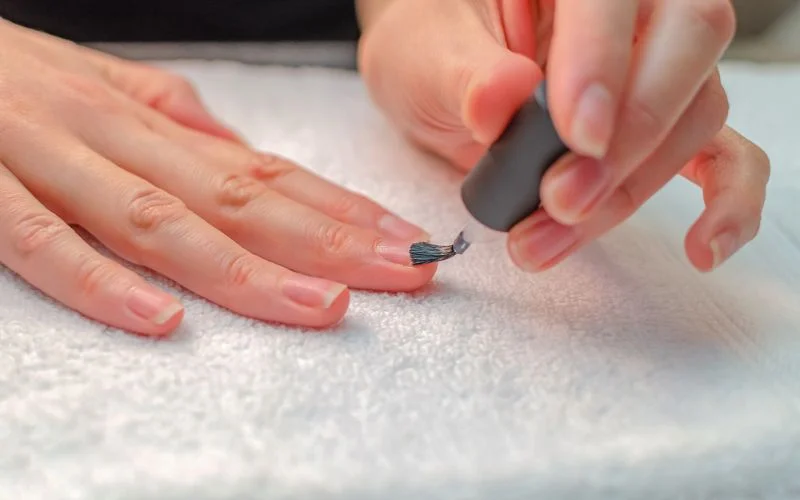
When it comes to nail polish application, many people wonder about the difference between base coat and top coat and which one should be applied first. Understanding the purpose and benefits of each can help you achieve a long-lasting and professional-looking manicure.
The base coat is a clear polish applied before the colored nail polish. Its main purpose is to create a smooth surface for the nail polish to adhere to. It helps prevent staining of the natural nails and provides a protective barrier. The base coat also helps extend your manicure’s wear time by preventing chipping and peeling.
On the other hand, the top coat is a clear polish that is applied over the colored nail polish. Its main purpose is to seal in the color and add shine to the nails. The top coat also helps protect the nail polish from chipping and fading, giving your manicure a professional and glossy finish.
So, which one should you apply first? The general rule of thumb is to always start with the base coat. By using the base coat first, you create a smooth and even surface for the colored nail polish to adhere to. This helps to prevent any unevenness or streaks in the final result.
Once the base coat has dried, you can apply your chosen color. After the colored nail polish has dried, finish your manicure using the top coat. This will seal in the paint, add shine, and provide extra protection.
In conclusion, the base coat and top coat play important roles in achieving a long-lasting and professional-looking manicure. You can enjoy beautiful and well-protected nails by understanding their purposes and applying them in the correct order.
Order of application for base coat and top coat What is the purpose of a base coat?
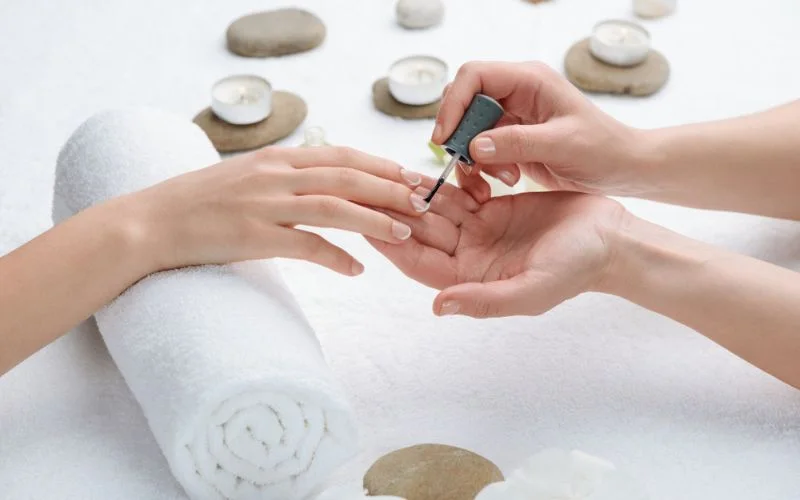
When achieving a flawless manicure or pedicure, the order of application for the base and top coats is crucial. Many people wonder whether they should apply the bottom or top coat first. In this article, we will explore the correct order of application and delve into the purpose of a base coat.
To start, let’s discuss the purpose of a base coat. A base coat is a clear polish applied before the colored polish. Its main function is to create a smooth surface for the colored polish to adhere to. It also helps to prevent staining of the natural nail and provides a protective barrier. Additionally, a base coat can help extend your manicure’s wear time.
Now, let’s move on to the order of application. The general rule of thumb is to apply the base coat first, then the colored polish, and finish with the top coat. Using the base coat first ensures the colored polish has a strong foundation to adhere to. This helps to prevent chipping and peeling.
The top coat, on the other hand, is applied as the final step in the manicure process. It seals in the colored polish, adds shine, and provides an extra layer of protection. The top coat also helps extend your manicure’s life by preventing chips and cracks.
In conclusion, the correct order of application for base coat and top coat is base coat, colored polish, and top coat. The purpose of a base coat is to create a smooth surface, prevent staining, and extend the wear time of your manicure. You can achieve a long-lasting and flawless manicure or pedicure by following these steps.
Benefits and functions of using a base coat What is the purpose of a top coat?
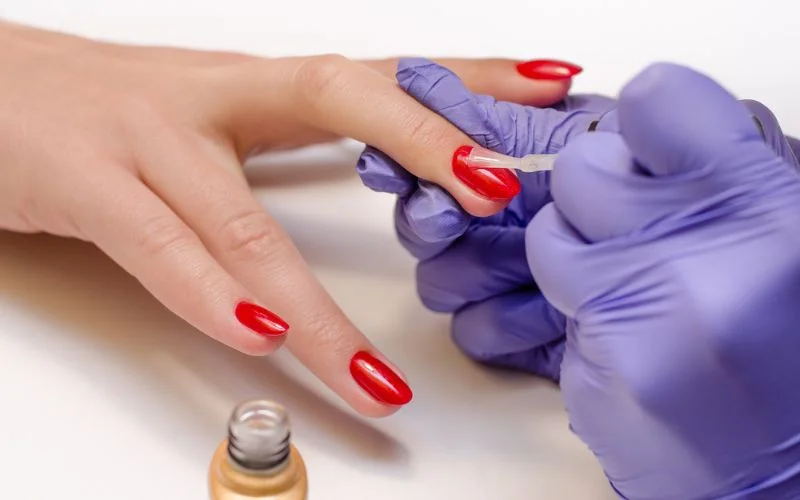
A base coat is an essential step in any nail care routine. It provides a smooth surface for the nail polish, helps the color adhere better, and prolongs the lifespan of your manicure.
The primary function of a base coat is to protect your nails from staining and damage caused by pigmented nail polishes. A barrier between the nail plate and the wax prevents yellowing and discoloration.
Additionally, a base coat can help strengthen weak and brittle nails. Many base coats are enriched with vitamins, proteins, and other nourishing ingredients that promote healthy nail growth. Regular use of a base coat can improve the overall condition of your nails, making them less prone to breakage.
On the other hand, a top coat serves a different purpose. Its main function is to seal and protect the nail polish, giving it a glossy finish and extending its wear time. A good top coat adds shine and prevents chipping and peeling. It acts as a shield, protecting against everyday wear and tear.
Moreover, a top coat can help speed up the drying process of your manicure. It forms a hard, protective layer that allows the polish underneath to dry faster. This is especially useful if you’re in a hurry or don’t have time to wait for your nails to dry completely.
The base coat protects the nails from staining and strengthens them, while the top coat seals in color and provides a glossy finish. Incorporating these two products into your nail care routine ensures that your manicure stays beautiful and chip-free for days.
Benefits and functions of using a top coatCan I skip using a base coat?
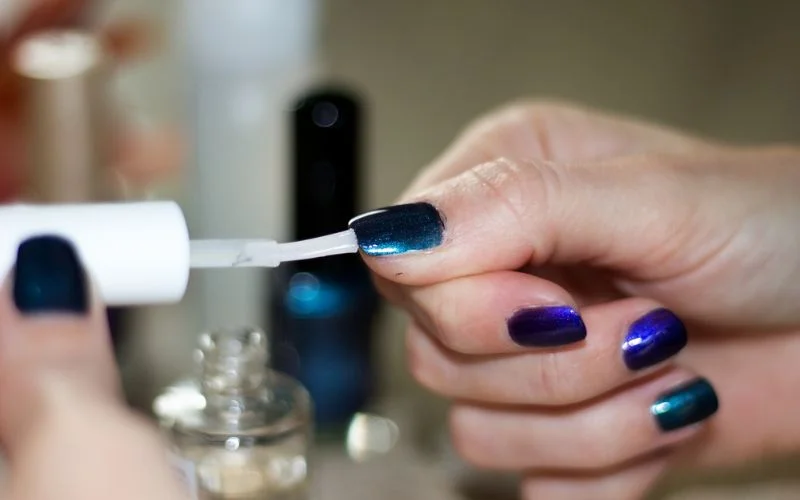
When it comes to nail care, using both a base coat and a top coat can make a significant difference in the longevity and appearance of your manicure.
While the base coat prepares your nails for polish application, the top coat provides the finishing touch that seals in the color and adds extra shine. Let’s explore the benefits and functions of using a top coat and whether you can skip using a base coat.
One of the primary benefits of using a top coat is that it helps extend your manicure’s life. Applying a top coat over your nail polish creates a protective barrier that helps prevent chipping and peeling. This is especially important if you lead an active lifestyle or frequently use your hands for various tasks.
In addition to increasing the durability of your manicure, a top coat also adds a glossy finish to your nails. This extra shine can make your nail polish look more vibrant and professional. It also helps to smooth out any imperfections or streaks in the polish, giving your nails a smoother and more polished appearance.
Now, can you skip using a base coat? While it is technically possible to cut the base coat, it is not recommended. The base coat serves as a foundation for the nail polish, helping it adhere better to the nails and preventing staining. It also provides a smoother surface for the polish to be applied on, resulting in a more even and long-lasting manicure.
In conclusion, a top coat offers several benefits, including increased durability and a glossy finish. However, skipping using a base coat is not advisable as it plays a crucial role in preparing the nails for polish application.
Incorporating a base coat and a top coat into your nail care routine allows you to achieve a longer-lasting and more professional-looking manicure.
Consequences of not using a base coatCan I skip using a top coat?
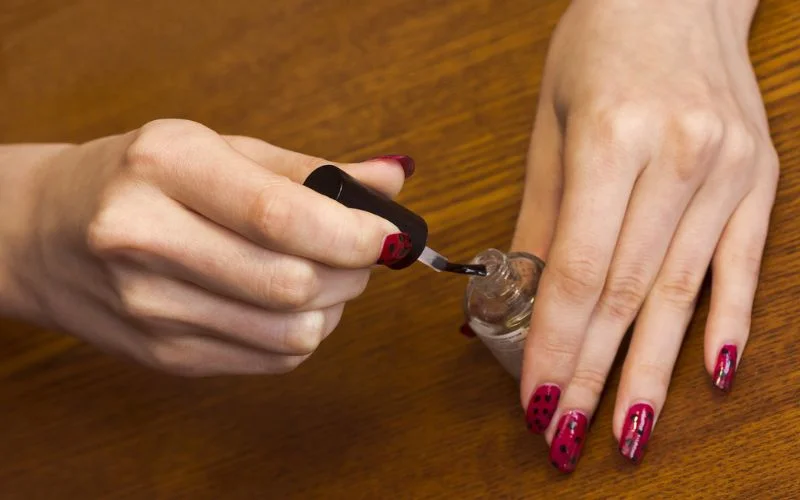
Regarding nail care, the importance of using a base coat and top coat cannot be overstated. These two products play crucial roles in ensuring your manicure’s longevity and overall appearance. But what happens if you skip using a base coat or top coat? Let’s explore the consequences.
Not using a base coat can have several negative effects on your nails. One of the main purposes of a base coat is to create a smooth surface for the nail polish to adhere to. Without it, your nail polish may not stick properly, leading to a shorter lifespan of your manicure.
Additionally, a base coat helps prevent the nails’ staining, especially with darker shades of polish. By skipping this step, you may find yourself dealing with unsightly discoloration.
Skipping the top coat can also have consequences. A top coat is designed to protect your manicure from chipping and peeling. It acts as a barrier, sealing in the color and adding an extra layer of durability. Without a top coat, your nails are more prone to damage, resulting in a shorter-lasting manicure.
Furthermore, a top coat adds shine and gives your nails a polished, professional look. It enhances the color and finish of your nail polish, making it appear more vibrant and glossy. By skipping this final step, your manicure may lack that salon-quality finish.
In conclusion, while it may be tempting to skip using a base coat or top coat, doing so can negatively affect the longevity and appearance of your manicure.
To ensure a long-lasting and beautiful result, it is essential to incorporate both a base coat and a top coat into your nail care routine. So, next time you paint your nails, don’t forget these crucial steps for a flawless finish.
What are the consequences of not using a top coat? Base coats and top coats have different formulas.
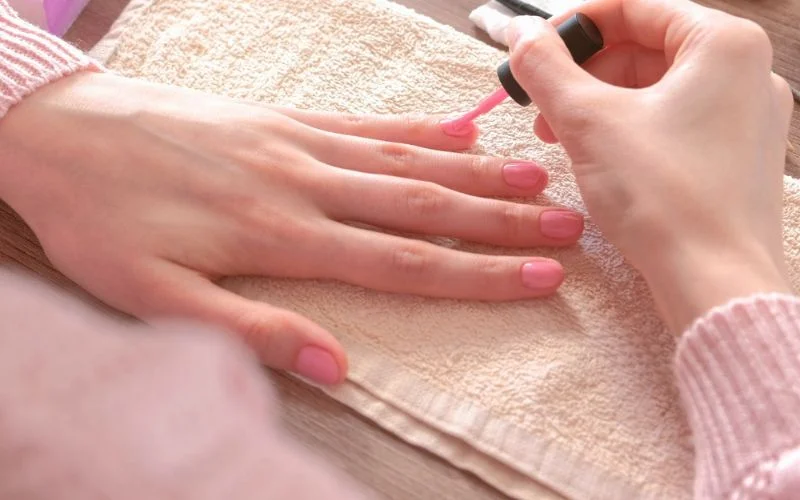
Base and top coats are essential components of a well-executed manicure or pedicure. While base coats provide a smooth and even surface for nail polish application, top coats play a crucial role in sealing and protecting the color.
But what happens if you skip the top coat? Are there any consequences? And do base coats and top coats have different formulas?
Not using a top coat can have several negative consequences. Firstly, your nail polish is more prone to chipping and peeling without a top coat.
The top coat is a barrier, preventing external factors like water, chemicals, and friction from damaging the polish. Additionally, a top coat enhances the longevity of your manicure, keeping it looking fresh and glossy for longer periods.
Furthermore, top coats provide an extra layer of protection against UV rays. Sun exposure can cause nail polish to fade and discolor over time. By applying a top coat with UV filters, you can shield your nails from harmful sun rays and maintain the vibrancy of your chosen color.
As for the formulas of base coats and top coats, they do differ. Base coats are designed to adhere to the natural nail surface, creating a smooth canvas for polish application.
They often contain proteins and vitamins to strengthen and nourish the nails. On the other hand, top coats are formulated to dry quickly and provide a high-shine finish. They may contain ingredients like polymers and resins to create a protective layer.
In conclusion, a top coat is crucial to achieve long-lasting, chip-free nail polish. It protects against damage, enhances the longevity of your manicure, and guards against UV rays. While base and top coats have different formulas, they are integral to maintaining beautiful and healthy nails.
Composition and ingredients of base coats and top coats: I use a top coat as a base coat.
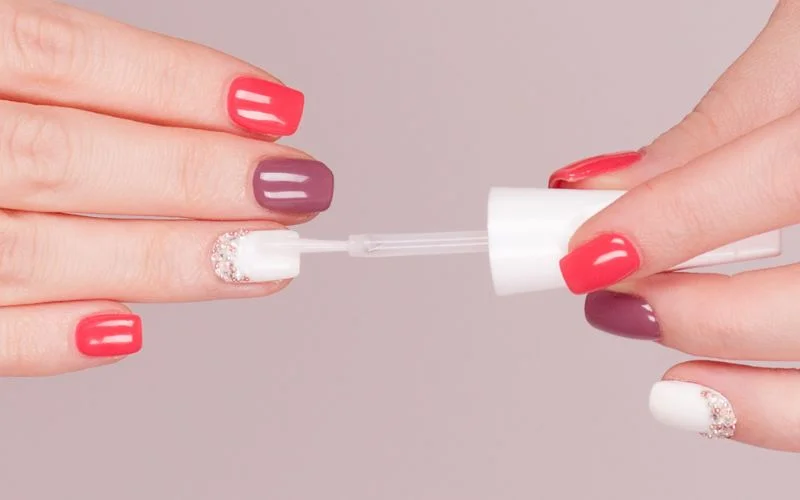
When it comes to achieving a flawless manicure, base coats and top coats play a crucial role. They protect your nails and enhance the longevity and appearance of your nail polish. But what exactly are base coats and top coats made of, and can you interchange them?
Base coats are specifically formulated to create a smooth surface for your nail polish. They contain polymers, resins, and adhesive agents that help the polish adhere better to your nails. Additionally, base coats often contain vitamins and proteins that nourish and strengthen your nails, preventing them from becoming brittle or damaged.
On the other hand, top coats are designed to seal and protect your nail polish. They contain ingredients like film-forming polymers and UV inhibitors that help prevent polish chipping, fading, and yellowing. Top coats also provide a glossy finish, giving your nails a professional salon look.
While base coats and top coats have similar functions, they are not interchangeable. Base coats are specifically formulated to adhere to your nails, allowing the polish to bond effectively. Using a top coat as a base coat may not provide the same level of adhesion, resulting in a shorter-lasting manicure.
Furthermore, top coats are usually thinner in consistency compared to base coats. This allows them to dry faster, creating a protective layer over your nail polish. Using a top coat as a base coat may result in a thicker layer, which can take longer to dry and may affect the overall appearance of your manicure.
In conclusion, base and top coats are essential for a long-lasting and professional-looking manicure. While they may share similar ingredients, their formulations are tailored to their specific functions. It is best to use them as intended to ensure optimal results.
Compatibility and effectiveness of using a top coat as a base coat
Regarding nail polish, the base coat and top coat are essential for achieving a long-lasting and professional-looking manicure. While they serve different purposes, there has been a growing trend of using a top coat as a base coat. But is it compatible and effective?
Using a top coat as a base coat may seem like a convenient shortcut, but it is important to consider the compatibility of the products. Base coats are specifically formulated to bond with the nail plate and provide the necessary adhesion for the nail polish.
Top coats, on the other hand, are designed to be applied over dry nail polish. This difference in formulation may affect the overall performance and longevity of the manicure.
While some claim that using a top coat as a base coat works fine, others have reported issues such as peeling, chipping, and shorter wear time. It is important to note that using a top coat as a base coat may not provide the same level of adhesion and durability as a dedicated base coat.
Conclusion
“Base Coat vs. Top Coat” is essential for anyone interested in achieving long-lasting and flawless nail polish applications. This post has discussed the key points surrounding these two nail polishes and their differences.
We have learned that the base coat and top coat serve different purposes in the nail polish application process. The base coat is a protective barrier between the nail and the colored polish, preventing staining and promoting better adhesion. On the other hand, the top coat seals in color and adds shine, extending the polish’s wear time.
The order of application is crucial, with the base coat being applied first, then the colored polish, and finally, the top coat. This sequence ensures the best results and maximum longevity.
Skipping a base coat can have consequences, such as staining, weak nails, and shortened polish wear time. Similarly, cutting the top coat can lead to chipping, dullness, and a shorter lifespan for your manicure.
Base coats and top coats have different formulas, with the base coat typically containing ingredients that promote adhesion and nail health. In contrast, the top coat includes components for shine and durability.
There may be future developments in base and top coat formulas, with advancements in technology and ingredients. It is important to stay updated on these trends to ensure the best results for your nail polish application.
Thank you for taking the time to read this post on “Base Coat vs. Top Coat.” We hope you have gained valuable insights and tips for achieving a long-lasting and beautiful manicure. Feel free to leave any comments or feedback; we would love to hear from you!

