

Key Takeaways
- Beau’s lines are horizontal indentations or ridges across the nails, indicating disruptions in nail growth caused by various factors.
- Early recognition of Beau’s lines and seeking medical advice are crucial for effective management and addressing underlying health issues.
- Treatment options may include addressing the root cause through supplementation, lifestyle adjustments, or medical intervention.
- Preventive measures such as maintaining a balanced diet, staying hydrated, moisturizing nails, and avoiding trauma to the nail bed can help reduce the risk of developing Beau’s lines.
- Beau’s lines can sometimes indicate more severe underlying health conditions, highlighting the importance of thorough evaluation by a healthcare provider.
- Consultation with a dermatologist or healthcare provider can offer personalized treatment options to improve nail health and appearance.
What Is Beau’s Lines?
Causes of Beau’s Lines
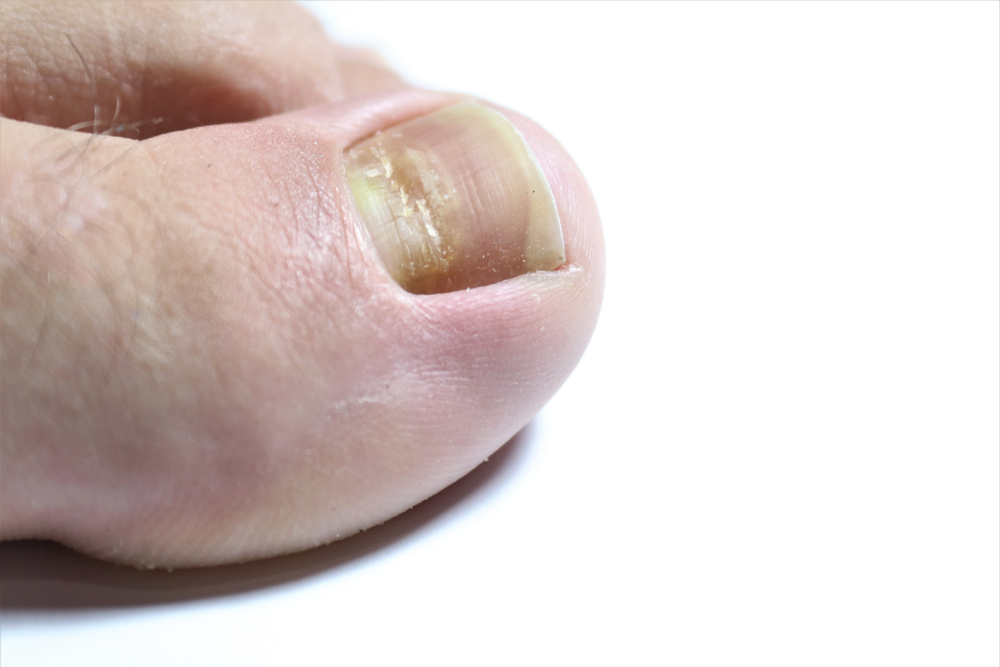
Beau’s lines, those horizontal depressions on the nails, can be caused by various factors.
- Trauma to the nail matrix: Physical injury, such as hitting a finger with a hammer or slamming it into a door, disrupts nail growth and causes Beau’s lines.
- Systemic illness or infection: Conditions like diabetes, pneumonia, or high fever disrupt normal bodily functions, including nail growth, leading to Beau’s lines as a visible sign.
- Nutritional deficiencies: Lack of essential nutrients such as iron, zinc, or vitamin C affects nail health, contributing to developing Beau’s lines.
- Medications or treatments: Certain treatments like chemotherapy can impair nail health, forming Beau’s lines.
Overall, Beau’s lines can be a telling sign of various underlying issues, from physical trauma to systemic illnesses. Understanding the potential causes of these nail abnormalities can help individuals identify and address any related health concerns.
Symptoms of Beau’s Lines
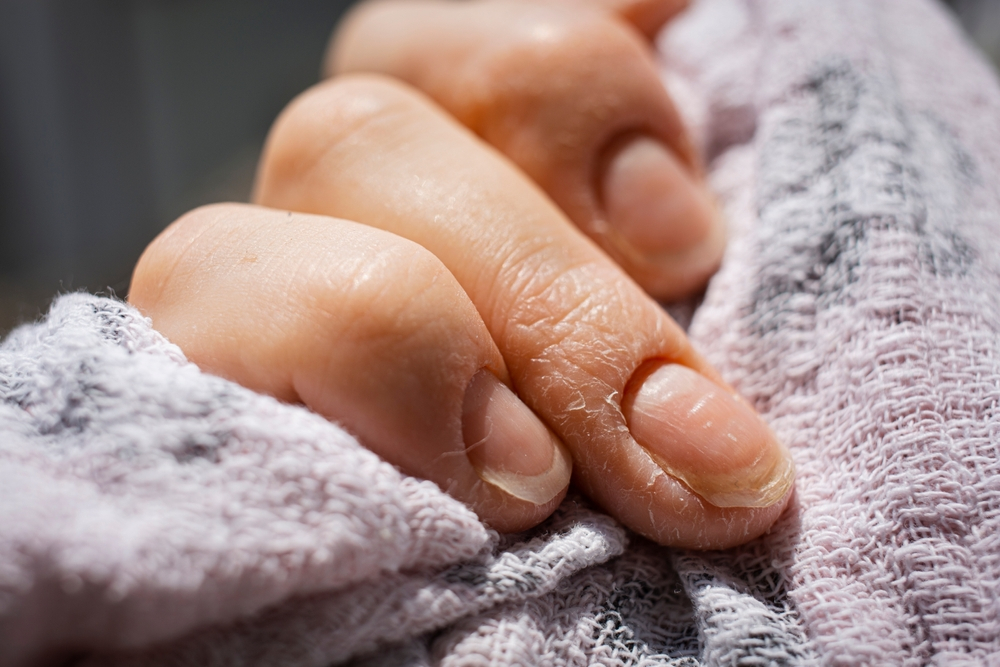
Beau’s lines, also known as transverse furrows or grooves, are indentations that appear across the nails. These lines can indicate underlying health conditions and provide important clues about a person’s health.
One of the main symptoms of Beau’s lines is the presence of horizontal depressions or ridges on the nails. These lines can be shallow or deep, and they may affect one or more nails on the fingers or toes. In some cases, the lines may be accompanied by discoloration or changes in nail shape.
Beau’s lines can develop as a result of a variety of factors, including trauma to the nail bed, severe illness, malnutrition, or certain medications. They can also be signs of systemic diseases such as diabetes, peripheral vascular disease, or thyroid disorders.
Diagnosis of Beau’s Lines
Beau’s lines are a common condition characterized by deep grooves or ridges that run across the nails. These lines can indicate various underlying health issues, such as malnutrition, trauma, or systemic diseases. To diagnose Beau’s lines, healthcare professionals typically physically examine the nails, looking for any visible abnormalities or changes in the nail bed.
Examination and Medical History
During the examination, doctors inquire about the patient’s medical history and recent events that may have triggered Beau’s lines. This comprehensive approach aids in understanding the context and potential causes of the condition.
Additional Tests
In some cases, further tests like blood work or imaging studies may be necessary to uncover the underlying cause of Beau’s lines. These tests provide valuable insights into the patient’s overall health and aid in accurate diagnosis.
Importance of Prompt Medical Attention
Prompt medical attention is crucial upon noticing nail changes, as Beau’s lines can signal underlying health issues. Early diagnosis and treatment are essential for preventing complications and improving outcomes for patients with this condition.
Beau’s Lines Treatment Options
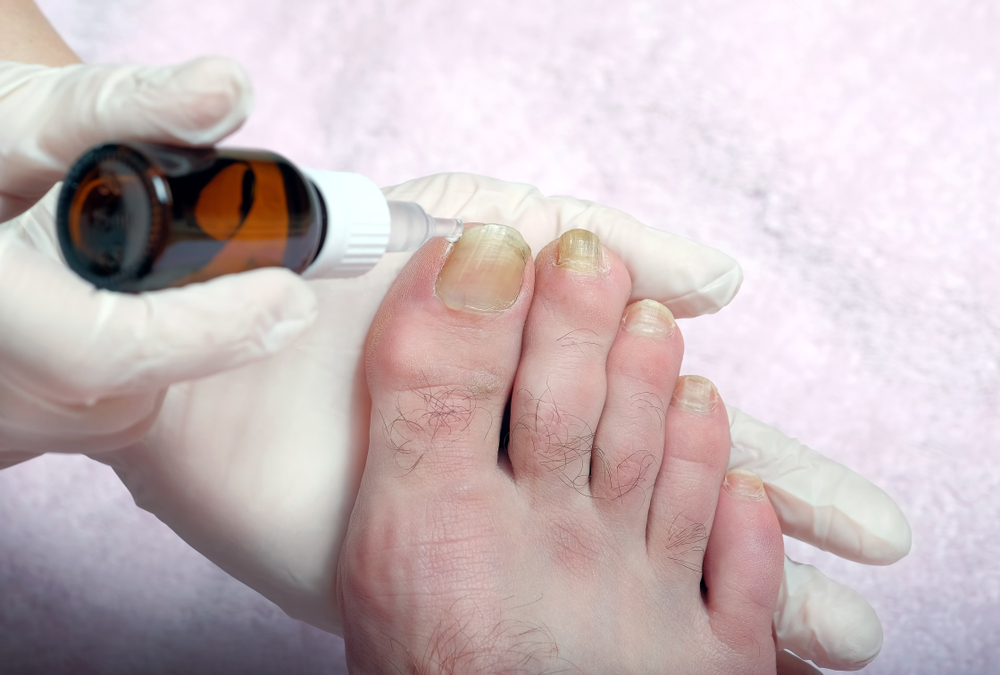
Beau’s lines, also known as transverse furrows or grooves, are indentations that appear across the nails. Various factors, such as trauma, illness, or nutritional deficiencies, can cause them. Depending on the underlying cause, several options are available for treating Beau’s lines.
Addressing Root Cause
One common treatment for Beau’s lines is addressing the condition’s root cause. If the lines are caused by a nutritional deficiency, such as a lack of vitamins or minerals, supplementing with the necessary nutrients can help improve the health of the nails and promote new growth.
Protection from Further Damage
In cases where Beau’s lines result from trauma or injury to the nail bed, it is important to protect the nails from further damage. This can be done by avoiding activities that pressure the nails, such as excessive typing or playing instruments.
Medical Intervention for Severe Cases
For individuals with severe Beau’s lines that are causing pain or discomfort, seeking medical attention from a dermatologist or healthcare provider may be necessary. They can provide treatment options such as topical medications or procedures to help improve the appearance and health of the nails.
Overall, the key to treating Beau’s lines is identifying the underlying cause and addressing it accordingly. Individuals can effectively manage this condition and promote healthy nail growth by improving nail health and preventing further damage.
Prevention of Beau’s Lines
Beau’s lines, those horizontal depressions on the nails caused by various factors such as illness, trauma, or malnutrition, can be prevented with proper care and attention to overall health.
- Balanced Diet: Maintain a diet rich in essential nutrients, including vitamins, minerals, and proteins, to strengthen nails and encourage healthy growth, thereby reducing the risk of Beau’s lines.
- Hydration: Ensure adequate hydration to benefit overall health and nail health. Dehydration can lead to brittle nails, making them more vulnerable to damage and the development of Beau’s lines.
- Moisturizing: Regularly moisturize nails and cuticles to prevent dryness and cracking, which can increase susceptibility to Beau’s lines and improve nail strength and resilience.
- Avoiding Trauma: Protect nails from trauma by avoiding activities that exert excessive pressure, such as repetitive tapping or typing. Also, steer clear of harsh chemicals that can weaken the nails.
By incorporating these preventive measures into your daily routine, you can reduce the risk of developing Beau’s lines and maintain healthy, beautiful nails. Remember, prevention is always better than cure for nail health.
Prognosis for Beau’s Lines
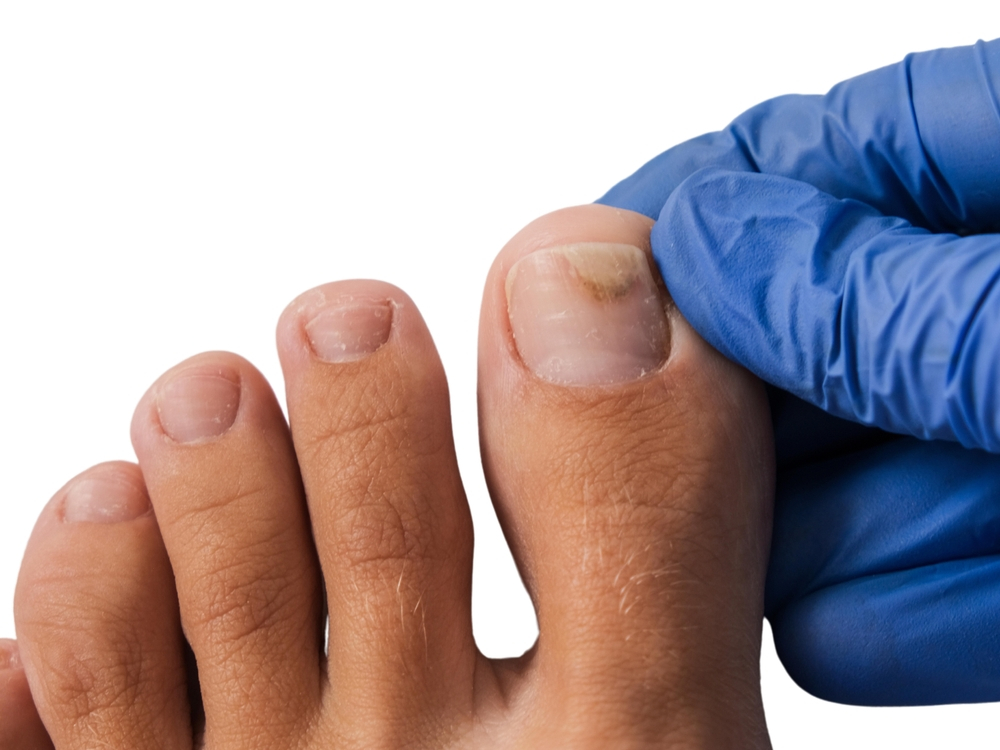
Beau’s lines, characterized by indentations across the nails, can concern those affected. The prognosis for Beau’s lines varies depending on the underlying cause and the individual’s overall health. In most cases, Beau’s lines are temporary and will grow out as the nail regenerates.
Trauma to the Nail Matrix
One common cause of Beau’s lines is trauma to the nail matrix, often resulting from injuries or infections. The prognosis is generally favorable, as the lines disappear as the nail grows. However, persistent Beau’s lines may occur with severe or ongoing trauma.
Underlying Health Issues
Beau’s lines can stem from systemic illnesses, nutritional deficiencies, or certain medications. Addressing the root cause is pivotal for improving prognosis. Treating underlying illnesses or adjusting medication dosage can aid nail recovery and diminish the appearance of Beau’s lines.
Indication of Serious Health Conditions
Beau’s lines may sometimes signal more severe health conditions like diabetes or peripheral vascular disease. Thorough evaluation by a healthcare provider is crucial in such cases to determine appropriate treatment and management plans.
Overall, the prognosis for Beau’s lines is generally favorable, especially when the underlying cause is identified and addressed promptly. By understanding the potential causes and seeking appropriate medical care, individuals can improve the appearance of their nails and promote overall nail health.
Seeking Medical Advice for Beau’s Lines
Beau’s lines, also termed transverse furrows or ridges, are nail indentations that can arise from various causes such as trauma, illness, or nutritional deficiencies. Though seemingly innocuous, they can sometimes signify deeper health issues necessitating medical attention. Seeking prompt medical advice upon noticing Beau’s lines is crucial. A healthcare provider can conduct a thorough examination, potentially including blood tests, to pinpoint the underlying cause. Treatment typically involves addressing the root issue through supplementation for deficiencies or appropriate medical intervention for illnesses.
Ignoring Beau’s lines can lead to complications, making timely medical consultation imperative. By seeking professional guidance, individuals can receive proper treatment, mitigating further complications and ensuring holistic health. Nails offer valuable insights into overall well-being, underscoring the importance of promptly addressing any concerning changes.

