
Identifying Vitamin Deficiency: Signs and Symptoms
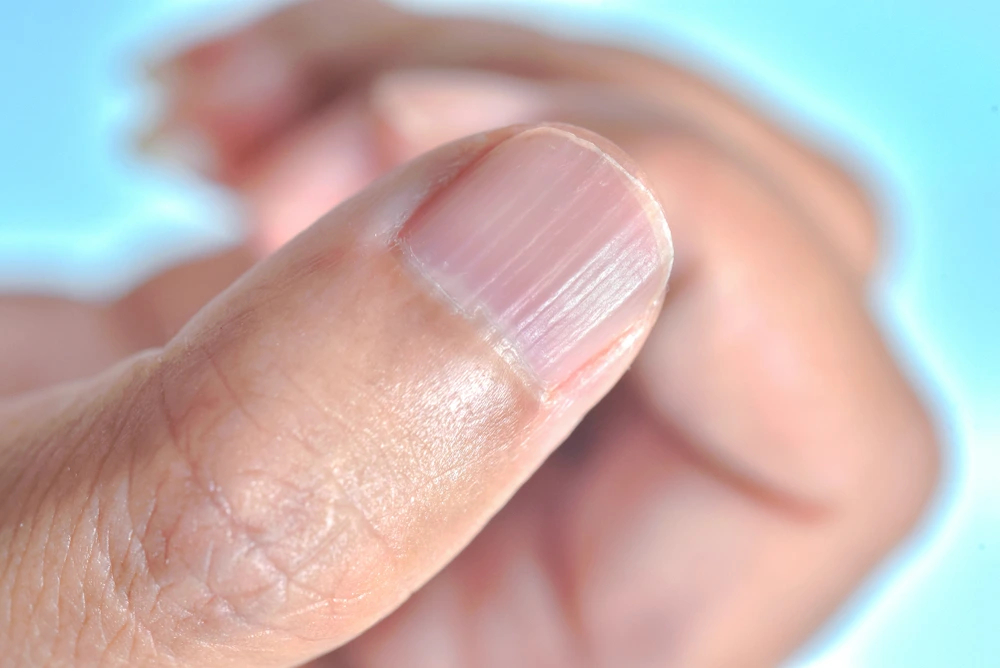
Your nails can reveal a lot about your health. They’re like little warning signs, offering insights into what’s happening inside your body. So, when it comes to vitamin deficiencies, they are often the first to show signs of trouble.
Think of your nails as little messengers, dropping hints about something going wrong internally. If you notice your nails become weak and brittle, with a tendency to break easily, it could be a sign that you lack certain vitamins.
Do you see white spots or lines on your nails? They might seem like random marks, but they can indicate a lack of essential nutrients. Nails that are slow to grow or are discolored may also signal that something’s off.
Dry, inflamed cuticles or frequent hangnails are other signs of potential vitamin deficiencies. And don’t overlook the shape and texture of your nails—spoon-shaped or ridged nails, for example, might also mean that your body is missing important vitamins.
Remember, while these symptoms may seem minor and insignificant at first glance, they are vital warning signs that should prompt action.
Understanding these signals from your nails is like uncovering secret messages about your health. Knowing what to look for could be the key to addressing potential vitamin deficiencies promptly and effectively.
These subtle indicators from your nails are valuable clues to your overall health. We must recognize these signs early on as we investigate the intricate relationship between nail health and nail vitamin deficiency.
Link Between Nail Health and Vitamin Deficiency
Your nails can reveal much about your overall well-being, often offering valuable insights into potential vitamin deficiencies. For example, a study published in the Journal of Clinical and Aesthetic Dermatology found that vitamin B12 deficiency can result in brittle nails for up to 31% of individuals with this deficiency. Similarly, research in the Journal of Drugs in Dermatology indicates that biotin deficiency can cause brittle nails, affecting 35% of individuals with this specific deficiency.
Understanding these connections empowers individuals to identify the underlying causes of their nail concerns, prompting them to address the root deficiencies for lasting improvement. It’s incredible how our bodies communicate through such subtle signals, urging us to pay closer attention to our nutritional needs.
Consider the impact of iron deficiency on your nails. A Journal of the European Academy of Dermatology and Venereology study suggests that vitamin D deficiency is associated with nail changes, such as ridging and pitting, in 67% of cases. Additionally, according to a study in the Journal of the American Academy of Dermatology, iron deficiency anemia can lead to koilonychia (spoon-shaped nails) in 40% of affected individuals.
Our nails serve as sensitive indicators of potential nutrient deficiencies within our bodies. Instead of simply addressing outward symptoms—like brittle or spoon-shaped nails—it’s critical to focus on the internal cause: the deficiency itself. This approach enhances the health and appearance of our nails and contributes to our overall well-being.
This insight should motivate us to examine our diets closely and consider the possible deficiencies we might be experiencing. After all, healthy nails are not just about aesthetics; they directly reflect our overall health status.
With a deeper understanding of how vitamin deficiencies impact nail health, it’s valuable to explore the specific roles of iron, zinc, and calcium in maintaining strong and healthy nails.
The Role of Iron, Zinc, and Calcium in Nail Health

Nails are more than a fashion statement; they indicate our overall health. Let’s start with iron, an essential mineral that carries oxygen to your body’s cells.
Role Of Iron
When your body doesn’t have enough iron, it can lead to anemia, a condition where there aren’t enough red blood cells to carry oxygen around your body. One of the visible signs of anemia can be brittle or spoon-shaped nails.
Here’s an idea: think of your blood as a shipment company, and the red blood cells are the trucks carrying the oxygen (the goods) around. When there aren’t enough trucks (red blood cells), the goods (oxygen) don’t get where they need to be, which can cause problems.
Role Of Zinc
Now, let’s talk about zinc. This mineral is crucial for healthy nail growth and repair. If your nails are peeling or splitting regularly, it could indicate that they need more zinc.
- Zinc acts like a handyman for your nails – it helps build and fixes them when they wear and tear. Foods like pumpkin seeds, chickpeas, and cashews are great sources of zinc.
- Another thing about zinc is that it plays a big role in helping proteins in our bodies work properly. And proteins are the building blocks that make our nails strong from the inside out.
Role Of Calcium
Next up is calcium. You might already know that calcium is important for building strong bones, but it’s just as important for building strong nails.
- Imagine calcium as the bricks needed to build a sturdy house – without enough bricks, the house won’t hold up well. The same goes for your nails; they’re more likely to break and split without enough calcium.
- Dairy products are especially rich in calcium, but if you’re not into dairy, leafy greens, and fortified plant-based milk are other valuable sources of this essential mineral.
Iron, zinc, and calcium – these minerals are like the behind-the-scenes heroes that keep our nails healthy from within. By including foods rich in these nutrients in our diet, we can give our nails the support they need to stay strong and beautiful.
As we seamlessly transition from understanding how specific minerals contribute to nail health, let’s explore dietary changes that can further enhance the strength and appearance of our nails.
Dietary Changes to Improve Nail Health
Regarding nail health, your diet can significantly impact how your nails grow and look. Incorporating specific nutrients into your meals can yield noticeable improvements. Let’s break it down.
The Power of Protein
Protein is essential for the growth of strong, healthy nails. Eggs, lean meats like chicken or turkey, and legumes such as lentils and chickpeas are excellent sources of protein that can aid in nail growth and strength. Proteins are the building blocks of life; they repair and regenerate tissues, contributing to healthy nail growth. Consuming adequate protein ensures that your body has all the necessary materials for creating strong nails that resist splitting and breaking.
Harnessing Omega-3 Fatty Acids
Omega-3 fatty acids are incredibly beneficial for overall health, especially nail health. Foods like fatty fish (salmon, mackerel), walnuts, and flaxseeds are rich in omega-3 fatty acids. These fatty acids combat nail brittleness, reduce fragility and promote strength. They are crucial for maintaining the natural oil barrier of the skin and nails, leading to better moisture retention and stronger, more flexible nails.
Embracing Vitamin C
Vitamin C is renowned for its immune-boosting properties, but it also plays a key role in promoting healthy nail growth. Vitamin C-rich foods such as oranges, bell peppers, and strawberries can encourage collagen production, essential for healthy nail growth. Collagen is a structural protein that provides strength and resilience to our nails, helping maintain the integrity of the nail bed and preventing nail brittleness and breakage.
By incorporating these dietary changes into your daily routine, you’ll supply your body with the essential nutrients it needs to support healthy nail growth and combat common deficiencies that can lead to weakened or brittle nails.
These dietary modifications pave the way for effective nail health maintenance and offer a solid foundation for exploring optimal supplemental support in the journey towards healthier, more resilient nails.
Recommended Supplements for Nail Health

When it comes to nail health, sometimes our diet alone isn’t enough to provide all the essential nutrients our nails need to stay strong and healthy. This is where supplements can assist, providing an extra boost of key vitamins and minerals that can help address nail health concerns. Look at some of the top recommended supplements for maintaining strong, beautiful nails.
Biotin (Vitamin B7)
Biotin, known as Vitamin B7, supports healthy hair, skin, and nails. It helps strengthen brittle nails and reduces breakage. The recommended daily intake for adults is 30-100 mcg, and incorporating a biotin supplement into your routine can improve overall nail health.
If you’re considering adding a biotin supplement to your daily regimen, it’s important to consult with a healthcare professional to determine the appropriate dosage that aligns with your specific needs.
Iron
Iron deficiency can manifest in various ways, including brittle or concave-shaped nails. If your nails exhibit signs of discoloration, weakness, or an unusual spoon-like shape, it might indicate a lack of iron in your system. The recommended daily intake for adults is 8-18 mg. Iron supplements can help address this deficiency and improve your nails’ overall strength and appearance.
It’s crucial to undergo blood tests to diagnose any potential iron deficiency before incorporating iron supplements into your routine. As excessive iron intake may lead to complications, including toxicity, seeking professional advice is essential in determining the appropriate course of action.
Omega-3 Fatty Acids
Omega-3 fatty acids promote overall health, including nail strength and growth benefits. These essential fatty acids are found in fish, flaxseed, and chia seeds. Including omega-3 supplements in your diet can aid in addressing issues related to dry, brittle nails by nourishing them from within.
While incorporating omega-3 supplements, it’s important to maintain a balanced approach and not exceed the recommended daily intake. Additionally, obtaining omega-3 fatty acids through natural dietary sources such as fish can significantly benefit overall health.
Incorporating these recommended supplements into your routine can provide valuable support for maintaining optimal nail health. However, it’s important to approach supplementation with care and consideration under healthcare professionals’ guidance to ensure the best outcomes for your needs.
With a deeper understanding of essential nail health supplements, let’s shift our focus toward proactive measures to help prevent future vitamin deficiencies and promote overall well-being.
Preventing Future Deficiency: Daily Multivitamin & Diet Tips
Good nail health often starts from within. When it comes to your nails, what you consume can have a significant impact. You can significantly boost your iron levels by incorporating iron-rich foods such as lean meats, beans, and spinach into your daily meals. Low iron levels can lead to brittle or spoon-shaped nails. Adding biotin sources such as almonds, sweet potatoes, and eggs can also play a vital role in maintaining strong and healthy nails.
Regarding foods rich in omega-3 fatty acids, consider incorporating fatty fish like salmon or trout. But if fish isn’t your thing, flaxseeds or walnuts are great alternative sources. These essential fatty acids are known to promote healthy nail growth.
Important Dietary Components for Nail Health
| Component | Foods High In This Component |
| Iron | Lean meats, beans, spinach |
| Biotin | Almonds, sweet potatoes, eggs |
| Omega-3 Fatty Acids | Salmon, trout, flaxseeds, walnuts |
In addition to dietary changes, taking a daily multivitamin can provide an added layer of support for maintaining overall nail health. The typical multivitamin should supply B vitamins, calcium, vitamin C, folic acid, and essential fatty acids—all crucial components for strong and healthy nails.
It’s also important to be mindful of vitamin E intake. This vitamin plays a significant role in promoting blood circulation, which is essential for optimal nail health. Foods rich in vitamin E include sunflower seeds, spinach, and avocado.
Understanding Vitamin-Rich Foods
| Vitamin | Food Sources |
| Vitamin E | Sunflower seeds, spinach, avocado |
| Vitamin C | Oranges, strawberries, bell peppers |
| Biotin | Almonds, sweet potatoes, eggs |
Finally, making small but impactful changes like drinking plenty of water to stay hydrated and snacking on nuts and seeds can provide the essential nutrients to grow strong and healthy nails. We can significantly improve our nail health over time by being conscious of what we put into our bodies and ensuring we receive the necessary vitamins and minerals through our diets or multivitamin supplements.
To learn more about maintaining nail health and preventing deficiencies, visit Nail Problems. Take charge of your nail health today!

