
Have you ever considered how much water traditional pedicures waste? A waterless pedicure might be the solution you’re looking for. By skipping the soaking step, you save gallons of water and embrace a more sustainable approach to nail care. This method also brings hygiene benefits and can extend the life of your polish. But what exactly happens during a waterless pedicure, and are there any drawbacks you should be aware of? Let’s explore how this innovative technique could change your next salon visit.
Key Takeaways
- Waterless pedicure skips the soaking step, using heat treatments, creams, and lotions instead.
- Saves 12-15 gallons of water per service, supporting eco-friendly practices.
- It enhances nail polish longevity and promotes nail health.
- Reduces infection risk by avoiding communal water tubs.
- Provides a spa-like experience with specialized relaxation techniques and non-toxic products.
What Is a Waterless Pedicure?
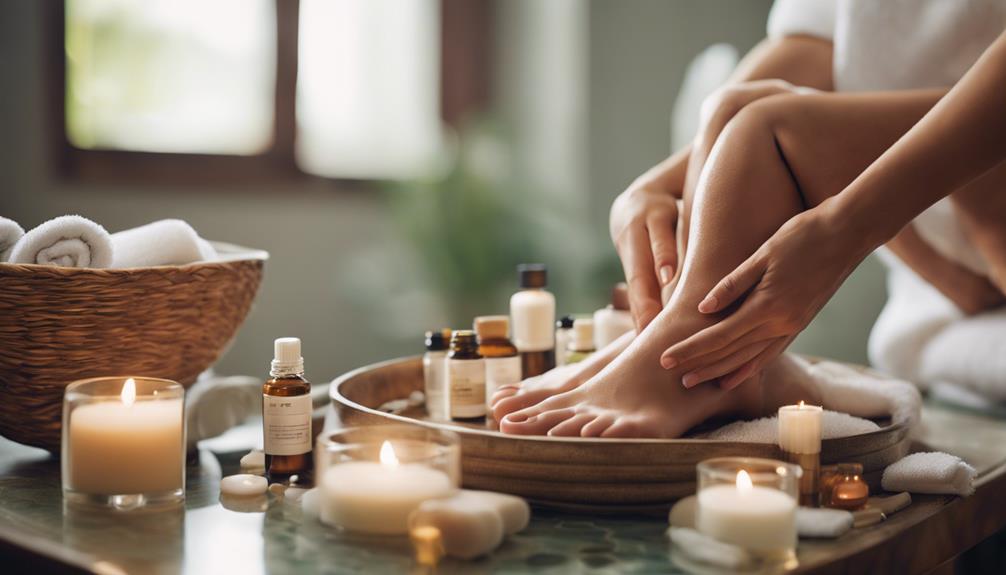
A waterless pedicure skips the traditional soaking step, using heat treatments, creams, and lotions for hydration. This approach isn’t only innovative but also prioritizes hygiene and efficiency. By eliminating the soak, you avoid the communal water tubs that can harbor bacteria and fungi, making the process much more hygienic. This means fewer chances of infections and a safer experience for both clients and salon staff.
Efficiency is another key advantage. Without the need to fill and drain foot baths, a waterless pedicure streamlines the entire process. You get to spend more time on the actual pampering and less on the setup. This method saves a significant amount of water—up to 12 to 15 gallons per service—making it an eco-friendly choice.
You’ll often encounter various techniques in a waterless pedicure, such as Japanese Waterless Pedicure, Dry Pedicure, Gel Pedicure, Cream Pedicure, and Callus Peel Pedicure. Each offers a unique twist but maintains the core principle of skipping the soak.
Non-toxic polish brands such as CND, DazzleDry, and Zoya are commonly used, ensuring a healthier nail care experience. Adopting this method aligns with modern beauty standards and emphasizes overall wellness.
Benefits of a Waterless Pedicure
Switching to a waterless pedicure offers numerous benefits, making it a superior choice for clients and nail technicians. For one, it saves approximately 12 to 15 gallons of water per service, a significant step toward environmental conservation. This sustainable approach helps the planet and positions your nail salon as an eco-friendly establishment.
Moreover, skipping the soaking step helps maintain the longevity of nail polish. Without soaking, the nails remain less porous, allowing every layer of polish to adhere better and last longer. You’ll notice that your clients’ nail colors stay vibrant for extended periods.
Additionally, waterless pedicures streamline the process, saving you valuable time. This efficiency means you can serve more clients without compromising on quality. Plus, you’ll find that dealing with dead skin becomes easier with the specialized products used in waterless pedicures, offering a more effective exfoliation.
| Benefit | Description |
|---|---|
| Water Conservation | Saves 12-15 gallons of water per service |
| Polish Longevity | Nails remain less porous, allowing polish to last longer |
| Time Efficiency | Streamlines the pedicure process, serving more clients efficiently |
| Effective Dead Skin Removal | Specialized products make exfoliation more effective |
Switch to a waterless pedicure for a modern, efficient, eco-friendly nail salon experience.
Hygiene Advantages
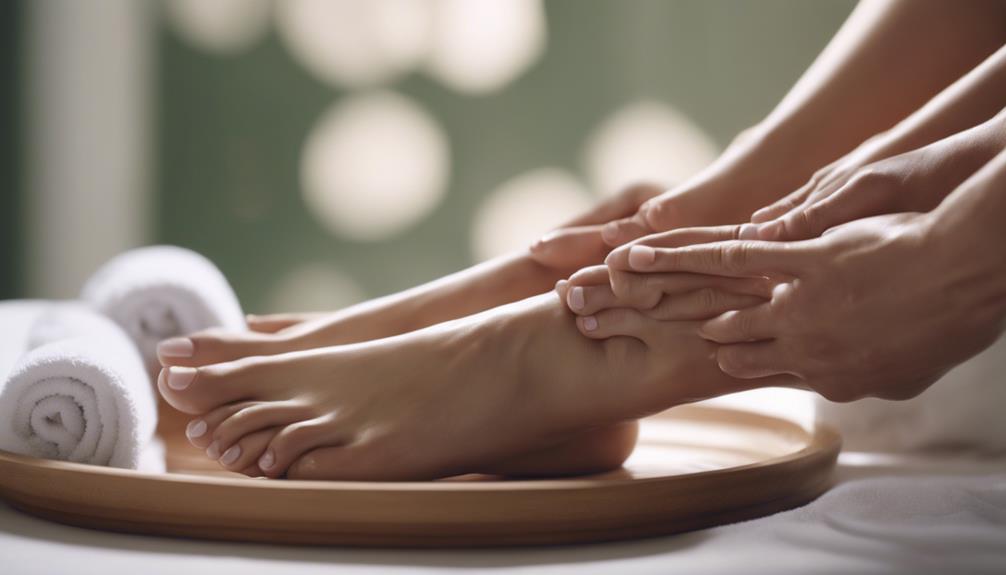
Ditching the traditional footbath in favor of a waterless pedicure reduces the risk of infections. You’re not exposed to potential bacteria that can thrive in standing water by avoiding shared footbaths. This means you can enjoy a pedicure without worrying about catching an infection, making it a safer choice for your feet.
Waterless pedicures also promote a more hygienic salon environment. Without the soaking step, there’s no chance for water to become contaminated with bacteria or fungi, keeping both clients and salon staff safer. Let me know if you’ve ever felt uneasy about the cleanliness of a footbath; waterless pedicures eliminate those concerns.
Additionally, salon staff benefit from not being exposed to excess water and potential contaminants. This creates a healthier work environment for everyone involved.
Waterless pedicures are also more efficient, allowing for a quicker and more streamlined experience. You can get in and out of the salon faster without sacrificing the quality of your pedicure.
Environmental Impact
Not only do waterless pedicures boost hygiene, but they also significantly impact the environment. Opting for a waterless pedicure contributes to water conservation efforts, as each service saves approximately 12 to 15 gallons of water. This reduction in water usage is vital for promoting sustainable practices within the beauty industry.
Traditional pedicure methods often result in substantial water wastage, but the shift towards waterless pedicures aligns with growing eco-friendly trends. This eco-conscious approach minimizes your environmental footprint and supports a broader movement towards sustainability. The beauty industry is notorious for its environmental impact, but choosing waterless pedicures helps mitigate some of these effects.
Moreover, waterless pedicures exemplify sustainable practices that can be easily adopted in salons and spas. Reducing the need for foot soaking means less water is used overall, directly translating to less strain on our precious water resources. It’s a simple yet effective way to contribute positively to the environment while enjoying beauty treatments.
Polish Longevity
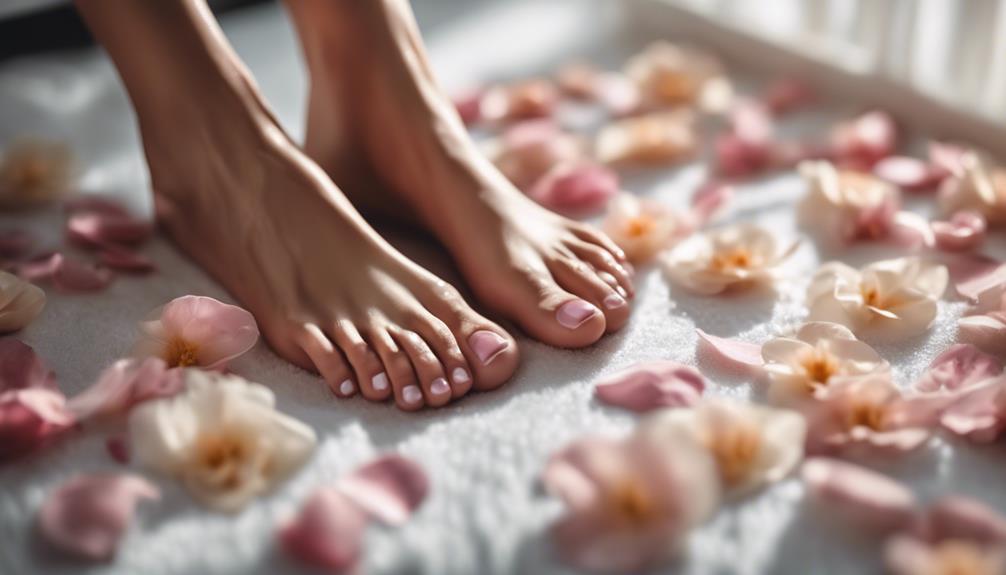
Waterless pedicures greatly enhance the longevity of your nail polish by skipping the soaking step, which can lead to chipping or peeling. The nail polish adheres more effectively to the nail bed by eliminating water, promoting nail health, and ensuring long-lasting results. This method maintains the integrity of the polish, offering a more durable and polished look for an extended period.
To guarantee your pedicure lasts even longer, follow these maintenance tips:
| Factors | Impact |
|---|---|
| Nail Health | Stronger nails, better polish adhesion |
| Polish Application | Even with the application, fewer bubbles |
| Long Lasting Results | Reduced chipping, extended shine |
| Nail Care | Less frequent touch-ups, cost-effective |
Skipping the traditional soaking step is essential for polish durability. Soaking can cause nails to expand and contract, often leading to premature chipping once the nails dry out. Waterless pedicures avoid this issue, keeping the polish intact for longer.
For the best results, ensure your nails are clean and free of oils before polish application. These simple steps ensure your pedicure remains beautiful and chip-free, saving you time and effort in your nail care routine. Adopting a waterless pedicure approach will give you the long-lasting results you desire.
Potential Drawbacks
While waterless pedicures offer numerous benefits, they may fall short for individuals with dry or scaly skin who rely on the moisturizing effects of a foot soak. A waterless pedicure mightn’t provide the same relief if you have specific skin conditions that benefit from soaking. Soaking can soften the skin, making treating issues like calluses and cracked heels easier, which is essential for ideal foot health.
If you have allergies or ingredient sensitivities, waterless pedicures could pose a problem. The products used in waterless pedicures often contain various chemicals and fragrances. Without the dilution effect of water, these ingredients can be more concentrated, increasing the risk of allergic reactions.
Moreover, traditional pedicure methods might be necessary for proper foot care if you have pre-existing foot conditions. Soaking can help address specific concerns better, making the treatment more effective.
Lastly, if you have a traditional preference for foot care, you might miss the relaxing experience of a warm foot soak. The ritual of soaking is comforting for many and contributes to the overall spa-like feel of a pedicure.
Waterless Pedicure Experience
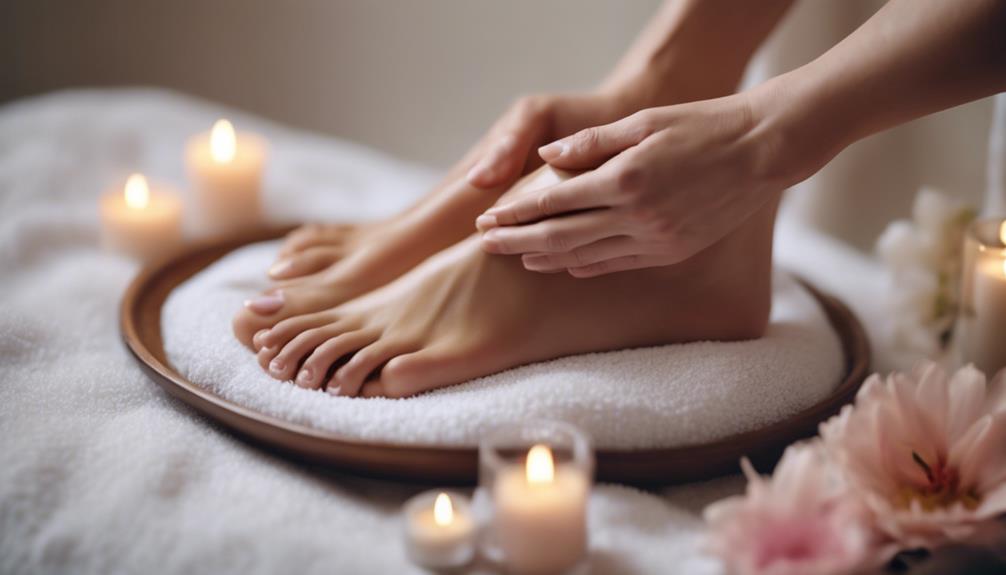
Embrace the innovative approach of waterless pedicures, which replace traditional soaking with targeted hydration techniques like heat treatments, creams, and lotions. You’ll start with a hot towel cleanse that feels soothing and softens your skin. This is followed by precise cuticle care and an exfoliation process that removes dead skin cells, leaving your feet smooth and refreshed.
For the best relaxation action, technicians often incorporate specialized relaxation techniques, ensuring the experience is calming and rejuvenating. Skin hydration tips are also provided, emphasizing rich, non-toxic creams and lotions to maintain moisture. Brands like CND, DazzleDry, and Zoya are frequently used to ensure your nails aren’t only beautiful and contain harmful chemicals.
Customers rave about the benefits. One testimonial highlights, ‘My feet have never felt so soft! The hydration lasts much longer compared to traditional pedicures.’
Another customer shares, ‘I love how eco-friendly and hygienic this method is. Plus, I no longer have to wait for my feet to soak!’
Conclusion
In choosing a waterless pedicure, you’re making a smart, eco-friendly decision that benefits you and the planet. You’ll enjoy a more hygienic, efficient, and sustainable nail care experience.
Plus, enhanced polish longevity and overall nail health are win-win situations. So, next time you book a pedicure, skip the soak and embrace the innovative, relaxing benefits of a waterless pedicure.
Your feet—and the environment—will thank you.
FAQs
1. Is a Waterless Pedicure Better?
Yes, it’s a better choice. You’ll make an eco-friendly choice, see reduced waste, and benefit from hygienic practices. It’s a win for your health, the environment, and the salon’s efficiency.
2. How Do They Do a Waterless Pedicure?
They start by using eco-friendly options like plant-based polish remover. Then, hot towels cleanse your feet. Salon trends now favor longer massages and non-toxic polish. This method emphasizes hygiene practices, cuticle care, exfoliation, and moisturizing.
3. What Does a Dry Pedicure Include?
A pedicure includes dry exfoliation techniques, cuticle care, and moisturizing alternatives. You’ll also get longer massages for relaxation and hydration. Non-toxic polishes are often used, making them a more efficient and hygienic experience.
4. What Are the Benefits of a Waterless Manicure?
You’ll love a waterless manicure. It offers hygiene benefits by reducing infection risks, maintains skin hydration without soaking, and is an eco-friendly option that saves water while providing a long-lasting, durable finish. It’s efficient, too!

