
You might notice your nails splitting, peeling, or growing slower than usual, and it’s frustrating. Brittle nails aren’t just a cosmetic issue; they can signal deeper problems. From frequent washing to nutritional gaps, multiple factors contribute to this condition. Understanding the signs and underlying causes is essential for effective treatment. But what steps can you take to fortify your nails and stay healthy? Stick around and explore the best practices and preventive measures to keep your nails in shape.
Key Takeaways
- Frequent washing and exposure to harsh chemicals can cause brittle nails.
- Nutritional deficiencies, particularly iron deficiency, are common causes of brittle nails.
- Proper nail care includes regular moisturizing and wearing gloves during household chores.
- Persistent brittle nails may indicate underlying health issues like hypothyroidism; seek medical advice.
- Using nail hardeners and protective base coats can help strengthen brittle nails.
Causes of Brittle Nails
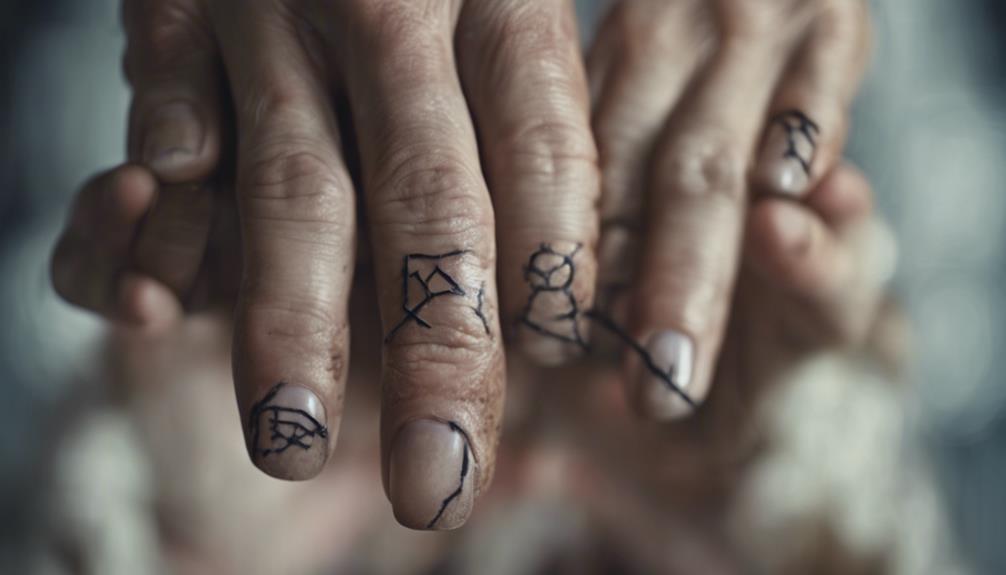
Brittle nails often result from frequent washing, exposure to harsh chemicals, or natural aging. When constantly exposed to water and detergents, your nails can lose essential moisture, leading to dryness and brittleness. You might notice that your nails become more fragile and break easily due to this low moisture.
Another common cause of brittle nails is nutritional deficiencies, particularly iron deficiency. If your diet lacks sufficient iron, your nail health can suffer, making it more prone to splitting and breaking. Thyroid problems, like hypothyroidism, can also contribute to brittle nails. When your thyroid isn’t functioning properly, it can affect various bodily processes, including the health of your nails.
Exposure to harsh chemicals, such as those in cleaning products or nail polish removers, can weaken your nails over time. Limiting your use of these products can help maintain stronger, healthier nails.
Additionally, natural aging can cause your nails to become thinner and more brittle due to decreased moisture and slower growth rates.
Addressing these underlying causes with proper care and a balanced diet can greatly improve the condition of your nails, helping you maintain nail health and strength.
Signs of Brittle Nails
You’ll notice signs of brittleness if your nails are splitting and peeling frequently. They may also appear dry and cracked, making them more damage-resistant.
Additionally, if your nails have a noticeably slow growth rate, it could be another indication of brittleness.
Splitting and Peeling
Splitting and peeling nails indicate that your nails are brittle and need care. When your nails start breaking, it can show weakness and dryness. Vertical splits in the nails are particularly concerning as they often point to more severe dehydration or nutrient deficiencies.
Conversely, peeling typically results from external factors like frequent hand washing or exposure to harsh chemicals, which strip away the natural oils and moisture your nails need to stay strong.
Brittle nails that split and peel can cause both discomfort and cosmetic issues. You might notice your nails tearing easily or looking uneven and ragged. This makes them less attractive and susceptible to further damage and potential infections.
Addressing these issues involves more than just a cosmetic fix; focusing on proper nail care is essential to boost their health and resilience.
To combat splitting and peeling, keep your nails moisturized and protected. Use hand creams and nail oils regularly, and consider wearing gloves when handling chemicals or doing chores. By taking these steps, you can help prevent your nails from becoming brittle and maintain their strength and beauty.
Dry and Cracked
When nails become dry and cracked, it’s a clear sign they suffer from brittleness due to repeated wetting and drying, low humidity, and exposure to external chemicals. Cracked nails often indicate underlying issues, such as an iron deficiency or a low thyroid condition.
Brittle nails are more vulnerable to external factors, which can worsen their condition.
To combat this, you should avoid harsh nail products that can strip natural oils from your nails, making them even more brittle. Wear gloves when doing wet household chores to protect your nails from water and cleaning agents. This simple step can greatly reduce the risk of cracked nails.
To keep your nails hydrated, incorporate lotions with alpha-hydroxy acids or lanolin into your daily routine. Soaking your nails before applying these lotions can enhance their effectiveness. For added strength, consider using nail polishes with nylon fibers.
Additionally, gentle shaping and filing can help prevent further cracking. Buff your nails in the direction they grow, and use cotton-lined rubber gloves for protection.
Slow Growth Rate
Noticing a slow growth rate in your nails can be another clear indicator of brittleness, often linked to nutritional deficiencies or health conditions. Normally, fingernails grow about 3.47 mm per month, while toenails grow at a slower pace of 1.62 mm per month.
If your nails are not growing as quickly as they should, it might be time to investigate potential underlying issues. Slow nail growth can result from various factors, including nutritional deficiencies. For instance, lacking essential vitamins and minerals like biotin, iron, and zinc can impede nail growth.
Health conditions such as hypothyroidism or circulatory problems can also affect the rate at which your nails grow. Monitoring your nail growth is crucial. It provides a window into your overall well-being, helping you identify possible medical concerns early on.
Don’t hesitate to consult a healthcare provider when you notice persistent slow growth. They can provide detailed medical information and run necessary tests to determine the root cause. Addressing these underlying issues early can lead to more effective treatments and better nail health.
Nutritional Deficiencies
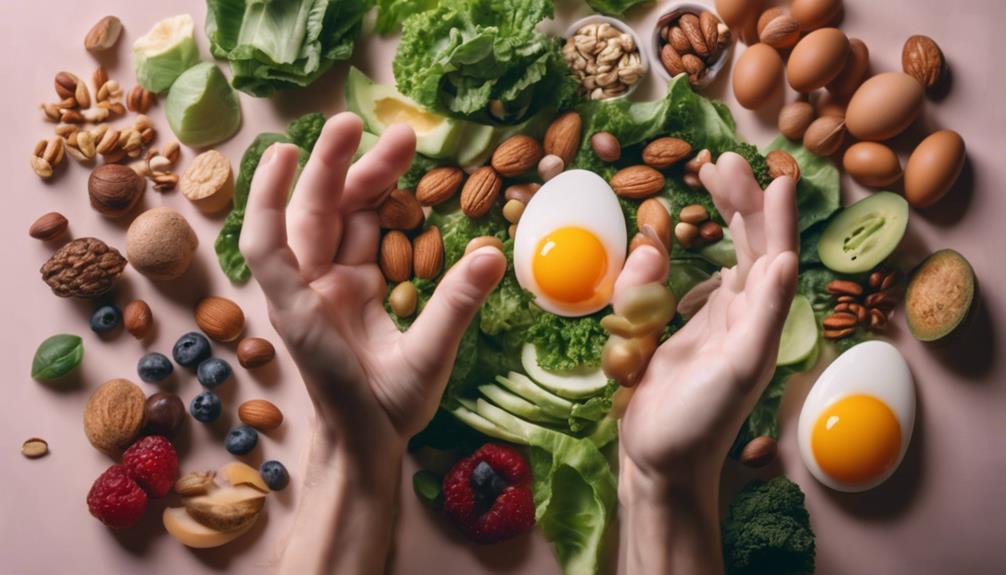
You mightn’t realize it, but nutritional deficiencies, such as a lack of biotin or iron, can greatly impact the strength of your nails.
Without adequate biotin and iron, your nails can become brittle and weak.
Ensuring you get enough of these essential nutrients is key to maintaining strong, healthy nails.
Lack of Biotin
A biotin deficiency can wreak havoc on your nail health, making them weak and brittle. Biotin, a B vitamin, is essential for maintaining healthy nails. Without enough biotin, you might notice your nails becoming fragile and splitting easily.
This deficiency doesn’t just stop at brittle nails; it can also lead to hair loss, further emphasizing the importance of this essential nutrient.
If you’re dealing with weak nails, it might be time to examine your diet. Incorporating biotin-rich foods like eggs, nuts, and seeds can make a significant difference in supporting your nail health. These foods aren’t only delicious but packed with the biotin your body needs to keep your nails strong.
Sometimes, though, dietary changes alone aren’t enough. In such cases, biotin supplements can come to the rescue. They provide a concentrated dose of this crucial B vitamin, helping to fortify your nails and combat brittleness.
Always consult your healthcare provider before starting any supplements to ensure they’re right for you.
Iron Deficiency Impact
While biotin is important for nail health, iron deficiency can also lead to brittle nails, highlighting the importance of a well-rounded diet.
Iron is necessary for healthy nail growth because it plays a significant role in the formation of hemoglobin. Hemoglobin carries oxygen to your cells, including those in your nails. Without sufficient iron, your nails may become brittle and more prone to breaking.
Anemia, often caused by iron deficiency, can exacerbate this issue. When anemic, your body struggles to produce enough hemoglobin, leading to less oxygen reaching your nail cells. This oxygen deprivation can make your nails weak.
Additionally, low iron levels can result in pale nails or even spoon-shaped nails, which are common indicators of a deficiency.
To combat brittle nails caused by iron deficiency, it’s important to include iron-rich foods in your diet. Red meat, beans, and leafy greens are great sources of iron. Consuming these foods can help boost your iron levels and promote healthier, stronger nails.
Environmental Factors
Repeated wetting and drying, especially prevalent in low humidity and winter months, can lead to brittle nails. When your nails are constantly exposed to water, they expand and contract, weakening their structure. This process is exacerbated by using chemicals and detergents in many cleaning products. Such substances strip your nails of natural oils, leading to dryness and brittleness.
Harsh nail products, like certain nail polishes and removers, can also contribute to the problem. These products often contain chemicals that dry out your nails, making them harder to break. Excessive water exposure, such as frequent hand washing or dishwashing, can further dehydrate your nails.
To combat these issues, it is essential to wear gloves during household chores. This simple step can significantly reduce exposure to harmful chemicals and excessive moisture.
Incorporating lotions with alpha-hydroxy acids or lanolin into your routine can help. These ingredients are effective at moisturizing and protecting your nails from environmental damage.
Daily Nail Care
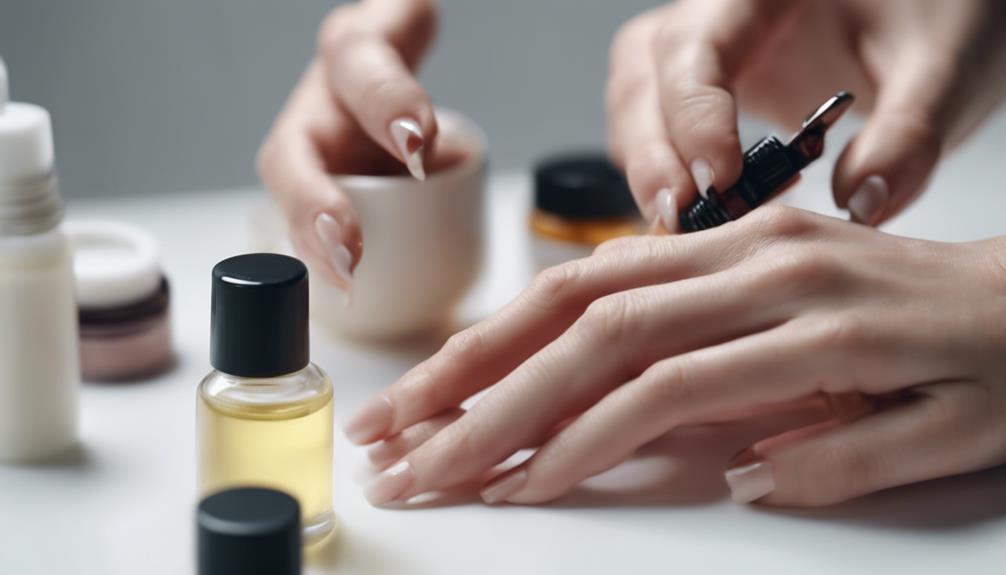
Daily nail care is essential for maintaining strong and healthy nails. If you’ve reviewed your routine and still struggle with brittle nails, it’s time to make changes. Start by keeping your nails trimmed and filed daily to prevent breakage and maintain overall nail health.
Here’s a simple guide to help you:
- Moisturize: Regularly apply nail oils or creams to your nails and cuticles to prevent dryness and brittleness. Hydrated nails are less likely to break.
- Use Nail Hardeners: Apply nail hardeners or protective base coats. These products help strengthen brittle nails and reduce breakage.
- Wear Gloves: Protect your nails by wearing gloves during chores and in cold weather. This prevents excessive moisture exposure and damage from harsh chemicals.
- Proper Filing: When filing your nails, gently touch and file in one direction to avoid weakening them.
Avoid picking, biting, or using metal tools on your nails, as these actions can cause significant damage. Consistently implementing these nail care tips will help you achieve and maintain stronger, healthier nails.
Medical Treatments
If home remedies aren’t enough, medical treatments can provide stronger solutions for brittle nails. You might need prescription nail strengtheners specially formulated to enhance nail resilience. Topical medications, including certain creams and ointments, can also be applied directly to your nails to improve their condition.
Consulting a dermatologist is essential for personalized care. They can identify underlying health conditions contributing to your brittle nails. For instance, thyroid disorders or nutritional deficiencies often affect nail health. Addressing these underlying problems can lead to significant improvements.
A dermatologist might recommend corticosteroid injections to strengthen your nails in some severe cases. These injections can reduce inflammation and promote healthier nail growth. Regular consultations with your healthcare provider ensure that any changes in your nail health are monitored and treated promptly.
Surgical procedures like nail avulsion or nail plate removal might be necessary when significant damage occurs. These procedures remove damaged parts of the nail, allowing healthier growth. While these steps might sound essential, they can be crucial for restoring the health and appearance of your nails.
Preventive Measures
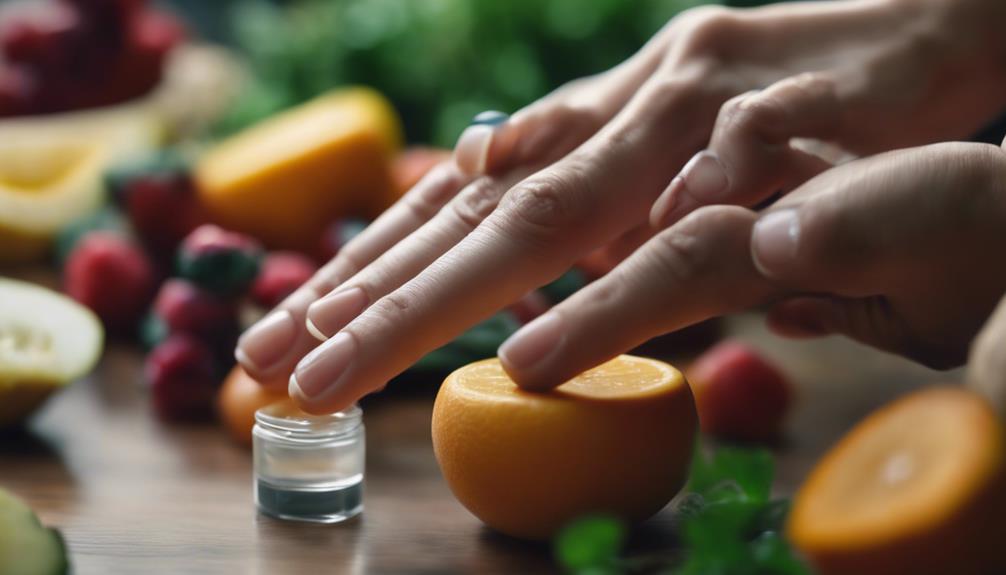
Adopt simple preventive measures in your daily routine to safeguard your nails from becoming brittle. Consistently protecting and maintaining your nails can prevent them from weakening and breaking.
- Wear gloves: When doing household chores that involve water, like washing dishes, always wear gloves. This protects your nails from excessive water exposure, which can lead to brittleness.
- Keep nails moisturized: Use lotions containing alpha-hydroxy acids or lanolin regularly. These ingredients help keep your nails hydrated and prevent dryness, reducing the risk of them becoming brittle.
- Avoid metal instruments: Don’t use metal instruments on your nails. These can cause damage and weaken the nail structure, making them more susceptible to breaking.
- Gentle shaping and filing: To prevent breakage, shape and file your nails carefully. Use a fine-grain file and avoid aggressive filing methods. This helps maintain nail health and strength.
Additionally, consider using nail polishes with nylon fibers. These polishes provide extra strength and protection against brittleness.
When to Seek Help
Despite your best efforts at-home care, persistent issues with brittle nails signal it’s time to consult a healthcare professional. If you’ve noticed nail color or texture changes that don’t improve, it’s vital to seek a healthcare provider’s advice. These alterations might indicate underlying health issues that need attention.
When your nail beds become painful or inflamed, it’s a clear sign that professional evaluation is necessary. Such symptoms could point to infections or other conditions affecting nails that require medical treatment. Ignoring these signs might lead to more severe problems down the line.
Additionally, if brittle nails come with other symptoms, like fatigue or hair loss, they could be part of a broader health issue. A healthcare provider can help diagnose these underlying problems and recommend the appropriate treatment.
If you have a history of conditions affecting your nails, staying vigilant is even more important. Regular check-ups with your healthcare provider can help catch any new issues early. Don’t wait for the problem to escalate; timely intervention can make a significant difference in maintaining healthy nails and overall well-being.
Conclusion
By understanding the causes and signs of brittle nails, you can take proactive steps to care for your nails.
You should eat a balanced diet, protect your nails from harsh chemicals, and keep them moisturized.
If you notice persistent issues despite your efforts, don’t hesitate to seek medical advice.
Proper nail care and timely intervention can help you maintain healthy, strong nails and catch any underlying health concerns early.
Take charge of your nail health today!
FAQs
1. What Deficiency Causes Brittle Fingernails?
You’re probably wondering what deficiency causes brittle fingernails. It could be due to a deficiency of biotin, iron, calcium, or zinc. Protein and vitamin deficiencies also play a role. Make sure you’re not missing any essential nutrients.
2. What Do Brittle Nails Indicate?
Brittle nails can indicate thyroid disorders, psoriasis symptoms, dehydration effects, fungal infections, hormonal changes, aging process, or stress impact. If your nails are persistently brittle, it’s important to consult a doctor to identify the underlying cause.
3. How Do You Fix Brittle Nails?
Use moisturizers and hydrating oils to fix brittle nails, wear protective gloves, and practice gentle filing. Regular manicures and a healthy diet are essential, and consider biotin supplements after consulting your healthcare provider.
4. Why Are My Nails Breaking and Splitting?
Your nails break and split due to environmental factors, repeated trauma, or moisture loss. Using nail polish with harsh chemicals, the aging process, and health conditions can also weaken your nails.

