

Calluses on your feet can be a real buzzkill when pampering yourself with a relaxing pedicure. Calluses are thickened, toughened areas of skin that develop as a natural response to friction and pressure. While they are a protective barrier for your feet, they can also be unsightly and uncomfortable. Fortunately, you don’t have to sacrifice smooth, soft feet for the sake of calluses. In this comprehensive guide, we’ll walk you through treating calluses during a pedicure, ensuring you leave the spa with beautifully polished toenails and baby-soft soles.
Understanding Calluses

Before we delve into the pedicure-specific treatment, let’s start by understanding what calluses are and why they develop.
Identifying Calluses
Calluses appear as thick, hardened areas of skin, often with a yellowish or grayish tint. They typically form on the soles of your feet, heels, or the balls of your feet.
Signs and Symptoms of Calluses
- Thickened Skin: Calluses are characterized by an obvious thickening of the skin in the affected area.
- Discoloration: They may appear yellow or grayish compared to the surrounding skin.
- Pain or Discomfort: Calluses can sometimes become painful or tender, especially if they develop over pressure points.
Differentiating Calluses from Other Foot Conditions
Calluses can be mistaken for other foot issues like corns or warts. Corns are smaller and have a hard center, while warts may have black dots within them. If you’re unsure, consult a podiatrist for a proper diagnosis.
When to Seek Professional Help for Callus Treatment
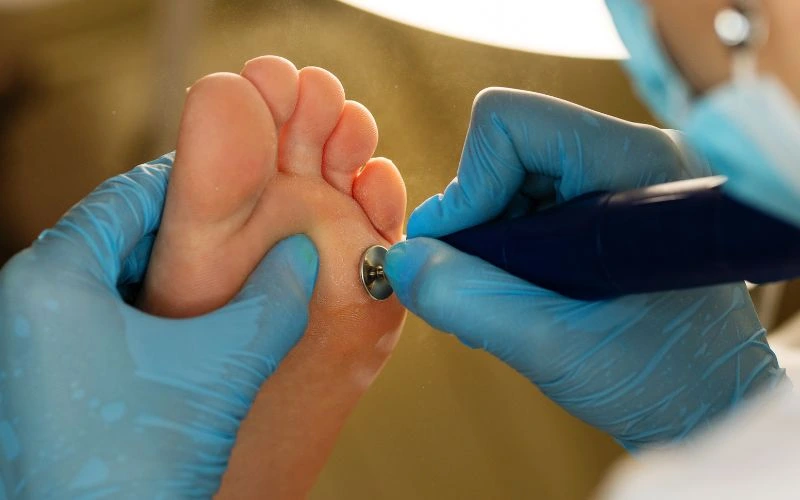
While you can address calluses during a pedicure at a salon, there are instances where professional help is necessary:
Preparing for Callus Treatment
Before you embark on your callus treatment journey during a pedicure, there are some essential preparations to consider.
- Gather Supplies: Ensure you have all the necessary tools and products for effective callus treatment. This includes a pumice stone or foot file, callus remover gel, moisturizing cream, and nail care essentials.
- Choose the Right Time: Schedule your pedicure when you have enough time to dedicate to the process without feeling rushed.
- Clean Your Feet: Start with clean feet by washing them thoroughly with warm water and mild soap.
Steps to Treat Calluses During a Pedicure
Now, let’s dive into the step-by-step process of treating calluses during your pedicure session.
Soak the Feet
Start by soaking your feet in warm water for 10-15 minutes. This softens the callused skin, making it easier to remove.
Moisturization
After the soak, apply a generous amount of moisturizing cream to your feet. This helps to lock in moisture and keep your skin hydrated.
Massage and Relaxation
Take a moment to massage your feet gently. Not only does this feel great, but it also helps distribute the moisturizer and increase blood circulation.
Prevention and Maintenance
Consider using products that prevent calluses, such as silicone toe separators or cushioning pads. These can help alleviate pressure on sensitive areas.
Manual Exfoliation
Use a pumice stone or foot file to exfoliate the calloused areas gently. Ensure not to overdo it, as excessive rubbing can irritate the skin.
Callus Softening
Apply a callus-softening product as per the manufacturer’s instructions. This will further aid in softening and loosening the callused skin.
Callus Remover
Carefully apply a callus remover gel, following the product’s directions. This product will help dissolve the callus, making it easier to remove.
Benefits of Using Callus Remover in a Regular Pedicure
Using a callus remover in your pedicure offers several benefits:
- Smooth Skin: Callus remover ensures your feet are left soft and smooth.
- Pain Relief: It can alleviate discomfort caused by thick calluses.
- Enhanced Aesthetics: Your pedicure will look more polished and attractive without calluses.
Post-Treatment Care and Precautions
Taking some post-treatment measures is crucial once you’ve successfully treated your calluses during your pedicure.
- Moisturize Daily: Continue moisturizing your feet daily to maintain softness.
- Wear Proper Footwear: Choose shoes that fit well and provide adequate support to prevent future calluses.
- Regular Maintenance: Consider routine foot care to prevent calluses from recurring.
Alternative Methods for Addressing Calluses During a Pedicure
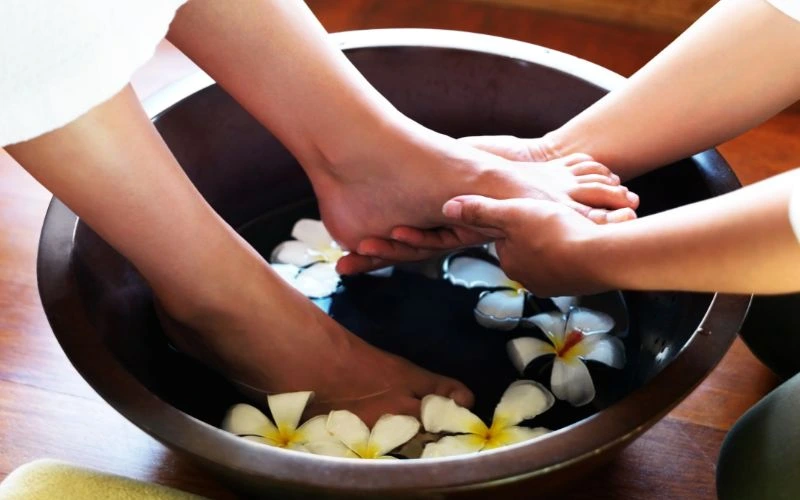
While the abovementioned steps are effective for treating calluses during a pedicure, alternative methods exist.
Chemical Treatments
Some salons offer chemical callus treatments using products that contain ingredients like glycolic acid or salicylic acid. These chemicals help break down the callused skin, and the technician can remove it more easily.
Callus Reduction
A podiatrist can provide callus reduction services for severe calluses or chronic issues. This involves the use of medical-grade tools to safely and effectively remove calluses.
Conclusion
In conclusion, taking care of calluses during a pedicure is possible and an excellent way to ensure your feet look and feel their best. Following the steps outlined in this guide and considering alternative treatments, you can bid farewell to those pesky calluses and enjoy the ultimate pedicure experience. Remember, maintaining healthy, callus-free feet is a step closer to achieving overall foot comfort and well-being.
FAQs
Can I treat calluses at home, or should I always consult a professional?
You can certainly treat calluses at home using the steps outlined in this guide. However, if you have severe calluses or underlying foot issues, it’s advisable to consult a podiatrist for professional care.
How often should I get a pedicure to prevent calluses?
The frequency of pedicures depends on your lifestyle and foot care routine. Generally, a monthly pedicure can help prevent calluses and maintain healthy feet.
Are calluses permanent?
Calluses are not permanent, and with proper care and treatment, they can be effectively managed and prevented from reoccurring.
Can I use over-the-counter callus removers at home, or should I rely on a professional?
Over-the-counter callus removers are suitable for mild calluses and can be used at home. However, it’s advisable to consult a professional pedicurist or podiatrist for more stubborn or severe calluses, as they have specialized tools and expertise to ensure safe and effective removal.
Is it normal to experience some discomfort during the callus removal process?
It’s not uncommon to feel a slight tingling or mild discomfort during the callus removal process, especially if the callus is thick or deeply embedded. However, if you experience severe pain or bleeding, stop the treatment immediately and seek professional guidance. Proper technique and patience are key to minimizing discomfort during the process.

