

When it comes to the health of our nails, it is important to be aware of any changes or abnormalities that may arise. Two conditions that often confuse are subungual melanoma and hematoma. While both can affect the area beneath the nail, they have distinct characteristics and implications. This article will delve into subungual melanoma and hematoma, exploring their differences and shedding light on identifying and managing them.
Subungual melanoma, often called nail melanoma, is a rare form of skin cancer that develops beneath the nail. Unlike other types of melanoma, subungual melanoma affects the nail matrix, the area responsible for nail growth. It typically presents as a dark streak or discoloration that extends from the cuticle to the tip of the nail. Although subungual melanoma is rare, it is crucial to catch it early, as it can metastasize and spread to other parts of the body.
On the other hand, a hematoma is a common condition that occurs when blood collects beneath the nail. It is usually caused by trauma or injury to the nail bed, resulting in bleeding and discoloration. Hematomas often appear as a dark, purplish spot under the nail and can be painful. While they may be alarming, hematoma is generally benign and will resolve independently with time.
Understanding the differences between subungual melanoma and hematoma is crucial for early detection and appropriate management. While both conditions may cause discoloration beneath the nail, subungual melanoma requires prompt medical attention, whereas hematoma is typically self-limiting. By being vigilant and aware of changes in your nails, you can ensure timely intervention and maintain your overall health and well-being.
In the upcoming sections, we will delve deeper into the signs, symptoms, causes, and treatment options for subungual melanoma and hematoma. Stay tuned to expand your knowledge on these intriguing nail conditions and empower yourself with the information necessary for early detection and effective management.
Subungual Melanoma vs Hematoma
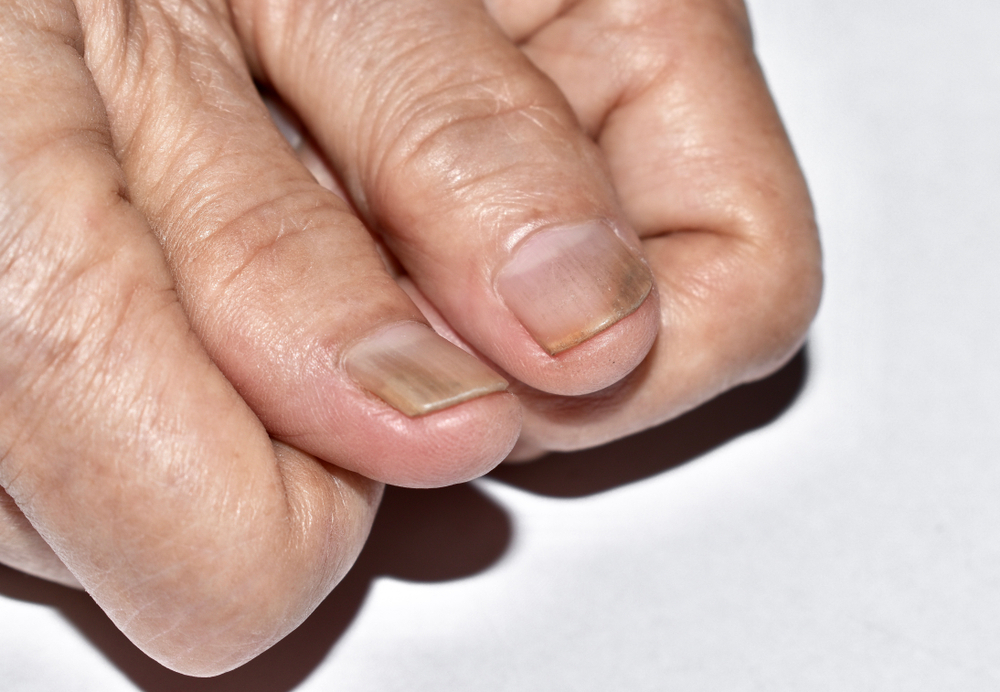
Subungual melanoma and hematoma are two conditions that can affect the nail bed and cause discoloration or darkening of the nail. While they may appear similar, they have distinct differences that require proper diagnosis and treatment. Understanding these differences is crucial for early detection and effective management.
Subungual melanoma is a type of skin cancer that develops beneath the nail. It is relatively rare but can be aggressive if not detected early. The most common sign of subungual melanoma is a dark brown or black band on the nail. It may also cause nail splitting, bleeding, or a change in the shape or texture of the nail. If left untreated, subungual melanoma can spread to other parts of the body.
On the other hand, a hematoma is a collection of blood that forms under the nail due to trauma or injury. It often occurs after a direct impact or crushing injury to the finger or toe. Hematomas typically cause pain, swelling, and a bruised appearance. The discoloration may range from dark red to purple or black. Unlike subungual melanoma, hematomas are not cancerous and usually resolve independently with time.
Differentiating between subungual melanoma and hematoma can be challenging, as they can present with similar symptoms. However, certain characteristics can help distinguish the two. Subungual melanoma often affects a single nail and may have irregular borders or pigmentation changes. It may also be accompanied by other signs of melanoma, such as changes in nearby skin or a new mole. In contrast, hematomas usually involve multiple nails and are associated with a history of trauma.
Understanding the differences between subungual melanoma and hematoma is crucial for proper diagnosis and treatment. It is important to seek medical attention if you notice nail changes, such as persistent discoloration or unusual growth. Early detection and intervention can significantly improve outcomes for both conditions.
Symptoms
Subungual melanoma and hematoma can both present with similar symptoms, making it difficult to differentiate between the two. However, certain signs can help distinguish between the two conditions.
One of the most common symptoms of subungual melanoma is a dark-colored streak or spot under the nail. This discoloration is usually brown or black and may extend from the nail bed to the plate. Not all dark spots under the nail indicate melanoma, as other factors, such as trauma or fungal infections, can also cause them.
In addition to the dark streak, subungual melanoma may also cause changes in the shape or texture of the nail. The nail may become thickened, ridged, or crumbly. There may also be bleeding or ulceration around the nail bed. These symptoms should not be ignored and should prompt immediate medical attention.
On the other hand, hematoma is typically caused by trauma or injury to the nail. It is characterized by a collection of blood underneath the nail, resulting in a bruised appearance. Hematomas are usually painful and can cause pressure or throbbing sensations. Unlike subungual melanoma, hematoma does not cause changes in the shape or texture of the nail.
It is important to note that these symptoms are not exclusive to subungual melanoma or hematoma. Other conditions, such as nail infections or benign tumors, can also present with similar symptoms. Therefore, it is crucial to consult a healthcare professional for an accurate diagnosis.
Recognizing the symptoms of subungual melanoma and hematoma is essential for early detection and prompt treatment. Suppose you notice any unusual changes in your nails, such as dark spots, bleeding, or changes in texture. In that case, it is important to seek medical attention to rule out any serious underlying conditions.
Causes
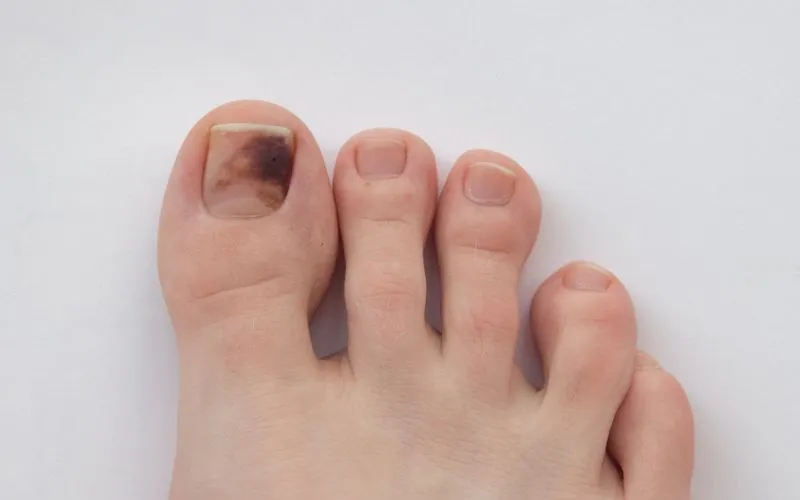
Subungual melanoma and hematoma are two conditions that can affect the nail bed and cause discoloration or darkening of the nail. While they may appear similar, their causes are quite different.
Subungual melanoma is a type of skin cancer that develops in the cells that produce melanin, the pigment responsible for skin color, hair, and nails. The exact cause of subungual melanoma is unknown. Still, it is believed to be associated with genetic factors and excessive exposure to ultraviolet (UV) radiation from the sun or tanning beds. People with fair skin, a history of sunburns, or a family history of melanoma are at a higher risk of developing subungual melanoma.
On the other hand, a hematoma under the nail is caused by a traumatic injury to the nail bed or fingertip. The injury can occur from slamming a finger into a door, hitting it with a hammer, or even repetitive pressure from running or playing a musical instrument. When the blood vessels under the nail bed are damaged, blood pools and collects, causing discoloration and pain. Unlike subungual melanoma, hematoma is unrelated to UV exposure or genetic factors.
It is important to note that while subungual melanoma and hematoma may have different causes, they can both present with similar symptoms, such as darkening of the nail, pain, and changes in nail shape or texture. Therefore, it is crucial to consult a healthcare professional for an accurate diagnosis and appropriate treatment.
Understanding the causes of subungual melanoma and hematoma is essential in distinguishing between the two conditions. While subungual melanoma is associated with genetic factors and UV exposure, hematoma is caused by traumatic injury. Prompt medical attention is crucial for proper diagnosis and treatment of these conditions.
Diagnosis
The diagnosis of subungual melanoma and hematoma can be challenging due to their similar clinical presentations. However, several key differences can aid in distinguishing between the two conditions.
When a patient presents with a dark discoloration or a bruise-like lesion under the nail, healthcare professionals need to consider both subungual melanoma and hematoma as potential diagnoses. A thorough evaluation is necessary to determine the underlying cause and ensure appropriate management.
The patient’s medical history is one of the primary indicators that help differentiate between subungual melanoma and hematoma. Subungual melanoma is more commonly seen in individuals with a personal or family history of melanoma or other skin cancers. On the other hand, hematoma is often associated with a history of trauma or injury to the nail.
Clinical examination plays a crucial role in diagnosing subungual melanoma and hematoma. Dermoscopy, a non-invasive imaging technique, can provide valuable information by revealing specific patterns associated with each condition. In subungual melanoma, irregular pigmentation, asymmetry, and the presence of Hutchinson’s sign (pigmentation extending onto the proximal nail fold) are often observed. In contrast, hematoma typically presents as a homogeneous, dark discoloration under the nail without specific dermoscopic features.
If there is still uncertainty after the clinical examination and dermoscopy, a biopsy may be necessary to confirm the diagnosis. A small lesion sample is taken and examined under a microscope to determine whether it is a melanoma or a hematoma.
Diagnosing subungual melanoma and hematoma requires a comprehensive evaluation, considering the patient’s medical history, clinical examination findings, and, if necessary, a biopsy. Prompt and accurate diagnosis is crucial for appropriate management and improved patient outcomes.
Treatment

Some key differences exist when treating subungual melanoma and hematoma. Subungual melanoma is a type of skin cancer that occurs under the nail, while hematoma is a blood collection that forms under the nail due to injury. The treatment options for these two conditions vary based on their underlying causes.
In the case of subungual melanoma, the primary treatment is surgical removal of the affected nail and surrounding tissue. A biopsy typically follows this to determine the extent of the cancer and whether it has spread to other parts of the body. If the cancer has spread, additional treatments such as chemotherapy or radiation therapy may be recommended. Early detection and treatment are crucial for a favorable outcome in subungual melanoma cases.
On the other hand, hematoma treatment focuses on relieving pain and promoting healing. The hematoma may resolve over time if it is small and does not cause significant discomfort. However, larger hematomas or those causing severe pain may require drainage. This can be done by a healthcare professional using a needle or by surgically removing the nail to drain the blood. Pain medications and proper wound care are also important aspects of hematoma treatment.
It is worth noting that subungual melanoma can sometimes be misdiagnosed as a hematoma due to their similar appearance. Therefore, it is important to consult a healthcare professional for an accurate diagnosis and appropriate treatment.
The treatment approaches for subungual melanoma and hematoma differ significantly. While subungual melanoma requires surgical removal and potential additional treatments, hematoma treatment focuses on pain relief and promoting healing. Seeking medical advice is crucial to ensure the correct diagnosis and appropriate treatment for these conditions.
Prognosis
When it comes to subungual melanoma vs hematoma, understanding the prognosis is crucial. Prognosis refers to the likely outcome of a medical condition, which can vary significantly in the case of these two conditions.
Subungual melanoma is a type of skin cancer that develops under the nail. It is a rare but aggressive form of melanoma that requires prompt diagnosis and treatment. The prognosis for subungual melanoma depends on several factors, including the thickness of the tumor, the stage of the cancer, and whether it has spread to other parts of the body. Early detection and treatment can greatly improve the prognosis, with a five-year survival rate ranging from 50% to 90%.
On the other hand, a hematoma under the nail is a collection of blood that occurs due to trauma or injury. While it can be painful and unsightly, it is generally not life-threatening. The prognosis for a hematoma is usually excellent, with the blood eventually being reabsorbed by the body and the nail returning to its normal appearance.
It is important to note that the prognosis for both subungual melanoma and hematoma can be influenced by individual factors, such as the patient’s overall health, age, and response to treatment. Regular follow-up appointments with a healthcare professional are essential to monitor changes and ensure appropriate care.
Understanding the prognosis for subungual melanoma vs hematoma is crucial for making informed decisions about treatment and management. While subungual melanoma can be a serious and potentially life-threatening condition, early detection and treatment can greatly improve the prognosis. On the other hand, a hematoma under the nail is generally not a cause for concern and has an excellent prognosis. Regular monitoring and follow-up appointments are essential for both conditions to ensure the best possible outcome.
Prevention

When it comes to subungual melanoma and hematoma, prevention is key. By taking certain precautions, you can reduce your risk of developing these conditions and ensure the health of your nails.
One of the most important steps in prevention is regular self-examination. Regularly checking your nails for changes or abnormalities can catch any potential issues early on. Look for any changes in your nails’ color, shape, or texture and any unusual growths or spots. Early detection is crucial in the successful treatment of subungual melanoma.
Protecting your nails from trauma is also essential. Avoid activities that may cause injury to your nails, such as excessive force or pressure. If you engage in activities that put your nails at risk, such as sports or manual labor, consider wearing protective gloves or using tools to minimize the chances of trauma.
Maintaining good nail hygiene is another important aspect of prevention. Keep your nails clean and dry, as moisture can lead to fungal infections. Avoid biting your nails or picking at the skin around them, as this can increase the risk of injury and infection.
Lastly, regular dermatologists or healthcare professional visits can help detect and prevent subungual melanoma early. These professionals have the expertise to identify potential issues and provide appropriate guidance and treatment.
Following these preventive measures can significantly reduce your risk of developing subungual melanoma or hematoma. Remember, prevention is always better than cure for your health. Stay proactive and care for your nails to ensure their long-term health and well-being.
Risk Factors
Subungual melanoma and hematoma are two conditions that can affect the nail bed and cause discoloration or dark spots under the nail. While they may appear similar, it is important to understand the risk factors associated with each condition to ensure proper diagnosis and treatment.
One of the main risk factors for subungual melanoma is a personal or family history of melanoma. Individuals who have previously been diagnosed with melanoma or have a family history of the disease are at a higher risk of developing subungual melanoma. Other risk factors include fair skin, a history of sunburns, and exposure to UV radiation.
On the other hand, hematoma is commonly caused by trauma or injury to the nail bed. Activities such as sports, manual labor, or even something as simple as closing the door on your finger can lead to a hematoma. People who frequently engage in these activities are at a higher risk of developing a hematoma under the nail.
Age also plays a role in the risk factors for subungual melanoma and hematoma. Subungual melanoma is more commonly diagnosed in individuals over the age of 50, while hematoma can occur at any age.
Furthermore, certain medical conditions can increase the risk of developing subungual melanoma. Conditions such as immunosuppression, nail dystrophy, and chronic inflammation may contribute to the development of subungual melanoma.
Understanding the risk factors associated with subungual melanoma and hematoma is crucial for early detection and proper treatment. Individuals can take necessary precautions and seek medical attention by recognizing the factors that increase the likelihood of developing these conditions.
Conclusion
In conclusion, the post on “subungual melanoma vs hematoma” has provided a comprehensive overview of the key topics related to this keyword. We have discussed the differences between subungual melanoma and hematoma, including their symptoms, causes, diagnosis, treatment options, prognosis, prevention methods, and risk factors.
Several risk factors, such as a family history of melanoma, fair skin, and excessive UV exposure, can increase the likelihood of developing subungual melanoma. Therefore, taking precautions like sunscreen, wearing protective gloves, and avoiding prolonged sun exposure can significantly reduce the risk. ng the distinction between subungual melanoma and hematoma is crucial for early detection and proper treatment. Individuals can seek medical attention promptly by recognizing the symptoms, such as dark lines or spots under the nail, nail discoloration or deformity, and persistent bleeding or pain.
Diagnosis of subungual melanoma vs hematoma involves a thorough examination, including a biopsy, to confirm the presence of cancer cells. Treatment options vary depending on the stage of the condition, ranging from surgical removal of the affected nail or tissue to more extensive procedures such as amputation or chemotherapy.
It is important to note that early detection and intervention greatly improve the prognosis for individuals with subungual melanoma. Regular self-examinations and seeking medical advice for any concerning changes in the nails are essential preventive measures.
Several risk factors, such as a family history of melanoma, fair skin, and excessive UV exposure, can increase the likelihood of developing subungual melanoma. Therefore, taking precautions like sunscreen, wearing protective gloves, and avoiding prolonged sun exposure can significantly reduce the risk.
Future medical technology and research advancements may lead to more effective diagnostic methods and treatment options for subungual melanoma. It is crucial to stay informed about any future developments or trends that may impact the management of this condition.
Thank you for taking the time to read this post. We hope the information has helped us understand the differences between subungual melanoma and hematoma. We encourage you to leave any comments or feedback and continue the conversation. Together, we can raise awareness and promote early detection of subungual melanoma, ultimately improving outcomes for individuals affected by this condition.

