
When pampering ourselves and indulging in self-care, a nail salon visit is often at the top. Whether a relaxing manicure or a luxurious pedicure, nail salons offer services that refresh and rejuvenate us.
However, amidst the soothing atmosphere and expert nail technicians, it is crucial not to overlook the importance of safety and hygiene in these establishments.
Recently, there has been a growing concern regarding nail salons’ safety and hygiene practices. Reports of infections, allergic reactions, and other health issues have raised awareness among consumers and prompted a closer look at the industry’s standards.
As a result, it has become essential for both salon owners and customers to prioritize safety and hygiene to ensure a healthy and enjoyable experience.
One of the primary aspects of maintaining safety and hygiene in nail salons is proper sanitation. The tools and equipment used during nail treatments must be thoroughly cleaned and disinfected after each use.
This includes nail clippers, files, buffers, footbaths, and pedicure tubs. By adhering to strict sanitization protocols, salon owners can minimize the risk of bacterial and fungal infections, protecting their customers and staff.
Additionally, using high-quality and non-toxic products is vital for maintaining safety in nail salons. Nail polishes, gels, and acrylics should be free from harmful chemicals that can cause allergic reactions or long-term health issues.
In the following articles, we will delve deeper into the various aspects of safety and hygiene in nail salons, exploring topics such as ventilation, employee training, and customer education. So, join us to uncover the secrets behind a healthy and beautiful nail salon experience.
What Are the Common Safety Hazards in Nail Salons?

Nail salons are popular establishments where people get their nails done and pamper themselves. However, behind the glamorous exterior, there are several safety hazards that both customers and salon workers should be aware of.
By understanding these common safety hazards, we can take steps to protect ourselves and ensure a safe and hygienic experience.
One of the most significant safety hazards in nail salons is using chemicals. Nail polishes, acrylics, and gels often contain harmful substances such as formaldehyde, toluene, and dibutyl phthalate.
Prolonged exposure to these chemicals can lead to respiratory problems, skin irritation, and long-term health issues. It is important for salon workers to use proper ventilation systems and for customers to ensure their salon prioritizes using non-toxic products.
Another common safety hazard in nail salons is the risk of infection. Nail tools and equipment, if not properly sanitized, can become breeding grounds for bacteria and fungi.
This can lead to nail infections, skin infections, and even more severe conditions such as hepatitis or HIV. Salon workers should follow strict hygiene practices, including regularly disinfecting tools and using disposable items when necessary. Customers should also ensure that the salon they visit maintains high standards of cleanliness.
It is crucial for salon owners to provide ergonomic workstations and for workers to take regular breaks and practice stretching exercises to prevent these injuries.
In conclusion, while nail salons can be a place of relaxation and beauty, it is important to be aware of their potential safety hazards. Customers and salon workers can enjoy a safe and hygienic experience by understanding and addressing these hazards.
How Can Nail Salons Ensure Proper Ventilation?

Nail salons are popular establishments where people get their nails done and relax. However, many customers may not realize that these salons can sometimes pose health risks due to the lack of proper ventilation. To ensure the safety and well-being of customers and employees, nail salons must prioritize adequate ventilation.
Installing high-quality ventilation systems is one-way nail salons can ensure proper ventilation. These systems should be able to effectively remove and filter out harmful chemicals and fumes that are released during nail treatments.
By investing in reliable ventilation systems, nail salon owners can create a safer and healthier environment for everyone.
Another important aspect of ventilation in nail salons is the regular maintenance of these systems. Filters should be cleaned or replaced frequently to ensure optimal performance.
Additionally, salon owners should regularly inspect the ventilation systems to identify any issues or malfunctions that may compromise the air quality. By staying proactive and addressing any ventilation concerns promptly, nail salons can maintain a safe and healthy environment.
Proper airflow is also crucial in nail salons. Salon owners should ensure that the layout of their salon allows for adequate air circulation. This can be achieved by strategically placing fans or air purifiers throughout the salon to promote proper airflow and minimize the buildup of fumes.
By empowering nail technicians with knowledge and awareness, they can actively contribute to maintaining a safe and well-ventilated salon environment.
In conclusion, proper ventilation is essential in nail salons to protect customers’ and employees’ health and well-being.
By investing in reliable ventilation systems, maintaining them regularly, promoting proper airflow, and educating nail technicians, nail salon owners can ensure a safe and healthy environment for everyone.
What Are the Essential Hygiene Practices in Nail Salons?
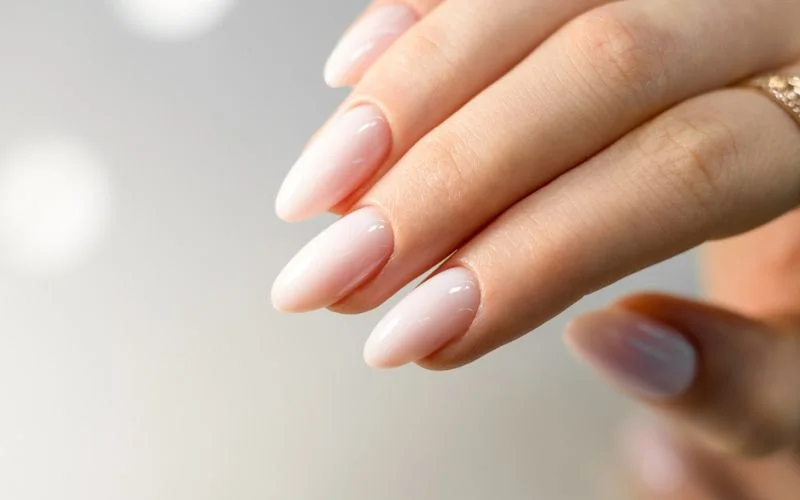
Proper hygiene practices are crucial in nail salons to ensure clients’ and technicians’ safety and well-being. By following strict hygiene protocols, nail salons can create a clean and healthy environment for everyone involved.
One of the most important hygiene practices in nail salons is regular handwashing. Technicians should wash their hands thoroughly before and after each client to prevent the spread of bacteria and infections. Additionally, they should use hand sanitizers or gloves when necessary to minimize the risk of cross-contamination.
Proper cleaning and disinfection of tools and equipment are also essential. All metal tools, such as nail clippers and cuticle pushers, should be sterilized using an autoclave or a high-level disinfectant solution. Non-metal tools, like nail files and buffers, should be disposed of after each use or thoroughly cleaned and disinfected.
Maintaining a clean and sanitized workspace is another crucial aspect of hygiene in nail salons. Surfaces, including manicure tables, pedicure chairs, and countertops, should be regularly cleaned and disinfected. It is also important to ensure that towels and linens are washed and replaced after each use.
Furthermore, proper ventilation is necessary to maintain a healthy salon environment. Adequate air circulation helps to reduce the concentration of harmful chemicals in nail products, such as acrylic nails and polishes.
Salon owners should invest in ventilation systems or open windows to ensure fresh air flows throughout the salon.
By adhering to these essential hygiene practices, nail salons can provide clients a safe and clean environment. Prioritizing hygiene not only protects the health of clients and technicians but also enhances the overall reputation and professionalism of the salon.
How Often Should Tools and Equipment Be Sterilized?

Maintaining safety and hygiene in nail salons is of utmost importance, and one crucial aspect of this is the regular sterilization of tools and equipment. By ensuring these items are properly sterilized, salon owners can protect their clients from potential infections and promote a clean and healthy environment.
According to industry standards and best practices, tools and equipment in nail salons should be sterilized after each use.
This includes nail clippers, cuticle pushers, and nail files. Sterilization is necessary to eliminate any bacteria, fungi, or viruses that may be present on these tools, preventing the spread of infections.
Several methods can be used to sterilize nail salon tools and equipment. The most common way is heat sterilization, which involves using an autoclave or dry heat sterilizer. These devices use high temperatures to kill microorganisms on the tools, ensuring their cleanliness.
Chemical sterilization is another option involving using disinfectants or antiseptics to kill bacteria and viruses. However, it is important to note that chemical sterilization may not be as effective as heat sterilization.
In addition to sterilizing tools after each use, it is also important to regularly clean and disinfect other surfaces in the salon.
This includes countertops, manicure tables, and pedicure chairs. By maintaining a clean environment, salon owners can further reduce the risk of infections and create a safe space for their clients.
In conclusion, the regular sterilization of tools and equipment is essential in maintaining safety and hygiene in nail salons. By following industry standards and best practices, salon owners can protect their clients from infections and enjoy a clean and healthy environment.
What Are the Risks of Using Chemicals in Nail Salons?
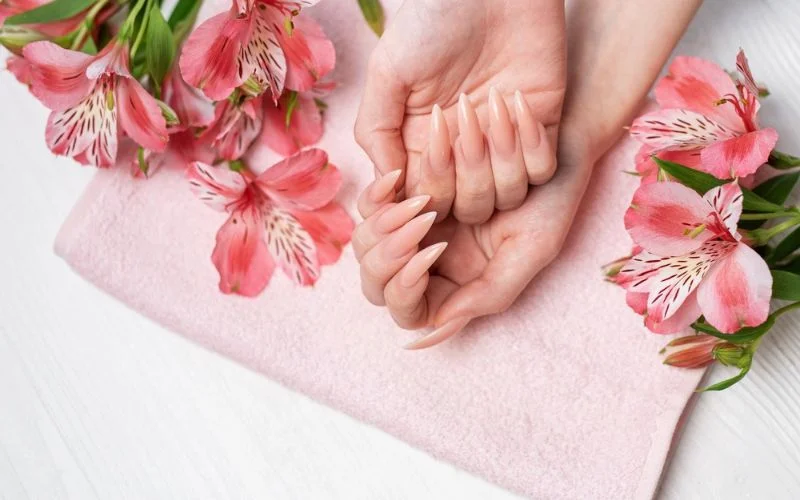
Nail salons are a popular destination for individuals seeking to enhance the appearance of their nails. However, knowing the potential risks associated with using chemicals in these establishments is important. By understanding these risks, customers can make informed decisions about their health and safety.
One of the main risks of using chemicals in nail salons is the potential for respiratory issues. Many of the products used in nail salons contain volatile organic compounds (VOCs), which can be released into the air and inhaled. Prolonged exposure to these chemicals can lead to respiratory irritation, allergies, and even more serious health conditions.
In addition to respiratory concerns, using chemicals in nail salons can also pose a risk to the skin. Some individuals may develop allergic reactions or skin sensitivities to certain chemicals found in nail products. This can result in redness, itching, and even painful blisters. It is important for nail salon professionals to properly assess their clients’ skin sensitivities and take appropriate precautions to avoid any adverse reactions.
Furthermore, there are potential risks associated with the improper handling and storage of chemicals in nail salons. If chemicals are not stored correctly, they may become contaminated or explosive. This can pose a serious threat to the salon’s employees and customers.
To mitigate these risks, nail salon professionals must follow proper safety protocols. This includes using ventilation systems to minimize exposure to airborne chemicals, wearing protective gloves and masks, and regularly inspecting and storing chemicals safely.
In conclusion, while nail salons offer a range of services to enhance the beauty of nails, it is important to be aware of the risks associated with using chemicals. By understanding these risks and taking appropriate precautions, customers and nail salon professionals can prioritize safety and hygiene in these establishments.
What Safety Measures Should Be Taken During Manicures?

When it comes to getting a manicure, safety should always be a top priority. Nail salons can be a breeding ground for bacteria and other harmful pathogens if proper hygiene measures are not followed. To ensure a safe and enjoyable experience, some essential safety measures should be taken during manicures.
First and foremost, nail salons must maintain a clean and sanitary environment. This includes regularly disinfecting all tools and workstations and using disposable items whenever possible. Nail files, buffers, and cuticle pushers should never be reused on multiple clients, as this can spread infections.
Furthermore, nail technicians should practice proper hand hygiene by washing their hands thoroughly before and after each client. They should also wear disposable gloves while performing manicures to minimize the risk of cross-contamination. Additionally, nail salons should readily have hand sanitizers for staff and clients.
Proper ventilation is another important safety measure that should not be overlooked. Chemical fumes from nail products can be harmful if inhaled in large quantities. Nail salons should have adequate ventilation systems to ensure clean air is free from toxic substances.
Lastly, nail technicians must be properly trained in nail care and hygiene practices. They should know the proper sterilization techniques for tools and equipment and the signs of common nail infections. Regular training and education can help ensure nail technicians are updated with the latest safety protocols.
In conclusion, safety and hygiene should be a top priority in nail salons. By following these essential safety measures, clients and nail technicians can enjoy a safe and healthy manicure experience. Remember, it’s better to be safe than sorry regarding your nails and overall well-being.
How Can Nail Salons Prevent the Spread of Infections?

Maintaining safety and hygiene in nail salons is crucial to prevent the spread of infections and ensure the well-being of both customers and staff. By implementing proper protocols and following best practices, nail salons can create a clean and safe environment for everyone.
First and foremost, nail salons should prioritize regular handwashing and sanitization. This simple yet effective measure can significantly reduce the risk of infections. Nail technicians should wash their hands thoroughly with soap and water before and after each client. They should also use hand sanitizers containing at least 60% alcohol.
Proper disinfection of tools and equipment is another essential aspect of preventing infections. Nail salons should have strict protocols for cleaning and sterilizing all reusable instruments. Metal tools should be soaked in a disinfectant solution and fixed using an autoclave. Disposable instruments should be discarded after each use to avoid cross-contamination.
Maintaining a clean and sanitized workspace is equally important. Nail salons should regularly clean and disinfect all surfaces, including manicure tables, pedicure chairs, and storage areas. Using EPA-approved disinfectants is recommended to eliminate harmful bacteria and viruses.
Furthermore, nail salons should enforce strict hygiene practices for staff and customers. Staff should wear disposable gloves during nail services and change them between clients. Customers should also be encouraged to wash their hands before and after their appointments.
Lastly, proper ventilation is crucial to prevent the buildup of harmful fumes and odors. Nail salons should have adequate ventilation systems to ensure good air circulation and reduce the risk of respiratory issues.
By implementing these preventive measures, nail salons can create a safe and hygienic environment for their clients. Prioritizing safety and hygiene protects customers and staff from infections and builds client trust and loyalty. Let’s strive for clean and healthy nail salons for everyone’s well-being.
What Are the Proper Disposal Methods for Nail Salon Waste?

When it comes to safety and hygiene in nail salons, proper disposal methods for waste play a crucial role. As a responsible nail salon owner or technician, it is essential to understand and follow the correct procedures for disposing of various waste materials generated during nail treatments. This not only ensures the well-being of your clients but also contributes to a cleaner and healthier environment.
Another common waste material in nail salons is nail filings or clippings. These should be collected using a dust extractor or vacuum system to prevent them from becoming airborne. Once collected, they can be disposed of as regular waste. However, it is advisable to seal them in a plastic bag before discarding them to minimize any potential contamination.
Proper disposal methods for nail salon waste are essential for maintaining a safe and clean salon and complying with environmental regulations. By following these guidelines, nail salon owners and technicians can contribute to the overall safety and well-being of their clients and the surrounding community. Responsible waste disposal is vital to quality nail services while prioritizing safety and hygiene.
Conclusion
“Safety and Hygiene in Nail Salons” is paramount for salon owners and customers. Throughout this post, we have explored various key points related to this topic.
Firstly, we discussed the common safety hazards in nail salons. From chemical exposure to ergonomic issues, salon owners must identify and address these hazards to ensure the well-being of their staff and clients.
Proper ventilation is another essential aspect that nail salons should prioritize. Adequate ventilation helps to minimize the inhalation of harmful fumes and chemicals, creating a healthier environment for everyone involved.
Maintaining proper hygiene practices is vital in nail salons. Regular handwashing, sterilization of tools and equipment, and using disposable items are all crucial steps in preventing the spread of infections and ensuring clients’ safety.
Speaking of sterilization, it is essential to emphasize how frequently tools and equipment should be sterilized. Regular sterilization is necessary to prevent the transmission of bacteria and viruses, protecting the salon staff and customers.
The use of chemicals in nail salons poses risks as well. Salon owners should be aware of the potential health hazards associated with these chemicals and take necessary precautions to protect their staff and clients.
During manicures, safety measures should be taken to avoid accidents and injuries. Proper training, ergonomic tools, and maintaining a clean and organized workspace are all essential in ensuring a safe experience for everyone.
Furthermore, preventing the spread of infections is crucial in nail salons. Regular disinfection of surfaces, proper hand hygiene, and using disposable items can significantly reduce the risk of diseases.
Thank you for taking the time to read this post. We hope that the information provided has been valuable to you. If you have any comments, questions, or feedback, please leave them below. Together, we can create safer and healthier nail salon environments for everyone.

