

Acrylic nails have become a popular trend in beauty and fashion. These artificial enhancements allow individuals to achieve long, glamorous nails that are both durable and versatile. However, before diving into acrylic nails, weighing the pros and cons is important to make an informed decision.
One of the major advantages of acrylic nails is their durability. Unlike natural nails that can easily chip or break, acrylic nails are known for their strength and resilience. This means you can enjoy beautiful, flawless nails for an extended period without worrying about mishaps.
Another benefit of acrylic nails is their versatility. With acrylics, you can experiment with different nail shapes and lengths. From trendy coffin-shaped nails to elegant stiletto tips, the possibilities are endless. This allows you to express your creativity and individuality through your nails, making a bold statement wherever you go.
However, it is also important to consider the potential drawbacks of acrylic nails. One common concern is the damage that can occur to your natural nails. The application and removal process of acrylic nails can weaken the nail bed, leading to brittleness and breakage. Taking proper care of your natural nails and allowing them to breathe between acrylic applications is essential to minimize potential damage.
Additionally, the maintenance of acrylic nails can be time-consuming and costly. Regular fills and repairs are necessary to keep your nails looking their best, which can add time and money. It is crucial to factor in these considerations before committing to acrylic nails.
What Are Acrylic Nails?
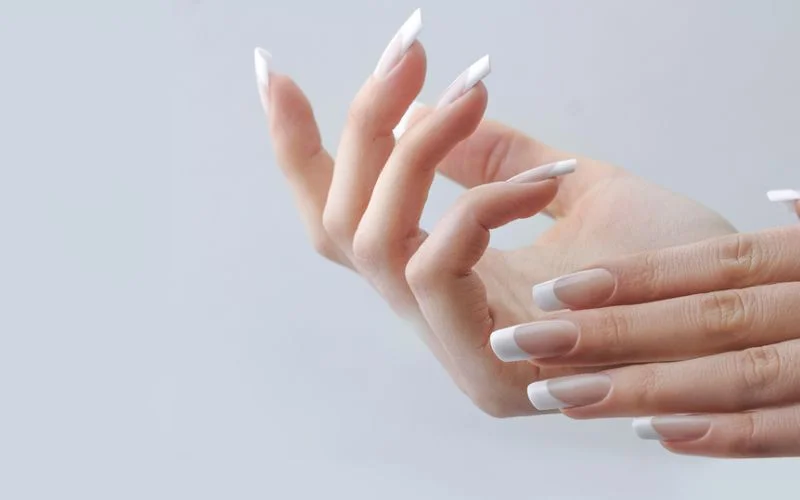
Acrylic nails have become increasingly popular in recent years, with many people opting for this type of artificial nail enhancement. But what exactly are acrylic nails? In simple terms, acrylic nails are fake nail extensions applied to natural nails. They combine a liquid monomer with a powdered polymer to create a thick paste that can be sculpted into the desired shape and length.
One of the main advantages of acrylic nails is their durability. Acrylic nails are much stronger and less likely to break than natural nails, which can be prone to cracking and chipping. This makes them popular for individuals who want long, glamorous nails that can withstand everyday activities.
Another benefit of acrylic nails is their versatility. They can be customized to suit individual preferences, with various colors, designs, and finishes available. Whether you prefer a classic French manicure or a bold, statement-making nail art design, acrylic nails can be tailored to your style.
However, it’s also important to consider the potential drawbacks of acrylic nails. One common concern is the damage they can cause to the natural nail. Applying and removing acrylic nails involves filing down the natural nail, which can weaken it over time.
Additionally, acrylic nails can lead to infections or other nail problems if not properly used or maintained.
In conclusion, acrylic nails offer a durable and versatile option for enhancing their natural nails. However, it’s important to weigh the pros and cons before deciding. It’s always recommended to consult with a professional nail technician to ensure that acrylic nails are the right choice for you.
How Long Do Acrylic Nails Last?
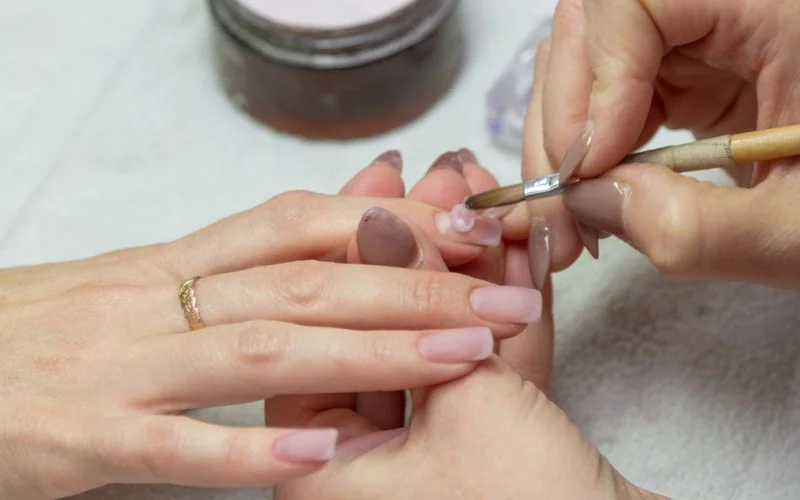
Acrylic nails have become increasingly popular in recent years, offering individuals a way to achieve long, glamorous nails without the wait. But how long can you expect your acrylic nails to last before needing a touch-up or removal? Let’s explore the factors that can influence the lifespan of acrylic nails.
Proper maintenance is one of the main factors determining how long acrylic nails last. It’s important to take care of your nails by avoiding excessive exposure to water and harsh chemicals. Protecting your nails can help prevent lifting and chipping, which can shorten their lifespan.
Another factor to consider is the quality of the application. When acrylic nails are applied by a skilled technician using high-quality products, they are more likely to last longer.
On the other hand, if the application is rushed or the products used are of poor quality, the nails may not adhere properly and must be replaced sooner.
The growth rate of your natural nails also affects how long acrylic nails last. As your natural nails grow, a gap can form between the acrylic and your nail bed. This can make the nails more prone to lifting and require more frequent touch-ups.
In general, acrylic nails can last anywhere from two to four weeks before needing a fill or removal. However, listening to your nails and paying attention to any signs of damage or lifting is important. If you notice any issues, it’s best to visit a professional nail technician for maintenance.
In conclusion, the lifespan of acrylic nails depends on various factors such as maintenance, application quality, and natural nail growth. By properly caring for your nails and choosing a reputable technician, you can enjoy beautiful acrylic nails for an extended period.
Are Acrylic Nails Safe?

Acrylic nails have become increasingly popular in recent years, with many opting for this artificial nail enhancement method. However, there has been some debate about the safety of acrylic nails. In this article, we will explore the pros and cons of acrylic nails to determine whether they are safe.
On the other hand, there are some potential drawbacks to consider. One concern is the application process, which involves using strong chemicals and fumes. This can harm the nail technician and the client if proper ventilation is not provided. Another issue is the potential damage to the natural nails.
Acrylic nails require regular maintenance and removal, which can weaken the natural nail bed if not done correctly.
Furthermore, there is a risk of infection if acrylic nails are not properly cared for. Bacteria and fungi can thrive in the space between the natural nail and the acrylic overlay, leading to nail infections. Maintaining good hygiene practices and seeking professional help if any signs of infection occur is important.
In conclusion, while acrylic nails offer durability and customization options, there are potential risks. It is crucial to prioritize safety and ensure proper application, maintenance, and removal of acrylic nails. By following these guidelines, you can enjoy the benefits of acrylic nails while minimizing the potential drawbacks.
Can Acrylic Nails Damage Natural Nails?

Acrylic nails have become increasingly popular in recent years, allowing individuals to have long, glamorous nails without the hassle of waiting for them to grow naturally. However, some debate has been surrounding the potential damage acrylic nails can cause to natural nails.
In this article, we will explore the pros and cons of acrylic nails to determine whether they can damage natural nails.
One of the main concerns regarding acrylic nails is the potential for damage during the application and removal process. Improper application or removal techniques can damage the nail bed, weakening the natural nails underneath.
Another factor to consider is the impact of acrylic nails on nail health. Acrylic nails require regular maintenance, including infills and removals, which can result in thinning and weakening of the natural nails.
Additionally, the chemicals used in the application and removal process can cause dryness and brittleness, further compromising the health of the natural nails.
On the other hand, acrylic nails offer several benefits. They are durable and long-lasting, making them ideal for individuals who struggle with weak or brittle nails. Acrylic nails can also be customized in shape, length, and color, allowing endless nail art and design possibilities.
In conclusion, while acrylic nails can be a great option for achieving beautiful, long nails, there are potential risks. It is essential to take proper care of your natural nails and seek professional assistance to minimize the chances of damage.
How Much Do Acrylic Nails Cost?
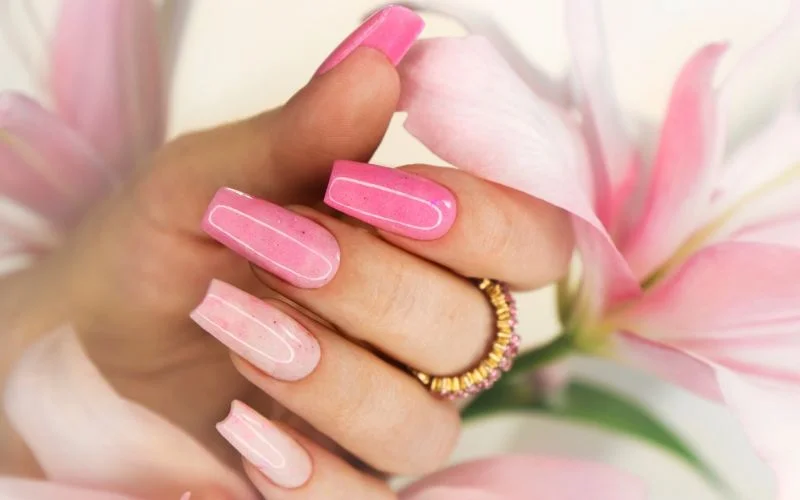
Acrylic nails have become increasingly popular in recent years, with many people opting for this type of nail enhancement to achieve longer and more durable nails. However, before diving into acrylic nails, it’s important to consider the cost implications.
One of the main factors that can influence the cost of acrylic nails is the salon’s location. Prices can vary significantly depending on the area, with salons in major cities often charging higher rates than those in smaller towns.
The length and design of the acrylic nails can also impact the cost. You can expect to pay more for longer nails or intricate designs. Some salons may charge extra for services such as nail art or custom designs.
Another factor to consider is the skill and experience of the nail technician. Highly skilled technicians with extensive experience with acrylic nails may charge higher rates for their services. Finding a reputable salon with experienced technicians is important to ensure you get the best results.
Lastly, the cost of acrylic nails can also depend on the materials used. Higher quality products may cost more but can also produce a more natural and long-lasting look. Discussing your options with the nail technician to balance cost and quality is important.
In conclusion, the cost of acrylic nails can vary depending on location, length, design, technician skill, and materials used. It’s important to consider these factors and research to find a salon that offers the best value for your money. Investing in quality services can result in beautiful and long-lasting acrylic nails.
Can You Remove Acrylic Nails at Home?
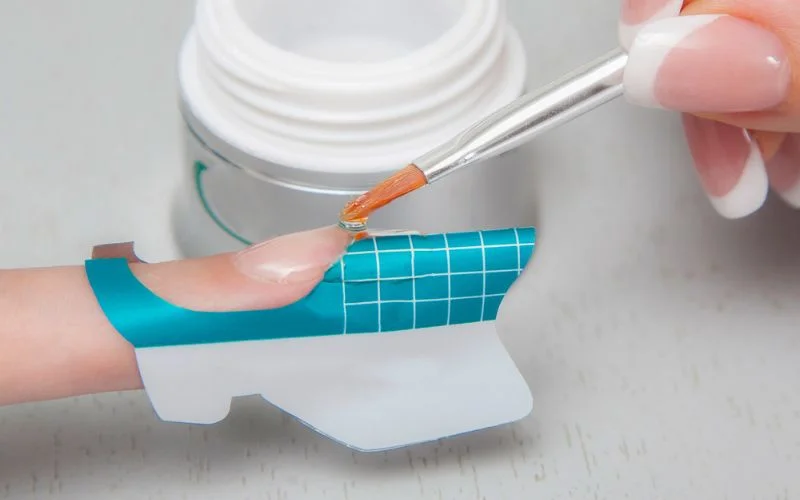
Acrylic nails have become increasingly popular in recent years, allowing individuals to have long, beautiful nails without the hassle of waiting for them to grow. However, there may come a time when you want to remove your acrylic nails, whether it’s because they have become damaged or you want a change. The question is, can you remove acrylic nails at home?
The short answer is yes, you can remove acrylic nails at home. However, it’s important to note that the process can be time-consuming and requires patience. One popular method for removing acrylic nails at home is soaking them in acetone. Acetone is a strong solvent that can break down the acrylic, allowing you to remove the pins easily.
While removing acrylic nails at home is possible, it’s important to note that it can be a delicate process. If done incorrectly, you could damage your natural nails. If you’re unsure or uncomfortable with removing your acrylic nails at home, it’s best to seek professional help from a nail technician.
In conclusion, while removing acrylic nails at home is possible, it’s important to proceed cautiously. If you’re not confident in your abilities or want to avoid any potential damage to your natural nails, it’s best to consult a professional.
Can You Get an Infection from Acrylic Nails?

Acrylic nails have become increasingly popular in recent years, with many opting for this nail enhancement technique. While acrylic nails can provide a beautiful and durable manicure, it’s important to consider the potential risks and drawbacks. One concern that often arises is the possibility of an infection from acrylic nails.
When it comes to whether you can get an infection from acrylic nails, the answer is yes. Like any nail enhancement technique, there is a disease risk if proper hygiene and maintenance are not followed. The artificial nails create a seal over your natural nails, trapping moisture and creating a breeding ground for bacteria and fungi. If the nails are not properly cleaned and maintained, these microorganisms can thrive and lead to an infection.
The most common type of infection associated with acrylic nails is a fungal infection. This can cause the nails to become discolored, thickened, and brittle. In severe cases, the infection can spread to the surrounding skin and cause pain and inflammation. Bacterial infections can also result in redness, swelling, and pus-filled bumps around the nails.
It’s important to follow proper nail care practices to minimize the risk of infection. This includes keeping the nails clean and dry, avoiding excessive filing or cutting of the nails, and regularly moisturizing the cuticles. It’s also crucial to visit a reputable nail salon that follows strict hygiene protocols and uses high-quality products.
In conclusion, while acrylic nails can enhance the beauty of your hands, it’s important to be aware of the potential risks. Practicing good hygiene and properly caring for your nails can minimize the risk of developing an infection. However, if you notice any signs of infection, it’s essential to seek medical attention promptly to prevent further complications.
Are There Any Alternatives to Acrylic Nails?
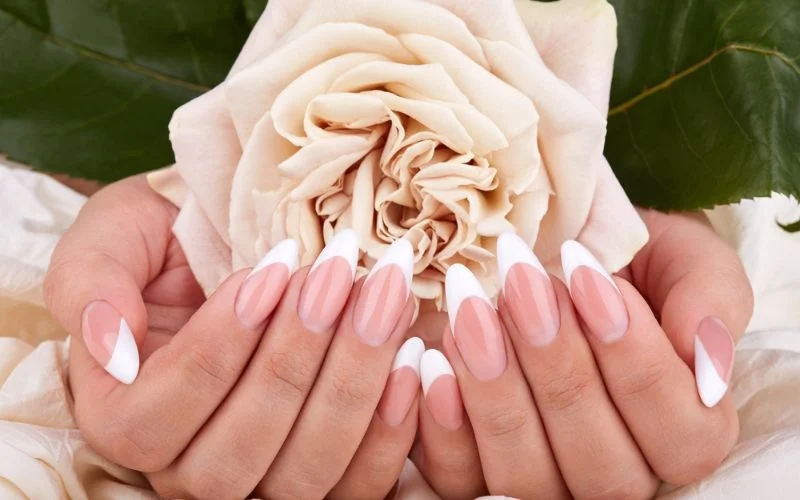
Regarding nail enhancements, acrylic nails have been a popular choice for many. They offer durability, strength, and the ability to create various designs. However, some people may be looking for alternatives to acrylic nails. There are a few alternatives worth considering, whether due to allergies, concerns about damage to the natural nails, or simply wanting a change.
One alternative to acrylic nails is gel nails. Gel nails are created by applying gel polish to the natural nails and then curing it under a UV or LED lamp. They look similar to acrylic nails but are more flexible and natural-looking. Gel nails also require less maintenance and are generally easier to remove than acrylic nails.
Another alternative is dip powder nails. This technique involves applying a base coat, dipping the pins into a colored powder, and sealing it with a top coat. Dip powder nails are known for their long-lasting results and the ability to create a strong, durable manicure. They also tend to be gentler on natural nails than acrylic nails.
For those who prefer a more natural approach, options like silk or fiberglass wraps exist. These involve applying a thin layer of silk or fiberglass over the natural nails to add strength and durability. While not as long-lasting as acrylic or gel nails, silk or fiberglass wraps can be a good alternative for avoiding chemicals and excessive filing.
In conclusion, while acrylic nails have benefits, alternatives are available for those who want to explore different options. Gel nails, dip powder nails, and silk or fiberglass wraps offer distinct advantages and can be a great choice for those looking for something different. When choosing the best alternative to acrylic nails, one must consider personal preferences, nail health, and maintenance requirements.
Conclusion
The pros and cons of acrylic nails can help you decide whether or not to get them. Throughout this post, we have covered various topics related to acrylic nails, including what they are, how long they last, their safety, potential damage to natural nails, cost, removal process, risk of infection, and alternative options.
Acrylic nails are a popular choice for many individuals looking to enhance the appearance of their nails. They are durable and can last several weeks, making them a great option for long-lasting nail extensions.
Cost is another factor to consider when deciding on acrylic nails. The price can vary depending on the salon and the complexity of the design, so it is essential to budget accordingly.
Looking ahead, advancements in nail technology may lead to safer and more affordable alternatives to acrylic nails. It is important to stay informed about these developments and consider them when deciding your nail care routine.
Thank you for taking the time to read this post on the pros and cons of acrylic nails. We hope that it has provided you with valuable insights and information. We encourage you to leave any comments or feedback, as your input is highly appreciated. Remember to make informed choices regarding your nail care and prioritize the health and well-being of your natural nails.

