
In the intricate tapestry of our bodies, the seemingly inconspicuous elements often hold profound insights into our overall health. Take, for instance, the humble nails – a part of our anatomy that extends beyond mere aesthetics. Little do we realize that these small keratin structures can serve as a diagnostic canvas, painting a picture of our well-being. This article explores the world of “health from nails,” revealing how these unassuming features can offer a glimpse into our internal health and lifestyle choices.
From the moment we enter this world, our nails embark on a journey of growth and transformation, mirroring the changes within us. Far beyond their practical function in aiding everyday tasks, nails act as dynamic indicators, responding to shifts in our health. Subtle alterations in color, texture, or shape may serve as silent messengers, conveying messages about potential deficiencies, underlying conditions, and even our habits. This article invites you to pay attention to these often-overlooked details, encouraging a proactive approach to health by recognizing early signs through the intricate language spoken by your nails.
What Are the Common Nail Problems?
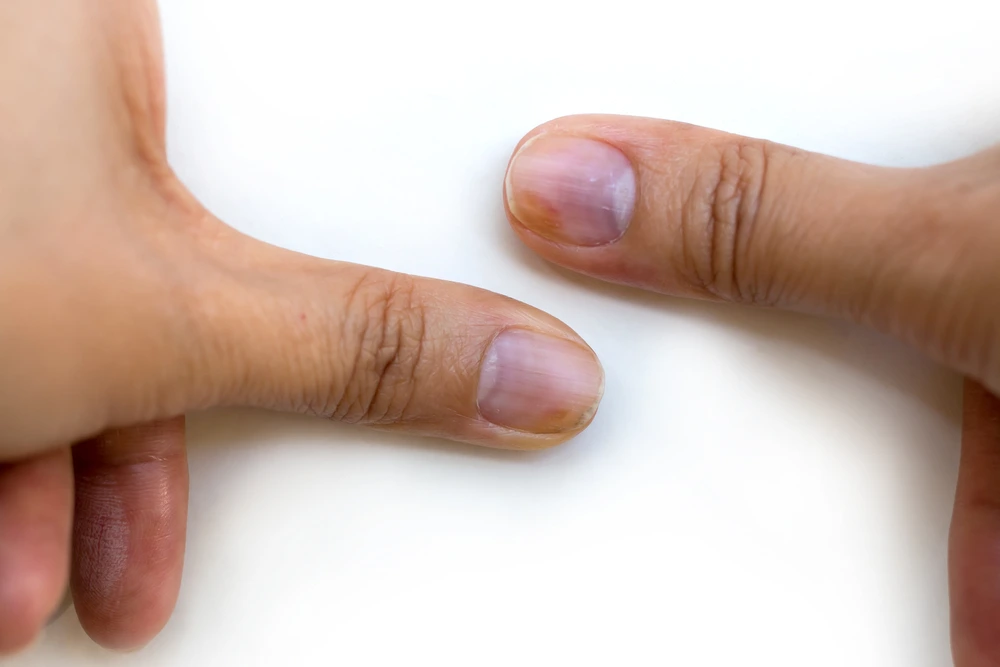
Nails, often overlooked, serve as a silent communicator of our internal well-being. A thorough examination of these seemingly trivial features can unveil common nail problems that may signify underlying health issues. This section delves into the significance of brittle nails, nail discoloration, ridges, and ingrown nails, unraveling the potential associated health implications.
Brittle Nails
Brittle nails, characterized by a tendency to break and split, can indicate various factors impacting nail health. Nutritional deficiencies, prolonged exposure to water, and the use of harsh chemicals are common contributors. This section sheds light on the potential connections between brittle nails and essential nutrient deficiencies, emphasizing the importance of addressing these issues for overall health.
Nail Discoloration
Discoloration in nails, presenting as shades of yellow, white, or green, may serve as a visual cue to underlying health concerns. Fungal infections, psoriasis, and disorders affecting the liver or kidneys can manifest through changes in nail color. This segment explores the diverse health implications of nail discoloration, urging readers to be attentive and seek medical advice despite significant color changes.
Ridges on Nails
Ridges on nails, whether vertical or horizontal, provide additional insight into one’s health status. While vertical ridges are often benign and associated with aging, horizontal ridges, known as Beau’s lines, might indicate more serious health conditions. This portion examines the diverse meanings behind nail ridges, encouraging readers to distinguish between harmless and potentially concerning variations.
Ingrown Nails
The challenge of ingrown nails arises when the nail pierces the surrounding skin, resulting in pain, swelling, and possible infection. Often attributed to improper nail trimming, tight footwear, or injuries, ingrown nails can be managed properly. This segment offers insights into the causes, symptoms, and preventive measures for ingrown nails, promoting proactive nail health practices.
Incorporating a holistic approach to nail care involves understanding the language spoken by our nails and recognizing the subtle signs that may point to underlying health issues. By addressing common nail problems, individuals can journey towards improved overall well-being. If persistent issues or significant changes are observed, seeking professional medical advice ensures accurate diagnosis and tailored treatment.
How to Prevent Nail Infections?
Preventing nail infections is within reach through conscientious nail care and hygiene practices. This section provides practical insights on safeguarding your nails from infections, emphasizing the importance of cleanliness and maintenance for overall nail health.
Keep it Clean and Dry
The foundation for preventing nail infections is keeping your nails clean and dry. Moisture provides an optimal breeding ground for bacteria and fungi, making thorough drying essential after activities like handwashing or showering. Minimize exposure to water and consider wearing gloves when engaging in tasks that entail prolonged hand contact with moisture, fortifying your defense against potential infections.
Trim with Precision
Regularly trimming your nails is a fundamental step in infection prevention. Long nails can harbor dirt and bacteria, elevating the risk of infections. Use clean, sharp nail clippers or scissors to trim your nails straight. Be cautious not to cut them excessively short or round the edges, as these practices may contribute to developing ingrown nails.
Prioritize Hygiene
Maintaining good hygiene serves as a crucial shield against nail infections. Consistently wash your hands with soap and water before and after handling your nails. Resist the urge to bite or pick at your nails, as such habits can introduce harmful bacteria and compromise the integrity of the nail bed.
Guard Against Injury
Protecting your nails from injury is another key element in infection prevention. Choose appropriate footwear to prevent accidental toe-stubbing, and refrain from using your nails as makeshift tools. Ensuring that these establishments adhere to stringent sanitation practices is imperative for those who frequent nail salons to minimize the risk of infections.
By adhering to these straightforward yet effective tips, you empower yourself to reduce the risk of nail infections significantly. Prioritizing nail hygiene and adopting preventative measures contribute to the health and beauty of your nails, fostering an environment where infections struggle to take root.
What Causes Brittle Nails?
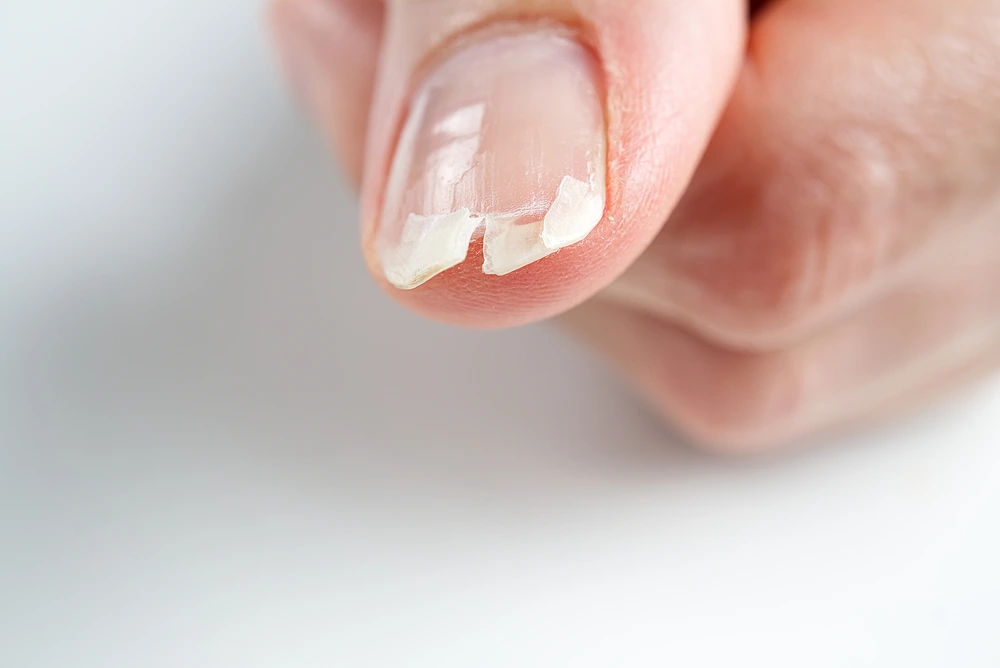
Brittle nails, marked by weakness, easy breakability, and a propensity for splitting, can be a vexing concern for many. Understanding the root causes of this issue is pivotal in devising effective solutions. Explore the factors contributing to brittle nails and discover strategies to enhance nail health.
- Excessive Dryness: One prevalent cause of brittle nails is excessive dryness, often from frequent exposure to water, harsh chemicals, or certain medications. Without adequate moisture, nails lose their flexibility and become susceptible to breakage. Regularly moisturizing the nails and cuticles with nourishing oils or creams is a key preventative measure.
- Nutritional Deficiencies: Brittle nails can result from dietary deficiencies, particularly in essential vitamins and minerals like biotin, iron, and zinc. A well-balanced diet incorporating these nutrients is necessary to fortify the nails and combat brittleness.
- Underlying Medical Conditions: Certain medical conditions, such as hypothyroidism, psoriasis, and fungal infections, can contribute to the weakening of nails, making them prone to brittleness. Addressing the underlying health condition is paramount in tackling this specific cause.
- Excessive Use of Nail Products: Prolonged exposure to nail products and harsh chemicals, including nail polish removers, acetone-based products, and gel manicures, can strip the nails of their natural oils, resulting in brittleness. Taking breaks from these products and using them sparingly helps maintain nail strength.
Individuals can tailor their approach to address the specific cause by identifying the diverse factors leading to brittle nails. Whether it’s enhancing moisture, adjusting dietary intake, managing underlying health conditions, or moderating the use of nail products, a targeted strategy promotes the improvement of brittle nails. Prioritizing nail care and seeking professional advice are essential in nurturing stronger and healthier nails.
How to Strengthen Weak Nails?
Weak nails can be a common concern, impacting appearance and potentially indicating underlying health issues. If you seek natural methods to fortify your nails, consider these tips to promote healthier and stronger nail growth.
Nutrient-Rich Diet
A balanced diet plays a pivotal role in strengthening weak nails. Prioritize biotin-rich foods, such as eggs, nuts, and whole grains, to support nail strength and growth. Additionally, incorporating vitamins A, C, and E, along with iron and zinc, contributes to the overall health of your nails, fostering a foundation for strength and resilience.
Gentle Nail Care
Proper nail care involves avoiding harsh chemicals and acetone-containing nail polish removers, which can strip natural oils and weaken the nails. Opt for gentle nail care products and moisturizers infused with ingredients like jojoba oil or vitamin E. This approach preserves the nails’ integrity while promoting strength and vitality.
Moisturizing Rituals
Regularly moisturizing your nails and cuticles is a key practice for maintaining strength and flexibility. Utilize nourishing cuticle oils or creams to prevent dryness and brittleness. Employing gloves during household chores or tasks involving water exposure shields your nails from potential damage, fostering a resilient and healthy appearance.
Strengthening weak nails requires a holistic approach encompassing proper nutrition, gentle nail care practices, and consistent moisturizing. Incorporating these tips into your routine empowers your nails to thrive, enhancing their aesthetic appeal and robustness.
What Are the Signs of Nail Fungus?
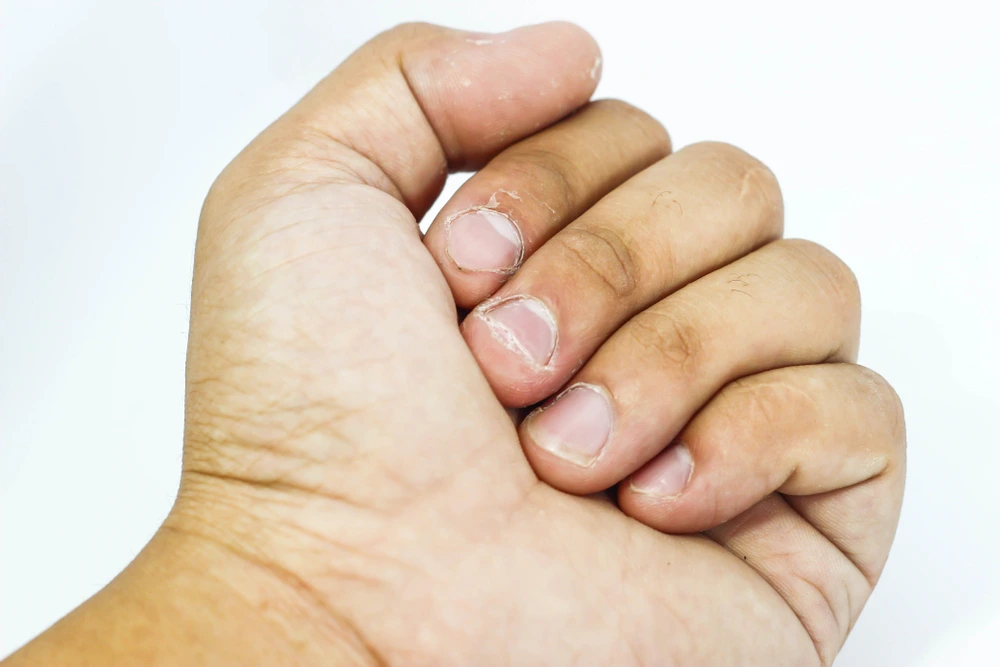
Nail fungus, a prevalent condition affecting many individuals, can lead to discomfort and self-consciousness. Understanding the signs and symptoms is crucial for prompt treatment, preventing the infection from spreading. Familiarize yourself with the key indicators of nail fungus to address the issue proactively.
Discoloration of Nails
- Infected nails commonly display discoloration, with shades of yellow, brown, or black.
- Thickening of the nails accompanies discoloration, making them challenging to trim or file.
- Brittle and crumbly texture may develop in severely infected nails.
Altered Nail Shape
- Nail fungus can cause a change in the shape of the infected nails.
- Distorted and irregular nail shapes may emerge, leading to potential separation from the nail bed.
- Changes in the structure of the nails can result in discomfort and pain.
Additional Symptoms
- Brittle nails prone to breaking become another symptom of nail fungus.
- A foul odor emanating from infected nails is a common occurrence.
- Redness, swelling, and tenderness in the surrounding skin may accompany the infection.
How to Treat Ingrown Nails?
Dealing with the discomfort of ingrown nails necessitates prompt attention and a blend of at-home remedies and, if needed, professional intervention. Here’s a comprehensive guide on effectively treating ingrown nails, whether on your toenails or fingernails, while prioritizing overall nail health.
Soothing Soaks
A pivotal initial step in ingrown nail treatment involves soaking the affected area in warm water. This not only softens the nail but also helps reduce inflammation. Enhance the soothing effects by adding a few drops of tea tree oil or Epsom salt to the water. After approximately 15 minutes of soaking, gently dry the area, preparing it for further care.
Gentle Elevation
Following the warm soak, attempt to lift the ingrown nail gently using a clean cotton swab. Exercise caution to avoid forcing the nail, as this can exacerbate pain and potential damage. If the nail doesn’t lift easily, it’s advisable to avoid further attempts and seek professional assistance to prevent complications.
Professional Help
In cases where the ingrown nail causes significant pain or becomes infected, seeking the guidance of a healthcare professional is crucial. They may recommend a minor surgical procedure to remove the ingrown portion of the nail, providing immediate relief and minimizing the risk of recurrence.
To thwart future ingrown nails, adopt proper nail care practices by trimming them straight across and avoiding rounded edges. Selecting comfortable shoes that allow toe movement and opting for non-restrictive socks contribute to prevention efforts.
By combining these home remedies with professional care, individuals can effectively manage ingrown nails and promote overall health. Remember to consult a healthcare professional promptly if severe pain or signs of infection arise during treatment.
What Are the Best Nail Care Tips?
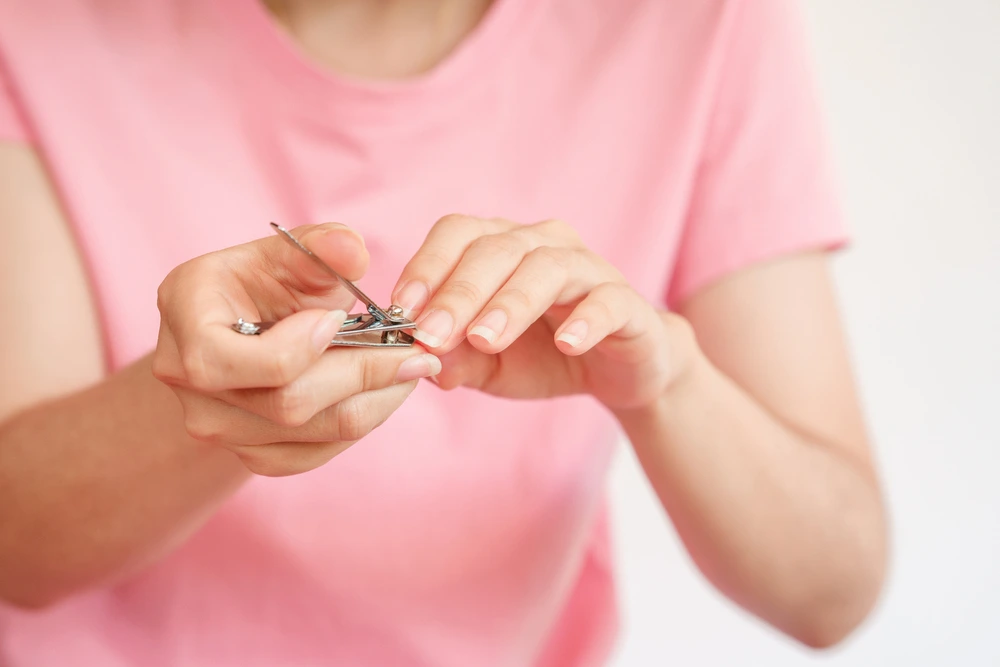
Proper nail care is fundamental to maintaining your nails’ aesthetics, strength, and health. Incorporating these practical tips into your routine ensures your nails remain beautiful and resilient.
Keep them Clean
- Regularly wash hands and nails with mild soap and water to eliminate dirt and bacteria.
- Avoid harsh chemicals and acetone-containing nail polish removers that can dry out and make nails brittle.
Regular Trimming
- Trim nails regularly using a sharp clipper or file, keeping them straight across.
- Avoid cutting too short or rounding edges to prevent ingrown nails, reducing the risk of breakage and splitting.
Moisturize for Hydration
- Apply a nourishing cuticle oil or cream to moisturize nails and cuticles, preventing dryness.
- Massage the oil or cream to enhance blood circulation, fostering healthy nail growth.
Protective Measures
- Refrain from using nails as tools for tasks like opening cans or scraping off stickers to prevent breakage.
- Wear gloves during household chores or gardening to shield nails from harsh chemicals and dirt.
Healthy Diet for Strong Nails
- To promote nail growth and strength, maintain a well-rounded diet with biotin-rich foods like eggs, nuts, and whole grains.
Incorporating these tips into your daily routine contributes to the overall well-being of your nails, ensuring they look beautiful and remain strong and resilient. Remember, nail care is integral to your holistic health and self-care.
How to Maintain Healthy Nails?
Maintaining healthy nails requires a holistic approach encompassing proper hygiene, nutrition, protection, and moisturization. By integrating these practices into your routine, you can promote the well-being of your nails and prevent potential issues.
Hygiene Habits
Ensuring proper hygiene is the cornerstone of maintaining healthy nails. Regular handwashing and keeping nails clean are essential to prevent the accumulation of bacteria and fungi. Consistent nail trimming is crucial, preventing excessive length and minimizing the risk of breakage.
Nutritional Support
Nutrition plays a pivotal role in sustaining healthy nails. A diet rich in vital vitamins and minerals, including biotin, vitamin E, and iron, fosters nail strength and growth. Incorporating nutrient-dense foods like eggs, nuts, leafy greens, and lean meats supports overall nail health.
Protective Measures
Shielding your nails from potential damage is a proactive step in their care. Wearing gloves during household chores and activities involving exposure to chemicals or excessive moisture helps prevent weakness and brittleness. Additionally, avoiding using nails as tools minimizes the risk of breakage and damage.
Moisturization Rituals
Regular moisturization keeps nails and cuticles hydrated, preventing dryness and brittleness. Massaging a nourishing oil or cream into the nails and cuticles enhances their health and improves blood circulation, fostering optimal nail growth.
Incorporating these practices into your nail care routine creates a comprehensive strategy for maintaining healthy nails. Remember, your nails serve as more than just a visual element—they are indicators of your overall health. Prioritize their care, and you’ll contribute to both their beauty and your well-being.
Conclusion
In conclusion, this comprehensive post has delved into crucial aspects of “health from nails,” addressing common problems like nail infections, brittle nails, and nail fungus. Emphasizing the significance of proper nail care, the content offers practical tips on prevention and maintenance. By advocating practices such as cleanliness, avoiding harsh chemicals, and protective measures, individuals can mitigate the risks of nail problems and infections. The post has also provided actionable advice on strengthening weak nails, treating ingrown nails, and promoting overall nail health, offering readers a holistic guide to achieving strong and beautiful nails.
Looking forward, the post acknowledges the potential for future developments and trends in nail care, highlighting the importance of staying updated on advancements in treatments. Whether it’s innovative antifungal medications or emerging techniques for strengthening nails, staying informed will ensure optimal nail care. In conclusion, the post encourages readers to prioritize their nail health, recognizing that it is essential for aesthetic reasons and a crucial aspect of overall well-being. The authors express gratitude for the readers’ time, invite feedback, and underscore the importance of not neglecting the care and attention that nails deserve.

