
If you’ve ever been wondering how to keep your nails healthy and looking fresh without the harsh chemical ingredients of mainstream nail treatments, then you’ve come to the right place and read about go natural nail treatments.
DIY nail care is much simpler than you might think, and you can whip up your natural nail treatments in no time. In this blog post, I’ll go over some of the basics of making your nail polishes, scrubs, and other treatments so you can pamper your nails naturally.
Once you incorporate these simple methods into your self-care routine, you’ll be on your way to stronger, healthier nails without artificial ingredients. Get ready to get your DIY nail care on!
Quick Response to Key Question
Making your natural nail treatments is easy and cost-effective. Research recipes and experiment with ingredients such as cinnamon, honey, and lemon juice to create unique treatments.
Brittle Nails – DIY Remedies to Strengthen Them

Brittle nails can be a surprisingly common problem, and the good news is that you can use several DIY nail treatments to nourish damaged nails. Various remedies are available for brittle nails, including natural oils, hydration boosters, and vitamins.
The essential oil of jojoba has been known to be particularly beneficial for brittle nails; it moisturizes them and provides the necessary omega-3 fatty acids that help restore strength. Using shea butter or coconut oil will also result in the generation of softer and healthier nails.
Other vitamin-rich alternatives include a blend of carrot seed oil, apricot kernel oil, and wheat germ oil; this will provide much-needed vitamins and increase cell regeneration.
Biotin is another vital addition as part of any DIY nail treatment; this helps strengthen and lengthen your nails while reducing breakage.
It should be noted that while these kinds of treatments can help resolve the issue, there are other factors at play, from inadequate diet and dehydration to lifestyle choices such as smoking or using acetone on an ongoing basis.
Be sure to check into these factors before attempting a DIY remedy for brittle nails so that you can tackle the root cause.
Fortunately, with the abundance of natural ingredients available, it’s easy to tailor any DIY remedy according to our needs. Now that you have some insight into how brittle nails develop let’s look into how we can naturally moisturize them using oils.
Oils to Moisturize
Caring for brittle nails shouldn’t be done without considering the importance of moisturizing them. Oils are great for that as they can help restore and strengthen nails and cuticles, making them less brittle.
Olive oil, coconut oil, and jojoba oil are examples of oils many swear work wonders at softening their nails. Applying a generous amount to my hands before I went to bed was something I used to do regularly when I noticed my nails were becoming dry or brittle.
When applying oils to your nails or cuticles, be mindful not to avoid overdoing them or leaving them on too long – this might make the nails too soft and be counterproductive.
If you experience an adverse reaction after using any of these oils, promptly seek advice from a certified healthcare professional, as these reactions can vary from person to person.
The importance of moisturizing should never be underestimated when caring for brittle nails. Applying the right kinds of oil in moderation can usually produce favorable results within no time if done consistently.
For example, coconut oil is widely known for its antimicrobial properties, and olive oil has long been considered a natural moisturizer; both are great sources of healthy fatty acids that slowly but surely repair damaged nails over time.
Transitioning to treating brittle nails with homemade strengtheners is still essential to get durable and manageable results in the long term. DIY remedies have various benefits, such as being fast and easy to make while still being effective at revitalizing brittleness.
Homemade Strengtheners
For an external care boost, why not make your homemade strengtheners? Strengtheners can help combat weakened or brittle nails.
Common strengthening agents include calcium, keratin,n, and biotin, which can be found in many forms like supplements, vitamins, creams,s and natural sources like dairy products.
There is debate over which strengthening agent works best – some recommend calcium supplements while others swear by biotin-rich foods and creams. However, it’s important to note that both carry their own set of pros and cons.
Calcium has been linked to healthier nails when taken as a supplement, but getting the nutrient through your diet via food sources may be better for overall health and likely more effective than topical creams.
Meanwhile, biotin creams can moisturize and make nails look shinier on the surface, but there’s less scientific evidence about biotin’s effectiveness for increasing strength internally.
In any case, strengthening your nails with homemade recipes should be done cautiously – too much vitamin or mineral can have adverse effects.
Talk to your doctor before beginning any treatment plan to determine the best action for your needs.
Remember that results from homemade treatments won’t happen overnight – it often takes several weeks or longer before you’ll begin to see results as your nails grow out.
Fortunately, other ways exist to get smooth, ridged nails without relying solely on home remedies. In the next section, we’ll discuss ways to tackle ridged nails with professional nail treatments and DIY tips at home – so let’s dive into that now!
Ridged Nails – DIY Treatments to Smooth Them
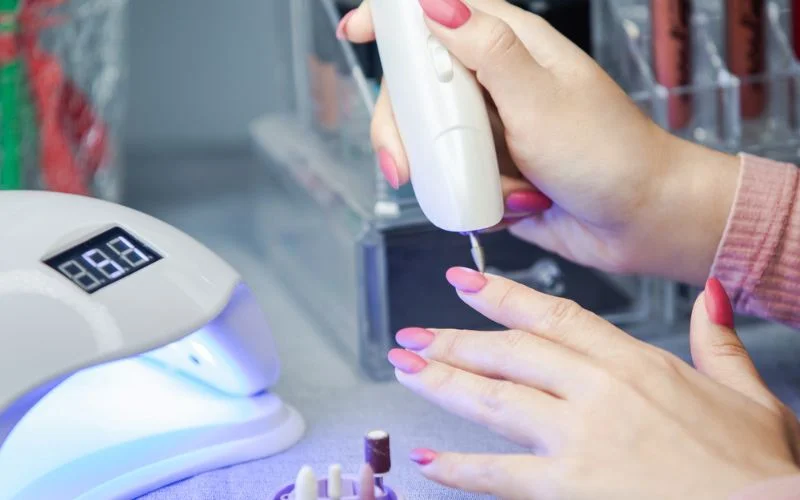
Ridding nails of ridges is an issue many faces and can make them appear brittle and aged. The good news is that it can be fixed. There are a few DIY treatments you can use to smoothen uneven ridged nails.
First, try applying Vaseline on your nail beds before sleeping to reduce the appearance of ridge lines. You may also want to rub jojoba oil on your nail beds in circular motions for a few minutes daily. This will nourish your nails without damaging them and may help reduce the visibility of ridges.
Some skeptics argue that DIY treatments won’t work as well as salon treatments or products. However, many people have reported positive results from using these homemade remedies.
Moreover, using natural products to treat nails means avoiding exposing yourself to unknown chemicals in other nail treatments.
For those looking for a more extreme edge, a table salt scrub can be used to exfoliate the cuticles while reducing ridged lines gently.
The scrubbing motion will help reduce the overall thickness of ridges while hydrating your fingertips simultaneously.
Once done, wash off the mixture with warm water and pat dry with a towel or cloth before applying moisturizer to the nail beds.
These home remedies are easy and affordable ways to bring life back into dull nails weakened by ridging – the results may surprise you! For those wanting to combat this pesky condition even further, smoother nail tablets are also available.
Tablets for Smoother Nails
When it comes to ridged nails, tablets can provide extra nourishment for your nails. Taking various vitamins and biotin supplements is often touted as a great way to strengthen the nails and promote growth.
Many over-the-counter vitamins specifically target nail health, including vitamin E, zinc, biotin, and omega fatty acids. This may be an effective solution to smoother nails, coupled with proper moisturization and using an acrylic nail buffer for smoothness.
On the other hand, some people may choose to forego taking tablets to address their ridges. There is no definitive scientific evidence proving that taking pills can reduce ridging or improve strength in the long term; however, anecdotal evidence suggests they may have benefits.
Therefore, it could be argued that tablets should still be taken in moderation as part of a robust nail care plan. Still, at the same time, one should not expect miraculous results overnight or without any accompanying nail care methods.
Whatever your choice when it comes to addressing ridged nails – whether through the application of DIY treatments or the use of nutritional tablets – it is important to regularly visit a doctor or dermatologist to ensure your overall nail health remains on track.
You can find smoother, healthier nails in no time with consistent care! Once you have addressed your ridged nails, it’s time to move on to weakening nails, which require special attention and unique DIY treatments for lasting effects.
Weak Nails – DIY Treatments for Healthier Moves
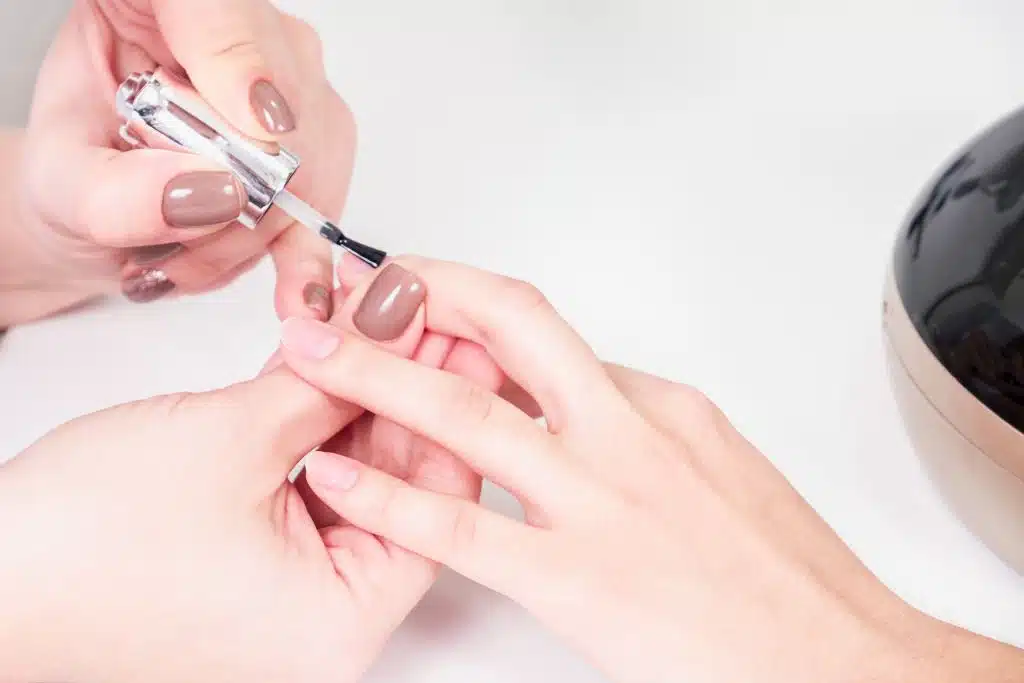
We’ve already discussed one avenue of DIY nail care that can make your nails smoother: tablets. But what about when your nails are weak and easily break?
Weak nails require gentler treatments, but you can still use some effective at-home options to strengthen your nails.
One popular yet controversial method is combining raw eggs, flour, and castor oil to create a paste that is said to strengthen and nourish the nails. While no clear scientific evidence supports this method, many users claim its efficacy.
The negatives associated with this treatment come from the potential presence of bacteria in the raw egg. Applying it directly to one’s finger or toenails may also increase the risk of transferring salmonella or other potentially harmful contaminants.
Therefore, It is recommended to be very careful when engaging in this practice and ensure all ingredients are fresh, clean, and contamination-free.
Alternatively, many plant-based oils are available on the market that boast strengthening properties, such as sweet almond or jojoba oil.
One recent study did show that long-term use of almond oil topically helped promote strong and healthy nails over time, so this could be a safer option for those wishing to strengthen their nails without putting themselves at risk.
One final method for improving nail health is using paraffin wax to moisturize and lock in moisture within the nail structure.
With sensible moderation, DIY nail care can help bring life back into weak fingers and toes with time and patience. Onward, we go towards vitamins and minerals, another important factor for better nail maintenance!
Vitamins and Minerals
Regarding DIY treatments for healthier nails, vitamins and minerals are vital. It is important to supplement your diet with key vitamins and minerals like biotin, zinc, and Vitamin A, B complex, and C, as these play an important role in healthy nail growth.
Biotin, an important B vitamin found in egg yolk, liver, yeast, and soybeans, assists with metabolic processes, which can help enhance the health of nails when ingested or applied topically over the nails.
Zinc helps promote nail health by aiding circulation around the nail bed and influencing cell production. This micronutrient aids in developing collagen and keratin proteins, which give nail strength.
It is also possible to get these vitamins naturally through a balanced diet. Foods like nuts, red meat, legumes, and green vegetables are particularly good sources of biotin, while dry fruits such as apricots, figs, and dates are also beneficial for gaining the required amounts of zinc.
Eating foods that contain protein, like eggs and fish, can provide Vitamin A while leafy greens like kale or spinach can fill in Vitamin B needs.
Now that we’ve covered some ways to keep your natural nails healthy from the inside out, let’s look at how we can further enhance them with a natural DIY oil soak.
- A 2017 study concluded that natural oils, such as avocado, extra virgin olive, and almond, are beneficial for treating nail disorders.
- According to a 2018 research article published in the International Journal of Molecular Sciences, various plant extracts, including aloe vera, tea tree oil, and garlic, effectively reduce fungal nail infections.
- A 2020 systematic review found that using a combination of lemon, coconut,t and orange peel oils can significantly improve the physical appearance of nails affected by fungus.
Natural Nail Care DIY with Oil Soak
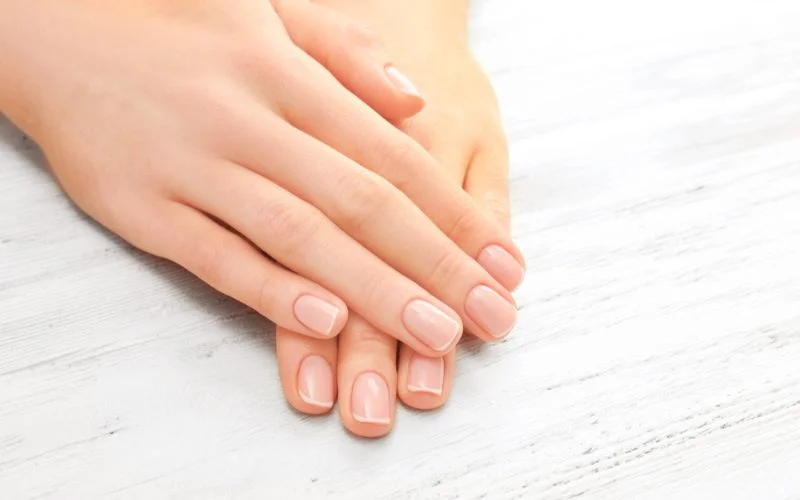
An oil soak is an incredibly popular form of DIY nail care that requires only natural ingredients and a few simple steps. An oil soak infuses moisture deep into the nail bed, keeping them nourished and healthy while preventing chipping and breakage.
Benefits of this DIY nail care include improved flexibility and hydration; it helps to even out discoloration over time.
Moreover, some essential oils provide anti-fungal benefits, which can help prevent nail fungus if used frequently.
Those with dry or brittle nails will especially benefit from an oil soak because it can build up keratin levels, giving the pins more strength and flexibility. However, this natural form of DIY nail care requires a considerable amount of commitment.
To get the most out of an oil soak, it should be done regularly – ideally every other day or at least once or twice a week at the very least –to maintain hydrated nails.
On the other hand, there is a risk to using natural oils as part of your DIY nail care regimen: If you leave them on your nails for too long without washing them off after each session, it may lead to an unhealthy accumulation of dirt and bacteria over time – leading to discoloration, splitting and splitting skin around the nails.
Essential Points
Natural oils can be beneficial for DIY nail care, providing improved flexibility and hydration, as well as anti-fungal benefits. This type of nail care should be done regularly, ideally every other day or a few times a week, for best results.
The recommendation is to use jojoba, almond, or coconut oil as they penetrate deeply into the nail bed. However, it is important to follow the recommended application steps and ensure any bottles used are clean and free from contamination to reduce the risk of dirt accumulation.
FAQs:
Are there any potential risks associated with homemade natural nail treatments?
Yes, there are potential risks associated with homemade natural nail treatments. These may include skin irritation from certain ingredients (e.g., lemon juice), an allergic reaction to certain plants and herbs, or the possibility of a bacterial or fungal infection due to unclean work surfaces or containers.
Additionally, essential oils can also have adverse reactions on sensitive skin, so be sure to test any products on a small area of your skin before using them on your nails.
Finally, it’s important to take extra care when working with potentially toxic ingredients like formaldehyde and acetone, being sure to use gloves and ventilate the area well.
What are the recommended steps for making my natural nail treatments?
Making natural nail treatments is a great way to take control of the ingredients you use on your body. Here are some recommended steps for making your nail treatments:
- Do some research – look into what natural ingredients are beneficial for nails. You can find recipes online or in books devoted to DIY nail care. Gather the necessary items, such as essential oils and carrier oils, that you may need to make your nail treatment.
- Choose an appropriate container to store your nail treatment —such as an empty glass jar or bottle—and make sure it is clean and sterilized before use.
- Measure out the exact proportions of each ingredient that are called for in your recipe, using measuring tools like teaspoons or pipettes if needed.
- Combine all ingredients and mix them until they form a paste-like consistency. Always use a low-concentration blend (no more than 1% essential oil per measurement) if you’re using essential oils.
- Use a small dab of your homemade nail treatment on one finger at a time, and massage it into the cuticles and surrounding skin until fully absorbed. Rinse off with warm water when finished.
- Store any remaining treatment in a cool, dark place away from direct sunlight—this will help extend its shelf life!
What ingredients should I use to make my natural nail treatments?
When it comes to making your natural nail treatments, you can use many great ingredients. You should begin by using genuine items such as essential oils and honey. These ingredients provide natural antioxidants and help keep nails healthy.
Coconut oil is another great ingredient in daily nail care, as it helps moisturize nails and prevents brittle nails. Coconut oil also contains fatty acids, which help to protect the nails from damage caused by everyday activities.
Lastly, you can also use vitamin E oil for its hydrating effects on nails and cuticles. Vitamin E oil is known for helping to rebuild nails and prevent dryness and cracking. These ingredients are easy to find at most health food stores or online retailers.

