

Are you tired of the traditional pedicure experience, where your feet are soaked in water before the treatment begins? If so, it’s time to discover the wonders of a dry pedicure. This innovative approach to foot care is gaining popularity for its many benefits and unique techniques. This article will delve into the world of waterless pedicures, exploring everything from the process to the advantages and beyond.
First and foremost, let’s address the burning question: what exactly is a dry pedicure? Unlike its traditional counterpart, a dry pedicure skips the water immersion step and focuses on treating your feet dryly. This technique allows for a more precise and targeted approach to foot care, ensuring that every inch of your feet receives the attention it deserves.
One of the key advantages of a dry pedicure is the reduced risk of infection. Eliminating the water element significantly minimizes the chances of bacteria spreading. A dry pedicure is also ideal for individuals with certain medical conditions, such as diabetes, where water exposure can be problematic.
But that’s not all – a dry pedicure also offers a longer-lasting result than traditional pedicures. The absence of water means that your nail polish will adhere better, preventing chipping and extending the life of your pedicure. Say goodbye to frequent touch-ups and hello to beautifully polished toes that last.
What Is a Dry Pedicure?
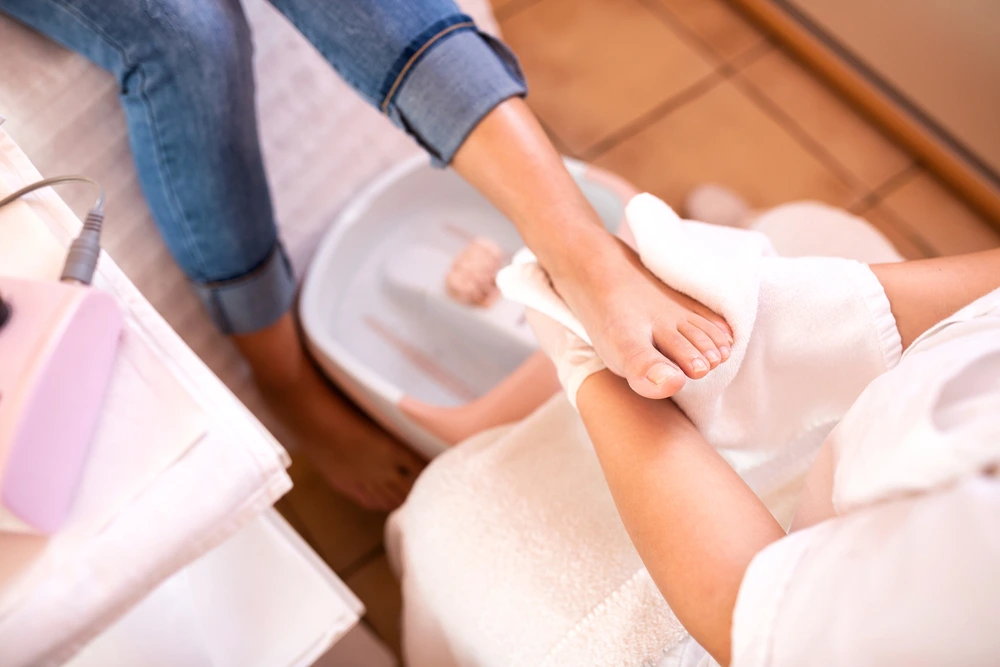
A dry pedicure is a popular beauty treatment focusing on caring for and beautifying feet without water. Unlike traditional pedicures, which involve soaking the feet in warm water, a dry pedicure eliminates the need for washing and instead relies on alternative methods to achieve the desired results.
The feet are first cleansed with a gentle cleanser or antiseptic solution during a dry pedicure. This helps remove dirt, oil, or bacteria from the skin’s surface. The nails are then trimmed and shaped to the desired length and style. Emphasis is placed on maintaining the nails’ natural shape and ensuring they are free from rough edges or irregularities.
Once the nails are taken care of, the next step in a dry pedicure is exfoliation. This involves removing dead skin cells from the feet, particularly from the heels and soles. Exfoliation can be done using various methods, including scrubs, files, or pumice stones. Removing the dead skin cells leaves the feet feeling smoother and softer.
After exfoliation, the feet are moisturized using a rich foot cream or lotion. This helps to hydrate the skin and prevent dryness and cracking. A gentle massage may also be included to promote relaxation and improve circulation.
To complete the dry pedicure, nail polish of choice can be applied. This allows individuals to add a pop of color or enhance the natural appearance of their nails. The polish is carefully applied and allowed to dry before the treatment is complete.
A dry pedicure offers a waterless alternative to traditional pedicures. It focuses on cleansing, nail care, exfoliation, moisturization, and nail polish application. By eliminating the need for soaking, a dry pedicure provides a convenient and efficient way to maintain beautiful and healthy feet.
Benefits of a Dry Pedicure
Dry pedicures have gained popularity in recent years, offering a range of benefits that make them a preferred choice for many individuals. This innovative approach to foot care eliminates the need to soak the feet in water, providing a more efficient and hygienic alternative. Let’s explore some of the key advantages of a dry pedicure.
One of the primary benefits of a dry pedicure is the prevention of water-related infections. Soaking the feet in water for extended periods can increase the risk of fungal and bacterial diseases. Waterless pedicures minimize this risk by eliminating the water element, ensuring healthier and safer foot care.
Another advantage of dry pedicures is that they preserve natural moisture in the skin. Soaking the feet in water can strip away the natural oils and moisture, leaving the skin dry and prone to cracking. Waterless pedicures help maintain the skin’s natural hydration, resulting in softer and smoother feet.
Dry pedicures also offer a time-saving solution. Traditional pedicures involve soaking the feet for a significant amount of time, which can be inconvenient for those with busy schedules. With a dry pedicure, there is no need to wait for the feet to dry, allowing for a quicker and more efficient treatment.
Furthermore, dry pedicures are environmentally friendly. These pedicures conserve this precious resource by eliminating the need for water, making them a sustainable choice. Additionally, the absence of water reduces the amount of waste generated during the pedicure process.
Dry pedicures provide numerous benefits, including the prevention of water-related infections, preservation of natural moisture, time-saving convenience, and environmental sustainability. Individuals can enjoy a hygienic, efficient, eco-friendly foot care experience by opting for a dry pedicure.
How Long Does a Dry Pedicure Take?
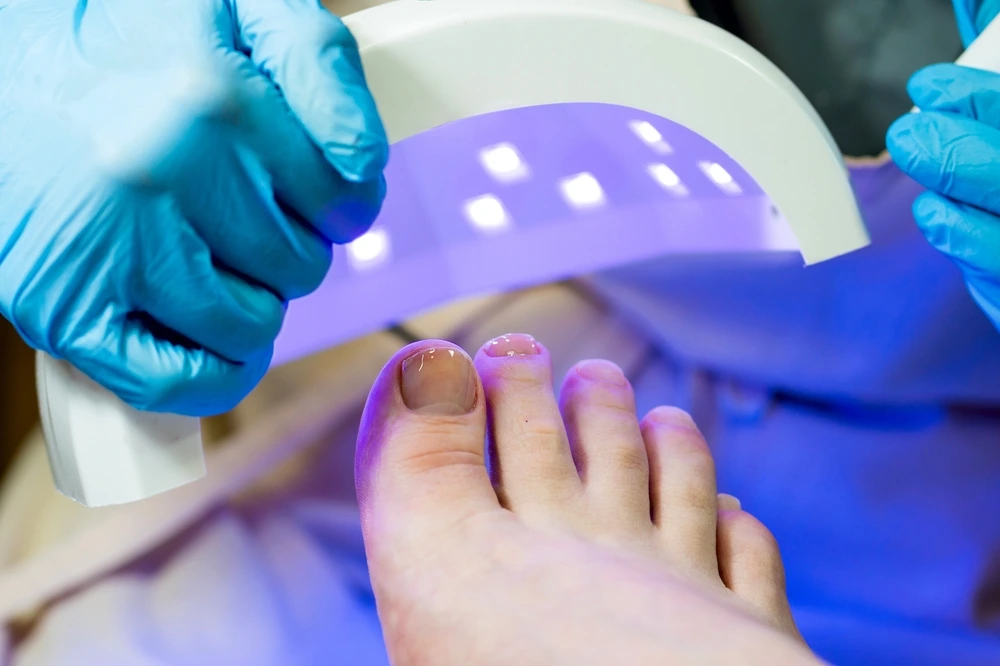
A dry pedicure is a popular alternative to the traditional wet pedicure. It offers a quicker and more convenient experience for those on the go. With no soaking required, it’s no wonder many people opt for this time-saving option. But just how long does a dry pedicure take?
The duration of a dry pedicure can vary depending on several factors. Firstly, it depends on the condition of your feet. The process may take longer if you have calluses or rough patches requiring more attention. On average, a dry pedicure usually takes around 30 to 45 minutes.
One advantage of a dry pedicure is that it eliminates the need to soak your feet, which can take up a significant amount of time during a traditional pedicure. Instead, the focus is on exfoliating, moisturizing, and grooming your feet. This streamlined approach allows for a quicker and more efficient treatment.
During a dry pedicure, your technician will remove any existing nail polish and shape your nails. Next, they will use a foot file or pumice stone to exfoliate your feet, gently removing dead skin and calluses. Moisturizing creams or oils will then be applied to hydrate and soften your skin. Finally, your nails will be polished and finished with a top coat.
By skipping the soaking step, a dry pedicure saves time and helps preserve your skin’s natural moisture. This can be particularly beneficial for those with dry or sensitive skin.
In conclusion, a dry pedicure typically takes around 30 to 45 minutes, depending on the condition of your feet. With its time-saving benefits and focus on exfoliation and moisturization, it’s no wonder that more and more people are choosing this convenient option for their foot care needs.
Can I Wear Nail Polish After a Dry Pedicure?

Dry pedicures have become increasingly popular due to their convenience and time-saving benefits. Unlike traditional pedicures, which involve soaking the feet in water, waterless pedicures are performed without water immersion. This raises the question: can you wear nail polish after a dry pedicure? Let’s explore this topic further.
One of the main advantages of a dry pedicure is that it eliminates the need for drying time. Since your feet aren’t soaked in water, there is no moisture to contend with when applying nail polish. This means you can immediately use your favourite nail polish colour without worrying about smudging or smearing.
Furthermore, dry pedicures often involve a thorough exfoliation of the feet, which removes dead skin cells and leaves the skin smooth and ready for polish application. The absence of water also helps the nail polish adhere better to the nails, resulting in a longer-lasting manicure.
However, it’s important to note that the success of your nail polish application after a dry pedicure depends on the condition of your nails. If your nails are dry or brittle, it’s recommended to use a moisturizing base coat before applying nail polish. This will help protect your nails from further dehydration and prevent them from becoming more susceptible to breakage.
A dry pedicure allows you to wear nail polish immediately after the treatment. The absence of water eliminates the need for drying time and ensures a longer-lasting manicure. Just remember to assess the condition of your nails and use a moisturizing base coat if needed. Enjoy your beautifully polished toes!
Is a Dry Pedicure Suitable for Everyone?

Dry pedicures have recently gained popularity as an alternative to traditional water-based pedicures. But are they suitable for everyone? Let’s explore the benefits and considerations of waterless pedicures to help you decide if it’s the right choice.
One of the main advantages of a dry pedicure is that it eliminates the risk of bacterial and fungal infections that can occur when feet are soaked in water. This makes it an excellent option for individuals with compromised immune systems or those prone to diseases. Also, dry pedicures are often quicker than traditional ones, making them a convenient choice for busy individuals.
Dry pedicures also offer a more environmentally friendly option, as they reduce water consumption. This is particularly important in regions where water scarcity is a concern. Furthermore, the absence of water in the pedicure process means there is no need to wait for nails and skin to dry, allowing you to put on your shoes immediately after the treatment.
However, it’s important to consider that dry pedicures may not suit everyone. Individuals with extremely dry or sensitive skin may find the lack of hydration during the treatment uncomfortable. In such cases, consulting a professional is advisable to determine the best action.
While dry pedicures offer several benefits, they may not suit everyone. Before opting for one, consider your needs, preferences, and specific skin conditions. Consulting with a professional can help you make an informed decision that suits your circumstances.
How Often Should I Get a Dry Pedicure?
A dry pedicure can be a game-changer in maintaining healthy and beautiful feet. This innovative technique offers many benefits, including improved nail health, reduced risk of infections, and long-lasting results. But how often should you schedule a dry pedicure to keep your feet in top shape?
The frequency of dry pedicures largely depends on individual factors such as nail growth rate, lifestyle, and personal preferences. However, a general recommendation is to get a dry pedicure every 4-6 weeks. This timeframe allows for proper nail growth and maintenance without overexposing your feet to excessive treatments.
If you have naturally fast-growing nails or frequently expose your feet to activities that may cause damage, such as running or wearing tight shoes, you may consider more frequent dry pedicures. In these cases, scheduling a dry pedicure every 3-4 weeks can help keep your nails in optimal condition.
On the other hand, if you have slower nail growth or prefer a more relaxed approach to foot care, you can extend the time between dry pedicures to 6-8 weeks. This allows for a longer period of natural nail growth while still benefiting from the exfoliation and moisturization provided by the dry pedicure process.
Ultimately, the key is to listen to your feet and observe any changes in their condition. If you notice signs of dryness, brittleness, or other issues, it may be a sign that you need a dry pedicure sooner than expected. Regularly moisturizing your feet and nails between appointments can also help maintain their health and prolong the effects of the dry pedicure.
The frequency of dry pedicures depends on individual factors, but a general guideline is every 4-6 weeks. However, it’s important to pay attention to your feet’s needs and adjust the schedule accordingly. By incorporating dry pedicures into your foot care routine, you can enjoy healthy, beautiful feet all year round.
What Are the Steps of a Dry Pedicure?

A dry pedicure is a great option for pampering yourself and caring for your feet. It offers a convenient and time-saving alternative to the traditional wet pedicure. So, what are the steps involved in a dry pedicure?
Step 1: Nail Trimming and Shaping
The first step in a dry pedicure is to trim and shape your nails. Carefully cut your nails to the desired length using a high-quality nail clipper. Then, use a nail file to shape them, ensuring smooth edges and a uniform appearance.
Step 2: Cuticle Care
Next, it’s time to care for your cuticles. Apply cuticle oil or cream to soften them, then gently push them back using a cuticle pusher. Be careful not to apply too much pressure to avoid causing discomfort or injury.
Step 3: Exfoliation
Exfoliating your feet is an essential part of a dry pedicure. Use a foot scrub or exfoliating cream to remove dead skin cells and reveal smoother, softer feet. Massage the scrub in circular motions, paying extra attention to rough areas like the heels and balls of your feet.
Step 4: Moisturization
After exfoliating, it’s important to moisturize your feet. Apply a rich foot cream or lotion to hydrate and nourish your skin. Massage it using upward strokes, promoting better circulation and relaxation.
Step 5: Nail Polish Application
Finally, it’s time to add some colour to your nails. Please apply your favourite nail polish shade, starting with a base coat for added protection. Follow with two coats of colour and finish with a top coat to seal in the polish and add shine.
And there you have it – the steps of a dry pedicure! Following these simple steps allows you to enjoy a relaxing and rejuvenating pedicure experience without needing water. So treat yourself to a dry pedicure and give your feet the care they deserve.
Are There Any Risks or Side Effects of a Dry Pedicure?
Dry pedicures have recently become a convenient and time-saving alternative to traditional water-based pedicures. However, many people wonder if there are any risks or side effects associated with this method. This article will explore the potential dangers and side effects of a dry pedicure, providing the information you need to make an informed decision.
One of the main concerns surrounding dry pedicures is the risk of skin dryness. Since water is not used during the process, the skin on your feet may become dry. To mitigate this risk, it is important to moisturize your feet regularly and use hydrating products specifically designed for dry skin.
Another potential side effect of a dry pedicure is the risk of nail damage. Trimming and shaping your nails properly may be more difficult without soaking your feet in water. This could lead to uneven or jagged nails, which can be uncomfortable and unsightly. To avoid this, visiting a skilled and experienced nail technician proficiently performing dry pedicures is crucial.
Additionally, some individuals may experience discomfort or pain during a dry pedicure. This can be attributed to the lack of water, which typically helps to soften the skin and make the process more comfortable. If you have sensitive feet or are prone to pain, discussing your concerns with the nail technician beforehand is advisable.
While dry pedicures offer convenience and time-saving benefits, some potential risks and side effects exist. Skin dryness, nail damage, and discomfort are among the concerns associated with this method. By taking proper precautions and seeking professional assistance, you can minimize these risks and enjoy a safe and dry pedicure experience.
Conclusion
A dry pedicure is a popular alternative to the traditional wet pedicure that offers numerous benefits. Throughout this post, we have discussed various topics related to the keyword “dry pedicure” and provided valuable insights into its importance.
Firstly, we explored what a dry pedicure entails. Unlike a wet pedicure, this method does not involve soaking the feet in water. Instead, it uses specialized tools and products to achieve the desired results.
Next, we delved into the benefits of a dry pedicure. Not only does it save time, but it also reduces the risk of infections and promotes healthier nails and skin. Additionally, it is a more eco-friendly option as it conserves water.
We also addressed common concerns, such as the duration of a dry pedicure and whether one can wear nail polish afterward. The process typically takes around 30-45 minutes, making it a convenient choice for those with a busy schedule. Moreover, you can apply nail polish after a dry pedicure, ensuring your toes look fabulous.
Furthermore, we discussed who can benefit from a dry pedicure. This method suits most individuals with sensitive skin or medical conditions that water may aggravate.
We recommend getting a dry pedicure every 4-6 weeks to maintain optimal foot health. This routine ensures that your feet remain in top condition and minimizes the risk of any potential issues.
We also outlined the step-by-step process of a dry pedicure, highlighting the importance of proper nail trimming, cuticle care, exfoliation, and moisturization.
Lastly, we addressed any potential risks or side effects of a dry pedicure. While generally safe, it is essential that the salon follow proper hygiene practices and use sterilized tools to prevent infections.
Looking ahead, the future of dry pedicures seems promising. We anticipate advancements in products and techniques that will further enhance the overall experience and results.

