
Nails are an integral part of our bodies, serving functional and aesthetic purposes. They protect the sensitive tips of our fingers and toes, adding beauty to our overall appearance. But have you ever wondered about the intricate structure that lies beneath the surface of our nails? This article will delve into the fascinating world of the parts, uncovering the secrets that lie within.
At first glance, nails may seem simple, but they are complex structures with various components. The nail plate, also known as the nail body, is visible and extends beyond the nail bed. It comprises keratin, a tough protein that gives nails strength and durability. Beneath the nail plate lies the nail bed, a layer of tissue that provides nourishment and support to the growing nail.
But that’s not all – several other parts play crucial roles in the overall structure of the nail. The cuticle, for instance, acts as a protective barrier, sealing the space between the nail plate and the surrounding skin. The lunula, often called the “half-moon,” is a whitish crescent-shaped area at the base of the nail. While its exact function is still debatable, it is believed to play a role in nail growth.
What Are the Parts of the Nail?

The human nail is a fascinating and often overlooked part of our body. While we may usually focus on its appearance and grooming, understanding the different parts of the nail can provide valuable insights into its structure and function.
The nail plate is the visible part of the nail that covers the nail bed. It comprises layers of a tough protein called keratin, giving the nail strength and durability. The lunula, or the “moon,” is the white, crescent-shaped area at the base. The nail matrix’s visible portion is where new cells are produced.
Beneath the nail plate lies, which is rich in blood vessels and nerve endings. It provides nourishment and support to the growing nail. The cuticle, or eponychium, is a thin layer of skin that protects the nail matrix from infection and damage.
The nail folds, which are folds of skin at the edges of the nail plate, help anchor the nail in place. The nail matrix, located beneath the cuticle, is responsible for the growth and development of the nail. It produces new cells that push the older cells forward, resulting in nail growth.
Understanding the different parts of the nail can help us take better care of our nails and maintain their health. Regular trimming, moisturizing, and avoiding harsh chemicals can contribute to strong and beautiful nails. So, the next time you admire your nails, remember the intricate structure beneath their surface.
What Is the Nail Plate?
The nail plate is a crucial part of the nail structure. It is the hard, protective covering that forms the visible part of the nail. Composed mainly of keratin, the nail plate is responsible for the nail’s strength and durability.
Located above the nail bed, the nail plate extends from the base of the nail, known as the matrix, to the free edge. It is firmly attached to the nail bed, which nourishes and supports the growing nail. The nail plate’s smooth surface gives nails their glossy appearance.
The thickness and shape of the nail plate can vary from person to person. Genetics, age, and overall health can influence the thickness and texture of the nail plate. Generally, the nail plate is thickest at the center and thinner towards the sides.
The nail plate grows continuously, fueled by the matrix beneath it. As new cells are produced, they push the older cells forward, causing the nail plate to extend beyond the nail bed. This growth process is what allows us to have long nails.

Maintaining the health of the nail plate is essential for overall nail health. Regular nail care, including keeping the nails clean and moisturized, can help prevent damage to the nail plate. Avoiding excessive exposure to water and harsh chemicals can also help maintain the integrity of the nail plate.
What Is the Nail Bed?
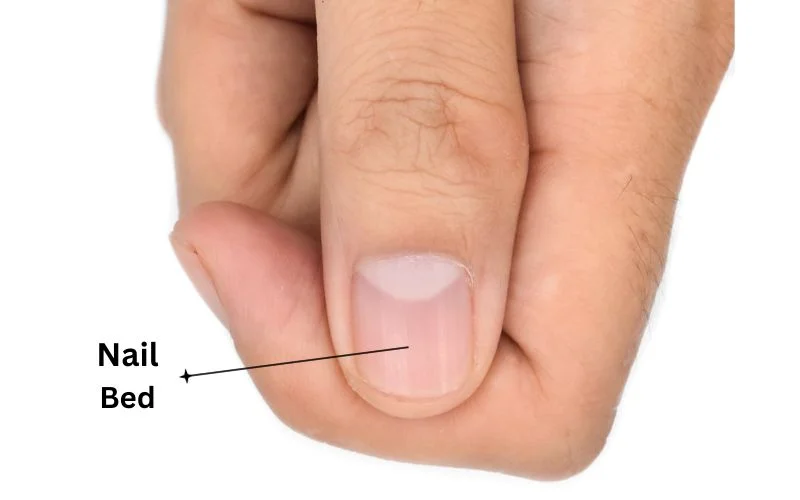
The nail bed is a crucial part of the nail structure that plays a vital role in its health and appearance. Located beneath the nail plate, it is a tissue layer extending from the proximal nail fold to the distal edge of the nail.
One of the primary functions of the nail bed is to support and nourish the nail plate. It is rich in blood vessels and capillaries, which supply oxygen and nutrients to the nail’s growing cells. This blood flow is essential for the growth and maintenance of healthy nails.
It is also responsible for producing the nail matrix, the source of new nail cells. The matrix is located at the base of the nail bed and is responsible for the growth and regeneration of the nail plate. It consists of specialized cells that continuously divide and push the older cells forward, resulting in the elongation of the nail.
Another important component of the nail bed is the cuticle. The cuticle is a thin layer of skin that covers the base, protecting it from infections and damage. It acts as a barrier, preventing bacteria and fungi from entering the nail bed and causing infections.
In addition to its functional role, the nail bed also contributes to the nail’s aesthetic appearance. The color of the nail bed can vary depending on various factors, including blood flow, skin pigmentation, and underlying health conditions. Changes in the nail bed’s color or texture can indicate certain health issues and should be monitored closely.
Understanding the importance of the nail bed is crucial for maintaining healthy and beautiful nails. Proper nail care, including regular moisturization, trimming, and avoiding harsh chemicals, can help keep the nail bed and the entire nail structure in optimal condition.
What Is the Cuticle?
The cuticle is an essential part of the nail that plays a crucial role in its health and protection. It is a thin, transparent layer of skin that covers the base of the nail plate, forming a seal between the nail bed and the nail plate itself.
One of the primary functions of the nail cuticle is to act as a barrier, preventing bacteria, fungi, and other harmful substances from entering the nail bed. By creating this protective seal, the cuticle helps maintain the overall health of the nail and prevents infections.
Additionally, the cuticle also helps to keep the nail plate moisturized. It protects against moisture loss, ensuring the nail remains hydrated and flexible. This is important for preventing the nail from becoming dry, brittle, and prone to breakage.
In terms of appearance, the cuticle is often described as a thin strip of skin that overlaps the base of the nail. It may appear slightly translucent and can vary in size and shape from person to person. Some individuals may have larger or more prominent cuticles, while others may have smaller, less noticeable ones.
While the cuticle is an important part of nail health, it is essential to care for it properly. Avoiding excessive cutting or trimming of the cuticle is crucial, as this can lead to inflammation and potential infections. Instead, gently pushing back the cuticle using a cuticle pusher or orange stick can help maintain its health and appearance.
What Is the Lunula?
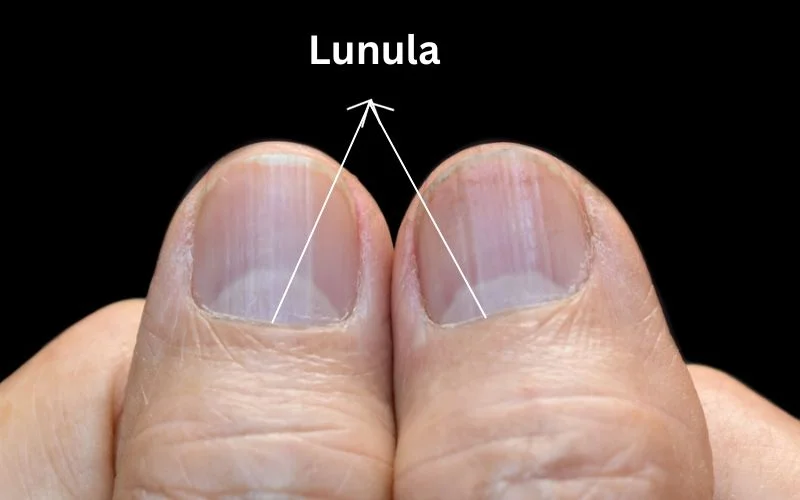
The lunula is a small, crescent-shaped area located at the base of the nail. It is the visible part of the nail matrix, which is responsible for producing new nail cells. The lunula is usually whitish and can be seen on the fingernails and toenails.
The lunula plays a vital role in nail health and growth. It is the most active part of the nail matrix and contains a high concentration of cells actively dividing and producing new nail tissue. As the new cells are formed, they push the older cells forward.
Although the lunula is often called the “half-moon,” it is not always visible on every nail. In some individuals, the lunula may be completely absent, while in others, it may be more prominent. The size and visibility of the lunula can vary from person to person and change over time.
The lunula is an important indicator of overall nail health. Changes in the lunula’s appearance, such as discoloration or a decrease in size, can indicate an underlying health condition or nutritional deficiency. Pay attention to any changes in the lunula and consult a healthcare professional if necessary. The lunula is a significant part of the nail that is crucial to nail growth and health.
What Is the Nail Matrix?
The nail matrix is a crucial part of the nail anatomy that plays a vital role in nail growth and health. Located at the base of the nail, just beneath the cuticle, it is often called the “nail root.” The matrix is responsible for producing the cells that form the nail plate, the hard, protective covering of the nail.
It consists of specialized cells called keratinocytes, which undergo a process known as keratinization. These cells divide and multiply, gradually pushing the older cells forward, where they harden and form the nail plate. As new cells are continuously produced, the nail plate grows and extends beyond the fingertips.
The health of the nail matrix is essential for maintaining strong and healthy nails. It is highly vascular, meaning it receives a rich blood supply, which provides the necessary nutrients and oxygen for cell growth and repair. Any damage or trauma to the matrix can result in irregular nail growth or deformities.
Certain factors can affect the nail matrix’s health and function. Nutritional deficiencies, hormonal imbalances, and underlying medical conditions can all impact nail growth. Additionally, excessive use of harsh chemicals, such as nail polish removers or acrylic nails, can weaken the matrix and lead to brittle nails.
What Are the Nail Folds?
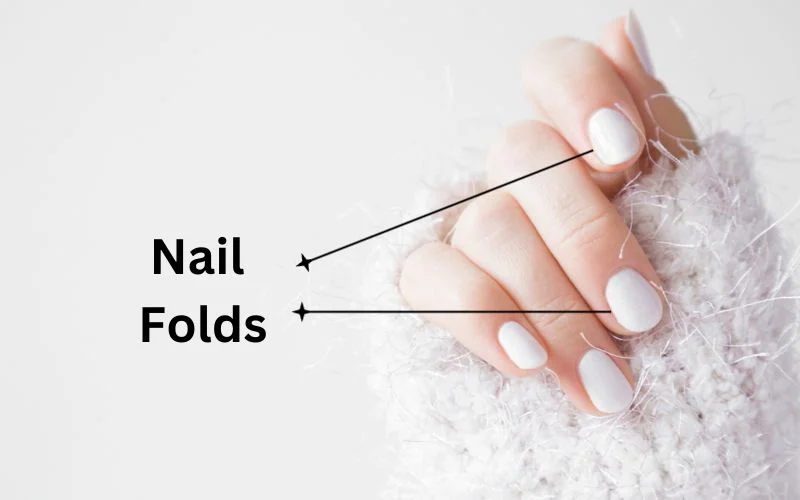
The nail folds, also known as the cuticle, are essential to the nail structure. They are located at the base of the nail plate and are crucial in protecting the nail bed from infections and damage.
The nail folds consist of thin skin layers surrounding the nail plate on three sides. They provide a seal that prevents bacteria, dirt, and other foreign substances from entering the nail bed. This protective barrier is vital for maintaining the health and integrity of the nail.
In addition to their protective function, the nail folds also contribute to the growth and appearance of the nail. They produce a small amount of oil that helps keep the nail and surrounding skin moisturized. This oil, known as the cuticle oil, gives the nail a healthy shine and prevents it from becoming brittle or dry.
Maintaining the health of the nail folds is essential for overall nail health. Regular moisturizing and gentle pushing back of the cuticles can help prevent dryness and cracking. However, it is important to avoid cutting or trimming the nail folds excessively, as this can lead to infection and damage.
The nail folds are an integral part of the nail structure. They provide protection, contribute to nail growth, and enhance the overall appearance of the nail. Proper moisturization and gentle maintenance are crucial for maintaining healthy and beautiful nails.
What Is the Nail Root?
The nail root, or matrix, is essential to the nail structure. It is located at the base of the nail and plays a crucial role in nail growth and appearance.
The nail root is responsible for producing new nail cells, which then push forward and harden to form the visible part of the nail. It contains specialized cells called keratinocytes that produce a protein called keratin, the main component of nails. These keratinocytes divide and multiply, pushing older cells toward the nail’s surface.
The nail root is protected by the cuticle, a thin layer of skin covering the nail’s base. The cuticle is a barrier, preventing bacteria and other harmful substances from entering the nail bed. It also helps to keep the nail moisturized and flexible.
The health of the nail root is essential for maintaining strong and healthy nails. Poor nutrition, hormonal imbalances, and certain medical conditions can affect the nail root, leading to brittle or weak nails. Nourishing the nail root with a balanced diet, rich in vitamins and minerals, is important to promote healthy nail growth.
Regular nail care is also crucial for maintaining the health of the nail root. Trimming the nails properly, avoiding harsh chemicals, and moisturizing the cuticles can help prevent damage to the nail root and promote strong, beautiful nails.
The nail root is vital to the nail structure, producing new nail cells and promoting healthy nail growth. Proper nutrition and regular nail care can help maintain strong and beautiful nails.
Conclusion
Understanding the parts of the nail is crucial for maintaining healthy and beautiful nails. Throughout this post, we have explored various aspects related to the keyword “parts of the nail” and discussed key points such as the nail plate, nail bed, cuticle, lunula, nail matrix, nail folds, and nail root.
As we have learned, the nail plate is the hard and protective layer that covers the nail bed. It plays a significant role in nail strength and growth. On the other hand, the nail bed is the underlying skin beneath the nail plate and is responsible for nourishing the nails.
We also discussed the cuticle, which acts as a barrier against bacteria and protects the nail from infection. The lunula, commonly known as the “half-moon,” is a visible part of the nail matrix and can provide insights into overall nail health.
The nail matrix is where new nail cells are produced, contributing to nail growth. Understanding the nail folds is essential, as they help in protecting the nail from damage and infection.

