
Explore the world of nail primers for lasting and flawless manicures. From their importance to application tips, discover the keys to salon-worthy nails.
Key Takeaways
- Nail primer ensures better adhesion and prolongs manicure life.
- It protects nails, preventing damage from polish or gel chemicals.
- Learn application techniques for a smooth, professional finish.
- Discover different types of primers and their unique benefits.
- Eco-friendly and non-toxic primer trends may shape the future.
Nail primer is crucial in achieving a durable and flawless manicure or pedicure. It acts as a bond between your natural nail and the polish or gel, providing better adhesion and prolonging the life of your manicure. By preventing chipping and peeling, the primer ensures your manicure lasts longer, saving time on touch-ups. Moreover, it acts as a protective barrier, protecting your natural nails from potential damage caused by nail polish or gel chemicals. This is particularly beneficial for individuals with weak or brittle nails. Besides its practical benefits, nail primer enhances the overall appearance of your manicure by smoothing out imperfections on the nail surface, creating a polished and professional look with an even and streak-free finish.
Understanding the importance of nail primer allows you to elevate your nail care routine. In upcoming articles, we will delve into various types of nail primers, application techniques, and tips for selecting the most suitable one for your needs.
What Is Nail Primer?
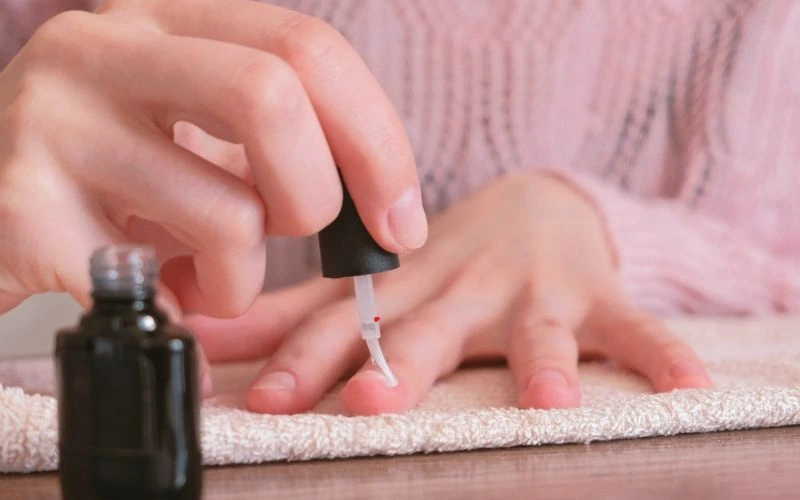
Nail primer is a crucial component in nail care and manicures. It is used before applying nail polish or artificial nails to ensure better adhesion and longer-lasting results. Nail primer is typically applied to the natural nail bed to create a smooth and even surface for the nail polish or artificial nails to adhere to.
Purpose of Nail Primer in Manicures
The primary purpose of nail primer is to remove oils, moisture, or impurities from the nail’s surface. This helps the nail polish or artificial nails to adhere better and last longer without chipping or peeling. Nail primer also helps to prevent staining of the natural nail by creating a barrier between the nail and the colored polish.
Types of Nail Primers
Different nail primers are available in the market, including acid-based and acid-free primers. Acid-based primers are more commonly used and are effective in creating a strong bond between the natural nail and the nail polish or artificial nails. Acid-free primers are gentler on the nails and are suitable for those with sensitive nails or allergies.
Application of Nail Primer
To apply nail primer, start by properly preparing the nails by removing any old nail polish and filing them to the desired shape. Then, apply a thin layer of primer to the entire nail bed, covering the entire surface. Allow the primer to dry completely before proceeding with the application of nail polish or artificial nails.
Nail primer is an essential product for achieving long-lasting and professional-looking nails. It helps create a smooth surface for the nail polish or artificial nails to adhere to, ensuring better adhesion and longevity. Using nail primer, you can enhance the durability and appearance of your manicure, giving you beautiful nails that last.
How Does Nail Primer Work?
Nail primer is essential in the nail care routine, especially before applying nail polish or artificial enhancements. It plays a critical role in ensuring better adhesion and prolonging the longevity of your manicure. The key to its effectiveness lies in its composition and the process it initiates during nail preparation.
- Dehydration of the Nail Plate: Nail primer often contains methacrylic acid, which dehydrates the nail plate, eliminating moisture and oils from the nail’s surface. This creates a dry and clean canvas for the subsequent application of polish or enhancements.
- Etching the Nail Plate: The acid in the nail primer also serves to etch the nail plate, creating tiny grooves and roughening the surface. This textured finish provides an optimal grip for the polish or enhancements, enhancing overall adhesion.
- Foundation for Strong Adhesion: Acting as a foundation, the primer establishes a robust base for the layers of polish or enhancements. It forms a secure bond between the natural nail and the applied product, promoting a durable and lasting result.
- Prevention of Lifting and Chipping: Beyond improving adhesion, nail primer is crucial in preventing lifting and chipping. Dehydrating the nail surface and creating a strong bond significantly reduces the risk of premature peeling, which is especially beneficial for those with weak or brittle nails.
It is important to use nail primer sparingly, applying it only to the natural nail and following the manufacturer’s instructions to avoid potential irritation or damage. Understanding the workings of nail primer empowers you to achieve longer-lasting and more resilient nail enhancements.
Why Use Nail Primer?
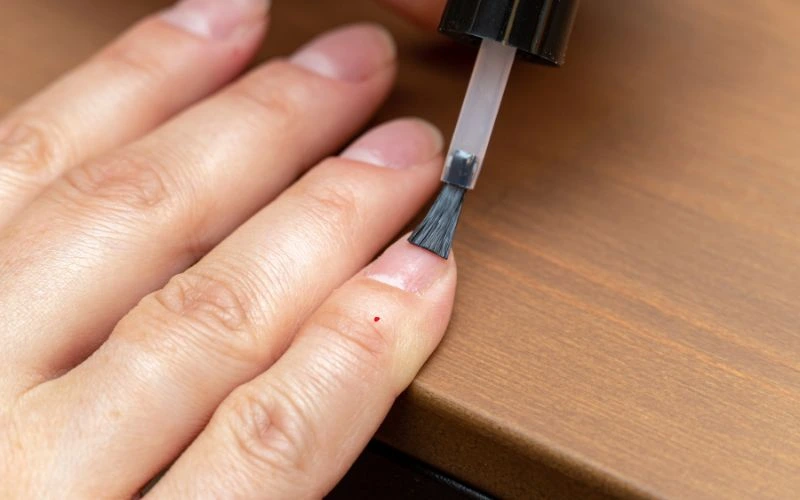
Nail primer is a crucial step in the quest for a flawless and enduring manicure. It’s a fundamental prepping agent that significantly contributes to your nail polish application’s longevity and overall quality. Whether you’re a professional nail technician or an at-home enthusiast, understanding the various reasons to incorporate a nail primer into your routine is key to achieving salon-worthy results.
Improving Adhesion for Longevity:
One of the primary reasons to use nail primer is its ability to enhance the bond between your natural nails and the applied polish. By creating a smooth surface on the nail bed, the primer ensures more effective adhesion, reducing the risk of premature lifting or peeling and extending the life of your manicure.
Preventing Staining and Maintaining Clean Nails:
Nail primer is a barrier against staining, particularly from darker nail polish shades. Applying a primer beforehand protects the nail plate from pigment seepage, ensuring your nails remain clean and free from discoloration.
Strengthening and Promoting Nail Health:
Beyond its cosmetic benefits, nail primer contains ingredients that promote nail growth and prevent breakage. Regular use of a primer contributes to the overall health and strength of your nails, reducing their susceptibility to splitting and cracking.
Correcting Imperfections for a Professional Finish:
Nail primer can be a valuable tool for addressing nail imperfections. It fills in ridges and smoothens uneven surfaces, providing a perfect canvas for your nail polish application. This corrective action results in a smoother and more professional-looking manicure.
Incorporating nail primer into your nail care routine is essential to achieving enduring, beautiful nails with improved adhesion, protection against staining, strengthened nail health, and a polished, professional finish.
Can Nail Primer Damage Nails?
Nail primer is a commonly used product in nail care and manicures. It is often used as a base coat before applying nail polish to ensure it adheres properly and lasts longer. However, some debate has been about whether nail primer can damage the nails.
Nail Primer Ingredients and Nail Health
One of the main concerns is that nail primer contains harsh chemicals that can harm the nails. Some primers contain ingredients such as methacrylic acid, which can cause the nails to become weak and brittle over time. Additionally, the application process can be rough on the nails, as it often involves buffing the surface to create a rough texture for better adhesion.
Application Process and Nail Sensitivity
While nail primer can be damaging if used incorrectly or excessively, it is unlikely to cause significant harm to the nails when used properly and in moderation. It is important to follow the instructions provided by the manufacturer and avoid overusing the product. Additionally, it is recommended to give the nails a break from nail primer every once in a while to allow them to recover and breathe.
Preventing Damage through Proper Use and Care
Properly caring for your nails is also important to minimize the potential damage. This includes keeping them moisturized, avoiding excessive filing or buffing, and using a gentle nail polish remover. Regularly nourishing the nails with cuticle oil or a strengthening treatment can help maintain their health.
While nail primer can potentially damage the nails if used incorrectly or excessively, it is unlikely to cause significant harm when used properly and in moderation. By following the instructions, taking breaks from nail primer, and practicing good nail care habits, you can enjoy the benefits of using nail primer without compromising the health of your nails.
How to Apply Nail Primer?
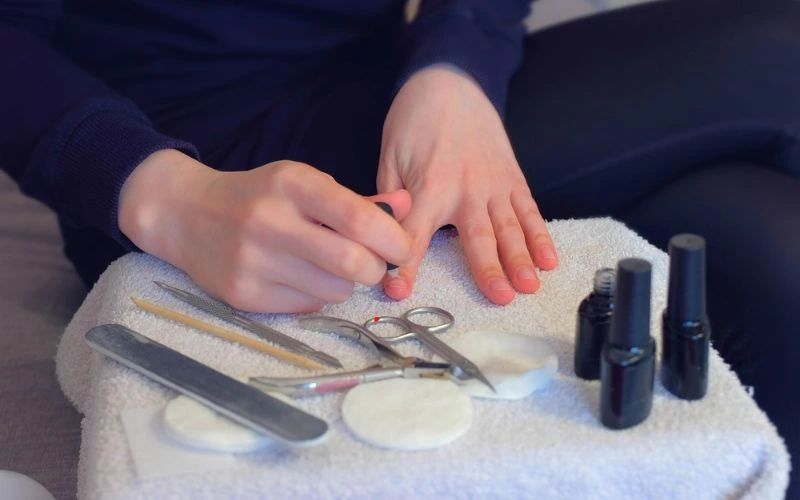
Nail primer is a key element in ensuring a lasting and impeccable manicure. Proper application of this essential step creates a smooth surface for nail polish adhesion and helps prevent chipping and peeling. Here’s a quick guide to applying nail primer effectively:
- Nail Preparation: Begin by preparing your nails – remove old polish, shape them as desired, and push back cuticles for a clean canvas.
- Cleaning the Nails: Clean your nails using a nail polish remover or rubbing alcohol to eliminate oils and residues, allowing better primer adhesion.
- Applying the Nail Primer: Shake the primer bottle well to mix its ingredients. Apply a thin primer layer to each nail, starting from the base and moving towards the tip. Avoid excess application to prevent bubbling or peeling.
- Drying Time: Allow the primer to dry completely before proceeding to the next step. Patience is crucial for optimal results, typically taking a few minutes.
- Applying Nail Polish: Once the primer is dry, apply your nail polish, ensuring a flawless and professional finish.
- Sealing with a Top Coat: Complete your manicure by sealing it with a top coat. This not only adds a finishing touch but also protects your nails, enhancing the longevity of your manicure.
You can enjoy a beautiful and enduring manicure by incorporating these steps into your nail care routine and applying the nail primer correctly.
Is Nail Primer Necessary for Nail Polish?
Nail primer is a commonly used product in applying nail polish, aiming to enhance adhesion and extend polish longevity. Its necessity varies among individuals, as some experience improved wear and reduced chipping with its use, while others may not observe a significant difference.
The effectiveness of nail primer lies in its ability to create a smooth nail surface, promoting better adhesion and removing excess oils that can interfere with polish application. Particularly beneficial for those with naturally moist or oily nails, nail primer also aids in preventing staining, a concern with certain pigmented nail polishes. While it’s not a guaranteed solution for everlasting polish, nail primer serves as a tool to enhance wear, making its inclusion in a nail care routine a matter of personal preference and experimentation. Whether to use a nail primer depends on individual preferences, with some finding it valuable for extending polish life. In contrast, others may skip this step if satisfied with their current nail care routine.
Can Nail Primer Help Nail Polish Last Longer?

Nail primer is a crucial step in achieving long-lasting and flawless nail polish. It is a product that prepares the nail bed for polish application by creating a smooth and even surface. Using nail primer can help your nail polish adhere better and last longer.
Remove Oils and Moisture
One of the main benefits of using nail primer is that it helps remove any oils or moisture from the nail bed. This is important because oils and moisture can prevent the nail polish from adhering properly, leading to chipping and peeling. Nail primer creates a barrier between the nail and the polish, ensuring the polish stays in place for longer.
Prevent Staining
Another advantage of using nail primer is that it can help to prevent staining. Some nail polishes, especially dark or vibrant colors, tend to stain the nails. Applying a layer of primer before the polish can create a barrier that prevents the color from seeping into the nail bed.
Strengthen Nails
Additionally, nail primer can also help to strengthen the nails. Many primers contain ingredients that nourish and protect the nails, promoting healthier and stronger nails. This can be especially beneficial for individuals with weak or brittle nails.
Nail primer is vital in ensuring that your nail polish lasts longer. By creating a smooth surface, removing oils and moisture, preventing staining, and strengthening the nails, nail primer helps enhance your manicure’s durability and longevity. So, if you want your nail polish to stay flawless for as long as possible, don’t skip applying nail primer.
Are There Different Types of Nail Primers?
Nail primers are an essential component of any manicure or pedicure routine. They help to prepare the nail bed for polish application, ensuring a smooth and long-lasting finish. But did you know that different nail primers are available on the market? This article will explore the various types of nail primers and their unique benefits.
Acid-Based Primer
One common type of nail primer is the acid-based primer. This primer contains acid, usually methacrylic acid, which helps dehydrate the nail plate and create a strong bond between the natural nail and the polish. Acid-based primers are particularly effective for clients with oily nail beds or those who struggle with polish lifting or chipping.
Non-Acid Based Primer
Another type of nail primer is the non-acid primer. As the name suggests, this primer contains no acid and is gentler on the nails. Non-acid primers create a slightly rough surface on the nail plate, allowing the polish to adhere better. They are a great option for clients with sensitive nails or who prefer a milder approach.
Specialized Nail Primers
In addition to these two main types, specialized nail primers are available for specific nail concerns. For example, primers are designed specifically for acrylic nails, natural nails, and gel nails. These primers are formulated to address the unique needs of each nail type, ensuring optimal adhesion and longevity of the polish.
Different types of nail primers are available, each with its own set of benefits. Whether you prefer an acid-based primer for maximum durability or a non-acid primer for a gentler approach, there is a primer out there to suit your needs. So, next time you visit the nail salon or do your nails at home, consider the type of primer that will work best for you and enjoy a flawless and long-lasting manicure or pedicure.
Conclusion
In summary, this post has extensively covered the concept of nail primer, elucidating its definition, purpose, functionality, and significance in nail care. The discussion highlighted its role in creating a polished and enduring manicure by facilitating better adhesion, preventing chipping, and establishing a smooth surface for nail polish application.
While recognizing the benefits of nail primer, it emphasized the importance of cautious usage to prevent potential damage. A step-by-step guide to applying nail primer was provided, underscoring its simplicity and effectiveness in achieving optimal results. Looking ahead, the post hinted at potential advancements in nail primer formulas, anticipating a rise in eco-friendly and non-toxic options as consumers prioritize conscious choices in the evolving landscape of the nail industry. In conclusion, a clear understanding of nail primer’s function and application is presented, offering readers insights to elevate their nail care routines for enduring and polished results. The post appreciates readers’ engagement and encourages feedback for continuous improvement.