

You’ve just injured a nail and probably wonder what comes next in the healing process. It’s important to understand that nail growth after an injury involves several stages, each with its challenges. Right after the injury, you’ll notice pain and possibly some bleeding. As the weeks go by, the nail may grow back with changes in texture or color. Monitoring these changes can help you catch any signs of complications early. But how do you guarantee the nail heals properly and regains its original appearance? Let’s explore the steps you need to take.
Key Takeaways
- Nail regrowth after an injury can take several months to complete.
- Initial nail growth may appear uneven or discolored compared to the original nail.
- Nail bed damage can influence the speed and quality of nail regrowth.
- Proper wound care and infection prevention are crucial for healthy nail regrowth.
- Professional assessment ensures proper healing and minimizes long-term nail deformities.
Understanding Nail Injuries
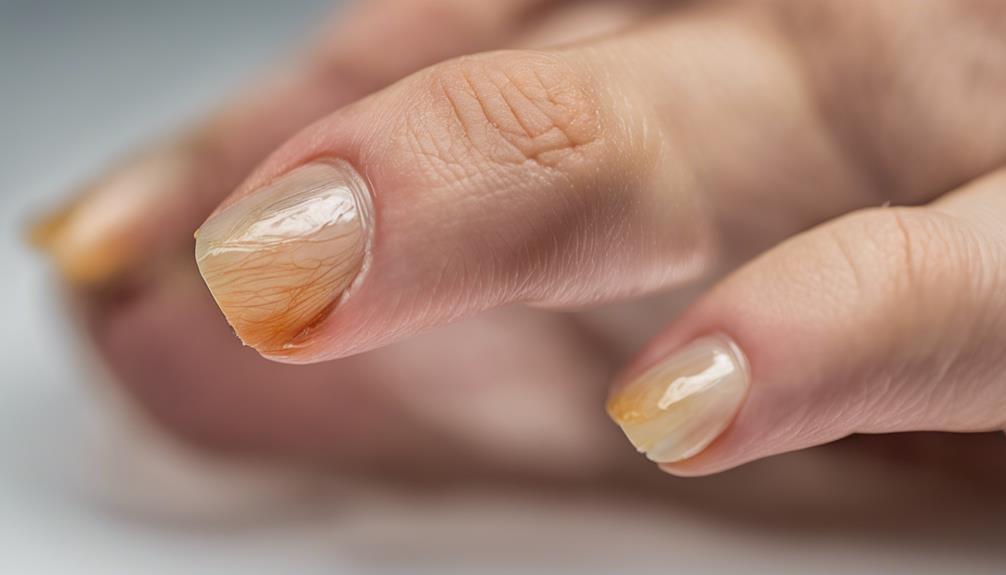
Nail injuries are more common than you might think and usually happen because of trauma like crushing, cutting, or avulsion. Such incidents can lead to significant nail damage, resulting in pain and bleeding. It’s important to understand that the nail bed can also be affected when dealing with nail injuries.
A nail bed injury mightn’t only cause immediate discomfort but can also complicate the healing process, affecting nail regrowth.
After suffering a nail injury, you’ll want to pay close attention to how your nail heals. Nail regrowth can take months, and the new nail may look different depending on the severity of the injury. It’s crucial to monitor any changes and complications.
Signs of infection, such as increased pain, swelling, or pus drainage, shouldn’t be ignored, as they may require medical attention.
Monitoring complications is vital to ensure proper healing and prevent permanent nail damage. By staying vigilant, you can catch potential issues early and seek help. Understanding nail injuries and their aftermath prepares you for recovery and nail regrowth.
Immediate Self-Care Steps
Clean the area with mild soap and water to prevent infection when you injure your nail.
Apply a clean bandage to protect the wound from further harm, and avoid putting pressure on the injured nail to manage pain effectively.
If you notice signs of infection or if the injury is severe, don’t hesitate to seek medical attention.
Clean and Protect Wound
Injury to a nail can be painful and worrying, but taking immediate self-care steps helps secure proper healing. First, you’ll want to clean the wound with mild soap and water. This essential step helps prevent infection and removes any debris that might’ve entered the wound.
After thoroughly cleaning, gently pat the area dry with a clean towel. Now, apply an antiseptic ointment. This not only promotes healing but also reduces the risk of complications. The antiseptic ointment is a barrier against bacteria, further aiding in protecting the wound.
Next, cover the wound with a sterile bandage. This shields it from further damage and keeps dirt out. Make sure the bandage is snug but not too tight, as you don’t want to put pressure on the injured nail. By keeping pressure off the area, you can avoid any additional trauma. Resting the nail gives it the best chance to heal without interference.
Lastly, monitor the wound for signs of infection. Look for increasing redness, swelling, or discharge. If you notice any of these symptoms, seek medical attention to ensure proper care.
Manage Pain Effectively
After a nail injury, managing the pain promptly is important to aid recovery. Start by applying ice to the affected area. This can reduce swelling and numb the throbbing pain often accompanying nail injuries. Elevate your hand or foot to minimize discomfort further and decrease swelling.
For effective pain management, consider using over-the-counter pain relievers like ibuprofen or acetaminophen. These can help alleviate pain and reduce inflammation. However, it’s essential to follow the package’s dosage instructions to ensure you’re using these medications safely. If you have any medical conditions, consult your healthcare provider before taking any pain medications. They can provide guidance tailored to your specific health needs.
If the pain from your nail injury becomes severe, persistent, or accompanied by other concerning symptoms, don’t hesitate to seek medical help. A healthcare professional can assess your condition and suggest more advanced pain management options. Remember, prompt and effective pain management helps you feel better and supports healing, allowing your nails to recover and grow back more efficiently.
Professional Treatment Options
Experiencing a nail injury can be distressing, but understanding professional treatment options helps manage the situation effectively. When you visit a healthcare provider, they may recommend procedures like nail removal to address severe damage. This step is often necessary when the nail itself is compromised and needs to be taken out to prevent further complications.
Following removal, wound cleaning is essential. It ensures that no debris or bacteria remain, reducing the risk of infection.
If the nail bed is injured, professional care might involve nail bed repair. This could include suturing or more complex nail bed reconstruction to promote proper healing. Such interventions are crucial, as they help prevent complications like deformities or abnormal nail growth.
Prompt medical attention for important injuries is necessary for minimizing long-term damage and ensuring your nail grows back correctly.
In cases of severe trauma, specialized procedures like nail bed repair and laceration closure might be necessary. These treatments restore the nail bed’s integrity and function, paving the way for normal nail growth. Trusting a healthcare provider with your treatment can greatly enhance your recovery and nail health.
Managing Pain Effectively
Managing pain after a nail injury is crucial for comfort and recovery. You might experience throbbing pain, which can be quite uncomfortable. Start by applying ice and elevation to the injured area. This simple step helps reduce swelling and numbs the pain, providing immediate relief.
Pain relievers can also aid in pain management, whether prescription or over-the-counter. Always follow the correct dosage guidelines to guarantee safety and effectiveness.
Remember that your medical history plays a significant role in choosing the appropriate pain relievers. Be cautious and choose medications wisely to avoid potential complications. Consulting a healthcare provider for guidance on pain management strategies is highly recommended. They can offer personalized advice and ensure that your pain relief methods are suitable for your specific situation.
To make the process easier, consider these tips:
- Use ice and elevation to lessen swelling and numb pain.
- Choose the suitable pain relievers based on your medical history.
- Always adhere to the correct dosage guidelines for medications.
- Be careful with pain medications to avoid complications.
- Consult your healthcare provider for tailored pain management advice.
Nail Regrowth Timeline
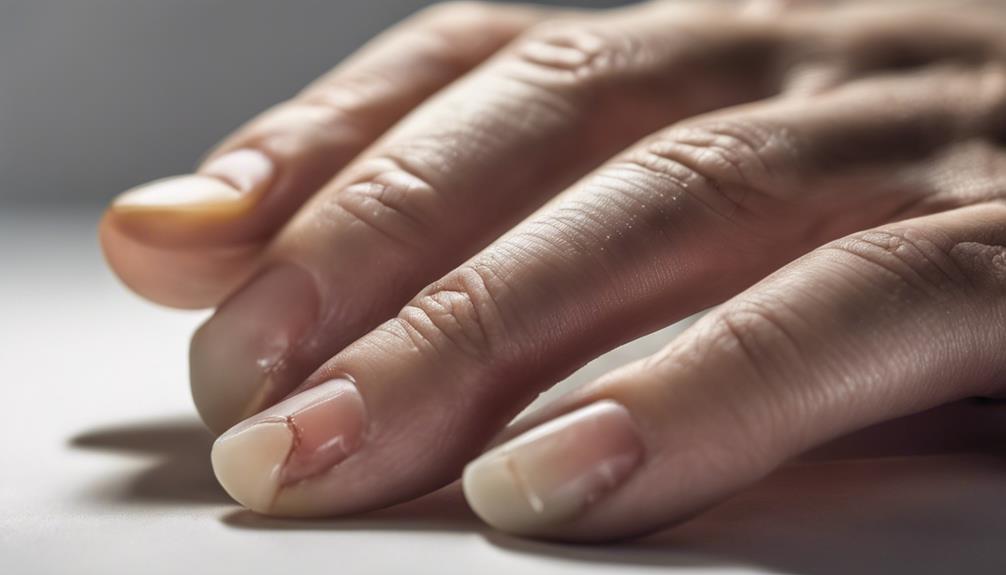
Pain management is just one part of the recovery process after a nail injury. Understanding the nail regrowth timeline can help set realistic expectations during healing. When you experience fingernail injuries, you might notice that your nail grows back fully in about two months. However, this period can vary depending on the severity of the injury and how well you care for your nails during recovery.
Toenails grow at a slower pace than fingernails, taking about four months to completely regrow after damage. It’s vital to be patient and give your body the time it needs for proper healing. Factors like broken bones accompanying the nail injury can affect the overall nail regrowth timeline, potentially extending the process.
In individual circumstances, new nail growth can take 3 to 12 months. During this time, you may observe permanent changes in the appearance of your latest nail. Monitoring these changes is crucial, as they’re a natural part of the regrowth process.
With time and proper care, your nails will eventually regain strength and functionality, allowing you to return to regular activities.
Signs for Medical Attention
If you notice increased redness, pain, or swelling around your nail after an injury, it’s vital to watch for signs of infection. Pus drainage or the development of a fever are clear indicators that you should contact a healthcare provider immediately.
Persistent pain or any worsening symptoms shouldn’t be ignored, as they may signal the need for medical attention.
Infection Warning Signs
How can you tell when a nail injury has escalated into something more serious? Recognizing the warning signs of an infection is essential. If you notice increased redness, pain, or swelling around the nail, it might be a sign that the injury is no longer just a minor issue. An infection can develop swiftly, necessitating medical attention.
Additionally, pus drainage from the wound is a clear indication that something’s amiss. This symptom should prompt you to consult a healthcare provider without delay. Another critical sign is the presence of a fever, especially when other symptoms accompany it.
Uncontrolled bleeding from a nail injury is another red flag that requires immediate evaluation. These symptoms aren’t to be taken lightly, as they could lead to more serious complications if left untreated. If you’re experiencing any of these warning signs, it’s crucial to reach out to a healthcare provider for further assessment and treatment.
Here are key warning signs to watch out for:
- Increased redness, pain, or swelling
- Drainage of pus
- Presence of a fever
- Uncontrolled bleeding
- Prompt medical consultation required
Stay vigilant and protect your health by recognizing these signs early.
Persistent Pain Indicators
Even after a nail injury, you might think the discomfort should eventually fade, but persistent pain can be a warning sign that something’s wrong. If the pain lingers longer than expected, it could indicate ongoing inflammation or infection. Paying attention to these signs is essential, as they might indicate complications that need addressing. Persistent pain that intensifies or doesn’t improve with time suggests that you might need to seek medical attention.
It would be best to watch for symptoms accompanying the pain. Redness, warmth, or swelling in the nail area are classic indicators that an underlying issue might be present. These symptoms and ongoing discomfort can suggest a need for professional evaluation.
It’s important to monitor how your pain evolves, especially if you’ve been following home care measures without relief.
Consulting a healthcare provider when these signs arise can prevent further complications and promote proper healing. Don’t ignore persistent pain; it serves as your body’s way of signaling that something might be wrong. Seeking timely medical advice guarantees you address potential problems early, allowing for a smoother recovery and healthier nail growth in the long run.
Conclusion
To summarize, dealing with a nail injury requires patience and attentive care. Start by promptly addressing the injury with immediate self-care steps, and don’t hesitate to seek professional treatment if needed. Manage pain effectively to stay comfortable during the regrowth phase. Keep an eye on the nail as it grows back, watching for any signs of infection or complications. With time and proper care, your nail should return to its natural appearance, ensuring a healthy recovery.
FAQs
1. Will a Damaged Nail Matrix No Longer Grow?
You might worry if a damaged nail matrix will no longer grow. Don’t fret, though. With proper care, matrix regeneration is possible. The recovery process and healing timeline determine growth potential, aiding nail restoration.
2. When Should I Be Worried About a Nail Injury?
If you notice nail discoloration, increased swelling, pain, or slow growth, you should worry about a nail injury. These signs could indicate poor nail bed health. Monitor the recovery timeline and consult a doctor if symptoms persist.
3. What Does Fingernail Trauma Look Like?
You notice fingernail trauma through nail discoloration and swelling around the nail. Nail bed damage might cause slow growth. Deformed nails are common, and they can appear cracked or lifted. Watch for these signs to seek timely care.
4. Does Trauma Affect Nail Growth?
Yes, trauma affects nail growth. Nail damage impacts recovery, altering the healing process and regrowth timeline. The nail bed’s recovery length varies, influencing growth. You’ll notice changes as the nail slowly heals and resumes its normal appearance.

