
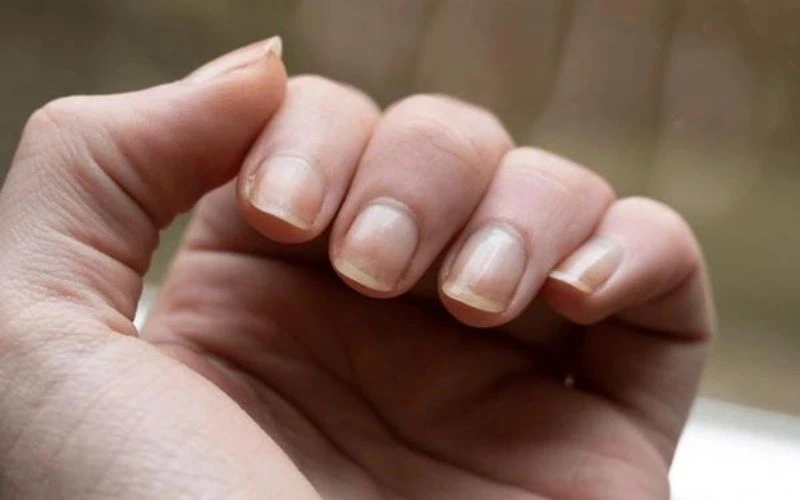
Are your nails taking on an unexpected purple hue? It’s undoubtedly anxiety-inducing to see a phenomenon that is far from the norm. Fret not, as this shifting of colors comes with explanation and, oftentimes, solutions too! Diving into the often unexplored world of nail health, we’ll discuss several reasons nails may turn purple, alongside timely interventions for preserving overall hand health. Let’s unravel the mystery behind those peculiarly purple nails and help you regain your peace of mind and healthy nails.
Purple discoloration of the nails can be caused by factors such as poor circulation, Raynaud’s disease, low iron/anemia, or a combination of these factors. Consulting a healthcare professional for an accurate diagnosis and appropriate treatment options.
Causes of Purple Nails

If you’ve ever caught sight of purple nails, your first instinct might be to panic. Is this a sign of something serious? While it’s always important to get the advice of a medical professional for any unusual physical symptoms, in many cases, purple nails are not a cause for alarm. So, what could be causing your nails to turn purple?
Circulation Issues
Poor circulation can manifest as purple nails, extending beyond temporary discoloration caused by feeling cold, a phenomenon known as acrocyanosis. Chronic poor circulation or underlying medical conditions can result in persistent blue or purple nail beds.
- Peripheral Vascular Disease (PVD): Reduced blood flow, often associated with PVD, can lead to blockages in leg arteries, adversely affecting circulation in the feet and toes, ultimately impacting toenail color.
- Raynaud’s Disease: This condition induces extreme discoloration changes in the fingers and toes, transitioning from pale to blue or red. Individuals with Raynaud’s often experience distinct color shifts, such as white to blue to red, triggered by exposure to cold or stress.
- Common Experiences in Raynaud’s Disease Sufferers: Many individuals with Raynaud’s share a common experience of their fingers turning completely white when exposed to hand dryers, followed by a gradual transition through the colors white, blue, and red over an extended period.
If sudden and persistent nail discoloration is accompanied by symptoms like pain, numbness in extremities, or heightened sensitivity to cold temperatures, seeking guidance from a trusted healthcare professional is advisable. Additionally, the role of blood oxygen levels is pivotal in understanding nail color variations, warranting further exploration.
Low Blood Oxygen
Purple nails can be a sign of low blood oxygen. This medical condition is known as cyanosis and can develop when the body isn’t getting enough oxygen-rich blood. In mild cases, cyanosis might result from exposure to cold temperatures or high altitude, whereas in severe situations, it might signify a life-threatening complication. A critical point to note is that purple nails are typically one of the last signs of cyanosis in the body. By the time nails are purple, there’s already significant oxygen deprivation happening in vital organs such as the brain and heart.
Suppose a mountaineer suddenly develops purple nails during an ascent on Mt. Everest. In that case, this would signify insufficient oxygen levels in their body and prompt for immediate descent to lower altitudes where air pressure is higher.
The causes culminating in this condition are numerous and often indicate an underlying health problem.
Health Conditions Causing Purple Nails
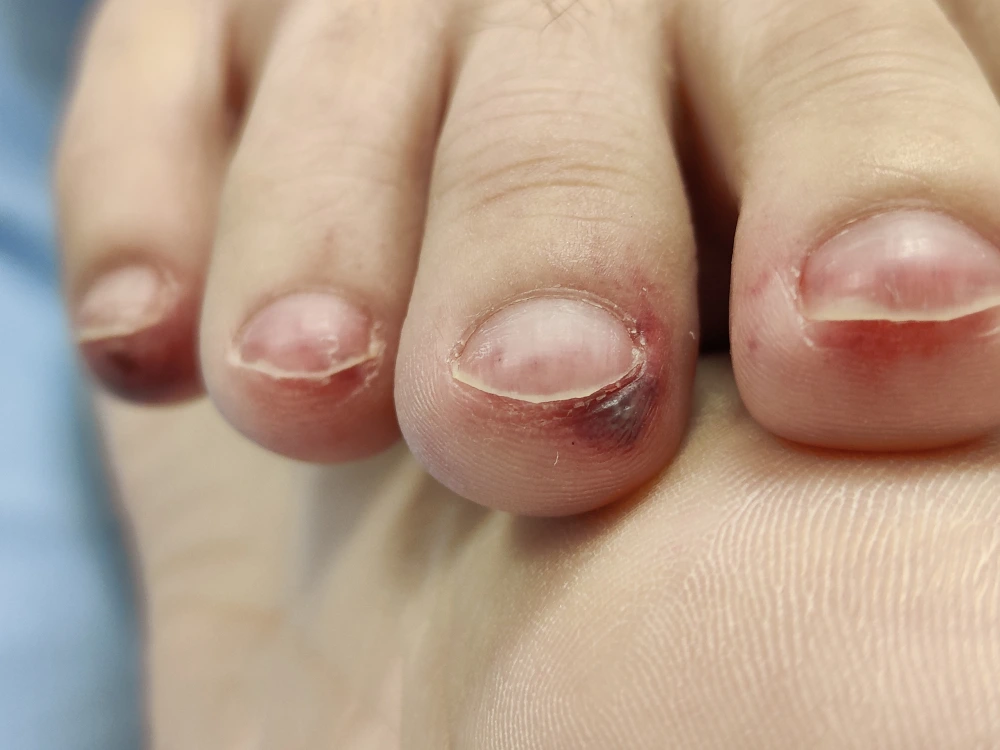
As previously mentioned, purple nails often arise due to poor blood flow from an underlying circulatory condition. Due to the reduced amount of oxygenated blood being delivered to the extremities, skin discoloration can develop. Often, one of the first things that doctors look for when examining discolored nails is whether or not they appear purple or blue.
- Peripheral Vascular Disease (PVD): Deposits accumulate in arteries supplying blood to legs and feet, leading to blockages and reduced blood flow. This can cause toenails to appear purple.
- Varicose Veins: Weakened vein valves in the legs can result in the development of varicose veins, contributing to poor circulation and purple toenails.
- Other Causes: High altitudes, frostbite, hypothermia, and certain medications, including some chemotherapy drugs, may also be associated with purple nails.
It’s important to seek medical attention if discoloration of the nails is accompanied by additional concerning symptoms such as numbness or tingling in the fingers or toes, involuntary muscle spasms, breathing difficulty, and even chest pain.
Purple nails indicate poor blood circulation, often caused by underlying circulatory conditions such as peripheral vascular disease or varicose veins. Other factors like high altitudes, frostbite, hypothermia, and certain medications can also contribute to purple nails. It is important to seek medical attention if nail discoloration is accompanied by other concerning symptoms such as numbness, tingling, muscle spasms, breathing difficulties, or chest pain.
Cardiovascular Disease
A myriad range of health conditions can lead to purple nails. Some common underlying health problems include respiratory conditions such as asthma and chronic obstructive pulmonary disease (COPD), lung infections like pneumonia, problems with hemoglobin (protein in red blood cells that transport oxygen) leading to reduced oxygen capacity, and more.
Peripherally focused diseases like Raynaud’s disease cause poor blood circulation, lowering skin temperatures and discoloration, including purple nails.
For example, Raynaud’s disease affects tiny arteries that supply blood flow to specific body parts such as fingers or toes. The blood vessels narrow upon exposure to cold or stress, causing a reduction in blood flow and hence oxygenation, resulting in numbness or tingling sensations, blueness, or purpleness, collectively called “Raynaud’s phenomenon.”
It is essential to seek medical attention if you start experiencing any symptoms related to your nail color, such as dizziness, numbness, or shortness of breath. They could be indicative of serious underlying medical conditions.
Now that we have identified some of the health conditions causing purple nails, let’s explore how cardiovascular disease is also prevalent in this condition.
Exposure to Cold Temperatures
Another significant contributor to purple nail beds is cardiovascular disease. This condition affects the heart and blood vessels, decreasing blood flow to different body parts, including the nails. Cardiac events such as heart attacks or strokes can also lead to peripheral cyanosis in the fingers and toes. Common conditions that affect circulation, like atherosclerosis and blood clots, also contribute heavily to purple nails. It’s essential to visit a doctor if you observe such symptoms and explore treatments that may be able to fix underlying circulation problems.
A person who has been a long-term smoker might develop peripheral vascular disease (PAD), which often comes with symptoms of shortness of breath, muscle pain while walking, and discoloration of feet or hands due to insufficient blood flow. In such cases, untreated PAD could lead to gangrene or amputation.
Remedies and Treatments for Purple Nails
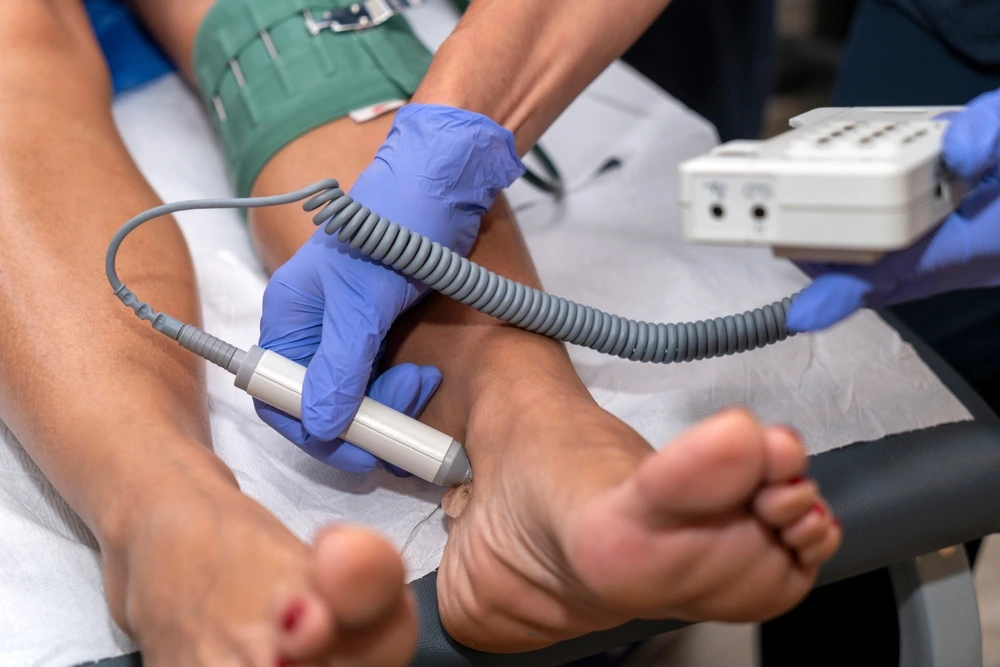
Sometimes, people experience purple nail beds or nails due to exposure to cold temperatures for extended periods due to vasoconstriction, a process whereby blood vessels contract and reduce blood flow into certain body areas. The body’s natural response towards its extremities is to reduce its size by constricting arteries and veins; this reduced organ size can lead to low oxygen levels in tissues, resulting in blue or purple nails, especially when prolonged. This phenomenon commonly occurs in regions with cold climates like Alaska, Antarctica, or Canada.
| [TABLE] | Symptoms Of Exposure-Induced Purple Nails | |
| Numbness and tingling in the affected area | Irregular-shaped nails with vertical ridges | |
| Skin turning blue or pale over time | Nails thinning out and becoming papery | |
| Painful swelling | The fingernail curve goes across the finger instead of down as it grows. |
When to Seek Medical Advice for Purple Nails
There are many reasons why your nails may turn purple, so identifying the root cause is crucial in determining suitable remedies. If it’s due to poor circulation, various lifestyle measures could alleviate the symptoms – like exercising regularly, improving diet, and avoiding cold temperatures. In anemia or low iron levels, supplements like iron bis-glycinate, accompanied by vitamin C, can help boost red blood cell production.
However, cutting your nails won’t necessarily treat the underlying cause of purple discoloration. While certain topical treatments may be prescribed to eliminate fungal infections or other related conditions, a definitive diagnosis is integral to developing effective treatment options.
In rare cases where purple nail beds are caused by serious underlying medical issues such as hypoxia (lack of oxygen supply) or blood clots in the legs, surgery may be needed to regain normalcy.
| Possible Causes Of Purple Nail Discoloration | Treatment |
| Poor Circulation | Lifestyle Measures |
| Anemia/Low Iron Levels | Iron Bisglycinate Supplements with Vitamin C |
| Underlying Medical Issues (Hypoxia/Blood Clots) | Surgery |
It’s worth noting that overdosing on iron supplements could cause toxicity in the body, so always consult a doctor before undertaking any form of self-treatment.

