
Having salon-worthy nails doesn’t necessarily mean frequent, expensive visits to professional nail technicians. Indeed, at-home manicure sessions can level up when you master using a cuticle pusher – a simple tool that promises maximum results. Dive into the world of cuticle care in this article as we unveil step-by-step techniques to optimally use your cuticle pusher, ensuring you achieve those beautiful, healthy nails without breaking the bank!
To use a cuticle pusher, soften your cuticles by soaking your fingers in warm water or using a cuticle softener or oil. Hold the cuticle pusher at a 35 to 45-degree angle and gently slide it toward the base of the nail to push back the softened cuticles. Remember always to be gentle and careful when using a cuticle pusher to avoid injuries. For more detailed instructions, please visit our website on how to use a cuticle pusher.
Preparing Your Nails for Cuticle Pusher
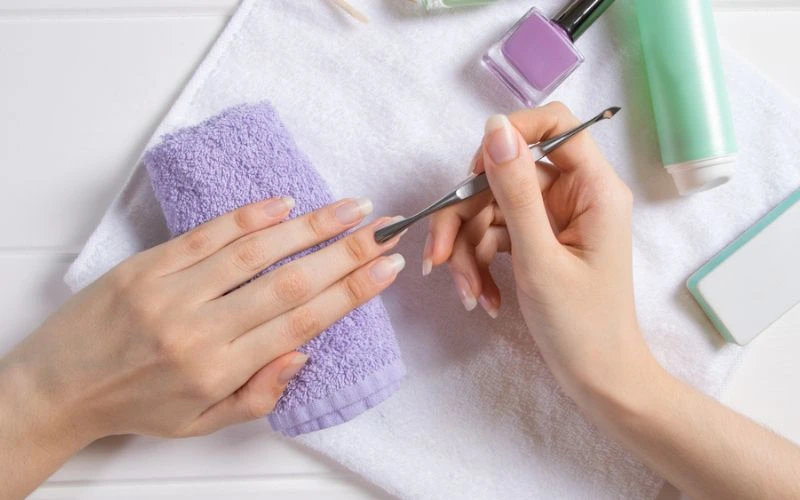
Cuticles play a crucial role in maintaining the health of your nails. They act as barriers against infections and bacteria, creating a protective layer between the nail and skin. Consequently, taking certain steps when preparing your nails for cuticle pusher use is important.
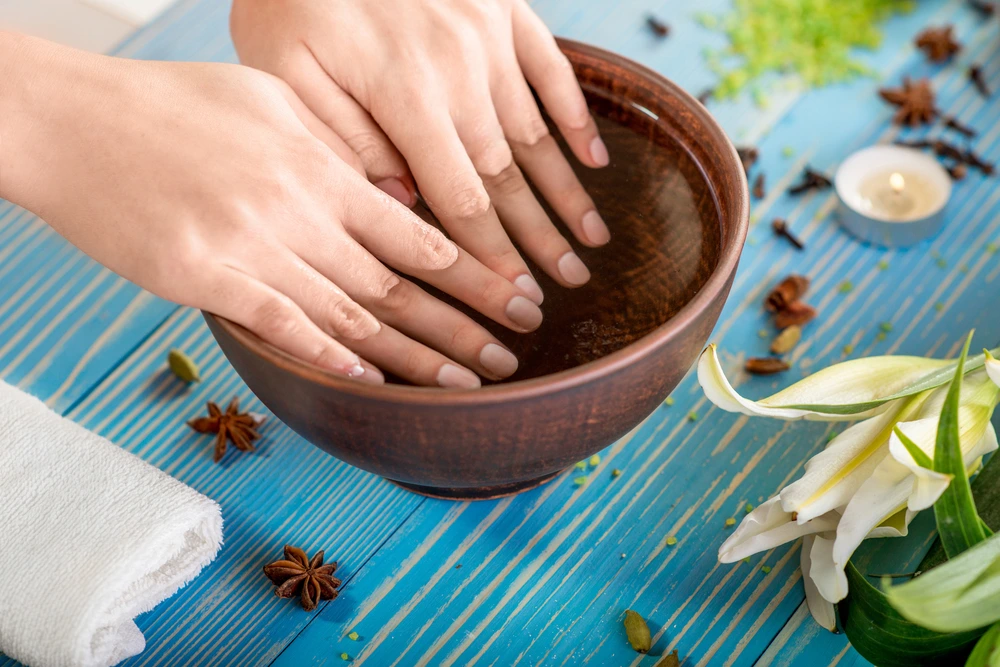
Firstly, soak your fingertips in warm water to soften the cuticles. Alternatively, apply a cuticle softener or oil to facilitate easier removal of dead skin cells. Then, dry your fingers and push back the softened cuticles using a suitable cuticle pusher.
With that said, let’s delve into the benefits and usage of cuticle oils.
Use of Cuticle Oil
If you still need to include this vital product in your nail care routine, it’s time to start. Cuticle oil has several benefits that can help improve the health of both your nails and cuticles.
Applying cuticle oil helps nourish your cuticles while stimulating faster growth. It promotes healthy blood flow around the base of the nails, revitalizing them and improving their appearance.
Secondly, applying cuticle oil aids in keeping your cuticles moisturized, preventing cracking or peeling due to dryness. It provides essential moisture to your nails and cuticles by replenishing lost lipids in the skin barrier.
To get the most out of your cuticle oil, apply it regularly throughout the day, especially after washing or sanitizing your hands or doing activities that cause dehydration, like washing dishes. Doing so will maintain optimum hydration levels around your nails and promote overall nail health.
While many different types of oils to choose from, such as olive, coconut, avocado, or almond, jojoba oil is among the best for nail health because it closely mimics our skin’s natural oils, making it easier to absorb. It’s also hypoallergenic, non-greasy, and can be nourished with other essential oils.
Take your nail care routine to the next level by including cuticle oil today!
- A 2010 survey by Nails Magazine indicated that 87% of manicurist professionals recommend using a cuticle pusher before applying nail polish for an even, long-lasting application.
- According to the American Academy of Dermatology (AAD), improper usage of cuticle pushers can increase the risk of fungal or bacterial infections by up to 30%.
- The same survey by Nails Magazine found that approximately 34% of participants preferred steel cuticle pushers due to their durability and capability of handling tough cuticles.
Role of Cuticle Remover
Using a cuticle remover correctly is paramount for healthy nail growth. Cuticle removers work by softening the dead cuticle skin on the nails, making pushing or removing it from the nails easier. Overall, they help provide a clean and fresh surface to start a manicure, creating a robust base for polish application.
When applying the cuticle remover, only apply it directly to the nail bed areas with dead skin cells. Avoid contact with living skin tissues like the proximal nail fold and surrounding skin. Following the application of the cuticle remover formula, allow it to dwell for 15-30 seconds before using a cuticle pusher tool gently in a back-and-forth motion to remove softened debris from the nail bed.
Cutting the proximal fold while removing cuticles should be avoided, as this may lay down an invitation for dangerous bacterial infections. Instead, push cuticles backward using a gentle approach with tools for such purposes.
Correct Method of Using a Cuticle Pusher
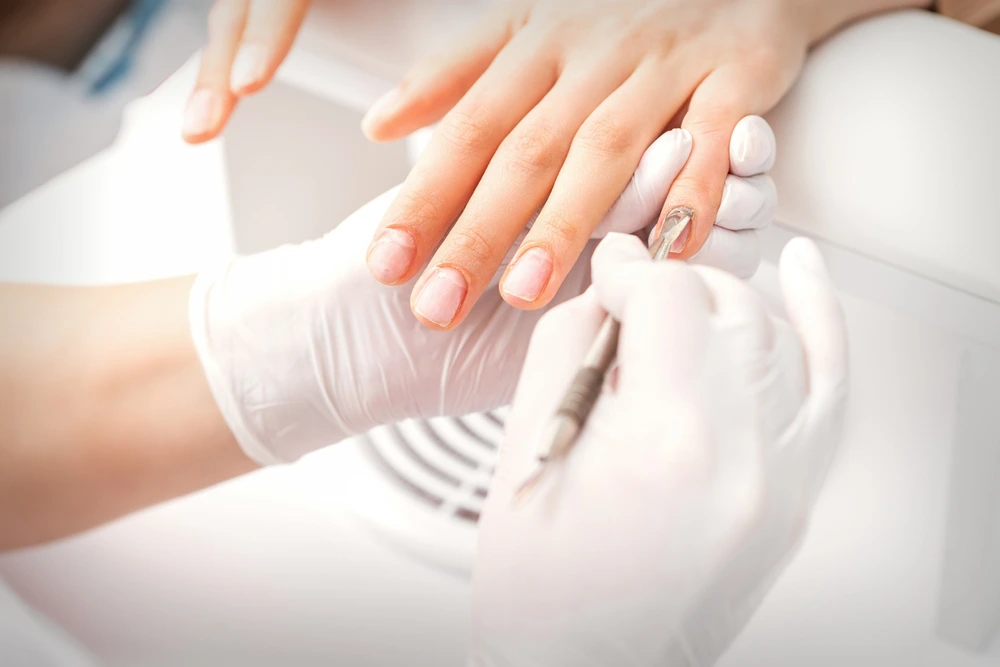
The correct way to use a cuticle pusher involves first soaking the fingers in warm water or using a softener/oil to soften the cuticles before plowing ahead with any pushing action. It is essential to note that pushing too hard or aggressively can irritate live tissue, resulting in discomfort or even damage. Thus, when using the tool, hold it at 35-45 degrees on either side and gently slide it toward the nail base area to push away softened cuticles.
Take care not to remove all your cuticles since it protects your nails from environmental toxins and bacteria that can infect soft skin around nails. Instead of cutting off all your cuticles, gently push them back whenever you notice any buildup without causing damage.
Gently massage your fingers after this process with some jojoba oil to avoid drying out the nails or causing cracks in the skin. This routine can be done two to three times weekly to ensure healthy-looking nails.
Having learned how to use a cuticle pusher correctly, let’s examine what a gentle approach to cuticle care entails.
Gentle Approach to Cuticle Care
Cuticles are vital to nail health; proper care can promote stronger and healthier nails. While cuticle pushers are essential for achieving this, it is crucial to use them correctly to avoid damage that could occur when severely pushed into the skin, causing hangnails or, worse, infections. So, what is the gentle approach to cuticle care?
First, It is recommended to begin by soaking your fingernails in warm, soapy water for a few minutes or using cuticle softener or oil to soften the cuticles. Then, slide toward the base of your nail bed using a wooden or steel cuticle pusher at a 35 -45-degree angle with gentle pressure. Be careful not to push too hard and avoid cutting the skin. With regular practice of this gentle technique, you’ll achieve beautiful, natural-looking nails that are sturdy and healthy.
Understanding Different Cuticle Pushers
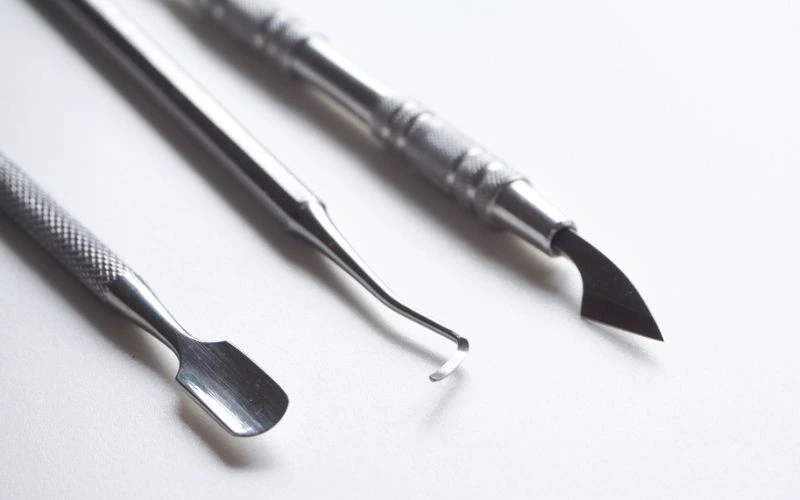
Cuticle pushers come in different materials like wood or metal, each with unique benefits that cater to different types of cuticles. Here’s a quick rundown on understanding the differences between metallic and wooden cuticle pushers.
Metal Cuticle Pushers
Most professionals prefer metal tools because they last longer and require minimal maintenance. They are ideal for dealing with tough calluses because they provide more control with limited movements. Stainless steel pushers, specifically those made from surgical-grade stainless steel, would do an excellent job dealing with thickened or stubborn cuticles.
On the downside, however, they have a higher chance of slipping, which can cause damage around the nail root if used aggressively.
Wooden Cuticle Pushers
Wooden cuticle pushers are perfect for people with soft cuticles since they’re safer on thin skin. Unlike metal ones, wooden pushers do not damage your nails while leaving no scratches behind – making them a favorite choice for those who love natural-looking nails.
Wooden pushers are also cheap and eco-friendly. Since they’re disposable, there’s no need to reuse them, making them ideal in salons where hygiene is crucial. The downside of wooden cuticle pushers is they tend to wear out quickly, making it necessary to replace them regularly.
Metal vs. Wooden Cuticle Pushers
Cuticle pushers are used during a manicure or pedicure to gently remove excess cuticles from the nail and promote healthy nail growth. With a little bit of practice, you can master the art of using a cuticle pusher to achieve salon-quality results in the comfort of your own home. One common question is whether metal or wooden cuticle pushers are more effective.
Cuticle pushers are essential for maintaining healthy nails and achieving salon-quality results at home during manicures or pedicures. Whether you choose a metal or wooden cuticle pusher, both are effective in gently removing excess cuticles and promoting nail growth. The choice between the two may be personal preference or specific needs. With practice and the right technique, anyone can proficiently use a cuticle pusher for beautiful nails.
Post-Use Nail Care Guidelines
Metal and wooden cuticle pushers work well, but each has unique benefits. A metal cuticle pusher is ideal for tougher, harder-to-reach areas as it provides more control over the pressure applied. However, it can also be harsh on the natural nail bed if used incorrectly. On the other hand, a wooden cuticle pusher is perfect for sensitive skin around the nails and is gentle enough for daily use without causing damage.
Each material also has its care requirements, with wooden versions requiring treatment with oil to keep them splinter and crack-free, while metal tools need sterilizing before and after use to prevent infections and rust build-up.
Once you’ve settled on your cuticle pusher, follow some post-use nail care guidelines for removing debris from the nails and cuticles, preventing infections, and providing sufficient nourishment.
Maintenance and Safety Tips
Like with any nail care tool, it’s vital to maintain your cuticle pusher appropriately. Regular cleaning of the device can prevent bacterial infections. Steel cuticle pushers should be sanitized frequently by wiping them down with a cotton swab dipped in alcohol. Wooden cuticle pushers are more delicate; avoid soaking or submerging them in water.
In addition to cleaning and sterilization, you must ensure your cuticles are softened before use. Soaking your fingers in warm water for a few minutes or as per instructions on the cuticle softener/oil can make the process smoother.
When using the cuticle pusher, hold it at a 35-to-45-degree angle and gently slide it towards the base of the nail to prod away the softened cuticles. Never apply too much pressure or try to force the tool beneath the skin, as this may cause cuts or injuries leading to infection.
Consider using a cuticle pusher for cleaning under your nails – similar pressures apply. The fewer strokes you need to take, the better for your nails and surrounding skin.
Vaseline is an excellent alternative for those without a cuticle remover – it can smooth out hardened or flaky skin without requiring too much scraping. Cuticle oil and creams can also help keep dryness at bay.
Cutting the cuticle is not recommended as this removes a crucial protective layer that helps protect against bacteria and fungi. Always use your cuticle pusher gently and safely.
Keep all your nail tools- including cuticle pushers safe- in personal storage where they can dry out completely and not be exposed to dirt or bacteria between uses.
It’s like keeping your makeup brushes clean – proper maintenance helps prolong their life and keeps them working efficiently.
By practicing common sense precautions such as maintaining and sanitizing your cuticle pusher, you can quickly and efficiently address any issues concerning your cuticles without risking bacterial infections or injuries.

