

Are you tired of your nail polish chipping off within days of application? Do you dream of having beautiful, long-lasting nails that make a statement? Look no further than the world of acrylic nails. At the heart of achieving that perfect acrylic nail look lies the essential product – primer.
Primer for acrylic nails is a game-changer in the world of nail art. It is a crucial step that sets the foundation for flawless and long-lasting manicures. But what exactly is a primer, and why is it so important?
Think of primer as the secret ingredient that ensures your acrylic nails adhere perfectly to your natural nails. It creates a smooth surface, preventing lifting or peeling, and helps the acrylic to bond securely. Not only does it enhance the durability of your manicure, but it also acts as a protective barrier, safeguarding your natural nails from damage.
But primer isn’t just about functionality; it’s also a creative tool. You can personalize your nail art even further with a wide range of primers in various shades. From clear primers for a classic look to colored ones that add a pop of vibrancy, the options are limitless.
In addition to its role in nail art, primer also plays a significant role in nail health. Providing a protective layer helps prevent the staining of your natural nails caused by pigmented polishes. It also aids in the prevention of fungal infections, keeping your nails healthy and strong.
So, whether you’re a nail art enthusiast or looking for a long-lasting manicure, primer for acrylic nails is a must-have in your nail care routine. In our upcoming articles, we’ll dive deeper into primers, exploring different types, application techniques, and tips for achieving flawless results.
Stay tuned as we embark on this exciting journey, where we’ll unlock the secrets to perfecting your acrylic nail game. The world of primer for acrylic nails awaits, and we’re here to guide you every step of the way.
What Is a Primer for Acrylic Nails?
If you’re into nail art or love having beautiful nails, you may have come across the term “primer for acrylic nails.” But what exactly is it, and why is it important in nail enhancements?
A primer for acrylic nails is a crucial component in the application process of acrylic nails. It acts as a bonding agent between the natural nail and the acrylic product, ensuring a strong and long-lasting result. The primary function of a primer is to create adhesion, preventing the lifting or peeling of the acrylic nails.
The natural nail must be properly prepped when applying acrylic nails to ensure the best adhesion possible. This involves removing any oils or moisture from the nail bed. The primer is applied to the natural nail before placing the acrylic product on top. The primer acts as a bridge, creating a secure connection between the natural nail and the acrylic.
Different primers, such as acid-based and acid-free options, are available for acrylic nails. Acid-based primers are commonly used in professional salons as they provide excellent adhesion. However, they can be harsh on the natural nail and may cause damage if used incorrectly. Acid-free primers are a gentler alternative often preferred by those with sensitive nails.
It’s important to note that primers should be used sparingly and only applied to the natural nail. Excessive use or application on the skin can cause irritation or allergic reactions. It’s always recommended to follow the manufacturer’s instructions and consult a professional nail technician if unsure.
A primer for acrylic nails is an essential product in the nail enhancement process. It ensures proper adhesion and a long-lasting result. You can achieve beautiful and durable acrylic nails by understanding their role and using them correctly.
How Does Primer Help Acrylic Nails?
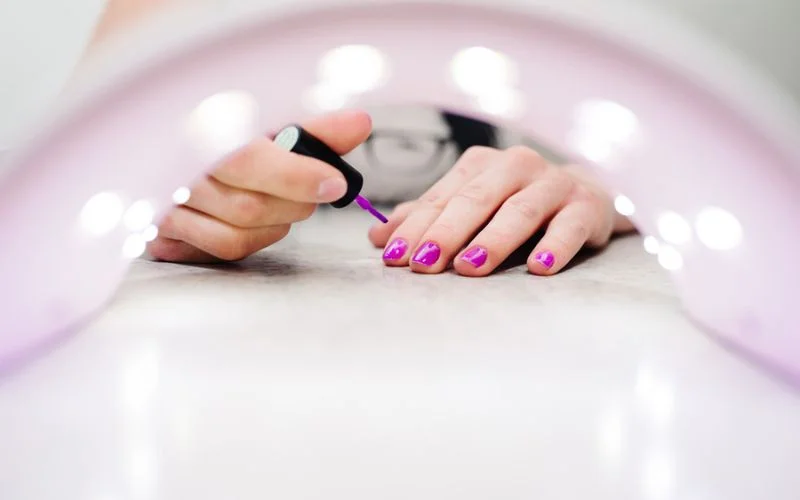
Primer is an essential component in the application of acrylic nails. It plays a crucial role in ensuring that the acrylic adheres properly to the natural nail, resulting in a long-lasting and durable manicure. You can achieve salon-quality acrylic nails at home by understanding how primer works.
One of the main functions of primer is to dehydrate the natural nail bed. This step is vital as it removes moisture or oils from the nail surface, creating a clean canvas for the acrylic. By eliminating moisture, primer helps prevent lifting and peeling of the acrylic, ensuring that your manicure stays intact for longer.
In addition to dehydrating the nail, primer also promotes adhesion. It contains chemicals that create a strong bond between the natural nail and the acrylic. This bond is essential for the longevity of your manicure, as it prevents the acrylic from separating or popping off prematurely.
Furthermore, primer helps to balance the pH levels of the natural nail. This is important because an imbalance in pH can lead to nail damage and fungal infections. By maintaining the correct pH levels, primer protects the health of your nails and ensures that they remain strong and resilient.
When applying primer, it is important to follow the instructions carefully. Apply a thin layer of primer to the natural nail, avoiding contact with the skin. Allow it to dry completely before proceeding with the application of the acrylic.
Primer is a crucial step in achieving beautiful and long-lasting acrylic nails. It dehydrates the nail, promotes adhesion, and balances pH levels, ensuring that your manicure stays intact and your nails remain healthy. By understanding the role of primer and following the proper application techniques, you can enjoy salon-quality nails in the comfort of your home.
Can You Skip Using Primer for Acrylic Nails?
When it comes to getting acrylic nails, one of the key steps in the process is applying a primer. But have you ever wondered if you can skip this step? Is primer really necessary for acrylic nails? Let’s explore this question and find out.
Primer for acrylic nails is a crucial component of the nail application process. It acts as a bonding agent between the natural nail and the acrylic product, ensuring a strong and long-lasting adhesion. The acrylic may not adhere properly to the nail without primer, leading to lifting, chipping, or complete detachment.
Using primer also helps prevent fungal or bacterial infections by creating a barrier between the natural nail and the acrylic product. It creates a clean and sanitized surface for the acrylic to adhere to, reducing the risk of any potential infections.
While some individuals may claim that they can skip using primer without any issues, it is generally not recommended. Cutting primer can compromise the overall quality and longevity of your acrylic nails. It may also increase the chances of developing infections or other nail-related problems.
It’s important to note that not all primers are created equal. Some are specifically designed for acrylic nails, while others may be more suitable for gel nails. Be sure to choose a primer compatible with acrylic nails to ensure optimal results.
Primer is an essential step in the acrylic nail application process. It promotes proper adhesion, prevents infections, and enhances the overall quality of the nails. Skipping primer can lead to various issues and should be avoided. So, the next time you get acrylic nails, don’t skip the primer step for the best results.
Is Primer Necessary for Acrylic Nail Extensions?

One question often arises Regarding acrylic nail extensions: whether primer is necessary. Primer is commonly used in applying acrylic nails, but its importance is debated among nail technicians and enthusiasts. In this article, we will explore the role of primer in acrylic nail extensions and provide insights into its necessity.
Primer is typically a bonding agent between the natural nail and the acrylic product. It helps to create a strong adhesion, ensuring that the acrylic nails stay in place for an extended period. The primary function of primer is to dehydrate the nail surface, removing any oils or moisture that could hinder the adhesion process. Doing so allows the acrylic to adhere better, resulting in a longer-lasting manicure.
While primer can be beneficial in improving the longevity of acrylic nails, it is not always necessary. Some nail technicians argue that primer can be skipped altogether with proper nail preparation and application techniques. They believe a well-prepped nail surface and high-quality acrylic products can provide sufficient adhesion without primer.
However, it is essential to note that skipping primer requires expertise and precision in nail application. Without primer, there is a higher risk of lifting or peeling the acrylic nails, especially if the natural nails are prone to oiliness. Therefore, if you are not confident in your nail preparation skills or have oily nail beds, it is recommended to use primer for better adhesion and longevity.
While primer is not always necessary for acrylic nail extensions, it can significantly improve the adhesion and longevity of the manicure. Nail technicians with expertise in nail preparation and application techniques may be able to skip primer, but for most individuals, using primer is advisable to ensure a long-lasting and flawless acrylic nail extension.
What Are the Benefits of Using Primer for Acrylic Nails?
Primer is an essential component when it comes to applying acrylic nails. It plays a crucial role in ensuring the longevity and durability of the nails. You can achieve salon-quality results at home by understanding the benefits of using primer for acrylic nails.
One of the primary benefits of using a primer is that it helps to create a strong bond between the natural nail and the acrylic. It acts as a preparatory layer, ensuring the acrylic adheres firmly to the nail surface. This prevents lifting and enhances the overall durability of the nails.
Additionally, primer helps to prevent fungal and bacterial infections. It creates a barrier between the natural nail and the acrylic, reducing the risk of moisture accumulation and subsequent infections. This is especially important for individuals who frequently wear acrylic nails, as prolonged exposure to moisture can lead to nail damage and diseases.
Another advantage of using a primer is that it improves the overall appearance of the acrylic nails. It helps to create a smooth and even surface, allowing for easy application of the acrylic. This results in a flawless and professional-looking manicure.
Furthermore, primer can help to extend the lifespan of acrylic nails. The nails are less likely to chip or break by providing a strong bond and preventing lifting. Your manicure will remain intact longer, saving you time and money on frequent touch-ups.
Using primer for acrylic nails offers numerous benefits. It enhances the bond between the natural nail and the acrylic, prevents infections, improves the appearance, and extends the lifespan of the nails. Incorporating primer into your acrylic nail routine can achieve beautiful and long-lasting results.
How Do You Apply Primer on Acrylic Nails?
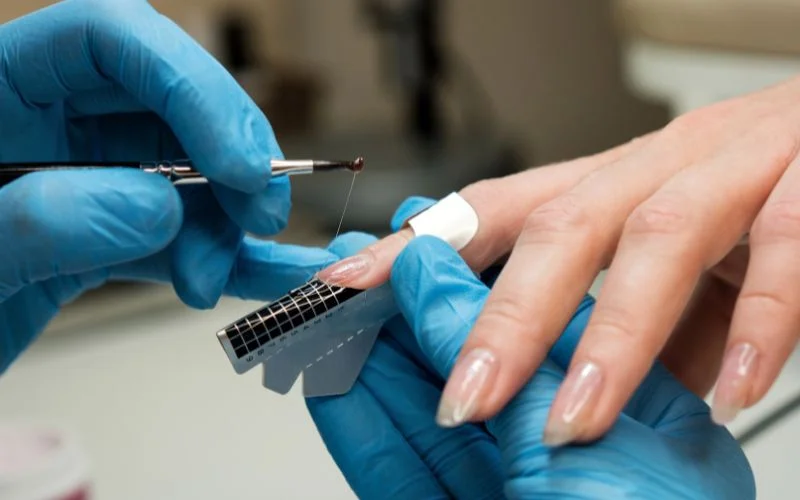
When achieving long-lasting and flawless acrylic nails, applying a primer is an essential step in the process. Primer helps create a strong bond between the natural nail and the acrylic product, ensuring your nails stay in place for weeks. This article will guide you through applying primer on acrylic nails.
Firstly, it is important to prepare your nails by gently pushing back the cuticles and shaping them to your desired length. Once your nails are prepped, you can begin the priming process. Start by applying some primer to a lint-free nail wipe or brush. Be sure to use a primer specifically designed for acrylic nails, as this will provide the best results.
Next, gently brush the primer onto your natural nails, avoiding the cuticles and skin. The primer should be applied in a thin, even layer. Allow the primer to dry completely before proceeding to the next step. This usually takes about 30 seconds to a minute.
After the primer has dried, you can continue applying the acrylic product. The primer creates a sticky surface that helps the acrylic adhere to the natural nail. This ensures your acrylic nails stay in place and don’t lift or chip easily.
It’s important to note that primer should only be applied to the natural nail, not the acrylic tips or extensions. Using a primer on the tips can cause lifting and premature nail damage.
Applying primer on acrylic nails is crucial in achieving long-lasting and beautiful results. Following the steps outlined in this article, you can ensure that your acrylic nails stay in place for weeks without any issues. Always use a primer specifically designed for acrylic nails and allow it to dry completely before applying the acrylic product.
How Long Does Primer for Acrylic Nails Last?
When achieving flawless acrylic nails, a primer is essential to the process. It helps to create a strong bond between the natural nail and the acrylic, ensuring that your nails stay in place for an extended period. But how long does primer for acrylic nails last?
The longevity of primer for acrylic nails can vary depending on several factors. Firstly, the quality of the primer itself plays a significant role. High-quality primers tend to have a longer lifespan compared to lower-quality alternatives. Investing in a reputable brand is always recommended to ensure optimal results.
Another factor to consider is the application technique. Properly applying the primer is crucial to its longevity. Make sure to clean your nails thoroughly before applying the primer, and follow the instructions provided by the manufacturer. This will help to ensure that the primer adheres well and lasts longer.
Generally, a well-applied primer for acrylic nails can last anywhere from two to three weeks. However, it’s important to note that individual experiences may vary. Some people may find that their primer lasts longer, while others may need to reapply it sooner.
It’s also worth mentioning that certain activities can affect the lifespan of the primer. For example, frequent exposure to water, harsh chemicals, or excessive filing can cause the primer to wear off more quickly. To prolong the life of your primer, it’s advisable to wear gloves when doing household chores and avoid excessive contact with water.
The longevity of primer for acrylic nails depends on various factors, such as the quality of the product, the application technique, and individual experiences. By following proper application methods and taking necessary precautions, you can ensure that your primer lasts as long as possible, allowing you to enjoy beautiful and long-lasting acrylic nails.
Can You Use Any Primer for Acrylic Nails?
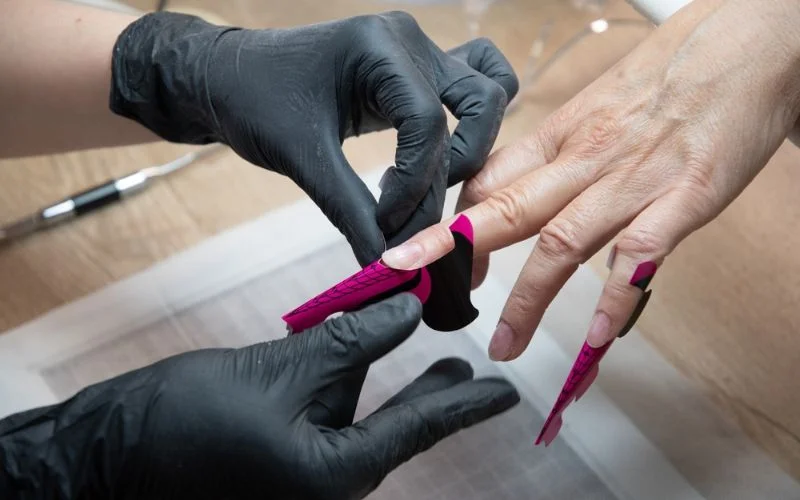
When getting acrylic nails, using a primer is an essential step in the process. But can you use any primer for acrylic nails? Let’s dive into the details and find out.
Acrylic nails are a popular choice for those who want to have long, durable, and beautiful nails. They are created by applying a liquid monomer and a powdered polymer onto the natural nails, which then harden to form a strong, long-lasting artificial nail. But before applying the liquid monomer and powdered polymer, a primer is used to prepare the natural nails for better adhesion.
The purpose of a primer for acrylic nails is to remove any oils or moisture from the surface of the natural nails. This ensures that the acrylic product adheres properly and lasts longer. It also helps prevent the lifting or peeling of the acrylic nails.
While it may be tempting to use any primer you have on hand, it is important to note that not all primers are suitable for acrylic nails. It is recommended to use a primer specifically designed for acrylic nails to ensure the best results. These primers are formulated with gentle ingredients on the natural nails and promote better adhesion.
Using the wrong primer can lead to lifting, peeling, or even damage to the natural nails. Investing in a high-quality acrylic nail primer is always better to achieve the best outcome.
Using the right primer for acrylic nails is crucial for a successful and long-lasting manicure. While it may be tempting to use any primer you have on hand, opting for a primer specifically designed for acrylic nails is best. So, next time you get your acrylic nails done, use the right primer for the perfect result.
Conclusion
In conclusion, this post has covered various topics related to the keyword “primer for acrylic nails.” We have discussed what a primer for acrylic nails is and how it helps in the application and longevity of acrylic nails.
Primer plays a crucial role in the adhesion of acrylic nails to the natural nail bed. It helps to remove any oils or moisture from the nail surface, creating a better bond between the natural nail and the acrylic product. Using a primer, you can ensure that your acrylic nails last longer and stay firmly in place.
While some may wonder if it is possible to skip using a primer, it is highly recommended not to do so. A primer is necessary for acrylic nail extensions, providing a strong foundation for the artificial nails. It helps prevent lifting and enhances the overall durability of the nails.
Using a primer for acrylic nails comes with several benefits. It increases the lifespan of the nails, prevents lifting, and promotes a smoother application. Additionally, it helps to protect the natural nails from damage caused by the acrylic product.
When applying primer on acrylic nails, it is important to follow the instructions carefully. Apply a thin primer layer to the natural nail bed and allow it to dry before proceeding with the acrylic application.
The longevity of primer for acrylic nails can vary depending on factors such as the brand and the individual’s nail care routine. However, replacing the primer every six months is generally recommended to ensure its effectiveness.
It is important to note that not all primers are suitable for acrylic nails. It is best to use a primer specifically designed for acrylic nails to ensure compatibility and optimal results.
In the future, we may see advancements in primer formulas that offer even better adhesion and longevity. Trends in nail care and beauty may also influence the development of new primer products.
Thank you for taking the time to read this post. We hope you found the information on primer for acrylic nails helpful. If you have any questions or feedback, please comment below.

