
Do you find yourself constantly biting your nails, unable to resist the urge, no matter how hard you try? Nail biting, also known as onychophagia, is a common habit that affects people of all ages. Breaking this habit can be challenging due to stress, anxiety, or simply a nervous tick. But fear not, as we are here to provide you with a range of helpful tips to help you overcome nail biting and achieve healthier, more beautiful nails.
Nail biting not only affects the appearance of your nails but can also negatively affect your overall health. It can lead to infections, damage to the nail bed, and even impact your teeth. Overcoming this habit is not just about improving the aesthetics of your nails but also about taking care of your well-being.
One effective strategy to combat nail biting is to keep your nails well-manicured. Regularly trimming and filing your nails eliminates the temptation to bite off uneven or jagged edges. Additionally, applying bitter-tasting nail polish or a nail-biting deterrent can help deter you from putting your fingers in your mouth.
Another helpful tip is to find alternative ways to manage stress and anxiety. Engaging in stress-reducing activities such as exercise, deep breathing exercises, or practicing mindfulness can help alleviate the urge to bite your nails. Identifying triggers that lead to nail biting, such as boredom or nervousness, can also help you develop healthier coping mechanisms.
Incorporating these tips into your daily routine can significantly reduce the urge to bite your nails. However, breaking a habit takes time and perseverance. Stay patient and kind to yourself throughout the process, and remember that progress is not always linear.
In the following articles, we will delve deeper into the various aspects of nail-biting, including its causes, effects, and additional strategies for overcoming this habit. Stay tuned for valuable insights and tips on achieving beautiful, healthy nails.
Why do people bite their nails?
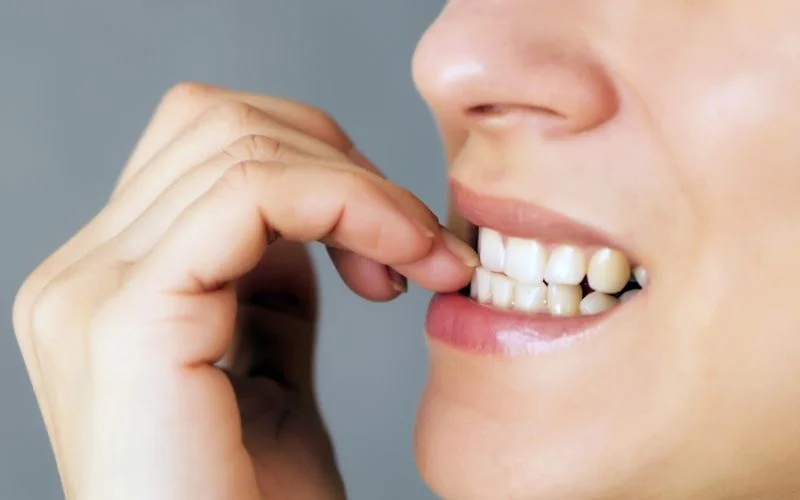
Nail biting is a common habit that affects people of all ages. Whether it’s a nervous tick or a way to relieve stress, nail biting can be a difficult habit to break. Understanding the reasons behind this behavior can help individuals find effective strategies to overcome it.
One of the main reasons people bite their nails is anxiety. When faced with stressful situations, some individuals feel comfortable biting their nails. It provides a temporary distraction and can help alleviate tension. However, this habit can become a vicious cycle, as nail-biting increases stress and anxiety.
Another reason for nail biting is boredom. People may engage in this habit when they have nothing else to do or feel restless. It can serve as a way to pass the time or provide a sense of stimulation. However, finding healthier ways to occupy oneself is important, as nail biting can lead to damaged nails and even infections.
Some individuals may also bite their nails as a form of perfectionism. They may feel the need to constantly groom and shape their nails, leading to excessive biting. This behavior can be difficult to break, as a desire for control and perfection often drives it.
Additionally, nail biting can be a learned behavior. Children often mimic the habits of their parents or siblings, and if nail biting is prevalent in the family, they are more likely to develop the practice themselves. Parents must be mindful of their nail-biting habits and provide positive role models for their children.
In conclusion, nail biting can have various underlying reasons, including anxiety, boredom, perfectionism, and learned behavior. Understanding these reasons can help individuals find effective strategies to overcome this habit. By addressing the root causes and finding healthier alternatives, individuals can break free from biting and maintain healthy nails.
How can I stop biting my nails?

Nail biting is a common habit that many people struggle with. Whether due to stress, anxiety, or a bad habit, nail biting can be difficult to break. However, with some tips and tricks, you can successfully stop biting your nails and achieve healthier, more beautiful hands.
One of the most effective ways to stop nail biting is to keep your nails well-manicured. Regularly trimming and shaping your nails eliminates the temptation to bite them. Additionally, applying clear, bitter-tasting nail polish can be a deterrent, as the unpleasant taste will discourage you from grinding.
Another helpful technique is to keep your hands busy. Engaging in activities such as squeezing a stress ball, playing with a fidget toy, or even just keeping your hands in your pockets can redirect the urge to bite your nails. Finding alternative ways to relieve stress and anxiety, such as exercise or deep breathing exercises, can also help break the habit.
It’s important to be mindful of your triggers. Pay attention to situations or emotions that lead to nail-biting, and find healthier coping mechanisms. For example, if you bite your nails when bored, find a productive activity to occupy your hands, such as knitting or drawing.
Seeking support from friends, family, or even a therapist can also be beneficial. They can provide encouragement, accountability, and helpful strategies to overcome nail biting. Remember, breaking a habit takes time and effort, so be patient and celebrate small victories.
In conclusion, stopping nail biting requires a combination of strategies and determination. By implementing these tips and tricks, you can overcome this habit and achieve healthier, more attractive nails. So, take the first step today and say goodbye to nail biting for good!
What are the consequences of nail-biting?

Nail biting, also known as onychophagia, is a common habit that affects many people. While it may seem harmless, this seemingly innocent habit can have several consequences on your physical and mental well-being.
One of the most obvious consequences of nail biting is the damage it can cause to your nails. Constant biting can lead to short, uneven nails prone to breakage and infection. This can be particularly problematic if you work in an environment where hygiene is important, such as healthcare or food service. Additionally, biting your nails can also lead to painful hangnails and cuticles.
Beyond the physical effects, nail biting can also have psychological consequences. It is often associated with stress, anxiety, or boredom. When you bite your nails, it can provide temporary relief or distraction from these underlying emotions. However, this habit can become a vicious cycle, as biting can further exacerbate stress and anxiety.
Furthermore, nail biting can also impact your social life. People may view nail-biting as a sign of nervousness or lack of self-control, which can create a negative impression. This can affect your self-esteem and confidence, leading to feelings of embarrassment or shame.
In conclusion, nail biting may seem harmless, but it can have several consequences on your physical and mental well-being. From damaged nails to increased stress levels, addressing this habit and finding healthier ways to cope with underlying emotions is important. By understanding the consequences and seeking appropriate strategies, you can break free from nail biting and improve your overall quality of life.
Are there any home remedies to stop nail biting?

Nail biting is a common habit that many people struggle to break. Finding a way to stop this habit can be challenging, whether it’s due to stress, boredom, or anxiety. While no guaranteed remedies exist, several home remedies may help you kick the nail-biting habit for good.
One popular home remedy is applying bitter-tasting nail polish to your nails. The unpleasant taste is a deterrent and can help you become more aware of your nail-biting behavior. Keeping your nails well-manicured and polished can make them less tempting to bite.
Another effective home remedy is using a stress ball or fidget toy to keep your hands occupied. By redirecting your nervous energy to a different activity, you can reduce the urge to bite your nails. Chewing gum or sucking on a mint can also provide a similar distraction.
Some people find that keeping their nails short and filed can help prevent nail biting. Removing the excess length means less biting, and the habit becomes less satisfying. Regularly moisturizing your hands and nails can also make them less prone to breakage, reducing the temptation to bite.
It’s important to remember that breaking the nail-biting habit takes time and patience. Identifying triggers or situations that lead to nail biting and finding alternative coping mechanisms may be helpful. Deep breathing exercises, meditation, or seeking professional help can also be beneficial in managing stress and anxiety, which are often underlying causes of nail biting.
While home remedies can be effective, seeking professional help is important if nail biting becomes a chronic and uncontrollable habit. A dermatologist or therapist can provide additional guidance and support to help you overcome this habit.
In conclusion, while there are no guaranteed home remedies to stop nail biting, several strategies may help. Incorporating these tips into your daily routine can increase your chances of breaking the habit and achieving healthier, more attractive nails.
Can nail-biting be a sign of anxiety?

Nail biting is a common habit that many people struggle with. It can be a difficult habit to break, but have you ever wondered if it could be a sign of something more? One possible explanation for nail biting is anxiety.
Anxiety is a mental health condition characterized by excessive worry, fear, and nervousness. It can manifest in various ways, including physical symptoms like nail biting. When people feel anxious, they may engage in repetitive behaviors to cope with their emotions. Nail biting is one such behavior that can provide temporary relief from anxiety.
Research has shown a link between nail biting and anxiety. A study published in the Journal of Behavior Therapy and Experimental Psychiatry found that anxious individuals were likelier to engage in nail biting than those without fear. The study also suggested that nail-biting could be a potential indicator of the severity of anxiety symptoms.
If you find yourself biting your nails frequently, it may be worth considering whether anxiety could contribute. It is important to note that nail biting alone does not necessarily indicate concern. However, if you experience other anxiety symptoms, such as excessive worrying, restlessness, or difficulty concentrating, it may be beneficial to seek professional help.
Managing anxiety can help reduce the urge to bite your nails. Techniques such as deep breathing exercises, mindfulness meditation, and seeking support from a therapist or counselor can effectively manage anxiety symptoms. Finding alternative ways to cope with stress, such as engaging in hobbies or physical activity, can help redirect the urge to bite your nails.
In conclusion, nail biting can be a sign of anxiety. If you suspect that stress may contribute to your nail-biting habit, addressing the underlying concern and seeking appropriate support is important. By managing anxiety effectively, you can work towards breaking the habit of nail biting and improving your overall well-being.
What are some tips to keep nails healthy?

Nail biting is a common habit that many people struggle with. Not only can it be unsightly, but it can also lead to various health issues. Here are some tips if you want to break the habit and keep your nails healthy.
Firstly, keeping your nails clean is essential. Regularly wash your hands and nails with soap and water to remove any dirt or bacteria that may be present. This will help prevent infections and promote overall nail health.
Another tip is to trim your nails regularly. Keeping them short can make it less tempting to bite them. Use a nail clipper or file to shape your nails and keep them neat. Be sure to avoid using your teeth as a tool to trim or shape your nails, as this can lead to damage.
Moisturizing your nails is also important. Dry nails are more prone to breakage, so keeping them hydrated is crucial. Apply a moisturizing cream or oil to your nails and cuticles regularly to keep them strong and healthy.
Finding alternative coping mechanisms can be helpful if you find yourself biting your nails out of stress or anxiety. Engaging in deep breathing exercises, stress balls, or fidget toys can distract you from the urge to bite your nails.
Lastly, seeking professional help may be necessary if you cannot break the habit alone. A dermatologist or therapist can provide guidance and support to help you overcome nail biting.
In conclusion, the right tips and strategies can break the habit of biting and keeping your nails healthy. By following these suggestions and taking care of your nails, you can achieve beautiful and healthy nails in no time.
How long does it take to break the nail-biting habit?

Nail biting is a common habit that many people struggle with. Breaking the nail-biting habit can be challenging due to stress, anxiety, or bad habits. But how long does it take to break this habit and achieve beautiful, healthy nails?
The answer to this question can vary from person to person. Some individuals can stop biting their nails relatively quickly, while others may take longer to overcome this habit. It all depends on the individual’s level of commitment and determination.
One important factor is the underlying reason behind the nail-biting habit. If it is triggered by stress or anxiety, addressing and managing these underlying issues can greatly speed up the process of breaking the habit. This may involve seeking professional help, such as therapy or counseling, to develop healthier coping mechanisms.
Another factor that can influence the time it takes to break the habit is the individual’s level of awareness and mindfulness. Being conscious of the practice and actively working to replace it with a healthier behavior, such as using a stress ball or fidget toy, can expedite the process.
Additionally, it’s important to note that breaking the nail-biting habit is not a linear process. There may be setbacks, and being patient and forgiving oneself is important. It may take several attempts before the pattern is completely broken, but it is possible to achieve success with persistence and determination.
In conclusion, there is no set timeframe for breaking the nail-biting habit. It varies from person to person and depends on various factors, such as the underlying cause of the practice and the individual’s level of commitment. The key is to stay motivated and keep trying, even if there are setbacks. With time and effort, beautiful, healthy nails can be achieved.
Are there any professional treatments for nail biting?

Nail biting, also known as onychophagia, is a common habit that affects many people. It can be a difficult habit to break, but there are professional treatments available that can help individuals overcome this behavior.
One popular professional treatment for nail biting is cognitive-behavioral therapy (CBT). This therapy focuses on identifying and changing the thoughts and behaviors contributing to nail biting. A therapist trained in CBT can work with individuals to develop strategies for managing stress and anxiety, which are often triggers for nail biting. Through CBT, individuals can learn healthier coping mechanisms and break the cycle of nail biting.
Another professional treatment option is hypnotherapy. This therapy uses hypnosis to access the subconscious mind and address the underlying causes of nail biting. By targeting the root causes of the habit, hypnotherapy can help individuals overcome nail biting and develop healthier habits.
Medication may sometimes be prescribed to help individuals stop nail biting. Medications such as antidepressants or anti-anxiety drugs can help manage the underlying issues contributing to the habit. However, it’s important to note that medication should always be used under the guidance of a healthcare professional.
Professional nail-biting treatments can be highly effective, but it’s important to remember that breaking the habit takes time and patience. It’s also important to address any underlying issues contributing to nail biting, such as stress or anxiety.
In conclusion, several professional treatments are available for nail-biting, including cognitive-behavioral therapy, hypnotherapy, and medication. These treatments can help individuals break the habit and develop healthier coping mechanisms. If you or someone you know struggles with nail-biting, consider seeking professional help to overcome this habit.
Conclusion
The “Tips for Nail Biting” post covered many important topics related to this common habit. We have explored the reasons why people bite their nails, such as anxiety or boredom, and discussed the various consequences that can arise from this habit.
The post has also provided valuable insights into how to stop nail biting, offering practical tips and home remedies that can be easily implemented. From keeping your nails trimmed and filed to using bitter-tasting nail polishes or engaging in stress-reducing activities, several strategies can help break the habit.
Furthermore, we have addressed the potential underlying causes of nail-biting, such as anxiety, and highlighted the importance of seeking professional help. While nail biting can be a sign of stress, it is crucial to address the root cause rather than just focusing on the habit itself.
Maintaining healthy nails has also been emphasized throughout the post. From proper hygiene practices to incorporating a balanced diet and staying hydrated, these tips can contribute to stronger and more beautiful nails.
Breaking the nail-biting habit is not an overnight process. It requires consistency and patience. While the timeline may vary for each individual, it is possible to overcome this habit and achieve healthier nails with determination and the right strategies.
Looking ahead, there may be future developments or trends in nail-biting treatment. As research continues to uncover new insights into the underlying causes and effective interventions, we expect to see advancements in professional treatments and therapies.
In closing, I would like to thank you for taking the time to read this post on “Tips for Nail Biting.” I hope that the information provided has been helpful and informative. If you have any comments, questions, or feedback, please leave them below. Here’s to healthier nails and breaking the nail-biting habit!

