
Are you eager for flawless, long-lasting nails that exude beauty? It all begins with nail prep. This essential step ensures your nails are clean, smooth, and primed for polish application. From shaping and filing to cuticle care and buffing, each aspect of nail prep contributes to a professional-looking manicure with extended wear.
Properly prepped nails prevent chipping and peeling and provide a seamless base for polish, resulting in a stunning and enduring finish. In this introduction, we embark on a journey to uncover the significance of nail prep. Whether you’re a novice or a seasoned enthusiast, mastering nail prep is pivotal for nails that captivate. Join us as we unveil the secrets and techniques to elevate your manicure game.
Unlocking the Power of Nail Prep
How to Properly Clean Nails?
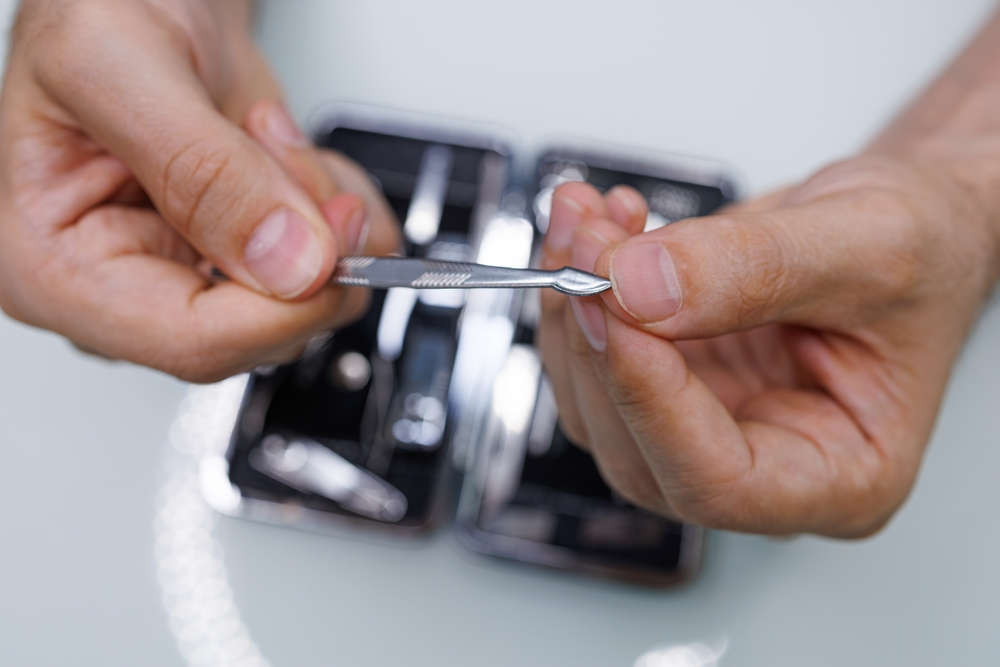
Proper nail cleaning is essential for maintaining healthy and beautiful nails. Start by removing any old nail polish with a gentle acetone-free remover. This will help prevent your nails from becoming brittle and dry.
Next, trim and shape your nails using a nail clipper and file. Be sure to file in one direction to prevent splitting and breakage. Push back your cuticles with a cuticle pusher to promote healthy nail growth.
Use a nail brush or an old toothbrush with soap and water to clean under your nails. This will help remove any dirt and bacteria that can cause infections. Make sure to dry your nails thoroughly to prevent moisture-related issues.
You can soak your nails in warm water and a few drops of tea tree oil for an extra clean finish. Tea tree oil has natural antibacterial properties that help free your nails from germs.
Remember to moisturize your nails and cuticles regularly with a nourishing cuticle oil or hand cream. This will help prevent dryness and breakage, keeping your nails looking healthy and strong.
Following these simple steps, ensure your nails are clean and well-maintained, ready for your next manicure or nail art design.
What is Cuticle Oil Used for?
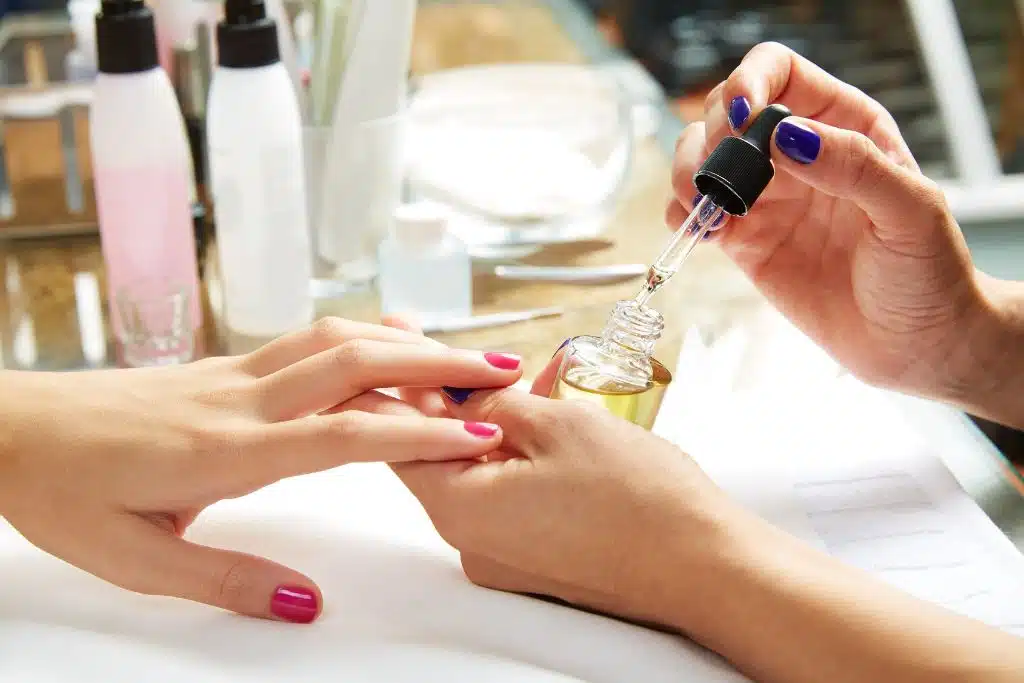
Cuticle oil is a crucial component in nail prep that is often overlooked. Many people may not realize its importance and its benefits for nail health. So, what exactly is cuticle oil used for?
Cuticle oil is primarily used to moisturize and nourish the cuticles, the thin layer of skin at the base of the nails. By keeping the cuticles hydrated, cuticle oil helps prevent dryness, cracking, and peeling. This not only promotes healthier-looking nails but also helps protect them from damage.
Cuticle oil hydrates the cuticles and softens the skin around them, making it easier to push back the cuticles during a manicure. This can result in a cleaner and more professional-looking nail appearance.
Furthermore, cuticle oil can improve the overall health of the nails by promoting nail growth and strength. The vitamins and nutrients in cuticle oil can penetrate the nail bed, nourishing the nails from within.
Incorporating cuticle oil into your nail care routine can lead to stronger, healthier nails. Whether you’re looking to improve the appearance of your nails or maintain their health, cuticle oil is a must-have product in any nail prep kit.
Why is Nail Filing Important?

Nail filing is a crucial step in the nail prep process that should not be overlooked. By shaping and smoothing the edges of your nails, filing helps prevent snagging and breaking, ultimately promoting healthier and stronger nails. Filing your nails regularly can help maintain a neat and polished appearance, making your manicure last longer.
Proper nail filing can also contribute to the overall health of your nails. By removing rough edges and preventing hangnails, filing reduces the risk of infection and promotes nail growth. It also allows for better adhesion of nail polish and nail enhancements, ensuring a smooth and flawless finish.
Different nail files offer varying grit levels for nail shaping, determining how coarse or fine the file is. Coarse files are best for shaping acrylic nails, while fine files are ideal for natural nails. Choosing the right type of nail file for your specific needs is important to prevent damage and achieve the desired results.
Nail filing plays a crucial role in maintaining nail health and appearance. By incorporating this simple step into your nail care routine, you can enjoy stronger, smoother, and more beautiful nails.
Can I Use Regular Polish Remover for Gel Nails?
Many wonder if they can use regular nail polish remover to remove gel nail polish. While it may seem convenient, regular polish remover is not recommended for gel nails. Gel nail polish is much more durable and long-lasting than regular polish, so it requires a different approach when it comes to removal.
Regular nail polish removers are not strong enough to break down gel polish. This can result in a lengthy and frustrating removal process and potential damage to your nails. Instead, an acetone-based nail polish remover specifically designed for gel nails is best. Acetone is a powerful solvent that can effectively dissolve the gel polish, making the removal process much quicker and easier.
To remove gel nail polish, soak a cotton ball in acetone nail polish remover, place it on your nail, and wrap your finger in aluminum foil to hold it in place. The gel polish should easily peel off after sitting for a few minutes. Remember to moisturize your nails afterward to keep them healthy and strong.
While it may be tempting to use regular nail polish removers for gel nails, it is best to stick with acetone-based removers for quick and efficient removal.
What is the Purpose of a Base Coat?
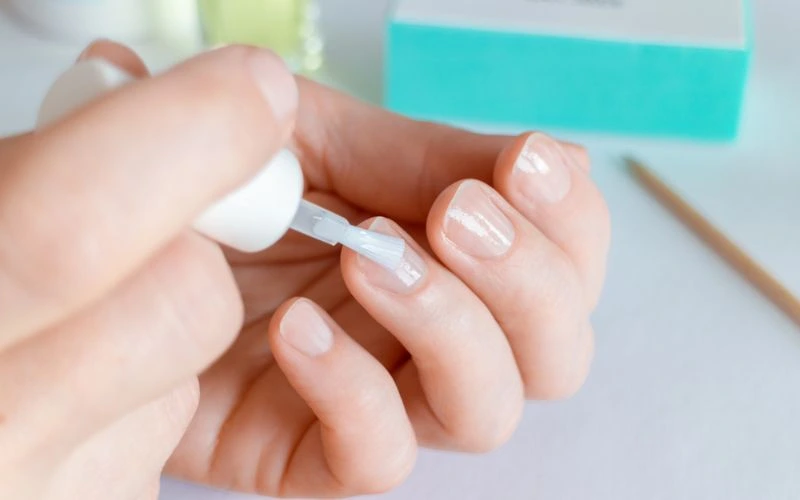
A base coat is a crucial step in the nail prep process that serves multiple functions. Firstly, it acts as a protective barrier between your natural nails and the colored polish that you apply on top. This helps prevent staining and discoloration of your nails, especially with darker shades.
Additionally, a base coat helps to create a smooth surface for the polish to adhere to, ensuring a longer-lasting manicure. It also helps to prevent chipping and peeling, as the base coat provides a strong foundation for the polish to bond to.
Another important purpose of a base coat is to improve the overall appearance of your manicure. By applying a base coat, you can help to even out any ridges or imperfections on your nails, resulting in a more polished and professional look.
Furthermore, some base coats contain nourishing ingredients that can help to strengthen and protect your nails. Ingredients such as vitamins and proteins can help to promote healthy nail growth and prevent breakage.
A base coat is an essential step in the nail prep process that offers a range of benefits. From protecting your nails to improving the longevity and appearance of your manicure, incorporating a base coat into your nail routine is worth it.
How Do I Prevent Nail Polish Chipping?
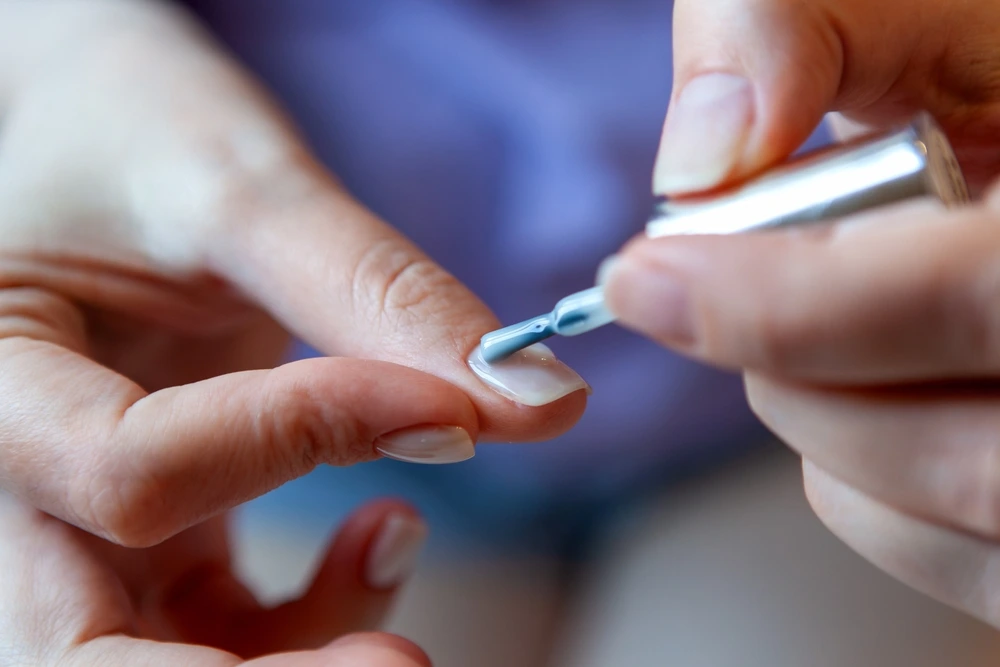
One of the most frustrating things for nail enthusiasts is seeing their freshly painted nails chip just days after application. But fear not; there are steps you can take to prevent this common issue and keep your manicure looking flawless for longer.
First and foremost, nail prep is key. Make sure to start with clean, dry nails before applying any polish. This means removing old polish, pushing cuticles back, and shaping your nails to your desired length and shape.
Next, it’s important to prime your nails properly. A base coat helps the polish adhere better to the nail and adds a protective layer to prevent chipping. Look for a base coat specifically designed to strengthen nails and extend the life of your manicure.
When applying your nail polish, use thin, even coats and allow each layer to dry completely before adding the next. This will help prevent bubbles and uneven drying, which can lead to chipping.
Lastly, finish off your manicure with a high-quality top coat. A good top coat will seal your polish and add a glossy finish while protecting chips and smudges.
By following these simple steps and incorporating proper nail prep into your routine, you can say goodbye to chipped polish and hello to long-lasting, flawless manicures.
Should I Buff My Nails Before Painting Them?
Buffing your nails before painting them is common in nail prep routines. By gently buffing the surface of your nails, you can create a smooth canvas to which nail polish can adhere, resulting in a longer-lasting manicure.
One of the main benefits of buffing your nails is that it helps to remove any ridges or imperfections on the nail surface. This can result in a more even application of nail polish, leading to a professional-looking finish. Additionally, buffing can help improve your nails’ overall health by increasing circulation to the nail bed.
However, it’s important to note that over-buffing can weaken the nails and make them more prone to breakage. It’s best to use a gentle buffing block and only lightly buff the surface of the nails. Be sure to follow up with a nourishing cuticle oil to keep your nails hydrated and healthy.
While buffing your nails before painting them can have benefits, it’s important to do so in moderation. By buffing gently and not overdoing it, you can achieve a flawless, lasting manicure.
Do I Need to Use a Top Coat?
When it comes to nail prep, one common question is whether or not a top coat is necessary. Many wonder if adding a top coat to their manicure is worth the extra time and effort. The truth is that using a top coat can make a significant difference in the longevity and appearance of your nail polish.
A top coat is a protective barrier for your nails, helping seal in the color and prevent chipping. It also adds a glossy finish that can enhance the overall look of your manicure. Without a top coat, your nail polish is more prone to fading, peeling, and losing its shine.
A top coat can protect your nail polish and strengthen them. Some top coats contain keratin and vitamins that nourish and fortify nails, promoting healthy growth and preventing breakage.
A top coat is highly recommended for maintaining a long-lasting and professional-looking manicure. Whether you prefer a matte or glossy finish, top coats are available to suit your style and needs. So next time you do your nails, don’t skip this essential step – your nails will thank you!
Conclusion
In conclusion, nail prep is essential for a flawless, lasting manicure. Properly cleaning nails, using cuticle oil, filing nails, and using the right products like base and top coats are crucial. It is important to avoid using regular polish remover for gel nails and to buff nails before painting them to ensure a smooth application. Additionally, preventing nail polish chipping can be achieved by following proper nail care routines.
Advances in nail care products and techniques may continue to improve the overall nail prep process. Staying informed and adapting to new methods can help enhance your nail care routine as trends evolve.
I hope this post has provided valuable insights and actionable tips for achieving the perfect manicure. Thank you for taking the time to read through the information provided. Your feedback and comments are always welcome, so feel free to share your thoughts on nail prep and any additional tips you may have. Remember, the key to beautiful nails starts with proper nail prep!

