
Nail polish has become a staple in the beauty routines of people worldwide. From bold and vibrant colors to subtle and elegant shades, it allows individuals to express their style and add a touch of glamour to their appearance. But have you ever wondered when nail polish was first invented?
The origins of nail polish can be traced back thousands of years to ancient civilizations that valued beauty and self-expression. The use of colored pigments on nails dates back to as early as 3000 BCE in ancient China. During this time, nail polish was made from beeswax, egg whites, gelatin, and vegetable dyes. The upper classes primarily used it to indicate their social status and wealth.
As time passed, nail polish evolved and spread to other parts of the world. In ancient Egypt, for example, it was common for both men and women to paint their nails using henna, a natural dye derived from the henna plant. This practice was not only for cosmetic purposes but also had cultural and religious significance.
Fast forward to the 20th century, and nail polish as we know it today began to take shape. In the 1920s, a French makeup artist, Michelle Ménard, created the first modern nail polish by adding colorants to a clear varnish base. This innovation revolutionized the nail industry and paved the way for the wide range of colors and finishes we have today.
The invention of nail polish is a fascinating journey that spans centuries and cultures. From its humble beginnings in ancient China to the modern formulations we use today, nail polish has come a long way. So, the next time you reach for that nail polish bottle, take a moment to appreciate its rich history.
When Was Nail Polish Invented?

Nail polish has been a popular beauty accessory for centuries, but have you ever wondered when it was first invented? The history of nail polish is fascinating and dates back thousands of years. Its origins can be traced back to ancient civilizations, where people used various substances to color and decorate their nails.
In ancient Egypt, for example, men and women would apply a mixture of henna, beeswax, and crushed beetles to their nails. This concoction would create a reddish tint and was considered a symbol of status and wealth. Similarly, nail polish was made from Arabic gum, egg whites, gelatin, and beeswax in ancient China.
Fast forward to the 20th century, and nail polish as we know it today began to take shape. In the 1920s, a French makeup artist, Michelle Menard, created the first modern nail polish. She used a combination of nitrocellulose, pigments, and plasticizers to create a smooth and long-lasting formula. This innovation revolutionized the nail industry and paved the way for the wide range of colors and finishes we see today.
Since then, nail polish has continued evolving and has become a beauty industry staple. From classic reds to bold blues and shimmering metallics, a shade suits every style and occasion. Nail polish has become more than just a cosmetic product; it has become a form of self-expression and a way to showcase personal style.
The invention of nail polish is a testament to human creativity and the desire for self-expression. From ancient civilizations to the modern-day, nail polish has stood the test of time and continues to be a beloved beauty accessory. So, the next time you reach for that nail polish bottle, remember the rich history behind this small but significant product.
Who Invented Nail Polish?
Nail polish has become a staple in the beauty industry, with countless colors and finishes. But have you ever wondered who came up with the idea of painting nails? The history of nail polish is fascinating, and while it’s difficult to pinpoint an exact inventor, we can trace its origins back thousands of years.
Ancient civilizations, such as the Egyptians and the Chinese, were known to use color on their nails. The Egyptians used henna to stain their nails, while the Chinese created nail polish using a mixture of beeswax, egg whites, gelatin, and vegetable dyes. The upper class primarily used these early forms of nail polish as a symbol of wealth and status.
Fast forward to the 19th century, and we start to see the modern version of nail polish emerge. In Europe, women began using tinted creams and powders to enhance the appearance of their nails. It wasn’t until the early 20th century, however, that nail polish as we know it today was invented.
In the 1920s, a French makeup artist, Michelle Menard, is often credited with creating the first modern nail polish. She developed a formula that was easier to apply and had a longer-lasting finish. This innovation revolutionized the nail care industry and paved the way for the wide range of colors and finishes we have today.
Since then, nail polish has continued to evolve, with new formulas, trends, and techniques constantly emerging. It has become a form of self-expression and a way to add color to any outfit.
While we may never know the exact individual who invented nail polish, we can appreciate this beauty staple’s long history and cultural significance. So, the next time you reach for your favorite shade of nail polish, remember the journey to become the beloved product it is today.
What Were the Early Forms of Nail Polish?
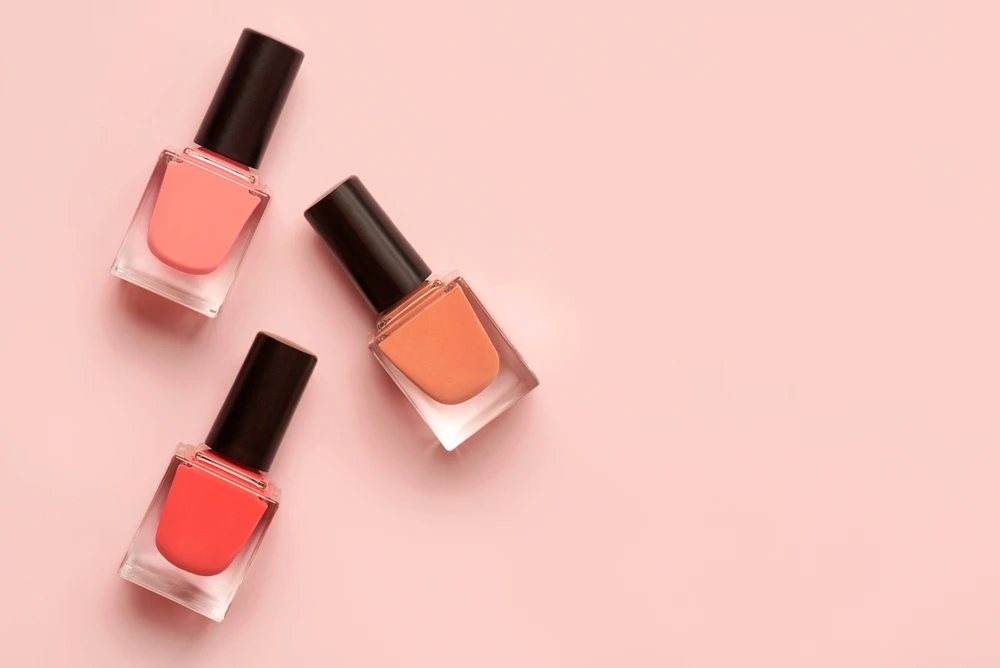
Nail polish has been a popular beauty product for centuries, but have you ever wondered how it all began? The history of nail polish dates back to ancient times, with evidence of its use found in different cultures worldwide.
One of the earliest forms of nail polish can be traced back to ancient China, where people would mix beeswax, egg whites, gelatin, and vegetable dyes to create colorful coatings for their nails. The upper class mainly used this early version of nail polish as a symbol of wealth and status.
In ancient Egypt, nail polish was also a common beauty practice. The Egyptians would mix henna, a plant-based dye, with other natural ingredients to create vibrant colors. They believed that nail polish enhanced their beauty and protected their nails from damage.
During the Renaissance period in Europe, nail polish became popular among the noble classes. Women would use a mixture of gum Arabic, egg whites, and various natural pigments to paint their nails. The colors ranged from pale pinks to deep reds and sometimes even included gold or silver accents.
In the early 20th century, the modern nail polish as we know it today was developed. A French makeup artist named Michelle Menard created a formula using nitrocellulose, a substance commonly used in the production of photographic film. This breakthrough allowed for a smoother application and longer-lasting color.
As time passed, nail polish evolved, introducing new formulas and colors. Today, we have many options, from matte finishes to glittery shades.
The early forms of nail polish were quite different from what we use today. From ancient China to Renaissance Europe, people have always found ways to decorate and protect their nails. The invention of modern nail polish in the early 20th century revolutionized the industry, leading to the vast array of colors and finishes we enjoy today.
How Has Nail Polish Evolved?
Nail polish has a long and fascinating history, dating back thousands of years. Its invention can be traced back to ancient civilizations, where people used various materials to color and decorate their nails. However, the modern nail polish we are familiar with has undergone significant changes and improvements.
People used natural dyes and pigments to paint their nails in ancient times. Ingredients like henna, beeswax, and even crushed insects were used to create vibrant colors. These early forms of nail polish were often reserved for the elite and symbolized wealth and status.
Fast forward to the 19th century, and we see the emergence of commercially produced nail polishes. In 1830, a French perfumer named François Autrand created a product called “liquid nail enamel,” the first modern nail polish. It was a clear varnish that could be applied to the nails, giving them a glossy finish.
The real breakthrough came in the 1920s when Charles Revson and his brother Joseph and chemist Charles Lachman developed a formula that combined pigments with nitrocellulose. This innovation led to the creation of Revlon, one of the most iconic nail polish brands in history. This new formula allowed for a wide range of colors and improved durability.
Over the years, nail polish has continued to evolve. New formulas have been developed to improve the polish’s longevity, shine, and chip resistance. Introducing nail polish pens, gel polishes, and nail wraps has also revolutionized how we apply and wear nail polish.
Nail polish has come a long way since its humble beginnings. From natural dyes to modern-day formulas, the evolution of nail polish has been driven by innovation and a desire for self-expression. Whether you prefer classic reds or trendy nail art, there’s no denying nail polish’s impact on the beauty industry.
What Are Some Popular Nail Polish Brands Today?

Nail polish has become a staple in the beauty industry, allowing individuals to express their style and add a pop of color to their nails. With countless options, choosing the perfect nail polish brand can be overwhelming. This section will explore some of the most popular nail polish brands today.
One of the leading brands in the nail polish industry is OPI. Known for their wide range of colors and high-quality formulas, OPI has become a favorite among nail enthusiasts. Their long-lasting and chip-resistant polishes make them a go-to choice for many.
Another popular brand is Essie. With its iconic square-shaped bottles and extensive color selection, Essie has gained a loyal following. Their polishes are known for their smooth application and glossy finish, making them a top choice for professionals and amateurs alike.
Sally Hansen is also a well-known name in the nail polish world. Their Miracle Gel line offers a gel-like finish without needing a UV lamp. This innovative formula provides long-lasting wear and vibrant colors, making it a favorite for salon-quality results at home.
For those seeking a more affordable option, Sinful Color is a great choice. With a wide range of trendy shades and an affordable price point, Sinful Colors has become a favorite among budget-conscious consumers. Despite its low price, the quality of their polishes is not compromised.
Other popular nail polish brands include Zoya, China Glaze, and Deborah Lippmann. Each brand offers its unique range of colors and finishes, catering to different preferences and styles.
When it comes to nail polish brands, there are plenty of options. Whether you prefer high-end or budget-friendly options, there is a brand for everyone. Experiment with different brands to find the perfect nail polish that suits your style and preferences.
What Are Some Common Ingredients in Nail Polish?
Nail polish has become a staple in many beauty routines, allowing endless creativity and self-expression. But have you ever wondered what exactly goes into that little bottle of color? In this article, we will explore some common ingredients found in nail polish.
One of the key components of nail polish is a film-forming agent. This ingredient helps the polish adhere to the nail and creates a smooth, even finish. Common film-forming agents include nitrocellulose, which is derived from cellulose and provides durability, and acrylates copolymer, which helps improve the polish’s resistance to chipping.
Another important ingredient in nail polish is a solvent. Solvents keep the polish liquid and spread it evenly on the nail. Common solvents used in nail polish include ethyl acetate, butyl acetate, and isopropyl alcohol.
Pigments are what give nail polish its vibrant colors. These pigments can be derived from various sources, including minerals, dyes, and synthetic compounds. Some common pigments in nail polish include titanium dioxide for white shades, iron oxides for reds and browns, and ultramarines for blues and purples.
Ingredients called plasticizers are added to ensure the nail polish has a smooth and glossy finish. These help to prevent the polish from becoming brittle and cracking. Common plasticizers used in nail polish include dibutyl phthalate, camphor, and triphenyl phosphate.
Nail polish is a complex mixture of various ingredients that create a beautiful, long-lasting color. By understanding the common ingredients found in nail polish, you can make more informed choices when selecting your favorite shades. So, next time you paint your nails, take a moment to appreciate the science behind that perfect manicure!
How Is Nail Polish Applied?

Nail polish is a popular cosmetic product that has been used for centuries to enhance the appearance of nails. It is applied to the nails to add color and shine, making them look more attractive. Applying nail polish is relatively simple and can be done at home or in a salon.
Before applying nail polish, it is important to prepare the nails. This involves trimming and shaping them to the desired length and shape. It is also important to clean the nails thoroughly to remove any dirt or oil that may be present. This can be done using a nail polish remover or soaking the nails in warm, soapy water.
Once the nails are prepared, a base coat is applied. This helps to protect the nails and prevent staining from the colored polish. The base coat also helps the colored polish to adhere better to the nails. After the base coat has dried, the colored polish can be applied.
To apply the colored polish, start by applying a thin layer to the center of the nail and then work your way to the sides. Applying the polish evenly and avoiding too much is important, as this can lead to streaks and smudges. Allow the first coat to dry before applying a second coat for a more vibrant and opaque color.
After the colored polish has dried, a top coat can be applied. This helps to seal the color and add shine to the nails. It also helps to protect the polish from chipping and peeling. Once the top coat has dried, the nails are ready to be shown off.
Nail polish is applied by first preparing the nails, applying a base coat, applying the colored polish, and finishing with a top coat. By following these steps, you can achieve beautiful and long-lasting nail color. So experiment with different shades and designs, and have fun expressing yourself through nail polish!
What Are Some Nail Polish Trends and Techniques?
Nail polish has been a popular beauty product for centuries and continues evolving with new trends and techniques. From vibrant colors to intricate designs, there are endless possibilities when decorating your nails. This section will explore the latest nail polish trends and techniques that take the fashion world by storm.
One of the most popular trends in nail polish right now is holographic and iridescent finishes. These polishes create a mesmerizing effect that shifts colors in different lighting, giving your nails a futuristic and eye-catching look. Another trendy technique is negative space designs, where parts of the nail are left bare to create unique patterns and shapes.
In recent years, nail art has become a form of self-expression, and many people are experimenting with different designs and textures. One technique that has gained popularity is using nail stamping plates, allowing you to transfer intricate designs onto your nails easily. This technique is perfect for those who want professional-looking nail art at home.
Gradient nails are a trendy technique that seamlessly blends two or more colors on each nail. This creates a beautiful ombre effect that adds depth and dimension to your manicure. Additionally, nail polish strips, which are pre-designed stickers, have become a quick and easy way to achieve intricate nail art without the need for any artistic skills.
As nail polish continues to evolve, so do the associated trends and techniques. Whether you prefer bold and vibrant colors or delicate and intricate designs, there is something for everyone in the world of nail polish. So, experiment with different trends and techniques to find the perfect manicure that reflects your style.
Conclusion
In conclusion, the invention of nail polish has a rich and fascinating history that spans many centuries. We have explored various aspects of this topic, including its origins, the early forms of nail polish, its evolution over time, popular brands today, common ingredients, application techniques, and current trends.
Nail polish was invented in ancient China, where the ruling classes used it to signify social status and beauty. Over time, it spread to other parts of the world and became a popular cosmetic product for women.
The exact inventor of nail polish is unknown, but it is believed to have been developed by the Chinese around 3000 BC. The early forms of nail polish were made from natural ingredients such as beeswax, egg whites, and vegetable dyes. These early polishes were limited in color options and did not last long on the nails.
As time went on, nail polish evolved and became more sophisticated. Today, we have various colors, finishes, and formulas. Popular nail polish brands such as OPI, Essie, and Sally Hansen have become household names, offering various shades and innovative products.
Nail polish comprises various ingredients, including resins, solvents, and pigments. Some common ingredients found in nail polish include formaldehyde, toluene, and dibutyl phthalate. Awareness of these ingredients and their potential health risks is important.
When applying nail polish, there are various techniques and trends to explore. The possibilities are endless, from simple solid colors to intricate nail art designs. It is always a good idea to properly prepare your nails before applying polish and to use a top coat for added durability.
Looking ahead, we can expect continued innovation in the nail polish industry. New formulas and technologies will likely emerge, offering longer-lasting and more environmentally friendly options. Nail art trends will continue to evolve, allowing individuals to express their creativity and personal style.
Thank you for taking the time to read this post. We hope you found it informative and engaging. We encourage you to leave any comments or feedback below. As always, stay tuned for more updates and information on the fascinating world of nail polish.

