
As a parent, there are countless things to worry about regarding your little one’s well-being. Every aspect of their care is paramount, from getting enough sleep to providing proper nutrition.
One area that often gets overlooked but is equally crucial is baby nail care. Those tiny nails may seem harmless, but if left untrimmed, they can cause discomfort and even lead to scratches and infections.
That’s why it’s essential to have a complete guide to baby nail care to keep those little fingers safe and healthy.
This comprehensive guide will delve into the art of trimming tiny nails. We will explore the best techniques, tools, and tips to ensure a stress-free and safe nail-trimming experience for you and your baby.
We will cover everything from understanding the ideal nail length to mastering the perfect nail-trimming routine.
But this guide goes beyond just the basics. We will also address common concerns and challenges that parents face when it comes to baby nail care. From dealing with wiggly fingers to managing sharp nails, we will provide practical solutions to make the process easier and more efficient.
Moreover, we will discuss the importance of maintaining good nail hygiene for your baby. We will delve into the potential risks of neglecting nail care and how to prevent infections and other nail-related issues.
So, whether you are a new parent looking for guidance or a seasoned caregiver seeking to refine your nail care routine, this guide is for you. Join us as we embark on this journey of trimming tiny nails and discover the secrets to keeping your baby’s nails clean, healthy, and well-groomed.
What Are the Best Tools for Trimming Baby Nails?
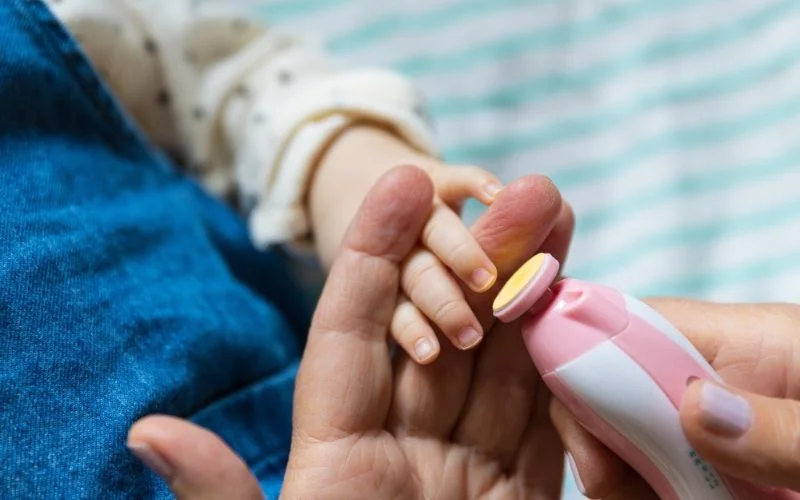
When trimming your baby’s nails, having the right tools is essential. Not only will the right tools make the process easier and safer, but they will also ensure that your baby’s nails are properly trimmed. This article will explore the best tools for trimming baby nails.
A baby nail clipper is one of the most popular tools for trimming baby nails. These clippers are designed with tiny pins in mind, making it easier to trim them without causing any harm. Look for clippers with rounded edges and a comfortable grip to ensure a smooth and precise cut.
Another great tool to consider is a baby nail file. Nail files are perfect for shaping and smoothing your baby’s nails. They are gentle and safe, minimizing the risk of accidentally cutting your baby’s delicate skin. Look for a nail file specifically designed for babies, as they are often softer and less abrasive.
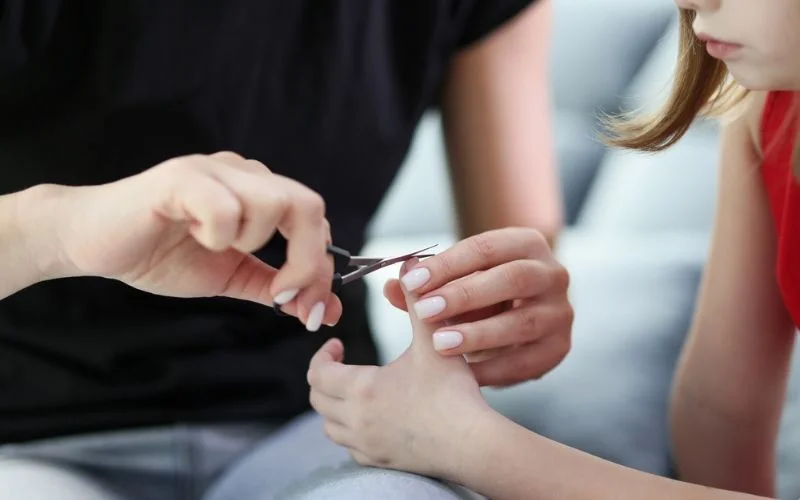
Some parents prefer to use baby nail scissors for trimming their baby’s nails. Scissors can provide more control and precision, especially for babies with thicker nails. However, it’s important to choose scissors that have rounded tips to prevent any accidental injuries.
Electric baby nail trimmers are available if you’re looking for a more high-tech option. These trimmers use gentle vibrations to trim your baby’s nails quickly and safely. They often come with different attachments for different stages of nail growth.
In conclusion, having the right tools is important when trimming your baby’s nails. Whether you choose baby nail clippers, a nail file, scissors, or an electric trimmer, ensure they are designed specifically for babies and prioritize safety.
Using the right tools ensures that your baby’s nails are trimmed properly and safely.
How Often Should I Trim My Baby’s Nails?
When caring for your baby’s nails, one question often arises: How often should you trim them? As a parent, keeping your baby’s nails short is important to prevent them from scratching themselves or others. However, finding the right frequency can be a bit challenging.
Experts recommend trimming your baby’s nails about once a week. However, every baby is different, and their nail growth can vary. Some babies may need their nails trimmed more often, while others may need it less frequently.
Observing your baby’s nails regularly is important to determine when they need cut.
One way to know if your baby’s nails are too long is if you can hear them scratching their skin. If you notice this, it’s a clear sign that it’s time for a trim. Additionally, if you see any dirt or debris trapped under their nails, it’s also a good indication that they must be trimmed.
When trimming your baby’s nails, using the right tools is essential. Baby nail clippers or rounded-tip scissors are recommended to ensure their safety. It’s important to be gentle and take your time to avoid accidentally cutting their delicate skin.
Trimming your baby’s nails can be challenging, especially if they are wiggly or fussy. It’s helpful to have someone assist you or wait until they are asleep to make the process easier. Creating a calm and comfortable environment can also help make the experience more pleasant for you and your baby.
In conclusion, trimming your baby’s nails is essential to their overall care. Doing it regularly and using the right tools can keep their nails short and prevent accidental scratches. Remember to observe their nails periodically and adjust the trimming frequency based on their needs.
What Is the Safest Way to Trim Baby Nails?
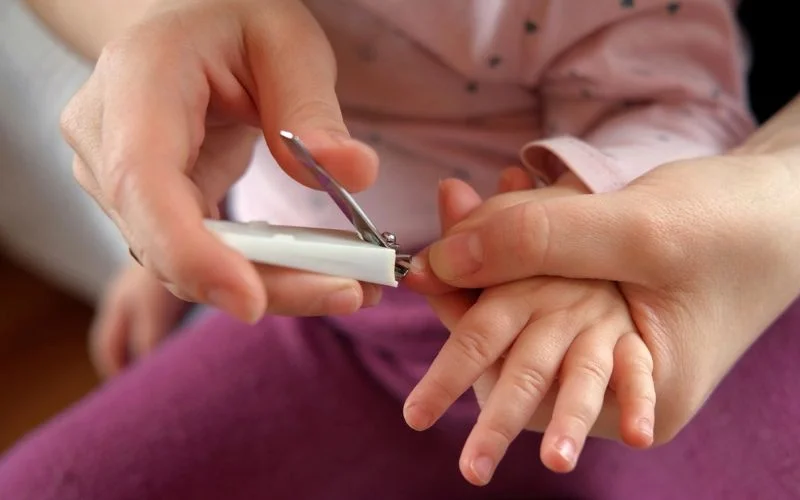
Trimming your baby’s nails can be daunting, especially when their tiny fingers constantly move. However, it is essential for baby nail care to prevent scratching and potential infections. This article will explore the safest way to trim baby nails, ensuring your little one’s safety and comfort.
First and foremost, choosing the right tools for the job is crucial. Baby nail clippers or scissors with rounded tips are recommended to minimize the risk of accidental cuts or injuries. Ensuring the tools are clean and sanitized before use is important to avoid potential infections.
Finding the right time is key when it comes to the trimming process. Many parents find it easier to trim their baby’s nails while asleep, as they are less likely to squirm or pull their hands away. Hold your baby’s hand and press their fingertip pad to extend the nail.
If you are hesitant about using clippers or scissors, an alternative option is to use a baby nail file. This allows for a more gradual and controlled trimming process. Fill the nails in one direction, smoothing any rough edges.
It is important to remain calm and patient throughout the process. Take breaks if needed and ensure your baby feels comfortable and secure. If you accidentally cut your baby’s skin and it starts to bleed, apply gentle pressure with a clean cloth or tissue to stop the bleeding.
In conclusion, trimming baby nails can be challenging, but it can be done safely and efficiently with the right tools, technique, and approach.
Remember to choose the appropriate tools, find the right time, and remain calm and patient. Following these guidelines ensures your baby’s nails are well-maintained and their delicate skin is protected.
Can I Use Regular Nail Clippers on My Baby?
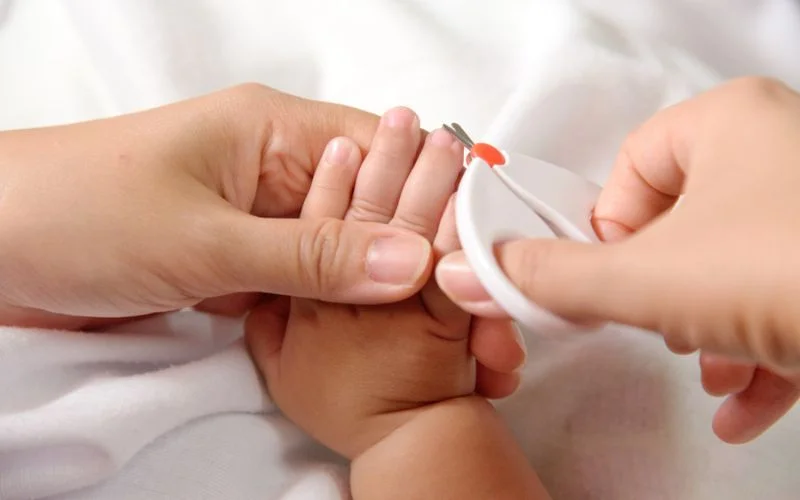
Many parents wonder if they can use regular nail clippers on their little ones regarding baby nail care. It’s a valid concern, as babies have tiny, delicate nails that require special attention.
In this article, we will explore whether or not it is safe to use regular nail clippers on your baby and provide some alternatives that may be more suitable.
Using regular nail clippers on a baby can be risky. The blades of these clippers are designed for adult nails, which are thicker and harder than baby nails. Using them on your baby’s delicate nails can lead to accidents, such as cuts or nicks.
Babies tend to move their hands and feet a lot, making it even more challenging to trim their nails safely.
Instead of regular nail clippers, consider using baby nail clippers or scissors specifically designed for infants. These tools are smaller and have rounded edges, reducing the risk of injury. They are also easier to handle, giving you better control while trimming your baby’s nails.
Another alternative is using a baby nail file. This gentle tool allows you to smooth and shape your baby’s nails without the risk of cutting their delicate skin. It is a safe and effective method, especially for parents nervous about using clippers or scissors.
In conclusion, using regular nail clippers on your baby is not recommended. The risk of injury is too high, given the delicate nature of their nails. Instead, opt for baby nail clippers, scissors, or a nail file designed for infants.
Always ensure good lighting and a calm environment when trimming your baby’s nails to minimize potential accidents.
Remember, baby nail care requires patience and gentle handling. By using the right tools and techniques, you can keep your baby’s nails neat and well-maintained without any harm.
How Do I Prevent Cutting My Baby’s Skin?
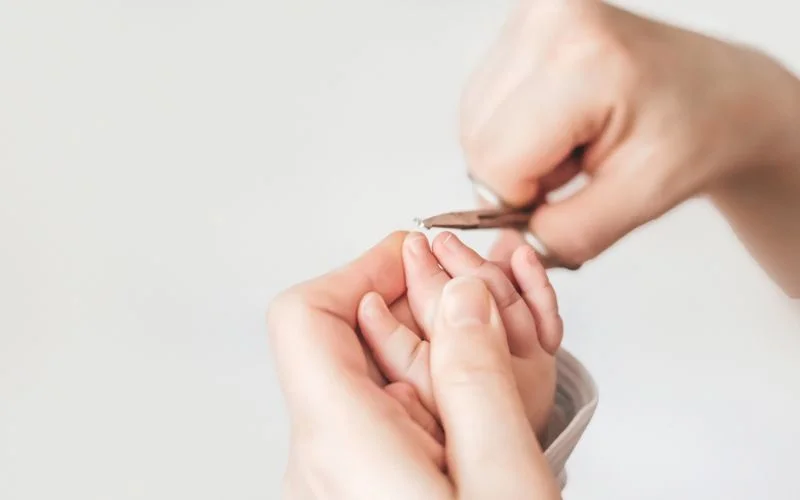
When trimming your baby’s nails, the last thing you want to do is accidentally cut their delicate skin. It can be a nerve-wracking experience for any parent, but with the right techniques and precautions, you can prevent mishaps and keep your baby safe.
One of the most important things to remember is to use the right tools. Investing in a pair of baby nail clippers or baby nail scissors can make all the difference.
These tools are specifically designed for tiny nails and have rounded edges to minimize the risk of cutting the skin. Avoid using regular adult nail clippers as they are too large and difficult to maneuver.
When trimming, hold your baby’s finger or toe firmly but gently. Be careful not to pull or tug on their skin. Use a steady hand and make small, precise cuts. If you’re unsure, it’s better to trim less than to risk cutting their skin. You can always trim more later if needed.
If you accidentally nick your baby’s skin, don’t panic. Apply gentle pressure with a clean cloth or tissue to stop any bleeding. You can also use an antiseptic ointment to prevent infection. Consult your pediatrician if the cut looks deep or doesn’t stop bleeding.
In conclusion, preventing cutting your baby’s skin while trimming their nails requires the right tools, a calm environment, and a steady hand. By following these tips, you can ensure a safe and stress-free nail care routine for your little one.
Should I File or Clip My Baby’s Nails?
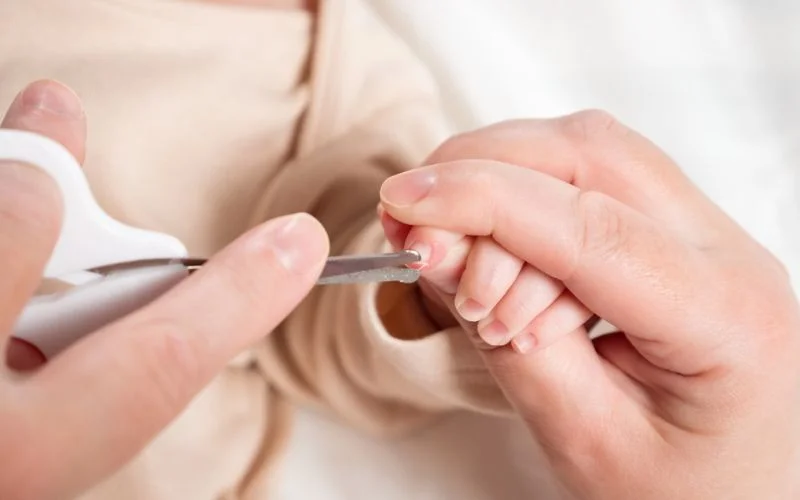
When caring for your baby’s nails, one common question that parents often ask is whether they should file or clip their baby’s nails. Both methods have pros and cons, so look at each option closely.
Clipping your baby’s nails is a popular choice for many parents. It allows for a quick and efficient way to trim their nails.
However, it can be tricky, as babies’ nails are tiny and delicate. To ensure safety, it’s important to use baby nail clippers that have rounded edges and a good grip. Take extra care not to cut too close to the skin, which can cause discomfort or injury.
On the other hand, filing your baby’s nails is a gentler approach. Baby nail files are designed to be safe and gentle on their delicate nails.
Filing allows for more precision and control, making it a suitable option for parents worried about accidentally cutting their baby’s skin. However, it may take a bit longer compared to clipping.
Ultimately, the choice between filing and clipping your baby’s nails depends on your preference and your baby’s comfort level. Some babies may be more tolerant of one method over the other. It’s important to observe your baby’s reaction and adjust accordingly.
In conclusion, whether you file or clip your baby’s nails, the most important thing is to prioritize their safety and comfort. Take your time, be gentle, and use the appropriate tools. Remember, baby nails grow quickly, so regular maintenance is necessary to keep them short and prevent scratching.
By following these tips and considering your baby’s needs, you can confidently choose the best method for you and your little one.
What Do I Do If I Accidentally Cut My Baby’s Skin?
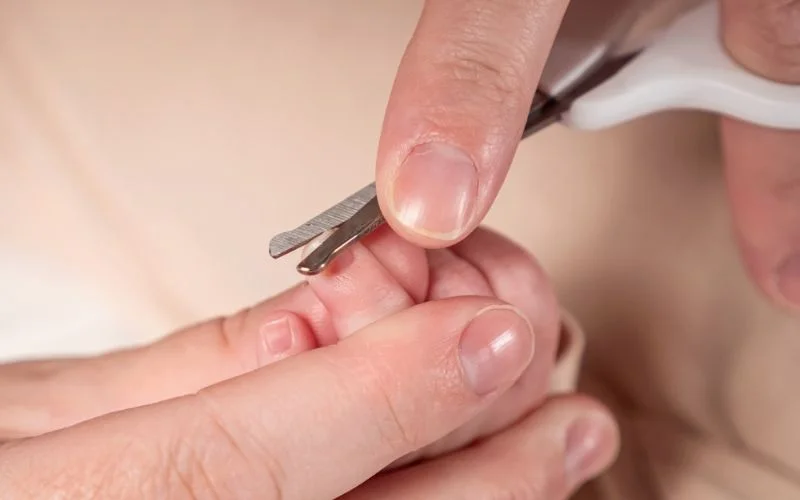
Accidents happen, especially when trimming your baby’s tiny nails. If you find yourself in a situation where you accidentally cut your baby’s skin while trimming their nails, it’s important to stay calm and take the necessary steps to ensure their safety and comfort.
First and foremost, apply gentle pressure to the affected area with a clean cloth or tissue. This will help stop bleeding and provide immediate relief to your baby. It’s important to remember that a baby’s skin is delicate, so even a small cut can seem more significant than it is.
Once the bleeding has stopped, clean the area with mild soap and warm water. Gently pat the area dry with a clean towel, making sure to avoid any further irritation. If you notice any signs of infection, such as redness, swelling, or pus, it’s important to contact your pediatrician for additional guidance.
Add a thin layer of antibiotic ointment or petroleum jelly to the cut to promote healing and prevent infection. This will help to keep the area moisturized and protected. It’s important to avoid using any harsh chemicals or alcohol-based products, as these can further irritate your baby’s delicate skin.
In the future, take extra precautions when trimming your baby’s nails to avoid accidents. Use baby-safe nail clippers or scissors with rounded edges, and trim their nails when calm and relaxed. You can also try using a nail file or emery board to smooth rough edges instead of cutting gently.
Remember, accidents happen, and it’s important not to blame yourself. Following these steps and practicing safe nail care ensures your baby’s nails stay neat and trim without further incidents.
When Can I Start Using Nail Polish on My Baby?
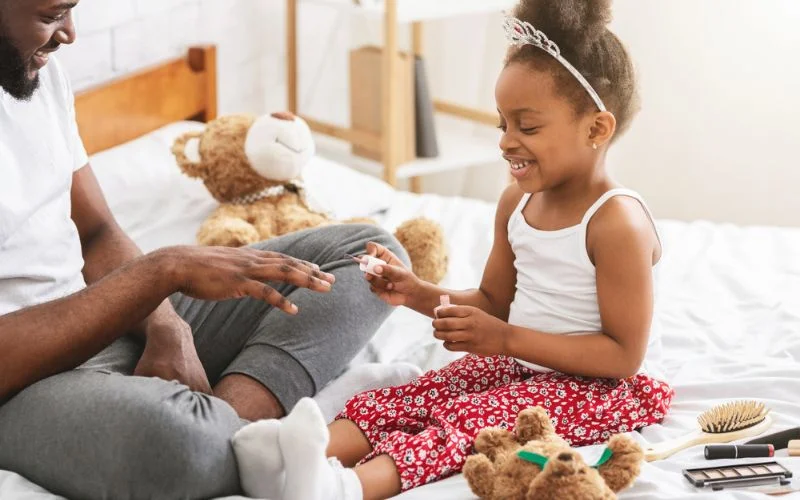
As a parent, it’s natural to want to dress up your little ones and make them look even more adorable. One way to do this is using nail polish on their tiny nails. But when is it safe to start using nail polish on your baby? Let’s explore this topic in the context of our comprehensive guide to baby nail care.
When using nail polish on babies, remember a few considerations. Firstly, ensuring your baby’s nails are strong and healthy before applying nail polish is important. This means regularly trimming and cleaning their nails to prevent infections or discomfort.
Another factor to consider is the type of nail polish you use. Opt for nail polishes specifically formulated for babies or those free from harmful chemicals such as formaldehyde, toluene, and phthalates. These chemicals can be harsh on your baby’s delicate nails and may cause irritation or allergic reactions.
It’s also essential to wait until your baby is old enough to understand the concept of nail polish and not put their fingers in their mouth. This usually happens around 2 or 3 years old when they have better control over their actions.
When applying nail polish on your baby, apply it in a well-ventilated area and avoid using too many coats. Keep an eye on your baby’s nails and remove the polish if you notice any irritation or damage.
In conclusion, while it’s exciting to experiment with nail polish on your baby’s nails, it’s crucial to prioritize their safety and well-being. By following the guidelines mentioned in our comprehensive guide to baby nail care, you can ensure that your baby’s nails remain healthy and beautiful.
Conclusion
Trimming Tiny Nails: A Complete Guide to Baby Nail Care provides valuable information and insights into the best practices for decorating your baby’s nails. Throughout the post, we have covered various topics related to this important aspect of baby care.
We started by discussing the best tools for trimming baby nails. Emphasizing the importance of using baby nail clippers or scissors specifically designed for infants, we highlighted the need for precision and safety when handling such delicate nails.
Next, we addressed the frequency of nail trimming. We recommend trimming your baby’s nails once or twice a week to prevent them from becoming too long and potentially scratching themselves or others.
Safety was a key focus throughout the guide. We discussed the safest way to trim baby nails, emphasizing the importance of good lighting, a calm environment, and securely holding your baby to avoid accidents.
To prevent accidentally cutting your baby’s skin, we provided practical tips such as using a gentle touch, avoiding trimming too close to the skin, and filing the nails if necessary.
Additionally, we discussed the option of filing or clipping your baby’s nails. While both methods are safe, we recommended filing as a gentler approach, especially for newborns.
If you accidentally cut your baby’s skin, we advise applying gentle pressure to stop bleeding and using an antiseptic ointment to prevent infection.
Lastly, we explored when it is safe to start using nail polish on your baby. We recommend waiting until your baby is at least one year old before introducing nail polish, as their nails are still developing.
Thank you for reading our guide on “Trimming Tiny Nails: A Complete Guide to Baby Nail Care.” We hope you found it helpful and empowered you to confidently care for your baby’s delicate nails.

