
Have you ever had gel nails or acrylics and wondered how to safely remove them without damaging your natural nails? Look no further! This comprehensive guide will walk you through the step-by-step process of safely removing gel nails and acrylics, leaving your nails healthy and beautiful.
Gel nails and acrylics have become increasingly popular due to their durability. However, improper removal can lead to weakened and brittle nails, causing frustration and disappointment. That’s why it’s essential to learn the correct techniques for removing these enhancements without causing harm.
This guide will discuss various methods for safely removing gel nails and acrylics, including at-home remedies and professional salon procedures. We will delve into the differences between gel nails and acrylics, highlighting the unique challenges each presents during the removal process.
Additionally, we will explore the importance of proper nail care before and after removing gel nails and acrylics. From moisturizing techniques to nail-strengthening treatments, we will provide all the tips and tricks you need to maintain healthy nails throughout removal.
By the end of this guide, you will have a comprehensive understanding of how to safely remove gel nails and acrylics, ensuring that your natural nails remain strong and beautiful. Whether a nail enthusiast or a professional nail technician, this guide is packed with valuable information to help you achieve the best results possible.
So, let’s dive in and discover the secrets to safely removing gel nails and acrylics. Get ready to say goodbye to those old enhancements and hello to beautifully clean nails!
How to Remove Gel Nails and Acrylics Safely
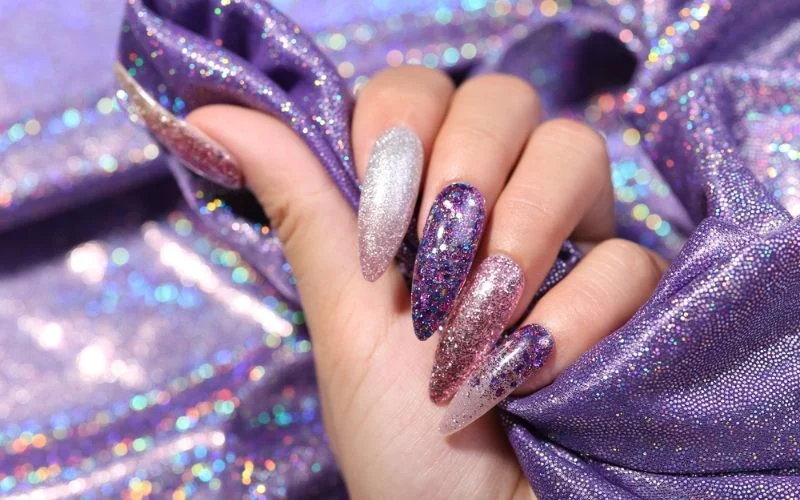
Removing gel nails and acrylics can be daunting, but with the right technique and tools, it can be done safely and effectively. This article will guide you through safely removing gel nails and acrylics.
Firstly, gather all the necessary tools for the removal process. You will need acetone, cotton balls or pads, aluminum foil, a cuticle pusher, and a nail file. Start by filling the top layer of the gel or acrylic nails to remove the shine. This will allow the acetone to penetrate better.
Next, soak a cotton ball or pad in acetone and place it on your nail. Wrap each finger with a small piece of aluminum foil to secure the cotton ball in place. Leave it on for about 15 to 20 minutes to allow the acetone to soften the gel or acrylic.
After the soaking period, gently push off the softened gel or acrylic using a cuticle pusher. Be careful not to apply too much pressure, as this can damage your natural nails. Repeat the soaking process for a few more minutes if there are any stubborn areas.
Once all the gel or acrylic has been removed, use a nail file to shape and smooth your natural nails. Be gentle and avoid filing too aggressively, which can weaken your nails.
Finally, moisturize your nails and cuticles with a nourishing oil or cream to restore moisture and strength. Repeat this process for each pin until all the gel or acrylic has been safely removed.
By following these steps, you can remove gel nails and acrylics safely without causing any harm to your natural nails. Remember to take your time and be gentle throughout the process. You can achieve beautiful, healthy nails with a little patience and care.
How to Remove Gel Nails at Home
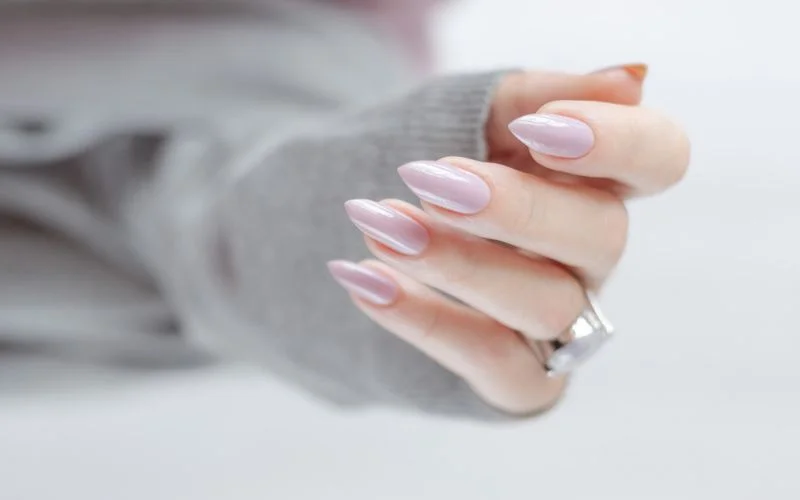
Gel nails have become increasingly popular, offering a long-lasting and durable alternative to traditional nail polish. However, it can be daunting when it comes time to remove them. Fortunately, you can safely remove gel nails at home with the right tools and techniques. In this article, we will guide you through the process.
First, gather all the necessary supplies. You will need acetone, cotton balls or pads, aluminum foil, a nail file, and a cuticle pusher. Make sure you have everything within reach before you begin.
Start by gently filing the top layer of the gel nail to remove the shine. Be careful not to rub too aggressively, as this can damage your natural nails. Next, soak a cotton ball or pad in acetone and place it on the nail. Wrap the nail in aluminum foil to hold the cotton ball in place. Repeat this process for all your nails.
Allow the acetone to work its magic for about 10-15 minutes. This will help soften the gel, making it easier to remove. After the designated time, remove the foil wraps and gently push off the softened gel using a cuticle pusher. If there are any stubborn spots, you can lightly file them away.
Once all the gel has been removed, wash your hands thoroughly with soap and water. Apply nourishing cuticle oil or moisturizer to hydrate your nails and cuticles. This will help restore moisture and prevent any dryness or damage.
Remember, patience is key when removing gel nails. Rushing the process can lead to nail damage or pain. Take your time and follow the steps carefully for the best results.
How to Remove Acrylic Nails at Home
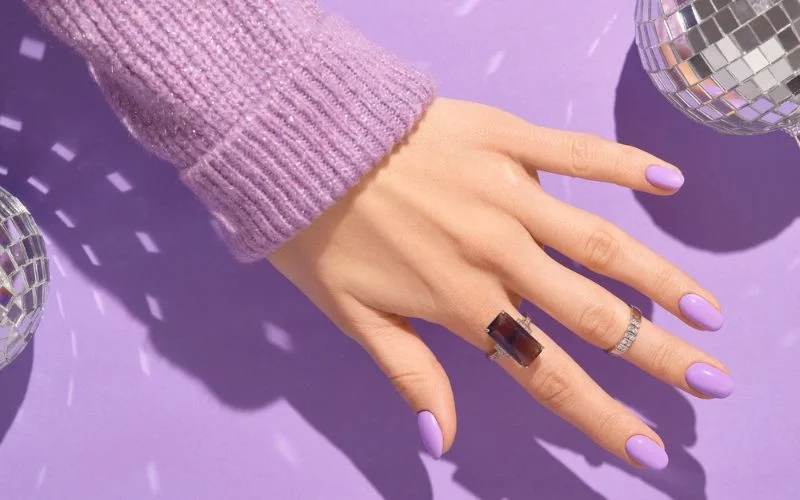
Removing acrylic nails at home can be a simple and safe process if done correctly. Whether you want to switch up your nail look or give your natural nails a pause, here are some steps to help you remove acrylic nails safely.
First, gather all the necessary tools. You will need acetone, cotton balls, aluminum foil, a nail file, and a cuticle pusher. These items are essential for a successful removal process.
Start by filling down the top layer of the acrylic nails. This will help the acetone penetrate the layers more easily. Be gentle and avoid filing too aggressively, as this can damage your natural nails.
Next, soak the cotton balls in acetone and place them on your nails. Wrap each finger with a small aluminum foil to hold the cotton balls in place. Let your nails soak for 15-20 minutes to allow the acetone to break down the acrylic.
After the soaking time, gently remove the foil and cotton balls. Use a cuticle pusher to push off the loosened acrylic gently. Be careful not to force or pry the acrylic off, as this can cause damage to your natural nails.
It’s important to note that if you experience any pain or discomfort during the removal process, it’s best to seek professional help from a nail technician. They have the expertise to safely remove acrylic nails without causing damage to your natural nails.
By following these steps, you can safely remove acrylic nails at home and keep your natural nails looking healthy. Remember to take your time and be gentle throughout the process to avoid unnecessary damage.
What are the Best Products for Removing Gel Nails?
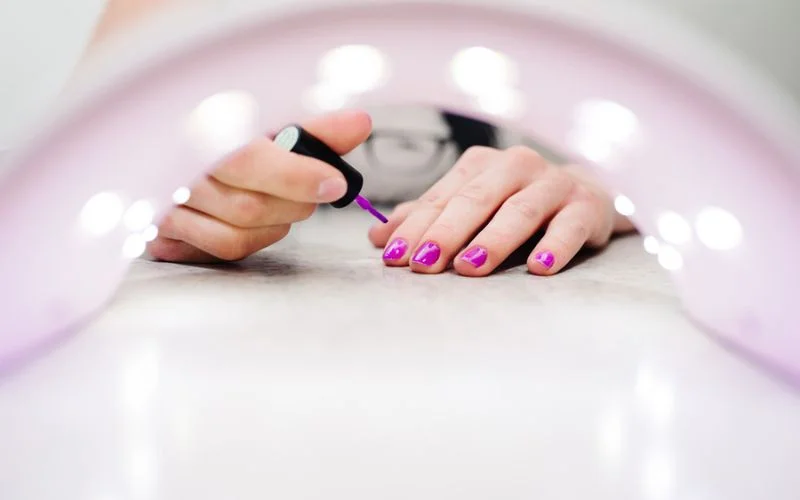
Removing gel nails can be tricky, but it can be done safely and effectively with the right products. Whether you’re a professional nail technician or someone who enjoys doing their nails at home, having the best products for gel nail removal is essential.
This article will explore some of the top products available to help you remove gel nails without causing any damage.
One of the most popular products for gel nail removal is acetone. Acetone is a powerful solvent that effectively breaks down the gel polish, making it easier to remove. You can find acetone-based nail polish removers specifically designed for gel nails.
These removers often come in a liquid form and can be applied using a cotton pad or soaked in foil wraps for a more targeted approach.
Another option for gel nail removal is a gel nail polish remover. These removers are specifically formulated to dissolve gel polish without requiring acetone. They are usually gentle on the nails and cuticles, making them a great choice for sensitive skin.
Gel nail polish removers often come in a gel or cream form and can be applied directly to the nails using a brush or a sponge.
Non-acetone nail polish removers are available if you prefer a more natural approach. These removers are typically made with soy, corn, or vegetable oil.
While they may take longer to remove gel polish compared to acetone-based removers, they are a safer option for those concerned about the potential drying effects of acetone.
In conclusion, having the right products is crucial when removing gel nails. Whether you choose acetone-based removers, gel nail polish removers, or non-acetone alternatives, follow the instructions carefully and take your time to ensure a safe and effective removal process.
What are the Best Products for Removing Acrylic Nails?
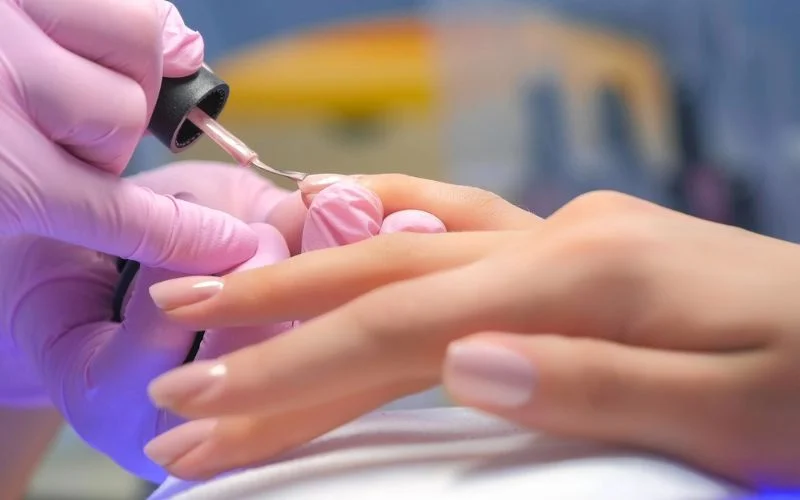
When removing acrylic nails, having the right products on hand is important. The process can be time-consuming and potentially damaging to your natural nails if not done correctly. Luckily, several products are available to help make the removal process easier and safer.
One of the best products for removing acrylic nails is acetone. Acetone is a powerful solvent that breaks down the acrylic, allowing you to remove it easily. You can find acetone at most drugstores or beauty supply stores.
To use acetone, soak a cotton ball or pad in the liquid and place it on your acrylic nails. Secure it with aluminum foil and let it sit for 15-20 minutes. Afterward, the acrylic should be soft enough to scrape off with an orange stick or cuticle pusher gently.
Another popular option for removing acrylic nails is a nail polish remover that contains acetone. These removers are specifically formulated to break down nail polish but can also effectively remove acrylic nails. Look for a remover that has a high acetone content for best results.
If you prefer a gentler option, there are also non-acetone removers available. These removers are typically less harsh on your nails and cuticles but may take longer to dissolve the acrylic.
Non-acetone removers usually contain ingredients like ethyl acetate or propylene carbonate, which work to break down the acrylic without drying out your nails.
In addition to these products, you may also want to invest in a good-quality nail file or buffer. These tools can help you gently file away any remaining acrylic after soaking. It’s important to be patient and gentle during the removal process to avoid damaging your natural nails.
Can I Remove Gel Nails with Acetone?

When safely removing gel nails and acrylics, many wonder if acetone is suitable. Acetone is a common ingredient found in nail polish removers, and it is known for its ability to break down gel and acrylic materials.
However, it is important to understand the proper way to use acetone to ensure a safe and effective removal process.
Acetone can be used to remove gel nails and acrylics, but it is crucial to take certain precautions. First, ensuring that you are working in a well-ventilated area is essential. Acetone can emit strong fumes, which can be harmful if inhaled in large quantities.
Opening windows or using a fan can help dissipate the fumes and provide a safer environment.
To remove gel nails or acrylics with acetone, start by filling the top layer of the nail to remove the shiny finish. This will help the acetone penetrate the gel or acrylic material more effectively. Next, soak a cotton ball or pad in acetone and place it on the nail.
Secure it with aluminum foil or a nail clip to hold it in place. Leave it on for 10-15 minutes to allow the acetone to break down the gel or acrylic.
After the soaking period, gently remove the cotton ball or pad and foil. Use an orange stick or cuticle pusher to scrape off the softened gel or acrylic gently.
Be careful not to apply too much pressure to avoid damaging the natural nail underneath. If there are any remaining traces of gel or acrylic, repeat the soaking and scraping process until the nails are clean.
Can I Remove Acrylic Nails with Acetone?
Acrylic nails have become a popular trend, allowing individuals to have long, beautiful nails without the hassle of waiting for them to grow naturally.
However, there comes a time when you may want to remove them and start fresh. One common method for removing acrylic nails is by using acetone. But is it safe? Let’s explore this question further.
Acetone is a powerful solvent that is commonly used in nail polish remover. It breaks down the acrylic material, making it easier to remove.
However, it is important to note that acetone can be harsh on the nails and skin if not used properly. It can cause dryness, brittleness, and irritation. Therefore, taking precautions when using acetone to remove acrylic nails is crucial.
To safely remove acrylic nails with acetone, you must gather a few supplies. These include acetone, cotton balls or pads, aluminum foil, a nail file, and a cuticle pusher. Start by filling the top layer of the acrylic nails to remove the shiny finish.
Next, soak a cotton ball or pad in acetone and place it on top of each nail. Wrap each finger with aluminum foil to hold the cotton ball in place. Leave it on for 15-20 minutes to let the acetone penetrate the acrylic.
After the designated time, remove the foil and cotton balls. Gently push off the softened acrylic using a cuticle pusher. If there are any stubborn areas, you can repeat the process or use a nail buffer to smooth them out.
Once all the acrylic has been removed, wash your hands thoroughly and apply a moisturizing lotion to rehydrate your nails and skin.
Are There Any Alternatives to Acetone for Removing Gel Nails?
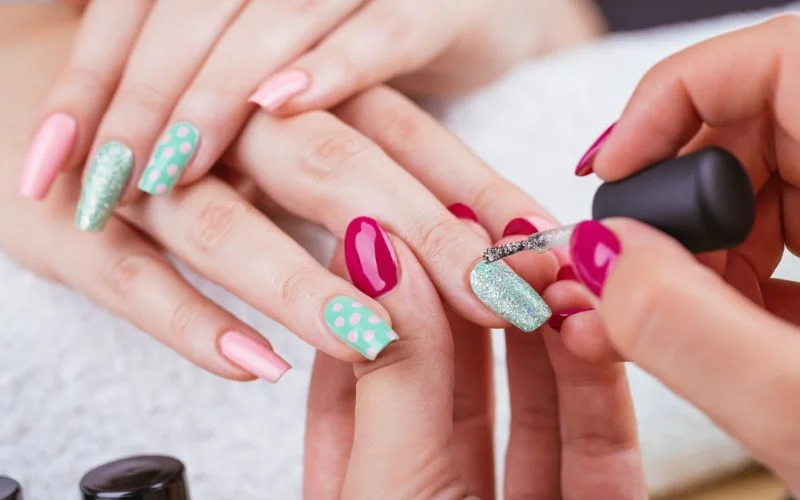
When removing gel nails, acetone is often the go-to solution. However, some may prefer to explore alternatives due to concerns about acetone’s strong odor and potential skin irritation. If you’re looking for alternatives, a few options are worth considering.
One alternative to acetone is using a non-acetone nail polish remover. While removing the gel nails may take a bit longer compared to acetone, non-acetone removers are generally milder and less harsh on the skin. Look for a remover stating it can remove gel nails to ensure effectiveness.
Another option is using isopropyl alcohol, also known as rubbing alcohol. This can be an effective alternative for removing gel nails, although it may take more time and effort than acetone.
Soak a cotton ball or pad in the alcohol and place it on the nail, securing it with aluminum foil. Leave it on for 10-15 minutes before gently scraping off the gel.
Some people have also found success using warm water and gentle soap to soak their nails. This can help soften the gel, making it easier to remove. However, this method may require more time and patience, as the gel may not come off as easily as with acetone or other alternatives.
It’s important to note that while these alternatives may work for some individuals, they may not be as effective as acetone in all cases. If you’re unsure or have concerns, it’s always best to consult a professional nail technician who can safely remove your gel nails without causing any damage to your natural nails.
In conclusion, alternatives are available, while acetone is the most commonly used method for removing gel nails. Non-acetone nail polish removers, isopropyl alcohol, and warm water with gentle soap can all be effective options, although they may require more time and effort.
Conclusion
Safely removing gel nails and acrylics is crucial to maintaining healthy and beautiful nails.
Throughout this post, we have covered various topics related to this keyword, including how to remove gel nails and acrylics safely at home, the best products for removing gel nails and acrylics, alternatives to acetone for gel nail removal, and the use of acetone for acrylic nail removal.
We have learned that when it comes to removing gel nails, it is important to file off the top layer of the gel polish before soaking them in acetone.
This process helps the acetone penetrate the gel layers more effectively, resulting in easier removal. Additionally, we have explored the step-by-step process of removing acrylic nails at home, which involves soaking them in acetone and gently filing them down.
Looking ahead, it is important to stay updated on any future developments or trends in the nail industry that may impact the removal process of gel nails and acrylics. New products and techniques may emerge, offering even safer and more efficient methods of nail removal.
Thank you for taking the time to read this post. We hope the information provided has helped guide you through safely removing gel nails and acrylics.
We encourage you to leave any comments or feedback and share your own experiences or tips on this topic. Remember, taking care of your nails is essential for overall health and appearance.

