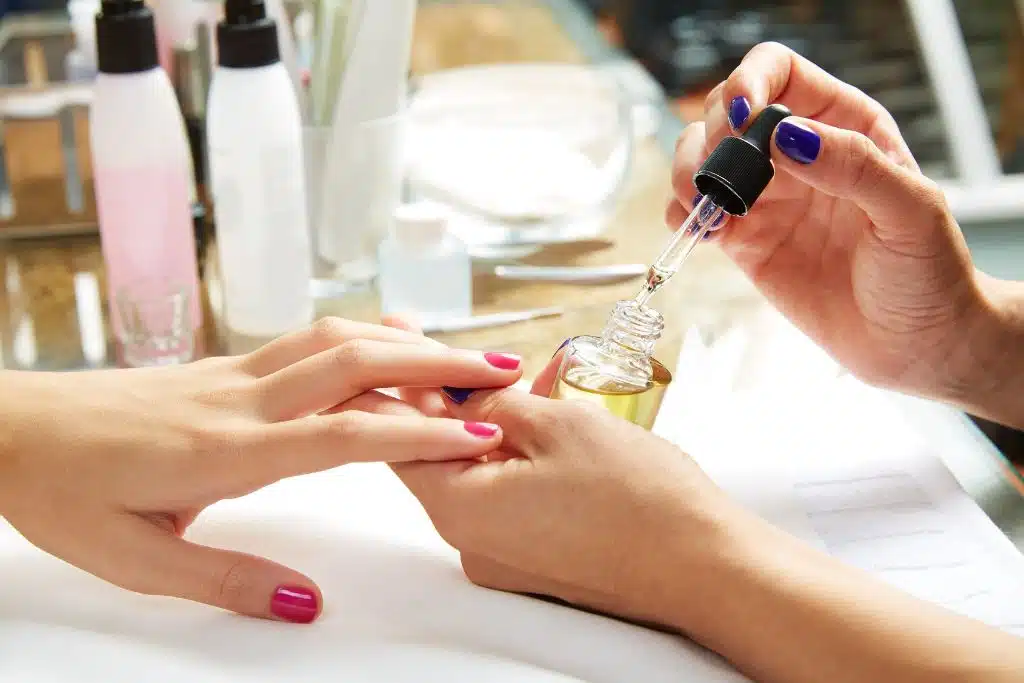
While perfectly manicured nails can make you feel glamorous, for those who opt for glue-on or Dip Powder artificial nails, you may want to think twice about Artificial Nail Products.
Not only are there obvious risks to the misuse of these products (hello, ripped cuticles!), but there are some lesser-known risks you might not know about.
In this post, we’ll look at the hidden dangers of artificial nail products and offer practical ways to stay safe. So read on, fellow nail fanatics, for knowledge truly is power!
Quick Recap of Key Points
Using artificial nails can increase the risk of developing allergic reactions and skin irritation due to the chemicals used in some products.
Properly cleaning or removing artificial nails can also be difficult, leading to further skin issues or bacterial growth.
Risk of Harmful Chemicals
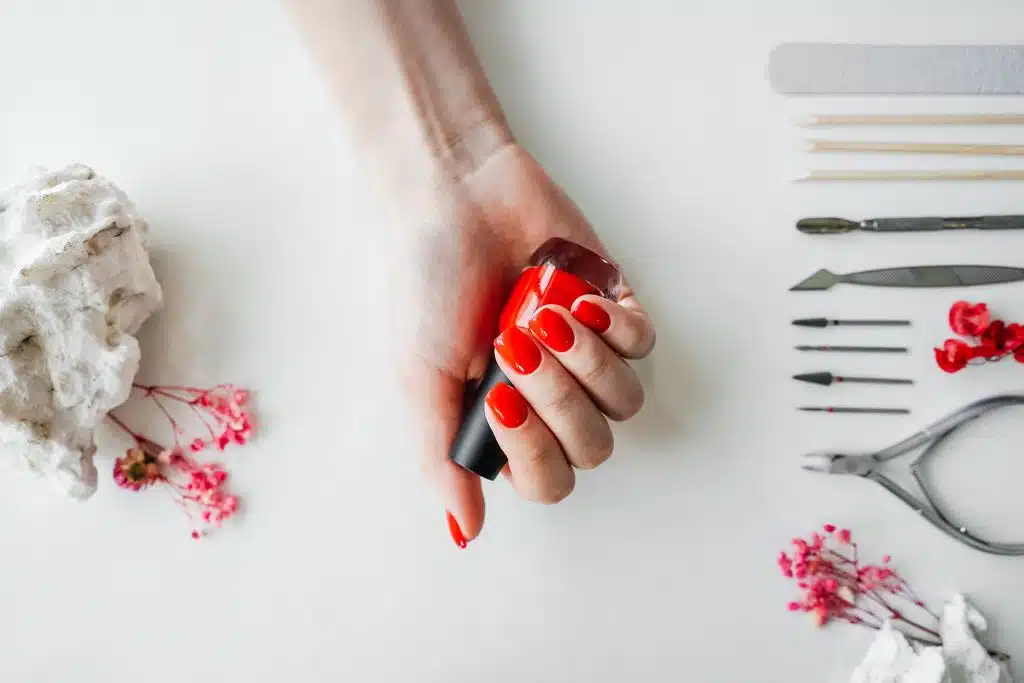
The use of artificial nail products can potentially cause harm to the health and safety of individuals due to the presence of harmful chemicals.
The most ubiquitous additives are plasticizers and solvents, which are often toxic to some degree. These substances allow the nail product more flexibility and durability but, in some cases, can trigger skin allergies and irritations.
In severe cases, this can lead to contact dermatitis or even a respiratory reaction that can be debilitating to an individual’s quality of life.
On the other hand, high concentrations of these substances have been linked to an increased risk of cancer in some instances, but it remains difficult to pinpoint exactly what levels constitute a threat.
Moreover, in some cases, the naturally occurring acidic environment of the nail bed may further increase the absorption of the toxins.
While many of these chemicals have only been linked to serious threats in rare occurrences, it is worth considering the potential risks with any artificial nail product before using them.
In light of these potential harms caused by chemical exposure from artificial nail products, caution should be taken when using them.
Furthermore, individuals should always practice safe practices such as washing hands before applying any adhesive or substance that is not specifically recommended for use on natural nails—and always seek medical attention if any signs or symptoms arise during use.
By being aware of the potential pitfalls associated with artificial nail products, users can make better decisions when choosing those that best suit their needs while protecting their health.
Risk of Infections
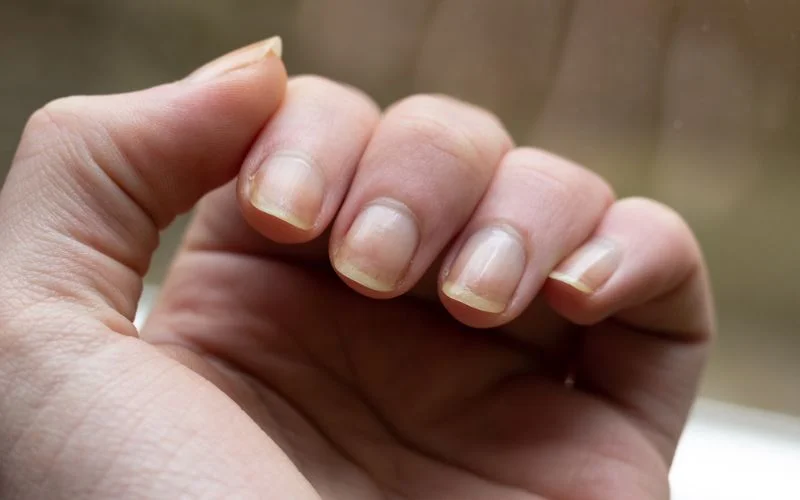
Artificial nail products can also increase the risk of infections, especially in a professional salon.
Generally, salon etiquette would indicate the use of separate tools on each and sterile instruments overall, but this is not always followed properly or strictly enforced.
Bacteria and fungi can survive on surfaces where artificial nails are applied, and if not disinfected properly, can cause serious infections that can spread to other body parts.
Additionally, any damage or weakening of natural nails can lead to injuries and cuts in which bacteria can enter the body’s system.
Therefore, repeated application and removal of artificial nails may diminish the skin’s natural protective barrier, leaving it vulnerable to contamination and infection.
The degree of infection risk depends on how practiced and cautious the application process is, but there is always an element of potential danger.
Keeping this in mind, individuals should consider their abilities, investment of time, and safety practices when deciding whether to get artificial nails done professionally or with over-the-counter products.
Before making any decisions, consult a licensed physician for more information about potential health risks associated with artificial nail products.
As such, essential precautions must be taken with artificial nail products. It is also important to be aware of other potential risks they pose; while chemically-based allergic reactions are one such risk, contact dermatitis is another that requires careful consideration.
Allergic Reactions to Artificial Nail Products
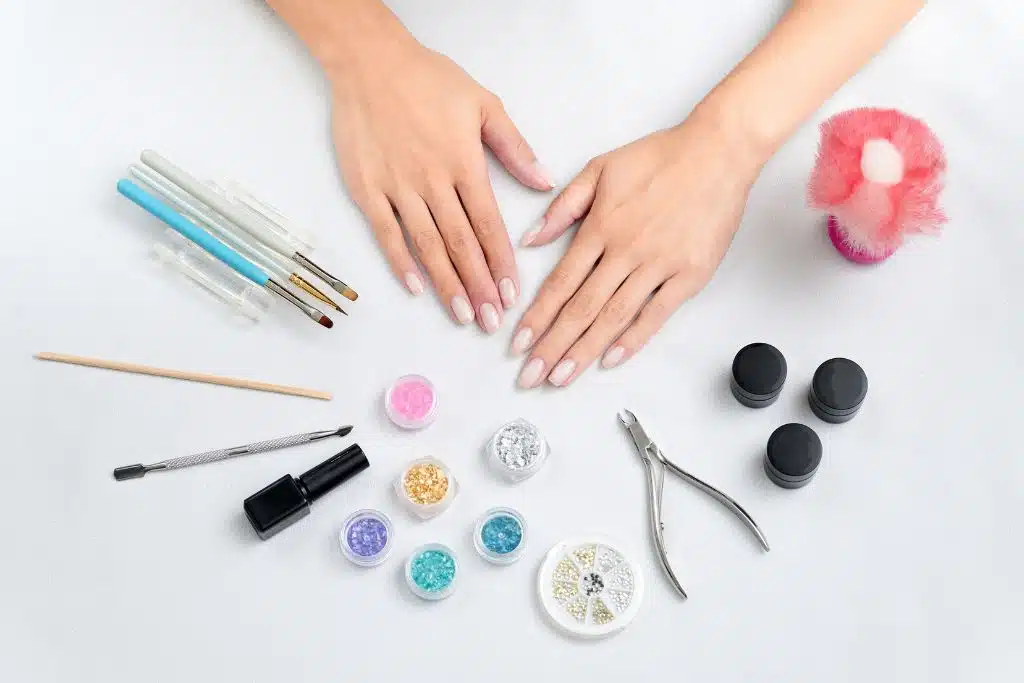
Following the risk of infections associated with artificial nail products, more dire health concerns come from allergic reactions.
Those with known allergies to glues, sealants, and UV light exposure should be mindful of their reaction to these products.
Acrylic nails have been known to cause runny noses, skin rashes, and a dry cough, while gel-based products require careful attention as they may cause an itchy skin condition called contact dermatitis.
Those who find themselves sensitive to these potential allergens should opt for liquid & powder or dip powder manicures and pedicures free of toxic chemicals.
However, even less harsh products can give rise to chemical sensitivities, so thorough research into the ingredients is advised before any nail product is applied.
When being exposed to unknown substances, consumers should stay aware of common symptoms such as redness, swelling, and itching around the nail bed that might arise. Educating oneself about all possible reactions can go a long way in safeguarding one’s health.
Thus, knowing the evidence is key to making an informed decision before moving forward with any beauty service.
- A study from 2014 found that acrylic nails may cause contact dermatitis in 1.3% of people in beauty salons.
- A 2011 survey estimated that approximately 30% of manicurists experienced respiratory symptoms such as shortness of breath and wheezing due to exposure to chemicals and dust in the salon environment.
- An investigation published in 2012 concluded that workers exposed to fumes from acrylic nails had a higher risk of developing asthma compared to those not exposed.
Common Symptoms
Allergic reactions to artificial nail products can be uncomfortable, but in most cases, they can be avoidable with proper measures.
To diagnose whether an allergic reaction has occurred, it is important to recognize the common symptoms.
These symptoms could include contact dermatitis (skin inflammation or red rash appearing often at the site of exposure), swollen areas around the mouth or eyes caused by a reaction to an irritant, and shortness of breath due to chemical irritation.
Allergic reactions may also cause chronic symptoms such as headaches, respiratory problems, digestive disorders, or other diseases.
Though the symptoms of an allergic reaction may vary from person to person based on the sensitivity of their body and the products used, it is important to recognize them if they occur to prevent further reactions.
Individuals can reduce future reactions by recognizing the signs and taking precautions to minimize contact with allergens in artificial nail products.
To ensure that artificial nail products do not compromise your health, it’s important to understand how best to treat these reactions when they occur.
Therefore, we’ll now focus on understanding how you can help relieve the discomfort associated with an allergic reaction caused by these products.
Must-Know Points
Allergic reactions to artificial nail products can be uncomfortable but avoided with proper measures.
Common symptoms of an allergic reaction include contact dermatitis, swollen areas around the mouth or eyes, and shortness of breath.
Chronic symptoms like headaches, respiratory problems, and digestive disorders may also occur. To ensure these products do not compromise your health, it’s important to understand how to treat any reactions when they do occur.
How to Treat Them
The most important factor in treating the hidden dangers of artificial nail products is to identify and address the root cause and treat the most immediate symptoms, such as irritation, rash, and other signs of an allergic reaction.
For those dealing with milder cases, it can often be sufficient to stop using artificial nail products until the faintest traces have left your body. This could minimize any further skin irritation and alleviate symptoms in some cases.
However, seeking medical advice or testing for potential allergies specific to certain ingredients may be necessary for more severe cases of allergic reactions.
Those already aware that they have a specific allergy or sensitivity should only use artificial nail products formulated without any trace amounts of their allergen included in the ingredients list.
Moreover, proper safety protocol must always be followed when using artificial nails — such as wearing properly fitted gloves and always storing away any supplies out of reach from children — as this can be one additional layer of protection against potential irritants.
Overall, various treatments are available for those suffering from the hidden dangers of artificial nail products.
It is best to consider each individual’s unique circumstances and seek medical advice to determine the most appropriate solution for their particular case.
Although these treatments may help provide short-term relief and symptom management for those affected by artificial nail products, it is also important to consider and understand the long-term effects that these products could have on our bodies and health.
Short and Long-Term Effects on Health with Artificial Nail Products
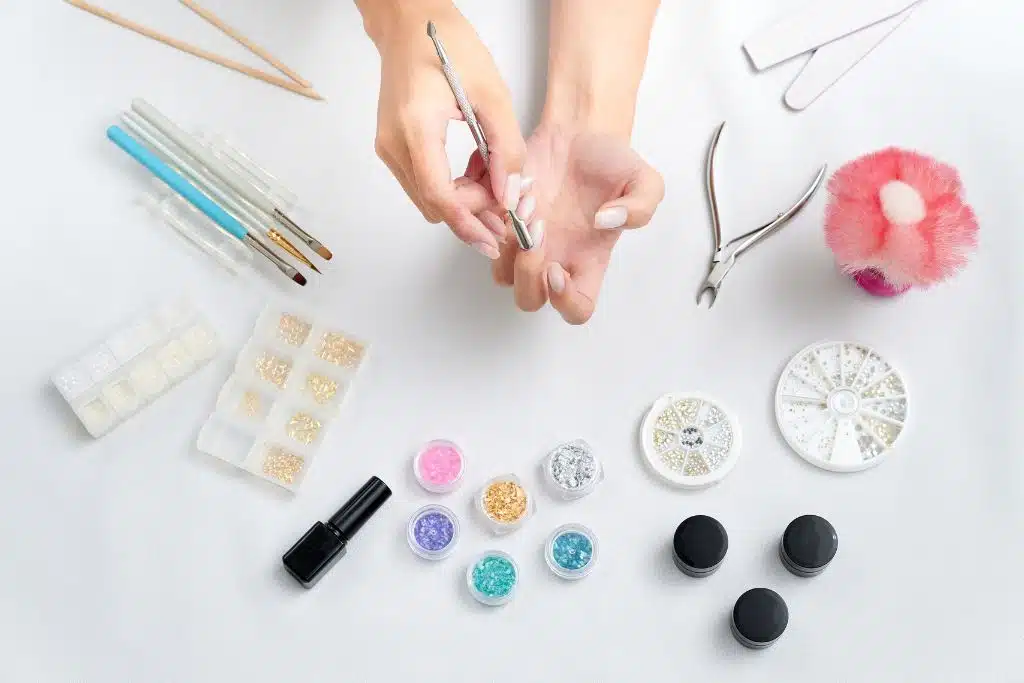
Artificial nail products’ short- and long-term health effects are a legitimate concern for consumers. The impact of these chemicals can range from mere skin irritation to more serious results, such as liver damage.
Acetone, for example, is commonly found in many nail product formulas and has been linked to respiratory irritation, headaches, dizziness, and even fertility issues in extremely high concentrations.
The American Chemistry Council (ACC) notes that when used as instructed and in small amounts, acetone is generally safe but cautions to avoid direct contact with the eyes and mouth while using it and during its disposal.
It is important to consider the more long-term effects as well. Inhaling chemicals such as ethyl methacrylate can cause asthma, contact dermatitis, immune system suppression, and cancer.
While scientific studies surrounding the long-term use of these chemicals are still inconclusive, it’s best to err on the side of caution before subjecting yourself to any potential risk.
The only way to reduce or eliminate exposure to potentially hazardous materials when using artificial nails is by carefully examining all product labels before purchase, familiarizing yourself with all ingredients, and consulting a qualified professional when necessary.
With an informed understanding of the risks involved and proper safety precautions, consumers can remain aware of the hidden dangers of artificial nail products while minimizing their long-term impact on health.
Now that we have considered the risks associated with artificial nails let’s examine what can happen if those products are misused or applied incorrectly.
This leads us to topics related to damaged nail beds and other issues arising from poor maintenance or wrong usage during application.
Damaged Nail Bed & Other Issues
Damage to the nail bed and other issues are also a concern when using artificial nail products. Overuse and extended exposure to acrylics and gels can cause nails to turn yellow and become brittle, and splitting or cracking may occur.
This is due to the drying and weakening of the underlying natural nail from the absorption of the chemical components in artificial nails. Nail beds can also permanently thicken, causing nails to look unusual after removing acrylics or gels.
They suggest these products are safe if applied correctly and can provide longer-lasting manicures with less damage than traditional methods.
Further, they consider the potential damage an acceptable risk because of the aesthetic benefits of extended wear.
Opponents note that there is no way to predict how individuals will react to artificial nails as every individual has different sensitivity levels.
There is also disagreement between experts on whether or not double coating or using multiple layers contributes to a greater risk of harm than single coatings.
Furthermore, adhesive allergies are more likely due to chemicals in artificial nail adhesives. However, those are easily avoided through proper product selection for users with sensitive skin.
Overall, any long-term exposure to chemicals carries an inherent danger that could result in long-term damage or health consequences for users unaware of their risks when using such products.
Here are some artificial nail products that you can try
Acrylic nails: Acrylic nails are made from a liquid monomer and a mixed powder polymer to create a hard, durable pin. They can be applied by a professional or at home with a kit.
Press-on nails: Press-on nails are pre-made nails applied to the natural nail with adhesive. They are a quick and easy way to get a salon-quality manicure without going to the salon.
Gel nails: Gel nails are made from a gel polish that is cured under a UV light. They are similar to acrylic nails in durability but are more flexible and less likely to break.
Shellac nails: Shellac nails are a type of gel nail that is applied in a single layer. They are easy to use and remove and last up to two weeks.
When choosing artificial nails, it is important to consider the following factors.
Your lifestyle: If you are active and your nails are prone to breaking, you may want to choose a more durable option, like acrylic nails. Press-on nails may be a better option if you want a quick and easy way to get a manicure.
Your budget: Artificial nails can range in price from a few dollars to several hundred dollars. It is important to find a set that fits your budget.
Your desired look: Many different styles of artificial nails are available, so you can find a set that matches your style.
Starting with a basic set is a good idea if you are new to artificial nails. You can experiment with different styles and colors once you apply and remove fake nails.
FAQs:
What are the health risks associated with artificial nail products?
The health risks associated with artificial nail products vary depending on the type of product used. For example, many gels, glues, and adhesives contain chemicals that can irritate or inflame the skin around the nails or even cause an allergic reaction.
Additionally, strong odors from the products used for artificial nails may irritate the nose, throat, or lungs.
Finally, improper removal of artificial nails can damage the natural nail bed or expose one to various bacteria under the fake nails.
How do I know if an artificial nail product is safe to use?
When choosing an artificial nail product, the best way to know if it is safe is to read the label and look for specific certifications.
Organizations like the FDA, cosmetology boards, or dermatological associations will certify a reliable product.
Additionally, you can check online for verified users’ reviews and ratings of artificial nail products.
Researching a product will help ensure its safety before using it on your nails.
Are there any safer alternatives to artificial nail products?
Yes, there are safer alternatives to artificial nail products available. Non-toxic and nontoxic gel polish is an excellent option for those looking for a safe choice to other toxic fake nails.
Gel polishes do not require harsh chemicals or ultraviolet lighters to cure, reducing the risk of developing allergies or skin irritations normally associated with prolonged exposure to harsh chemicals.
These nails allow you to customize your look without sacrificing safety, as they are free of phthalates, formaldehyde, and toluene.
Lastly, some natural nail polishes made with non-toxic ingredients, such as soybean and tea tree oil, can provide a great alternative for protecting your nails from damage.
Related Articles:
Nail Care System 101: Nourish and Strengthen Nails Naturally

