
The debate over whether lash glue can be used as a substitute for nail glue has intrigued beauty enthusiasts, prompting an exploration of the distinctions between these two adhesives. While both serve the common purpose of adhering items to our bodies, lash glue is meticulously crafted for attaching false eyelashes to the lash line, offering quick-drying clarity and hours of secure hold. In contrast, nail glue is formulated to bond artificial nails or tips to our natural nails, featuring a more robust adhesive designed to endure the rigors of daily activities.
Despite similarities in ingredients, such as cyanoacrylate, lash, and nail glues differ in concentration and formulation. Lash glue typically contains a lower cyanoacrylate concentration, rendering it less durable than its nail glue counterpart. Although lash glue may seem like a convenient substitute, it presents potential risks, such as diminished adhesion and premature lifting of artificial nails. The distinct formulations of lash glue and nail glue may also impact the health of natural nails. Therefore, using the appropriate nail glue for longevity and optimal health of artificial nails is generally advised. Stay tuned for our upcoming exploration of the world of nail glue, offering insights into proper application and maintenance.
Can You Use Lash Glue as Nail Glue?
Regarding beauty products, the possibility of using lash glue as an alternative to nail glue is a common consideration. Let’s delve into this inquiry to discern if these two adhesive products can be interchangeable.
Understanding Formulation and Purpose
Despite their shared purpose of adhesion, lash glue, and nail glue have distinct formulations. Lash glue is crafted for the delicate skin around the eyes, ensuring safety. In contrast, nail glue is formulated to withstand daily wear and tear, providing a strong bond for artificial or natural nails.
Risks of Substituting Lash Glue for Nail Glue
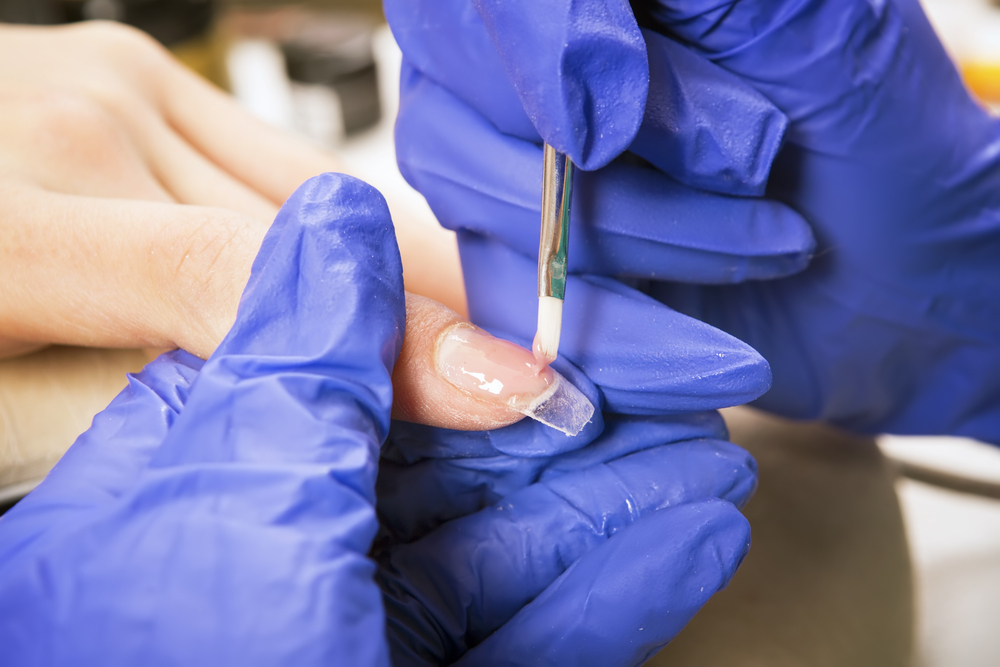
While using lash glue for nails may be tempting, it is not recommended due to potential risks. Lash glue may not endure the same conditions as nails, potentially resulting in weak bonding and the risk of nails lifting or popping off prematurely.
Variances in Application Methods and Consistency
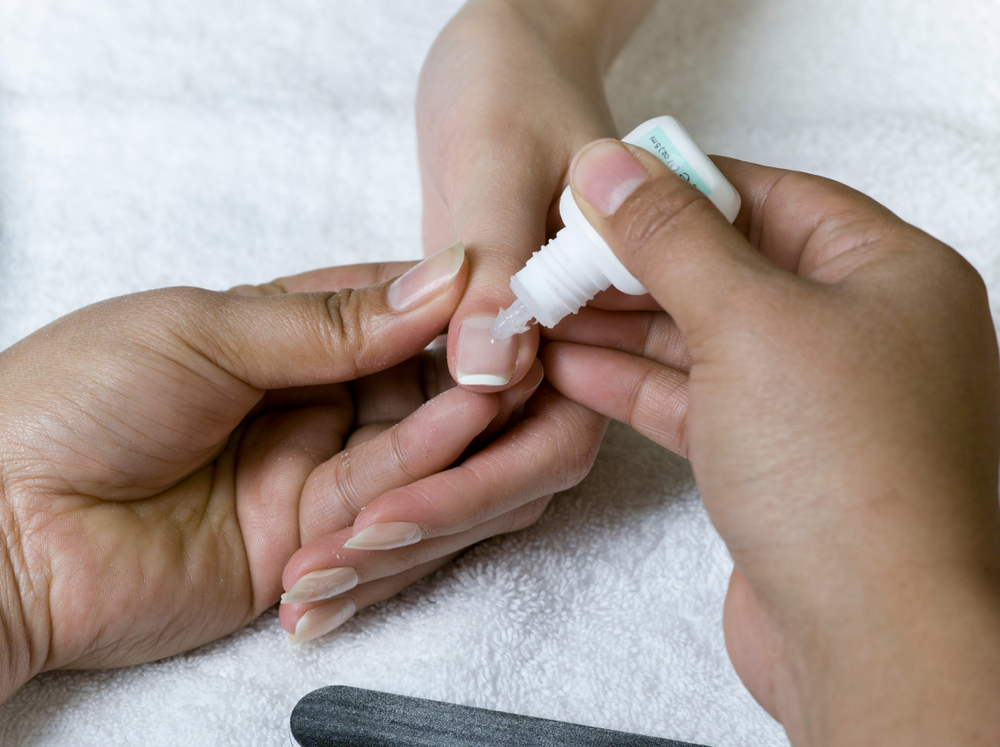
Lash glue and nail glue differ not only in formulation but also in application methods. Lash glue typically comes with a brush applicator, while nail glue is often dispensed through a small bottle nozzle for precise application. These glues’ consistency and drying time further contribute to their incompatibility for interchangeability.
Importance of Using Nail Glue for Nail Enhancements
Difference Between Lash Glue and Nail Glue
Although both adhesives are in the beauty industry, lash and nail glues have different purposes and notable differences in formulation, drying time, and strength. While some may consider using lash glue as a substitute for nail glue, understanding these distinctions is crucial to avoid weak bonds and premature detachment.
| Aspect | Lash Glue | Nail Glue |
|---|---|---|
| Formulation | Latex or latex-free base for flexibility and gentleness on delicate eye skin withstands moisture and oils. | Cyanoacrylate base is a strong adhesive for bonding natural nails and artificial extensions. |
| Drying Time | Quick drying for easy application of false eyelashes. | Longer drying time to ensure a strong bond with artificial extensions on natural nails. |
| Strength Level | Not designed to withstand everyday stress like typing or dishwashing, it may not hold up well under these conditions. | Formulated to endure daily activities, providing a strong and durable bond lasting for weeks. |
Can Lash Glue Damage Your Nails?
Key Points
- Lash glue and nail glue have different formulations, with lash glue designed for delicate eyelid skin and nail glue for the tougher nail surface.
- Lash glue’s strong and adhesive nature raises concerns about potential damage, especially when removing false nails.
- Lash glue may lack the durability and resistance to daily activities that nail glue provides, increasing the risk of premature lifting or detachment of false nails.
- While lash glue might seem convenient, the differences in formulation and strength make it unsuitable for nail use.
- To ensure nail health and integrity, it is recommended to use nail glue specifically designed for its intended purpose.
Can Nail Glue Be Used for Lash Extensions?
A common query arises regarding using nail glue for lash extensions when considering beauty trends. While it might appear as a convenient solution, it’s crucial to recognize the distinctions between nails and lashes to make informed choices.
Formulation and Purpose Disparities
Potential Eye Irritation and Allergic Reactions
Using nail glue for lash extensions can pose risks, as the strong chemicals in nail glue may irritate the eyes, leading to redness, itching, or even allergic reactions. The eye area’s sensitivity necessitates using products designed to be safe and gentle.
Thickness and Flexibility Concerns
Nail glue tends to be thicker and less flexible than lash glue, potentially causing discomfort and resulting in a less natural-looking appearance. The specific consistency and flexibility of lash glue contribute to the comfort and aesthetics of lash extensions.
Limited Longevity of Adhesion
Discouraging the Use of Nail Glue as a Substitute
How Long Does Lash Glue Last on Nails?

Can You Use Nail Glue for Eyelashes?
Using Nail Glue for Individual Lashes

Individual lashes are popular for achieving a natural and customizable look in beauty routines. However, using the right adhesive is crucial, leading to the question of whether nail glue can be an alternative to lash glue. This section aims to address this query, offering insights to guide a well-informed decision.
Formulation and Intended Uses
Nail glue and lash glue, despite both being adhesives, differ significantly in their formulations and intended purposes. Nail glue is specifically crafted to bond artificial nails to natural ones, while lash glue is formulated for the delicate skin around the eyes.
Risks and Potential Harm
Utilizing nail glue for individual lashes poses potential risks and can be harmful. The sensitive skin around the eyes is more delicate than that on the nails. The strong adhesive nature of nail glue may lead to irritation, redness, and damage to the eye area, emphasizing the unsuitability of this substitution.
Lack of Flexibility and Longevity
When applied to individual lashes, nail glue may lack flexibility and longevity. Lash glue better meets the unique requirements of lash adhesion, providing flexibility and extended wear. Nail glue might result in premature lash fallout, compromising the overall effectiveness of the application.
Safety and Longevity with Lash Glue
Discouraging the Use of Nail Glue
Is Lash Glue Stronger Than Nail Glue?
Conclusion
In summary, avoid interchangeability between lash and nail glue due to their distinct compositions and purposes. Lash glue, designed for eyelash extensions, and nail glue, formulated for artificial nails, have significant differences that may lead to subpar results or damage when used interchangeably. The stronger adhesives in lash glue can be harsh on the delicate nail bed, potentially causing brittleness and breakage.

