

Are you a nail polish hoarder with bottles that date back to the last decade? Or maybe you’ve just ended up on a gloopy one hiding at the back of your drawer for too long. Either way, it’s time to say goodbye. However, disposing of nail polish is not as straightforward as tossing it into your regular trash can. Improper disposal can harm our environment due to the toxic chemicals found in polish. On your quest for beautiful nails, let us ensure we also keep our planet beautiful! Learn sustainable and safe methods for dispatching your old or unused nail polish. Do it correctly; do it responsibly.
To safely dispose of nail polish, taking it to a local household hazardous waste facility is recommended. Nail polish is a toxic substance and should not be thrown in regular trash or poured down the drain. Proper disposal helps protect the environment and ensures that the chemicals in nail polish are handled and disposed of correctly.
Understanding the Hazards of Nail Polish Disposal
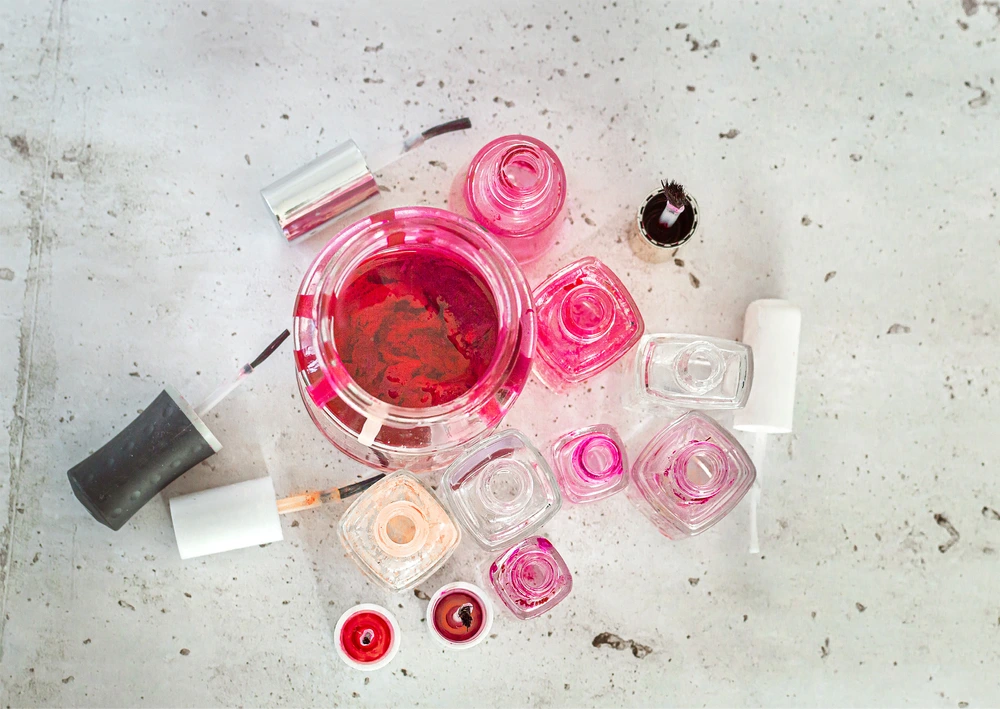
Many people enjoy having beautifully manicured nails, and nail polish plays a significant role in achieving the desired look. However, it’s essential to consider the proper disposal of nail polish once it reaches the end of its life cycle. Nail polish contains chemicals considered toxic substances, making it unsafe for disposal in regular trash or down the drain. Understanding the hazards associated with nail polish disposal is crucial to protect our health and the environment.
Why Regular Disposal is Dangerous
The conventional method of disposing of nail polish by throwing it in the regular trash can harm our surroundings. Nail polish bottles are typically made of glass or plastic, and neither are biodegradable. When these bottles end up in landfills, they accumulate waste that takes hundreds of years to break down.
Additionally, the liquid contents of nail polish can be harmful if they come into contact with soil or water sources. The chemicals present in nail polish, such as formaldehyde, toluene, and dibutyl phthalate (DBP), can contaminate soil and pollute water when improperly discarded.
It’s evident that regular disposal methods pose significant environmental risks and potentially compromise public health. To ensure safe and environmentally friendly nail polish disposal, we must explore alternative methods that consider these hazards.
The conventional method of disposing of nail polish can harm the environment and public health. The non-biodegradable nature of nail polish bottles contributes to long-lasting waste accumulation in landfills. Additionally, the harmful chemicals present in nail polish can contaminate soil and pollute water sources when not properly discarded. Exploring alternative methods that minimize these risks is important to ensure safe and environmentally friendly disposal.
Safe Removal of Nail Polish from Bottles

When disposing of nail polish, it’s crucial to remove the product from its bottles safely. Emptying the contents ensures that the remaining bottle can be properly cleaned and potentially recycled. There are a few methods you can employ for this purpose.
The most efficient way to remove nail polish is by using non-toxic solvents. One popular option is acetone, commonly found in nail polish removers. Acetone helps break down the polish and makes cleaning the bottle easier. However, remember that acetone has a strong odor and should be used in a well-ventilated area.
Another alternative solvent is ethyl acetate, which is less harsh and has a milder smell than acetone. It can also effectively dissolve nail polish, allowing easy removal from the bottle. Ethyl acetate is considered a more environmentally friendly choice and can be found in certain nail polish removers marketed as “natural” or “eco-friendly.”
For those looking for even safer options, rubbing alcohol or isopropyl alcohol can be used as solvents to remove nail polish. These substances are generally less harmful than acetone or ethyl acetate and still work efficiently in dissolving the polish residue.
It’s important to note that regardless of the solvent chosen, proper safety measures should be followed when handling these substances. This includes avoiding contact with skin or eyes, using gloves if necessary, and ensuring adequate ventilation.
We have discussed safe ways to remove nail polish from bottles, so let’s explore proper disposal methods.
Using Non-Toxic Solvents
When safely removing nail polish from your nails or other surfaces, non-toxic solvents can be your best bet. These solvents are less harmful to you and the environment, making them more eco-friendly.
One popular non-toxic solvent option is a nail polish remover labeled “acetone-free.” These removers usually contain ethyl acetate or other gentler ingredients that can effectively dissolve nail polish without the strong odor or harsh effects of traditional acetone-based removers.
Another non-toxic solvent option is plain rubbing alcohol or isopropyl alcohol. These substances are widely available and can remove nail polish from your nails or other surfaces, such as glass or metal. However, remember that these solvents may take slightly longer to break down the polish than acetone or ethyl acetate.
It’s important to remember that even non-toxic solvents should be cautiously used in a well-ventilated area. Avoid prolonged exposure to the skin and eyes, and always follow the instructions provided with the product.
Proper Disposal of Nail Polish
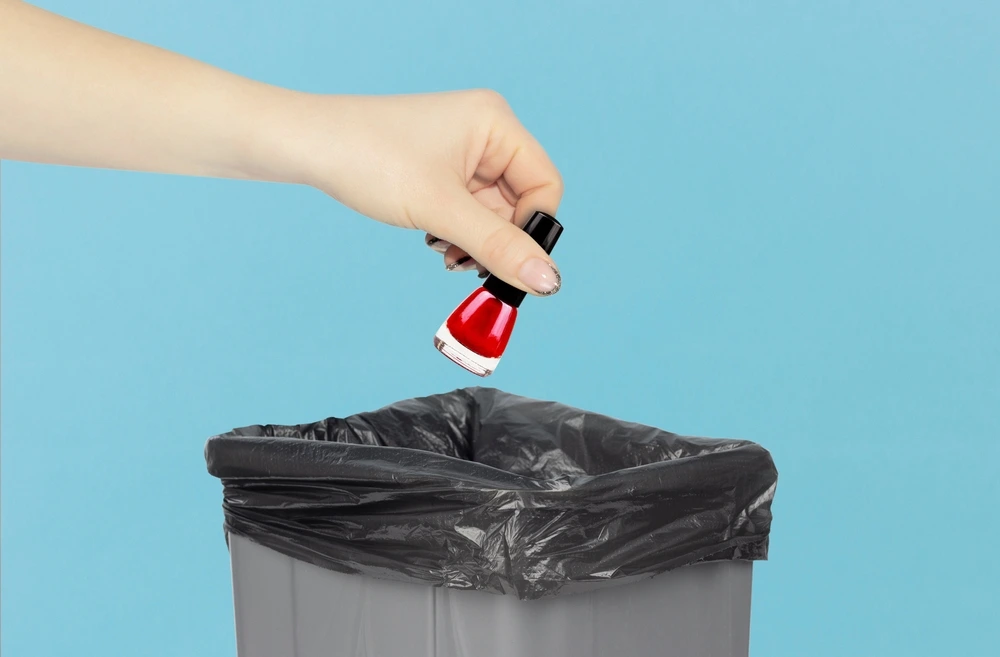
When disposing of nail polish, following safe and environmentally friendly methods is essential. Nail polish is considered a toxic substance and should not be thrown away with regular trash. Improper disposal can have harmful effects on the environment and contaminate water sources. So, what are the proper ways to dispose of nail polish?
One option for proper disposal is using local hazardous waste facilities. These facilities are specifically designed to handle and dispose of hazardous materials in a safe and controlled manner. They have the necessary infrastructure and processes to handle substances like nail polish, ensuring they don’t harm the environment or pose a risk to human health.
Using local hazardous waste facilities involves taking your old or unwanted nail polish bottles to these designated locations. The staff at these facilities will guide you on safely handing over the nail polish and provide further instructions for its proper disposal. This method ensures that the nail polish is appropriately managed and prevents it from ending in landfills or waterways.
Proper disposal of nail polish through local hazardous waste facilities helps protect our environment and safeguards against potential hazards.
Now that we understand the importance of proper disposal let’s explore how we can use local hazardous waste facilities to dispose of nail polish.
Using Local Hazardous Waste Facilities
When it comes to utilizing local hazardous waste facilities for disposing of nail polish, it’s important to research and locate these facilities in your area. You can start by checking your city or county government websites or contacting your local waste management authority for information about nearby waste disposal centers.
Once you’ve identified the nearest facility, ensure that you adhere to any specific guidelines they have in place. This may include packaging the nail polish properly, labeling it as a hazardous material, or following any special instructions provided by the facility.
It’s worth noting that some hazardous waste facilities may have specific drop-off schedules or require appointments in advance, depending on your location. Therefore, planning and allocating time for properly disposing of your nail polish is helpful.
By utilizing local hazardous waste facilities, you can rest assured knowing that your nail polish is being handled responsibly and environmentally friendly. This approach ensures our surroundings’ safety and contributes to a sustainable waste management system.
- Nail polish, a classified hazardous substance, makes up approximately 0.06% of household hazardous waste in the United States.
- A 2021 survey revealed that about 30% of people do not know that improperly disposed nail polish can harm the environment.
- Furthermore, around 45% of consumers frequently change and dispose of their nail polish, often not following correct disposal methods.
Repurposing and Reusing Nail Polish
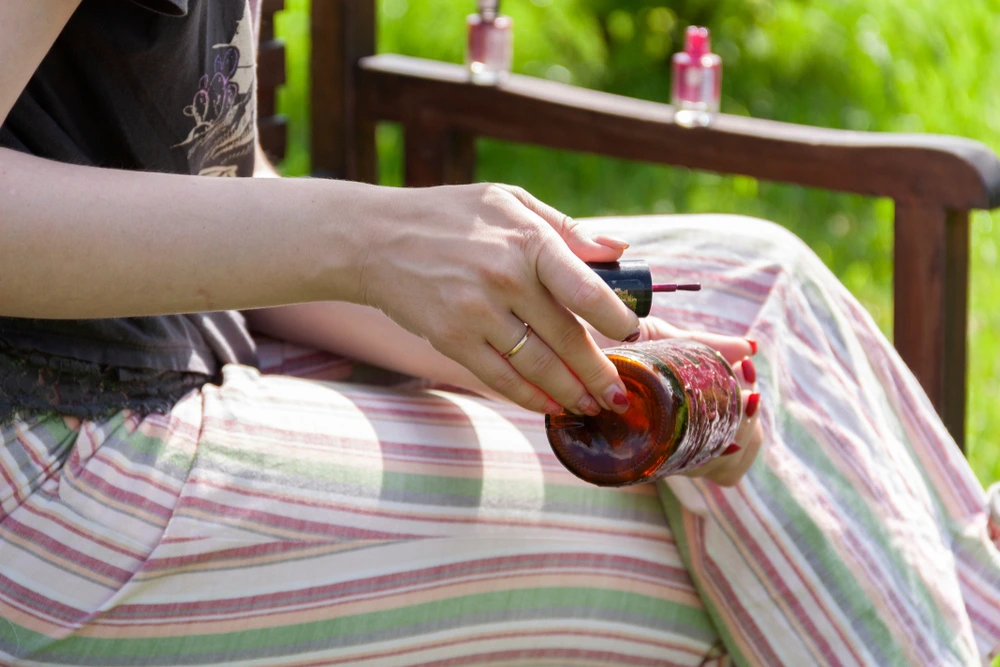
When disposing of nail polish, we must explore alternative options to repurpose and reuse these colorful lacquers. Doing so can reduce waste and give old nail polishes a new lease on life. You can repurpose and reuse nail polish creatively before considering disposal options. The possibilities are endless, from gifting unused bottles to using them for organizational purposes.
One way to repurpose nail polish is bypassing the unused bottles to someone who might enjoy them. Perhaps a friend or family member shares your love for nail art and would be thrilled to receive a few shades from your collection. This way, you’re decluttering and bringing joy to someone else.
Additionally, consider using clear nail polish as a sealant or substitute for fabric glue. It can help keep small items secure or even prevent threads from fraying. Similarly, colored nail polishes can be utilized in crafts or jewelry-making projects. They can add an artistic touch to DIY creations like painted stones, keychains, or pendants.
Now that we’ve explored some ideas for repurposing and reusing nail polish let’s venture into the realm of creative craft and decorative projects where old nail polishes can truly shine.
Creative Craft and Decorative Projects
Nail polish’s vibrant colors and glossy finish make it a versatile tool in various craft and decorative projects. From adding a pop of color to upcycling old items, using nail polish creatively allows you to personalize your belongings and unleash your artistic side.
Imagine transforming plain candle holders into unique works of art by creating marbled designs with different nail polish shades. With a simple dip-and-swirl technique, you can achieve stunning patterns that elevate any space’s aesthetic appeal.
If you enjoy creating or enhancing jewelry, consider using nail polish to add color and shine to plain metal or wooden beads. This simple technique can breathe new life into old accessories or even serve as an opportunity to make custom-made pieces.
Moreover, you can use nail polish to beautify everyday objects like phone cases, hair accessories, or even the edges of picture frames. With a steady hand and some creativity, you can turn ordinary items into eye-catching statement pieces that reflect your unique style.
Remember, the internet is a treasure trove of inspiration and tutorials for various nail polish craft projects. So, don’t hesitate to explore and discover countless ways to repurpose and utilize your old nail polish bottles.

